
Cava Brut pours 1:1 for Prosecco and has the same 12 g/L sugar ceiling, though bottle-aged wine can taste toastier.
- A Brut Cava or Champagne has 12 g/L of sugar or less, and a Prosecco labeled Extra Dry has 12 to 17 g/L.
- If you want no alcohol in the glass, sparkling apple cider pours the same way.
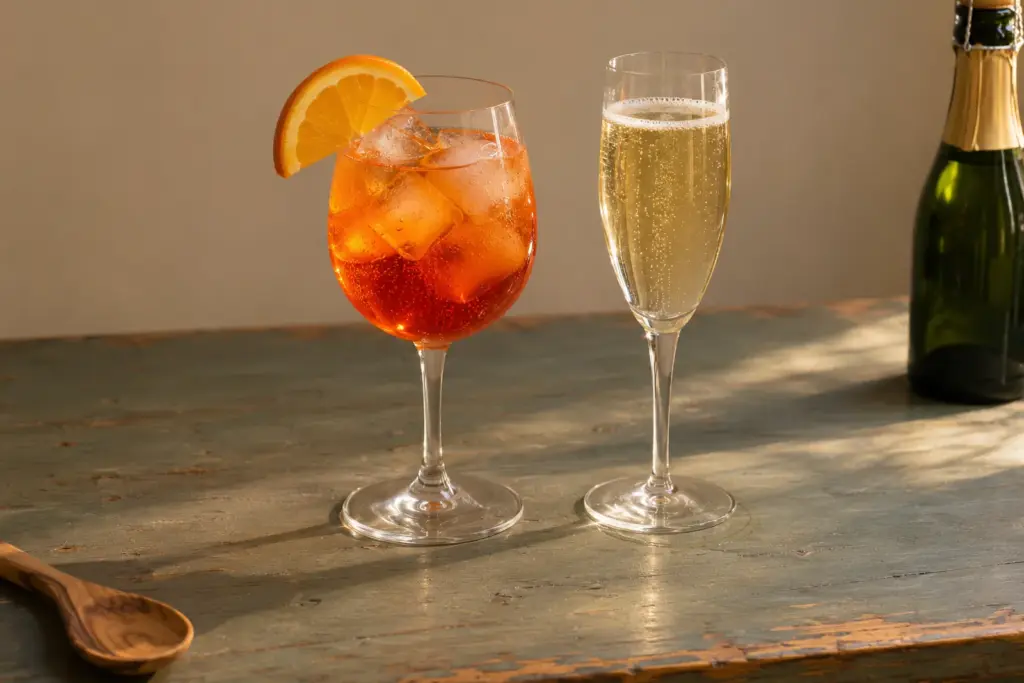
Prosecco is an Italian sparkling wine, so when the bottle is missing, the closest swaps for a missing bottle are other sparkling wines poured at the same amount. As you compare bottles, three things change: how much sugar is left, whether the second fermentation happened in a tank or in the bottle, and whether the drink contains alcohol at all.
What Does Prosecco Do in a Drink or a Recipe?
In a glass, Prosecco gives you bubbles, acidity and light, fruity flavors, and in a spritz or a mimosa it carries the other ingredients. So the swap you pick needs the same fizz and a similar sugar level.
Prosecco's bubbles come from a second fermentation in large tanks, which the Consortium says lasts at least 30 days for Spumante and Frizzante.
Cava and Champagne ferment a second time inside each bottle instead, and Cava has to age at least 9 months on its lees.
Decanter lists "toasty aromas" and "bready notes" for Anna de Codorníu, a Cava, and those are the notes you will pick up first when a bottle-fermented swap stands in for a fruity Prosecco in a plain glass.
The label you need to read is sweetness. These are the Consortium's bands for Prosecco DOC Spumante, in grams of sugar per liter (g/L):
- Brut Nature: 0 to 3 g/L
- Extra Brut: 0 to 6 g/L
- Brut: under 12 g/L
- Extra Dry: 12 to 17 g/L
- Dry: 17 to 32 g/L
- Demi-sec: 32 to 50 g/L
Extra Dry has more sugar than Brut, even though "dry" sounds like it should mean less. Brut Champagne tops out at 12 g/L and the Cava consortium lists Cava Brut at 6 to 12 g/L, so when you buy a Brut swap you get the same sugar ceiling as a Prosecco Brut.
6 Best Substitutes for Prosecco
Every pick below pours at 1:1, so you use the same ounces or milliliters the drink or recipe asks for.
| Swap | Ratio | Best for |
|---|---|---|
| Anna de Codorníu Cava | 1:1 | Toast, plain glass |
| Conquilla Brut Cava | 1:1 | Aperol spritz, plain glass |
| Domaine Ste. Michelle Brut | 1:1 | Bellini, mimosa |
| Gruet Brut | 1:1 | Aperitif, mimosa |
| Champagne | 1:1 | Toast, special occasions |
| Sparkling apple cider | 1:1 | No alcohol |
1. Anna de Codorníu Cava
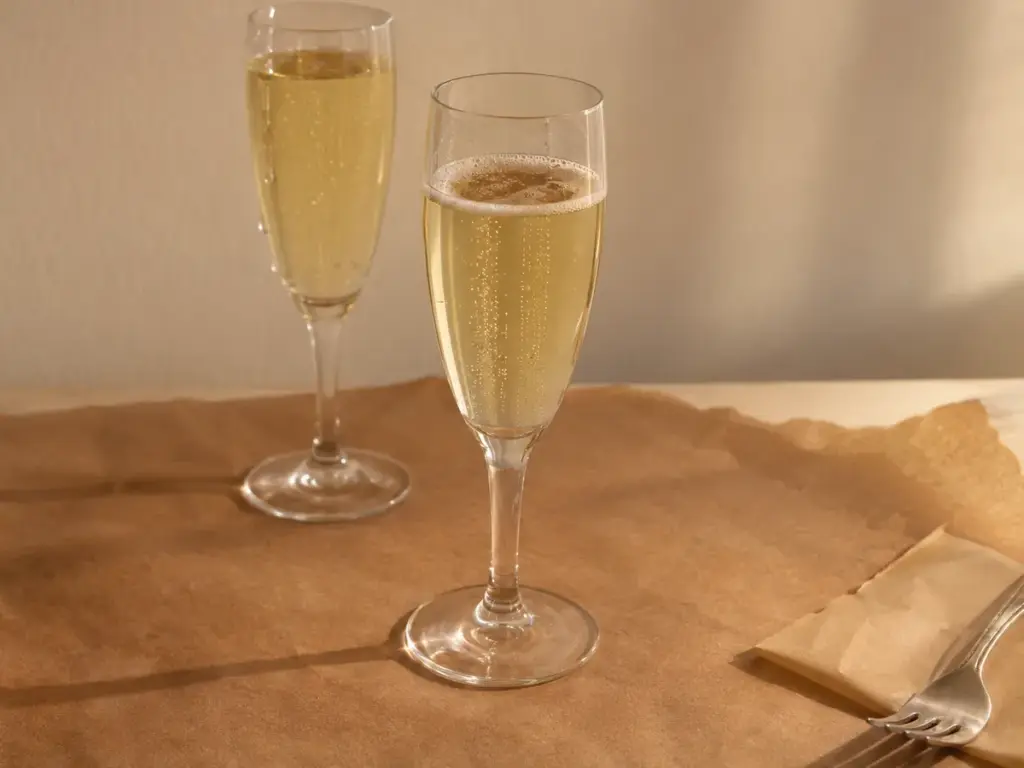
Anna de Codorníu is a Cava from Penedès, Spain, and Decanter lists its grapes as mainly Chardonnay (70%), with Macabeo, Xarel·lo and Parellada making up the rest.
Decanter's notes pair fresh citrus with toasty, honeyed, nutty aromas. Nothing masks those aromas in a toast or a plain glass, so that is where you taste them most, and we'd save this bottle for drinking straight, poured 1:1.
2. Conquilla Brut Cava
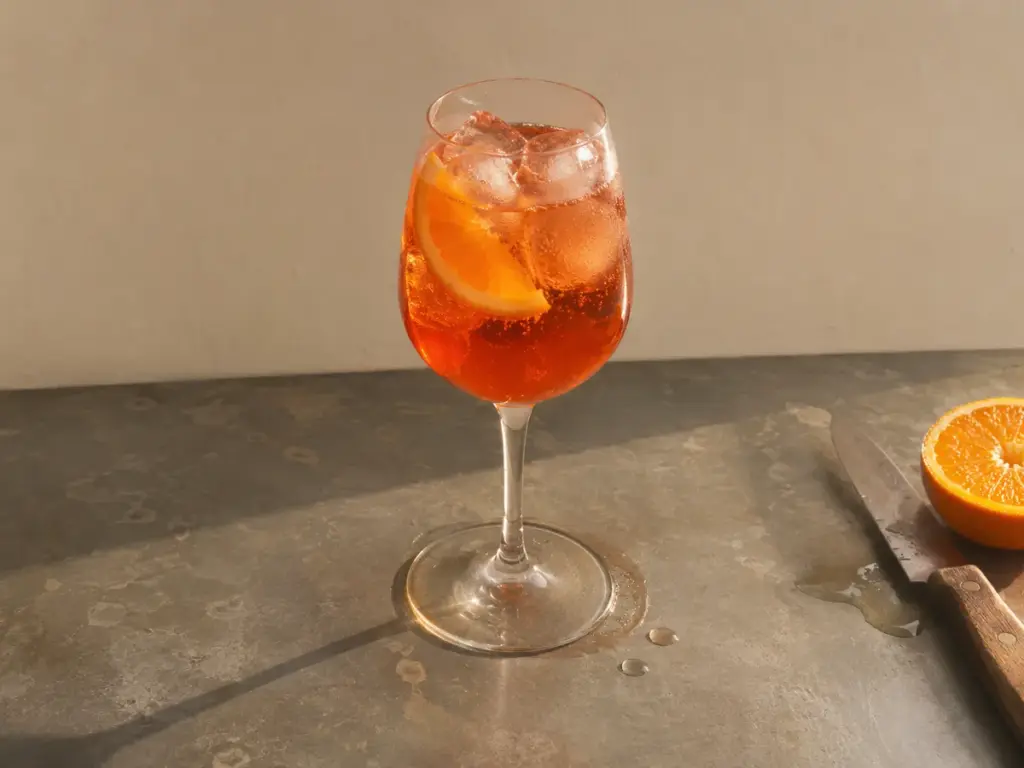
Catalonia's rocky clay-limestone soil grows the grapes for Conquilla, an estate Cava. Its importer, Skurnik, lists 50% Xarel·lo, 25% Macabeu and 25% Parellada, with a second fermentation in the bottle and 12 months on the lees.
Skurnik's notes call it bright and citrusy over a toasty base, and in an Aperol spritz poured 1:1, we'd expect that citrus to sit well against Aperol's bitter orange.
3. Domaine Ste. Michelle Brut
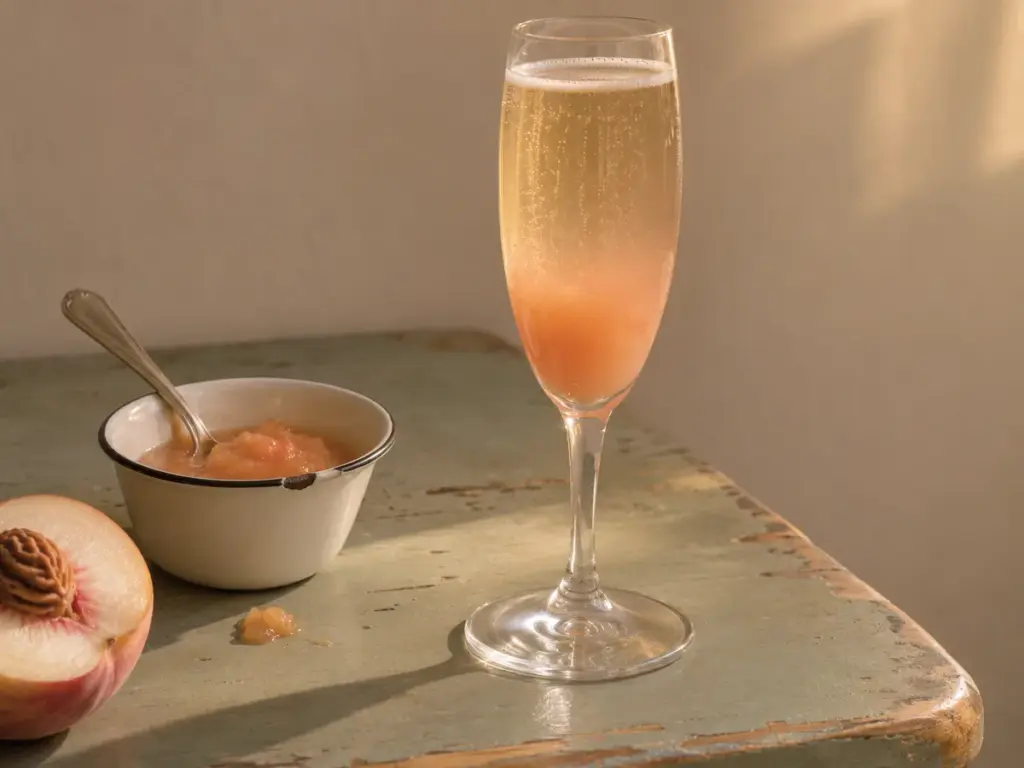
Domaine Ste. Michelle is an American sparkling wine from Washington's Columbia Valley, and Decanter's review lists its Brut as 100% Chardonnay, with aromas of honey, white flower, lemon peel, green apple and pear.
Some retailer listings give a different grape blend, so the back label of the bottle you buy is the one to trust. We'd pour it in a Bellini or a mimosa, where peach or orange carries most of the flavor you taste and those light aromas stay in the background.
4. Gruet Brut
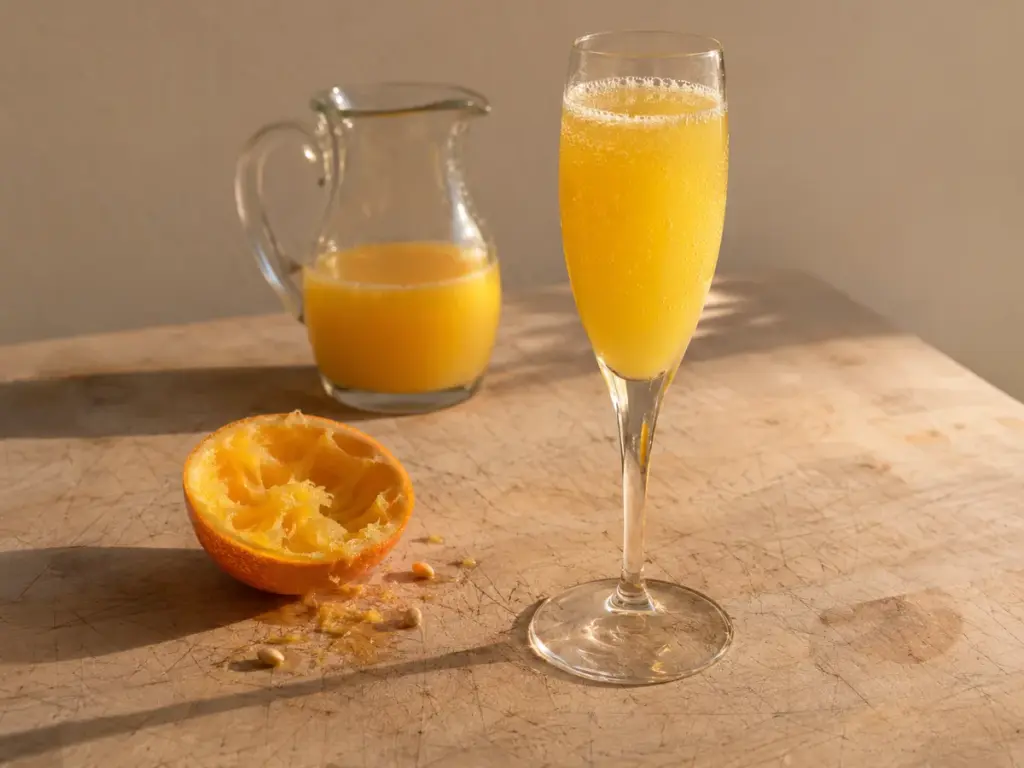
Gruet makes its sparkling wine in New Mexico by the Champagne-style method, using Chardonnay and Pinot Noir from its New Mexico vineyards. VinePair calls the wines crisp and refreshing brut-style sparklers, made with riddling after the bottle fermentation.
As an aperitif or in a mimosa, you pour it 1:1. The sugar bands above come from European rules, so the producer's technical sheet is where you confirm the sugar number for a US bottle.
5. Champagne
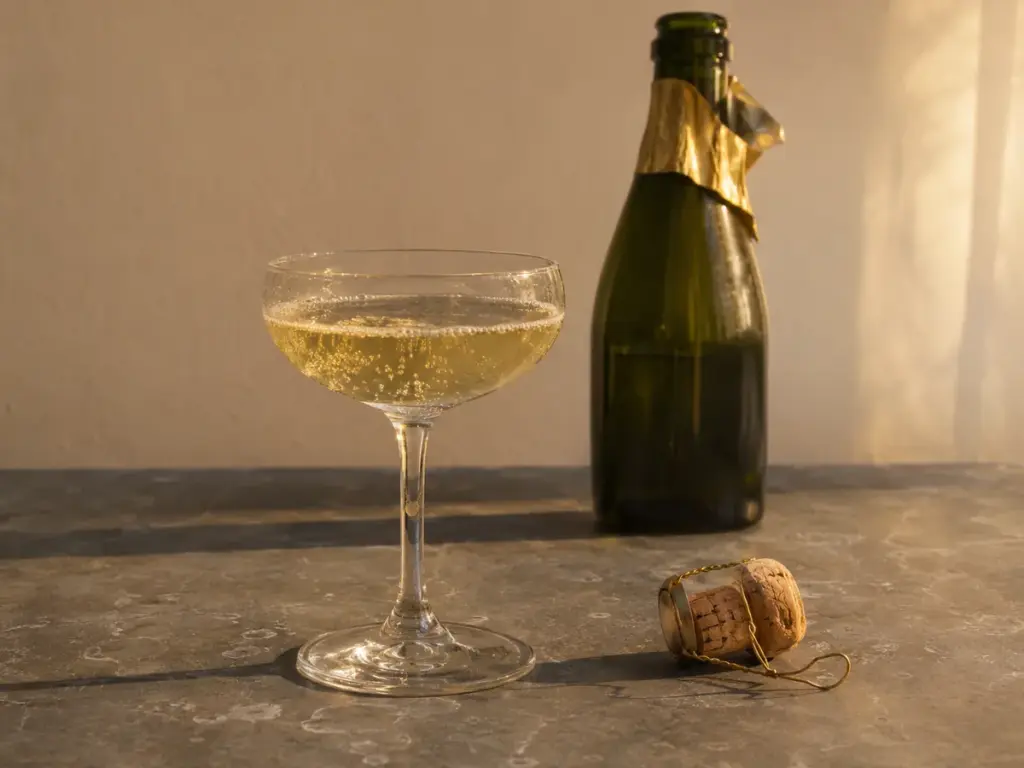
All Champagne is made by the traditional method, with a second fermentation in the bottle, and Jeroboams notes that most of it blends Chardonnay, Pinot Noir and Pinot Meunier. Non-vintage Champagne ages at least 15 months before release.
A Brut Champagne holds a maximum of 12 g/L of sugar, the same ceiling as a Prosecco Brut. If your bottle says Extra Dry Champagne, it carries more sugar than a Brut, so a drink you pour with it comes out sweeter.
6. Sparkling Apple Cider
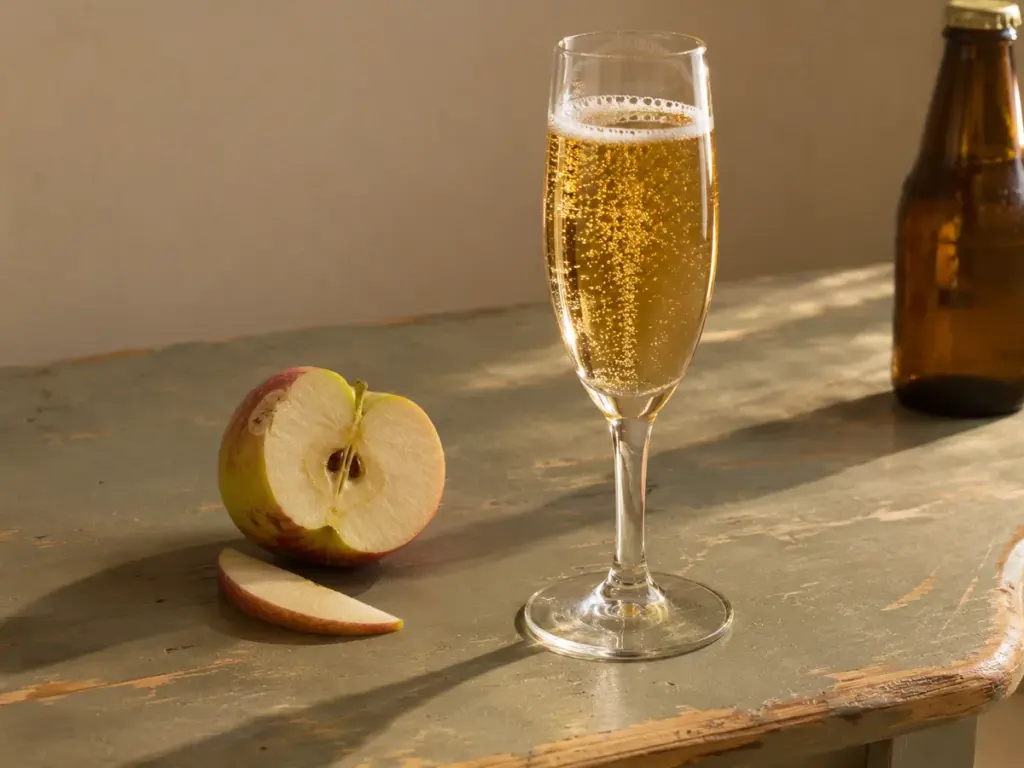
Martinelli's Gold Medal Sparkling Cider is pasteurized 100% carbonated apple juice from U.S. grown fresh apples with vitamin C, and the brand says it contains no water, alcohol or sweeteners.
For guests who skip alcohol, you can pour it 1:1 in a flute, a mimosa-style drink or a toast.
Cider brings fruit as well as fizz, so we'd call it a closer match for sparkling wine than ginger ale, which adds ginger flavor, or club soda, which adds only bubbles.
Aperol is itself alcoholic, so a spritz built on cider still contains alcohol.
Which Swap Fits Each Drink or Recipe?
The standard recipes call for these amounts of sparkling wine:
- Aperol spritz: 3 parts sparkling wine, 2 parts Aperol and 1 part club soda, per Food Republic.
- Mimosa: 75 ml orange juice and 75 ml sparkling wine, per the IBA.
- Bellini: 100 ml sparkling wine and 50 ml white peach puree, per the IBA.
Food Republic picks a Brut or Extra Dry bottle for a spritz and a bottle labeled Dry only for a sweeter drink. Aperol already supplies the bitter orange flavor of the drink, so you can choose the wine for a spritz by its sugar label first and its grape second.
If you cook a risotto or a pan sauce, the bubbles escape as the wine heats, so the dry, fruity side of the wine is what reaches the dish, and we'd use any Brut swap there.
A bottle that has been open for days still works for cooking, because the dish never needed the bubbles. When you have no bubbly at all, white wine swaps for risotto do the same job.
- Poached pears: a bottle labeled Extra Dry, Dry or Demi-sec adds more sugar to the liquid, so you start with less sugar and taste the syrup first.
Can You Swap Moscato d'Asti for Prosecco?
- 12 to 17 g/L of sugar
- 11% vol listed for Spumante
- 90 to 120 g/L of sugar
- 4.5 to 6.5% vol, slightly sparkling
Moscato d'Asti has about five to ten times the sugar of an Extra Dry Prosecco, calculated from the two ranges: 90 divided by 17 is about 5, and 120 divided by 12 is 10. In a spritz or a Bellini it makes a much sweeter drink, so you pour it only when you want that sweetness and cut back the other sweet ingredients.
Sources
- Prosecco DOC Consortium, types and sugar bands
- Prosecco DOC Consortium, winemaking
- Cava Regulatory Council, quick guide to Cava
- Jeroboams, Champagne guide
- Decanter review, Anna de Codorníu Brut
- Skurnik Wines, Conquilla Brut
- Decanter review, Domaine Ste. Michelle Brut
- Gruet Winery, vineyards and winemaking
- VinePair, Gruet Brut guide
- Martinelli's, Sparkling Cider
- Langhe.net, Moscato d'Asti DOCG
- IBA, Mimosa and Bellini
- Food Republic, Aperol Spritz

Food writer at GustoMeadow. Writes ingredient substitutes, food comparisons, taste guides and storage guides for home cooks.
Storage and food-safety numbers follow USDA, FDA and university extension guidance.



