Asparagus is a beloved and versatile vegetable, capable of spicing up salads, grilling to delicious perfection, and adding a nice touch to any plate.
But the next time you reach for asparagus in the grocery store, take pause: did you know that purple and green asparagus are two entirely different things?
Don't let their similar appearances fool you - although these two varieties may look alike at first glance, there are numerous differences between them in terms of taste, nutritional value and cooking properties - differences which profound impact on how they interact with flavorings.
We'll unpack each unique kind of asparagus here so that you can determine which one fits best into your recipes.

What is Purple Asparagus?
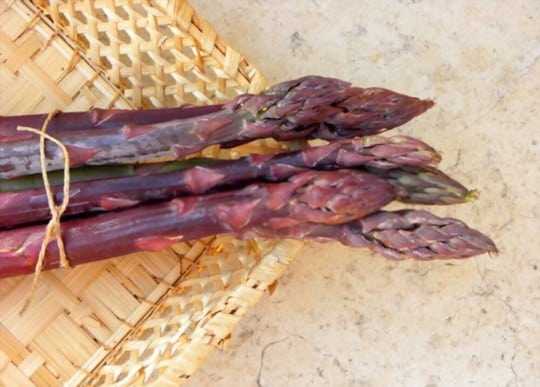
Purple asparagus may not be as widely known as its green counterpart, but it is just as delicious and nutritious.
This eye-catching vegetable gets its unique hue from anthocyanins, which also provide various health benefits - see purple vs green cabbage comparison for color and health.
It has a tender yet crispy texture and a sweeter, milder taste compared to green asparagus.
Also, purple asparagus is packed with essential vitamins and minerals, including vitamins C, K, and E, folate, and potassium.
It is also a good source of dietary fiber and contains antioxidants that help fight off free radicals in the body.
Overall, purple asparagus is a fantastic addition to any diet, as it not only adds a pop of color to your plate but also offers numerous health benefits.
What is Green Asparagus?
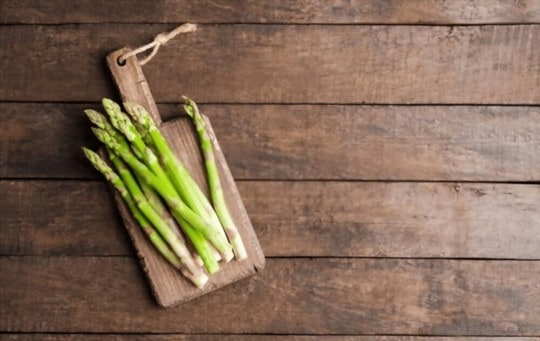
Green asparagus is a widely popular vegetable enjoyed for its nutritious profile and crisp, earthy flavor.
This flexible springtime vegetable is a member of the lily family and can grow up to several feet tall if left to mature fully.
Its spear-like shoots are harvested when they are young, tender and about six to eight inches in length.
The bright green color of asparagus is a result of its abundant chlorophyll, which not only gives it its beautiful color but also makes it rich in antioxidants, vitamins and minerals - compare Napa cabbage vs green cabbage color and nutrient differences for similar contrasts.
Green asparagus is an excellent source of fiber and folate, while also containing vitamins A, C, and K, as well as potassium and iron.
With so many health benefits, this vegetable is sure to delight any discerning palate.
Differences Between Purple and Green Asparagus
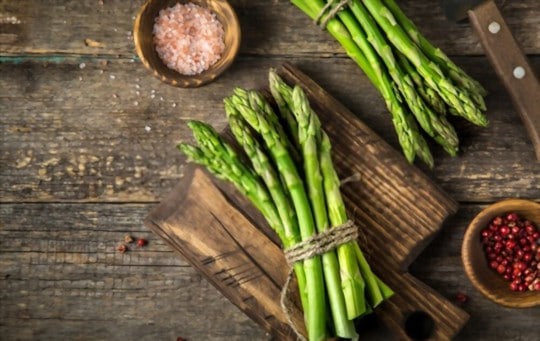
Purple asparagus and green asparagus share some similarities in taste and texture, but they differ in appearance, nutrient profile and cultivation process - similar color-driven contrasts appear in purple onion vs red onion comparison of flavor and color.
While green asparagus is the most common type found in supermarkets worldwide, purple asparagus is a newer variety that is becoming popular due to its bright color and unique flavor.
Appearance
The physical appearance of purple asparagus is distinct from its green counterpart.
Its stalks have a deep purple hue, while the tips retain a green color.
This is due to the high concentration of anthocyanins, a plant pigment responsible for the purple coloration.
The flavor of both types is similar, but purple asparagus is usually sweeter and more tender than green.
Its bright color adds an aesthetically pleasing touch to dishes and can improve the visual appeal of any meal.
Also, purple asparagus has higher nutritional value than conventional green varieties.
It contains higher levels of antioxidants like anthocyanins and vitamin C, which boost immunity and protect against chronic diseases like cancer and diabetes.
Also, it has lower levels of lignin, making it easier to digest and absorb nutrients.
Incorporating purple asparagus into your diet can provide unique health benefits that go beyond standard green varieties.
Its striking hue also makes for visually appealing dishes that are sure to impress guests or add variety to your meals.
Nutritional Value
Both purple and green asparagus offer great nutritional value.
They are both packed with vitamins and minerals, and can be a good addition to a healthy diet.
However, their nutritional profiles differ slightly.
Purple asparagus, for instance, contains higher levels of anthocyanins, which are powerful antioxidants that offer various health benefits.
It also contains more vitamin C and potassium than green asparagus.
On the other hand, green asparagus is rich in folate, making it a great option for pregnant women or those trying to conceive.
It also contains slightly more fiber than its purple counterpart.
Overall, both types of asparagus offer excellent nutritional value and should be consumed regularly for their health benefits.
However, if you're looking for a specific nutrient or antioxidant boost, choosing one over the other might be beneficial.
flavor and Taste
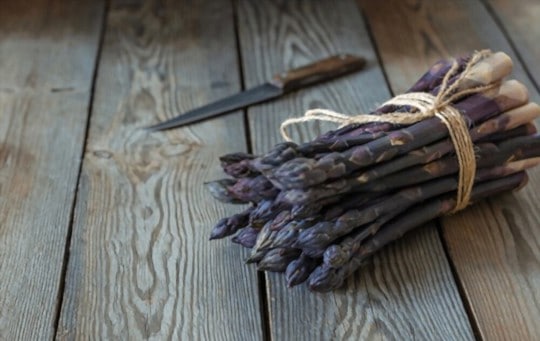
Purple and green asparagus have different flavors and taste.
The purple variety has a sweeter, nuttier flavor with earthy undertones, while the green type is more savory and grassy with a slightly bitter aftertaste.
The color difference is due to variations in pigmentation, which also affects the nutritional content of each type.
In terms of cooking, purple asparagus tends to retain more of its color when cooked, and is best served simply roasted or grilled.
Green asparagus on the other hand can be used in a wider range of dishes, such as salads or pasta dishes.
Both types are nutritious, containing fiber, vitamins A, C, E, K and folate.
Also, they're low in calories and high in antioxidants.
Overall, choosing between purple and green asparagus comes down to personal preference and culinary needs.
Both offer unique flavors and health benefits that can enhance any dish.
For more on how specific compounds shape aroma and taste, see extract vs flavor explanation for how ingredients affect taste.
Cooking and Serving Differences
There are some noteworthy differences between purple and green varieties.
For starters, purple asparagus can be slightly sweeter than its green counterpart.
Also, purple asparagus is often thicker and takes longer to cook - typically lasting 2-3 minutes more.
On the other hand, when serving raw, some believe that the bright hue of purple asparagus makes it a more aesthetically pleasing option on the plate.
Ultimately, whether cooking or serving, one's preference may depend on a combination of taste and visual appeal.
When adjusting recipes for different asparagus varieties, consider how cooking liquids and acids change flavor - White Cooking Wine vs White Wine Vinegar comparison on flavor impact explains common swaps.
Availability and Cost
Purple asparagus compared to green asparagus demonstrate differences in their availability and pricing.
The supply of purple asparagus is considerably less than that of green due to its rarity.
As a result, it is comparatively expensive than its counterpart.
The demand for purple asparagus has been increasing among consumers due to its unique color, nuttier flavor, and increased antioxidant content when compared to green asparagus.
Nonetheless, the scarcity can make it challenging to find in supermarkets and grocery stores.
It's worth mentioning that the cost fluctuations between green and purple asparagus vary throughout the year due to seasonal changes and harvesting periods.
Purple asparagus is more expensive when not in season.
How to Choose Between Purple and Green Asparagus?
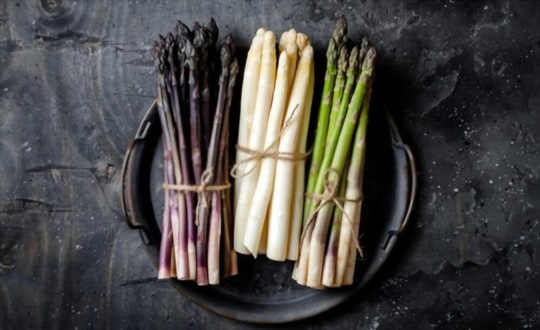
When choosing between purple and green asparagus, both options have their unique benefits.
Purple asparagus has a sweeter taste with fewer fibers and its striking color can make for an impressive presentation.
On the other hand, green asparagus is more commonly found in stores and can be used in a wider range of recipes due to its mild flavor.
It ultimately comes down to personal preference and what recipe you plan on using it for.
Consider the color scheme of your dish or any dietary restrictions when making your decision - similar color-based choices are explored in white eggplant vs purple eggplant color differences.
Asparagus can be a nutritious addition to any meal, providing fiber, vitamins, and minerals such as folate and potassium.
Recipes That Highlight Purple or Green Asparagus
Asparagus is a versatile vegetable that comes in two main colors- purple and green.
One may wonder which one is better.
Both have their unique qualities, which can be highlighted in various dishes.
Whether you are looking for some new ideas or exciting ways to cook your favorite vegetable - here are some delicious recipes that highlight the differences between purple and green asparagus.
For instance, roasting is an excellent way to accentuate the nutty flavor of green asparagus in simple yet pleasant ways.
On the other hand, roasted purple asparagus provides a nice taste that improves grilled chicken and pasta dishes to new levels of tastiness.
In salads or side dishes, steamed or blanched asparagus makes for an excellent ingredient as well.
When compared with traditional green asparagus, purple asparagus contains colorless pigments that turn into anthocyanins when exposed to light.
These antioxidants offer considerable health benefits that strengthen the immune system and reduce the risks of cancer and chronic diseases.
Incorporating both types of asparagus into different recipes may help explore new flavors combinations while making sure our diet remains healthy and balanced.
For plant-forward recipe ideas that highlight color and convenience, see Veestro vs Purple Carrot comparison of meals and flavors.
Nutritional and Taste Differences: Purple vs Green Asparagus
We have come to the end of our discussion about the differences between purple and green asparagus.
As you can see, these two types of asparagus have some unique characteristics that make them distinctly different from one another.
While both are popular ingredients in salads and side dishes, it's up to your personal preference which type you choose.
Purple asparagus has a slightly sweeter flavor, while green asparagus has a nuttier flavor.
In terms of texture, purple asparagus is often more tender than its counterpart.
When being cooked up, purple asparagus will also hold its color better.
Ultimately, the choice comes down to you - whichever type of asparagus best suits your tastes and needs should be yours.
As long you're enjoying delicious freshly harvested asparagus, it doesn't matter the color.
We hope that this article has been useful in helping you learn more about these two types of asparagus and their differences.
All that said - bon appetit.
Home meal kit services differ in approach and ingredients. Home Chef vs Green Chef comparison of service and meals shows how offerings vary. Savoy Cabbage vs Green Cabbage comparison of texture and uses is useful when swapping greens in recipes.
Frequently Asked Questions
It has a tender yet crispy texture and a sweeter, milder taste compared to green asparagus. They share some similarities but each has qualities that make it better suited for certain recipes.
In many recipes, yes. Purple and Green Asparagus fill similar roles, though each brings its own character.
Try a small test batch before committing to a full swap.
Availability varies by region. One is usually a standard grocery store item while the other may require a specialty or international market depending on where you live.
Can a beginner tell the difference by taste?
In a side-by-side tasting, yes.
The difference becomes less obvious when mixed into a recipe with other ingredients.
Most people notice the distinction more clearly on its own.