
Ever stared at cabbages and wondered, "What's the deal?
In the red corner, purple cabbage, bright and mysterious. In the green corner, its cousin, the green cabbage, a crunchy powerhouse.
We once made the rookie mistake of swapping one for the other in grandma's secret recipe. Spoiler alert: We survived, but the salad was a bright mess.
Here's the lowdown. Purple cabbages are like the cool aunt of the vegetable world; they bring color to the party and pack a heap of nutrients.
Green cabbages? They're the reliable friend, always there, subtly supporting your vitamin C goals.
Got it? Good.
What is Purple Cabbage?
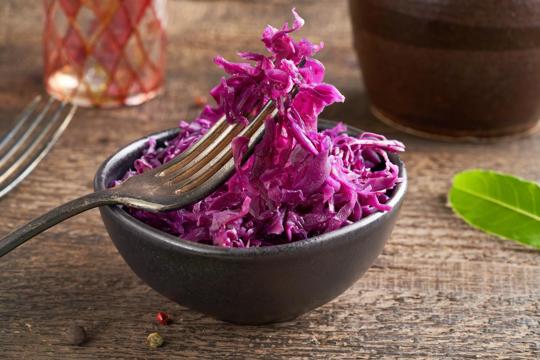
Purple cabbage, also known as red cabbage, is from the Brassica family of cruciferous vegetables.
Its purple hue comes from anthocyanins - powerful antioxidants.
It has a crunchy texture and is milder than green cabbage, with sweet undertones.
Plus, it is full of Vitamin C and K and low in calories.
When buying it, look for firm and heavy heads.
Uniquely, purple cabbage can turn blue when cooked due to pH levels.
To stop this, add vinegar or lemon juice to your cooking water.
Also, it adds color and texture to coleslaw or salads when sliced thinly.
But, it will usually fade to green when cooked.
Purple cabbage offers great health benefits and culinary versatility.
Incorporating it into meals makes them more appealing while providing health benefits too.
For a vegetable color-and-flavor comparison with a similar purple-versus-green theme, see purple vs green asparagus comparison guide to learn which asparagus suits different dishes.
What is Green Cabbage?
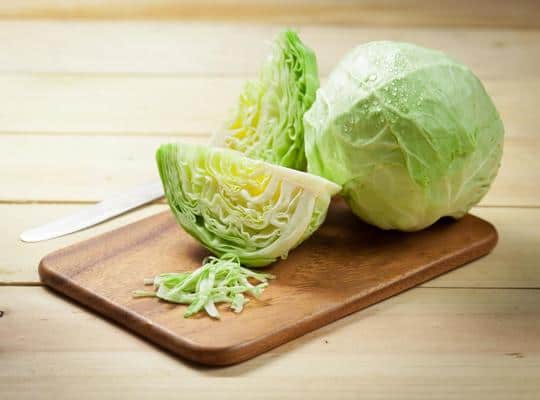
Green cabbage, also known as white cabbage, is a veggie that grows in round heads.
It's usually pale green with several tightly packed leaves.
It has a mild, sweet taste and a crunchy texture - ideal for salads, slaws, and stir-fries.
Nutritious and low in calories and carbs, green cabbage is a must-have in any healthy diet.
Plus, its versatility makes it stand out: enjoy it raw - thinly sliced or shredded - or cooked - steamed or sautéed.
It's easy to see why green cabbage is a staple in worldwide cuisine.
It's brimming with nutritional value and can be used in so many ways.
For another cabbage face-off that highlights texture and cooking uses, check Napa cabbage vs green cabbage comparison guide to see which variety fits specific recipes.
Differences Between Purple Cabbage and Green Cabbage

Purple and green cabbage have similarities.
Both provide fiber, vitamins C and K.
Yet, purple cabbage has more antioxidants.
It has anthocyanin pigments.
Green cabbage has more vitamin A.
For a similar side-by-side look at two colorful alliums, read purple onion vs red onion flavor differences to compare taste and best uses.
Color and Appearance
Cabbage, the cruciferous veggie, appears in two striking colors - purple and green.
The purple one earns its name from its deep violet leaves.
The green one has light green, crinkly leaves.
Both kinds have a tightly packed, round head that can weigh up to 2 kgs.
They are equally versatile - cooked, eaten raw, or pickled.
Purple cabbage is praised for its color - thanks to a pigment called anthocyanin.
These phytochemicals provide lots of health benefits - like reducing inflammation, and lowering blood pressure and cholesterol levels.
Green cabbage may not be as colorful but it's still great - it has cancer-fighting sulforaphane.
The concentration of this varies with cooking time.
Apart from nutrition, these varieties differ in flavour and texture too.
Purple cabbage has an earthy flavour, with a slight peppery kick.
Green cabbage has a milder, sweeter taste.
Plus, purple cabbage is chewier due to its thicker leaves, while green cabbage has tender leaves.
Flavor and Texture
Purple and green cabbage: two unique veggies.
One has a denser texture, the other softer and more delicate.
Purple cabbage has a slightly sweet, peppery flavor; green cabbage has a stronger, earthier one.
Both are crunchy and tangy - good for any dish.
Plus, they offer different nutritional benefits.
Purple cabbage's bright color comes from anthocyanin, an antioxidant that boosts immunity, improves circulation, and fights inflammation.
Green cabbage has more Vitamin C and fewer calories, making it ideal for weight loss plans.
When cooking, don't forget that purple cabbage will discolor if cooked too long.
Whereas green cabbage stays bright, even after longer cooking times.
To understand how subtle flavor components influence dishes, see extract vs flavor taste guide for how extracts and natural flavors differ in impact.
Nutritional Differences
Purple and green cabbage seem distinct.
Yet their nutrition is more similar than you may assume.
Both consist of fiber, vitamins C and K, potassium, and antioxidants.
Purple cabbage has higher anthocyanins.
These compounds help battle inflammation and support overall wellness by boosting the immune system.
So, although there are slight variations nutritionally, adding either to your diet is wise for good health.
For a taste-focused look at a nutrient-dense pantry item, read nutritional yeast taste guide to learn how its flavor complements vegetables.
Culinary Uses and Recipes
Cabbage is a popular dish around the world.
Two of the main types are purple and green.
Purple has more anthocyanins, giving it a purple hue.
Green has a milder taste and is more popular for cooking.
Green cabbage can be eaten raw or cooked.
Try adding it to salads raw, or to stews, sauerkraut or soups cooked.
Purple adds a pop of color and flavor.
Raw purple cabbage is used in coleslaw or tacos.
Pickling purple cabbage is a unique way to use it.
The vinegar and color give it an attractive flavor.
Finally, it's up to you which type of cabbage you choose for your recipe.
Knowing the differences will help you pick the right one.
Similarities Between Purple Cabbage and Green Cabbage
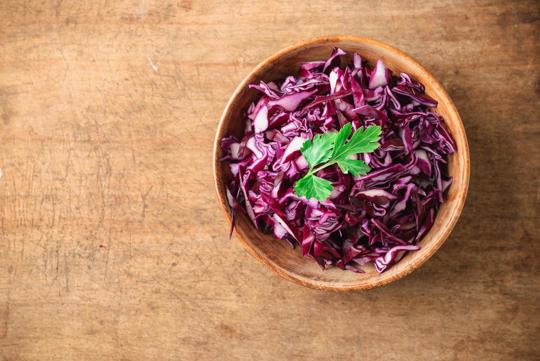
Purple and green cabbage may look different, but they have much in common nutritionally.
Both are low-calorie and packed with fiber, vitamins, and minerals.
Plus, they are full of antioxidants to stop cell damage caused by free radicals.
Vitamin C is abundant in both varieties.
This nutrient helps strengthen the immune system and benefits skin health.
Vitamin K is important for bone and blood health - it's present in ample amounts in both cabbages.
Uniquely, purple cabbage has a bright hue from anthocyanins that can reduce inflammation.
As for green cabbage, it contains more glucosinolates than purple cabbage, which can help in cancer prevention.
For another example of color-driven differences in produce, view white eggplant vs purple eggplant comparison overview to see how color affects texture and use.
Tips for Cooking and Storing Purple and Green Cabbage
Purple and green cabbage - same plant, different characteristics.
Here's some tips for cooking and storing.
When buying, look for heads that feel heavy and have tightly packed leaves.
Avoid brown spots or limp leaves.
To store? Wrap in plastic or store in a plastic bag in the fridge's crisper drawer.
Lasts up to several weeks. To cook? Try sautéing with garlic and olive oil.
Or roast with other veggies. Also great raw in salads or as a crunchy taco topping.
Purple and green cabbage - different flavors.
Purple is sweeter, stronger taste - great for coleslaw.
Green has a milder flavor - perfect for soups or stir-fries.
Remember these tips for cooking and storing these nutritious veggies - enjoy purple or green cabbage.
For guidance on which liquid to use when braising or pickling cabbage, consult white cooking wine vs wine vinegar uses to pick the right ingredient.
Nutritional Comparison of Purple and Green Cabbage
Purple and green cabbage may look similar, but they have different textures, flavors, and appearances.
They both offer plenty of nutrition and health benefits.
It's all about personal preference.
But no matter what, you'll get the health benefits of both types of cabbage.
Frequently Asked Questions
It has a crunchy texture and is milder than green cabbage, with sweet undertones. They share some similarities but each has qualities that make it better suited for certain recipes.
They can stand in for each other in a pinch. Purple and Green Cabbage overlap in some uses, but the flavor or texture will shift.
Adjust quantities to taste.
Shelf life differs based on processing and packaging. One often keeps longer unopened, while the other may need refrigeration or faster use after opening.
Which one is more forgiving in recipes?
One tends to perform more consistently across a range of cooking methods, making it the safer choice when experimenting.
The other delivers stronger results in specific applications.
Gold and green kiwis offer different textures and sweetness levels. gold kiwi vs green kiwi comparison explores those contrasts. Meal-kit services vary in ingredients and sourcing; Home Chef vs Green Chef comparison outlines what each service provides.