
Or maybe, if there is any difference at all? You may be surprised to find out that not only are these two cheeses different, but they offer distinct flavors and textures.
While both of these terms may throw some people into perplexity, we have decided to lay it all out for you so that you can confidently pick the best cheese option for your favorite Mexican dish.
Join us as we explore and explain the differences between queso fresco and queso blanco.
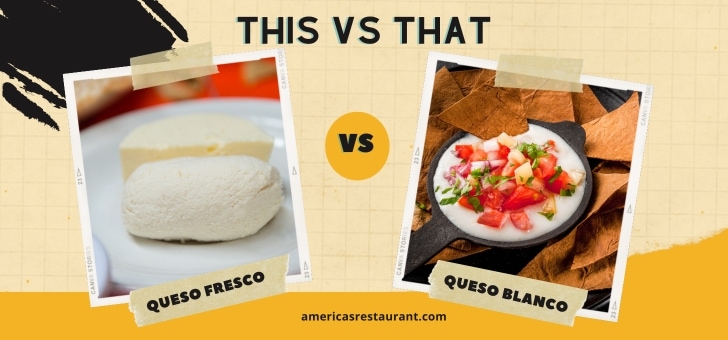
What is Queso Fresco?

There's no shortage of delicious cheeses to choose from.
One of the most popular options is queso fresco, which translates to "fresh cheese" in English - see Queso Fresco vs Panela comparison for how it stacks up against panela.
This creamy, crumbly cheese is made from cow's milk and has a mild, slightly salty flavor.
It's commonly used as a topping for tacos, enchiladas, and other traditional dishes, but can also be eaten on its own as a snack.
Queso fresco is versatile enough to be used in both cooked and raw dishes, thanks to its ability to soften when heated without melting completely.
What is Queso Blanco?
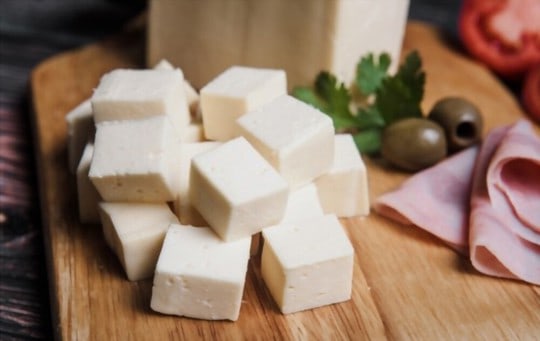
Whether you're a lover of Mexican cuisine or simply enjoy trying out new dishes, queso blanco is a type of cheese that you don't want to miss.
At first glance, it may seem like just another cheese on the market, but don't be fooled.
This cheese is unlike any other and will leave your palate begging for more.
Made from cow's milk and originating from Latin America, queso blanco has a mild and creamy flavor with a slightly salty taste.
It is known for its ability to melt quickly, making it a go-to ingredient for dishes such as queso dip, breakfast burritos, and enchiladas.
But the uses for this cheese don't stop there.
Whether you're looking to add it to a salad or top off a burger, queso blanco is versatile and adds a unique touch to any dish.
Trust us when we say, once you try queso blanco, you'll never forget it.
If queso blanco is unavailable, 5 best substitutes for Queso Blanco as alternatives lists suitable replacements for common recipes.
Differences Between Queso Fresco and Queso Blanco
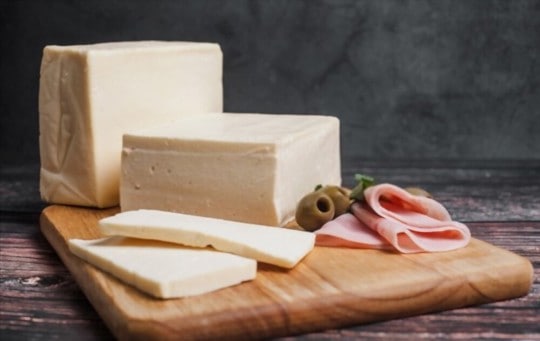
Queso Fresco and Queso Blanco are both well-known Mexican cheese varieties, but they differ slightly in texture, taste, and nutritional content.
Queso Fresco has a grainy texture and a mild flavor compared to the crumbly and tangy Queso Blanco - see a Queso Blanco taste guide for details on its tangy profile.
However, both have similar fat content and calorie value.
Also, Queso Fresco is commonly used as a topping or filler in dishes like enchiladas, salads, quesadillas, while Queso Blanco is often used for grilling or frying.
Ingredients Used
Different types of cheese are essential ingredients used in various dishes, such as quesadillas and enchiladas.
The selection of the right cheese can not only improve the taste of a dish but also offer unique textures.
Two commonly used types of cheese are queso fresco and queso blanco.
Queso fresco is a fresh cheese with a crumbly texture and tangy flavor, whereas queso blanco is slightly milder and comes in different varieties, including block or shredded.
Both cheeses have their distinct qualities that make them suitable for varying recipes.
Queso fresco is an excellent option for toppings on tacos, salads, and grilled vegetables as it doesn't melt quickly due to its low-fat content.
On the other hand, queso blanco is perfect for melting on top of nachos or baked dishes like casseroles as it has higher fat content compared to queso fresco.
Texture and Flavor Comparison
Mexican cuisine has of a wide range of traditional cheese varieties.
One such duo is Queso Fresco and Queso Blanco, which often lead to confusion as both have similar names.
The comparison between their texture and flavor makes a significant difference in selecting the right one for your dish - read an extract vs flavor breakdown to better understand flavor terminology.
Queso Blanco is semi-soft, crumbly, and saltier than Queso Fresco.
It is often used for grilling or frying due to its heat-resistant property.
On the other hand, Queso Fresco is soft, moist, and mild in taste.
It is commonly used as a garnish or as a topping on salads and tacos.
While both cheeses are white and made from cow's milk, the process of making them differs significantly.
For Queso Blanco, curdled milk coagulates with vinegar or lemon juice before being drained, while it requires no acidic agent for Queso Fresco.
Culinary Uses
There are various options available.
Queso fresco and queso blanco are two popular choices that may confuse chefs.
However, while both can be used in numerous dishes, their textures and flavors vary.
Queso fresco is crumbly and moist with a mild flavor, making it suitable for salads and garnishing beans or tacos.
On the other hand, queso blanco is harder and denser, making it ideal for grating or shredding over enchiladas or quesadillas.
Also, queso blanco has a longer shelf life compared to queso fresco due to its aging process.
Also, many recipes call for one type of cheese rather than the other, depending on the desired texture and taste.
By understanding the differences between queso fresco and queso blanco and their respective culinary uses, chefs can improve their recipe outcomes and create unique dishes that highlight the characteristics of each cheese.
Nutritional Value
Researching the comparison between Queso Fresco and Queso Blanco, it is important to note their respective nutrition values.
Both cheeses are low in calories and fat but high in sodium, so moderation is advised.
Queso Fresco contains more protein and calcium than Queso Blanco, making it a better option for those seeking these nutrients.
However, Queso Blanco is lower in cholesterol content compared to Queso Fresco.
It is recommended to read the labels carefully before indulging in either cheese to ensure the best nutritional value.
For a non-dairy source of savory, cheesy flavor, nutritional yeast taste guide explains its umami profile and uses.
Popular Queso Fresco and Queso Blanco Brands
Some popular options for queso fresco and queso blanco include well-known brands like Cacique, El Mexicano, and La Vaquita.
These brands offer distinct flavors and consistencies that cater to various culinary preferences.
It ultimately depends on personal taste and the intended use of the cheese.
Queso fresco is crumbly, tangy, and versatile in dishes like salads and tacos - consider Queso Fresco substitutes list when a preferred brand isn't available.
On the other hand, queso blanco is usually creamier, saltier, and better suited for melting in recipes such as enchiladas or dip.
Some specialty stores may carry smaller batch brands or different varieties of each type of cheese.
Therefore, exploration can lead to discovering new favorites that are unique to individual palates.
Which is Healthier: Queso Fresco or Queso Blanco?

Comparing the Health Benefits of Queso Fresco and Queso Blanco:
Queso fresco and queso blanco are both white, Mexican style cheeses that can be used in various dishes.
However, if you're wondering which one is healthier, there are a few things to consider.
- Queso fresco is made from raw milk while queso blanco is made from pasteurized milk. This means that queso fresco may contain more bacteria than its counterpart. While many believe raw milk to be more nutritious, it's also associated with an increased risk of foodborne illness.
- Queso fresco is usually higher in fat content compared to queso blanco. For those watching their calorie intake or cholesterol levels, choosing queso blanco may be the better choice.
Finally, both cheeses should be consumed in moderation as they are still high in sodium content.
For perspective on how queso blanco compares with popular cheese blends, Queso Blanco vs Salsa con Queso comparison explores differences in composition and use.
Texture and Taste: Queso Fresco vs Queso Blanco
Being able to identify the differences between queso fresco and queso blanco is sure to come in handy if you ever find yourself looking for either cheese in the grocery store or a restaurant kitchen.
Understanding that queso blanco is made from pasteurized milk ensures you know what's going into your food, and understanding that it has a firmer texture than queso fresco expands your cooking creativity.
With these two cheeses' distinct flavors, textures and uses both can be used in many different ways to complement any meal.
As long as you familiarize yourself with the characteristics that each of these two cheeses possess, you'll be able to navigate menus and make exceptional meals go even further.
Now get out there and explore more of the wonders of queso fresco and quesa blanco.
Frequently Asked Questions
Have you ever encountered recipes or dishes that call for either queso fresco or queso blanco and wondered what the difference between them was? They share some similarities but each has qualities that make it better suited for certain recipes.
Sometimes. Queso Fresco works where Queso Blanco is called for in certain dishes, but not all.
Check whether the recipe relies on a specific quality before substituting.
Cold preparations like salads and dressings often favor the option with a sharper, more defined flavor. Heat can mellow both, so the distinction matters more in uncooked dishes.
Do professional cooks prefer one over the other?
Professional preference depends heavily on the dish and cuisine style.
Each has its context where it outperforms the other, so most experienced cooks keep both on hand.
What to serve with queso dip often determines the meal flow. What to Serve with Queso Dip? 7 Tasty Side Dishes lists classic pairings. Queso Blanco taste guide for serving ideas helps match the cheese to sides.