
Two products. Same aisle. Similar names.
Queso blanco and salsa con queso both say "queso" on the label, and most stores shelve them side by side. That causes a lot of confusion at checkout.
One is a fresh cheese. The other is a processed dip. They are not interchangeable.
We have used both in enough Mexican-inspired meals to know exactly when each one belongs on the table. Our food comparison guides cut through this kind of overlap fast.
Here is the full breakdown.
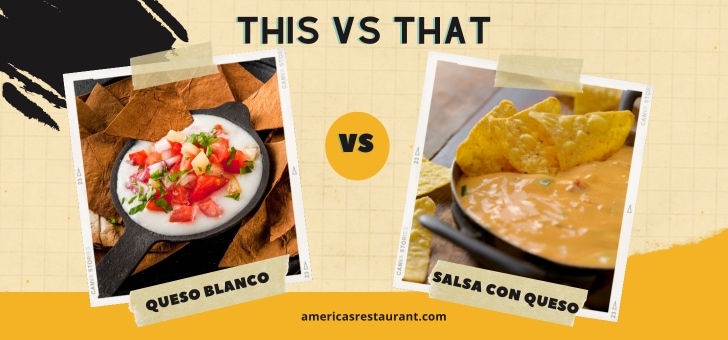
What Is Each One?
Queso blanco is a fresh Mexican white cheese. The name literally means "white cheese" in Spanish.
You make it by curdling milk with an acid, typically white vinegar or lime juice. It crumbles when cold and melts into a smooth, pourable sauce when you apply heat. The flavor is mild and clean, pure dairy with almost no spice. If you want a deeper flavor profile before deciding, read up on what queso blanco actually tastes like.
Salsa con queso is not a cheese at all. It is a dip.
Manufacturers blend processed cheese product with tomatoes, onions, peppers, and chili powder to create a chunky, shelf-stable jar you can open and serve immediately. No cooking required. For a broader look at fresh Mexican white cheeses, queso fresco and queso blanco differences covers the full family side by side.
Texture: Where They Part Ways First
This is where the two diverge most obviously, and it drives every practical use-case difference between them.
Queso blanco melts into a smooth, uniform sauce. It coats food evenly, does not break, and pours cleanly over enchiladas or into soups.
Salsa con queso is thick and chunky. Visible bits of tomato and pepper sit throughout the dip. It scoops rather than pours, holds its shape on a chip, and delivers texture in every bite.
Consistency decides the use case across all Mexican dips. The avocado salsa and guacamole comparison shows the same pattern at work.
- Queso blanco: smooth, creamy, pourable; melts evenly with no chunks
- Salsa con queso: thick, chunky, spoonable; tomato and pepper bits throughout
- Bottom line: smooth coating: queso blanco. Hearty dip: salsa con queso.
Both warm well. Queso blanco needs gentle, low heat to stay smooth. Salsa con queso is forgiving and holds up in a slow cooker for hours without breaking.
Flavor and Heat Level
Queso blanco is mild. Dairy-forward, clean, almost neutral.
That mildness is the point. It complements bold surrounding flavors without competing with them. Crumbled cold on tacos, melted into a sauce for enchiladas, stirred into soup, it adds creaminess without changing the dish's flavor direction. The spice level is essentially zero on its own.
Salsa con queso is a different beast entirely. It is savory and assertive, layered with tomato tang, onion, and real heat from jalapeños or chili pepper.
Most jarred versions land at mild-to-medium heat, but the overall flavor is much stronger and more complex than queso blanco. Some homemade versions use Oaxaca or Asadero as the cheese base. Oaxaca cheese swap options covers what works if you want a cleaner, fresher homemade version.
The flavor gap is wide enough that swapping one for the other in a recipe will noticeably change the dish. Plan accordingly.
Best Uses by Dish
Each one has a clear home. Use this as a quick reference.
- Enchiladas and burritos: queso blanco; melts smooth and coats the filling without overpowering it
- Nachos and chip dipping: salsa con queso; chunky texture clings to chips, bold flavor in every scoop
- Tacos (crumbled topping): queso blanco; crumble it cold for mild, creamy contrast
- Quesadillas: queso blanco; melts cleanly between tortillas without making them soggy
- Party dip setup: salsa con queso; open the jar, warm it, done. Holds heat in a slow cooker for hours
- Soups and casseroles: queso blanco; stirs in smoothly, adds creaminess without competing flavors
For Mexican nights with multiple dishes, having both makes sense. Queso blanco handles the cooking. Salsa con queso handles the table.
If you are still building the spread, the chilaquiles and nachos comparison helps you decide what to anchor the meal around. For finger food pairings, sauces that go with taquitos shows where each dip style fits best. Guacamole often sits at the same table. What pairs well with guacamole rounds out a full appetizer setup.
Nutrition and Ingredients
The ingredient difference matters if you watch sodium or avoid processed foods.
Queso blanco is a fresh cheese: milk, acid, and salt. Natural dairy fat and protein, relatively low sodium.
Salsa con queso uses processed cheese product as its base, which means preservatives, emulsifiers, and added salt. A typical two-tablespoon serving contains 200-350 mg of sodium, significantly more than the same portion of fresh queso blanco. For a closer look at how fresh Mexican white cheeses compare nutritionally, queso fresco and panela compared is a useful reference.
Neither is a health food in large portions. But queso blanco is the cleaner-label option. Salsa con queso trades clean ingredients for shelf stability and convenience.
Buying Guide
These two products sit in completely different parts of the store. That alone tells you what they are.
Queso blanco lives in the refrigerated cheese section, usually near queso fresco, cotija, and other Latin cheeses. Look for a firm white block or a crumbled bag. Check the date and avoid packages with excess liquid pooling inside.
If your store does not carry it, queso blanco swap options lists what to use instead without changing the dish significantly.
Salsa con queso lives in the shelf-stable condiment aisle alongside jarred salsas. Check the sodium per serving. Brands vary widely. Lower-sodium versions taste nearly identical after warming. Once opened, refrigerate and use within 7-10 days.
Three Scenarios: Which One Wins
Still undecided? Here are three specific situations with a clear answer for each.
Nacho night with a group: salsa con queso wins. Open the jar, warm it in a saucepan or slow cooker, and serve. Bold flavor, no prep, handles a crowd.
Weeknight enchiladas or burritos: queso blanco wins. Melt it into a simple cream sauce and pour it over the dish. The mild flavor highlights the filling instead of drowning it. Planning the rest of the meal? desserts that go with tacos covers how to finish a Mexican-themed dinner.
Taco spread with multiple toppings: queso blanco wins, crumbled cold. It adds creamy, salty contrast without turning soft toppings soggy. Salsa con queso would compete with the other toppings rather than complement them. If you enjoy exploring beyond tacos, memelas and sopes differences covers two masa-based dishes where each cheese style plays a distinct role.
Sources
- USDA FoodData Central, Cheese, White, Queso Blanco (FDC ID 171241)
- USDA FoodData Central, Cheese, pasteurized process, American (FDC ID 173413)
Frequently Asked Questions
You can, but the dish will taste noticeably different. Queso blanco is milder and smoother, so you lose the spice and chunky texture. Add a pinch of chili powder and finely diced jalapeño to the melted queso blanco to close the flavor gap when swapping.
Salsa con queso is significantly spicier. It contains jalapeños, chili peppers, and tomato salsa in the base. Queso blanco has no heat on its own. Any spice in a dish comes from what you add separately.
No, but they are close. Both are fresh Mexican white cheeses. Queso fresco is saltier and crumblier. Queso blanco is milder and melts more smoothly. You can use either in most recipes with only minor flavor differences.
Salsa con queso keeps longer: up to 10 days refrigerated, thanks to its preservatives and lower moisture. Fresh queso blanco typically keeps 5-7 days. Wrap it tightly and store it away from strong-smelling foods.