
Most of you might have tasted raspberries as they are one of the popular berries eaten worldwide.
But have you tasted raspberry leaf tea? If not, perhaps this article will help you understand its taste and flavor.
Raspberry leaf tea, also known as red raspberry tea, is known for its pleasant taste and is often compared to black tea.
It has a hint of fruity aroma, which is often overlooked.
This tea is often considered therapeutic as it offers various health benefits.
Want to know more?" and different ways to enjoy this tea.
What is Raspberry Leaf Tea?
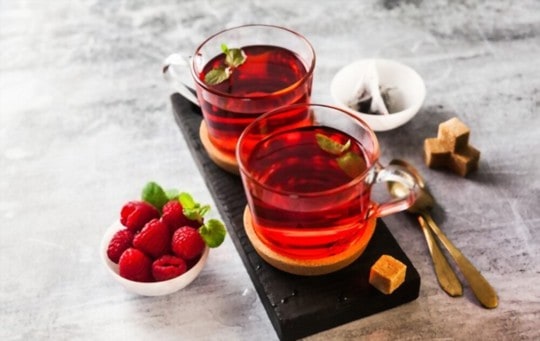
Raspberry leaf tea is made from the leaves of the raspberry plant.
The leaves are finely grounded and dried, thus giving an earthy tone.
This plant belongs to the Rosaceae family and is known by two different botanical names: Rubus strigosus and Rubus ideaus.
Raspberry leaf has different variants, including American red, black, purple, yellow, and European red.
European red raspberry leaves are commonly used to make tea.
The leaves are nutrient-dense, like the fruit of this plant.
It's a therapeutic tea that helps ease your mind and relieve stress.
This tea is quite popular among women as it helps to reduce pain from menstrual cramps and increases fertility.
Various supplements of raspberry leaves are available in the market.
However, most people prefer to have them brewed and drink them.
For a comparison with a very different edible leaf, see gold leaf taste test findings.
Taste Profile of Raspberry Leaf Tea
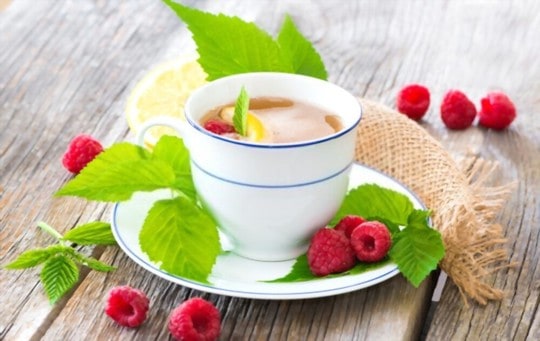
Now we are back to the main topic: "what does raspberry leaf taste like"? Most of you might think that it tastes like raspberries.
However, you'd be surprised to know that this herbal tea tastes similar to black tea with a hint of tartness.
It has an earthy undertone with a grassy note, thus giving a mild and pleasant taste.
Raspberry red tea doesn't taste like its fruit but gives a hint of fruity aroma.
You can add dried or fresh raspberries to improve the flavor and color.
Besides black tea, this tea is reminiscent of hibiscus tea, earl grey, rose hips, and chamomile tea.
Raspberry leaf tea doesn't contain caffeine which you will find in black tea.
Perhaps, this tea would be a great way to cut down your caffeine intake if you want to.
This tea contains important ingredients, and you should be careful if you're on medication.
Also, if you're breastfeeding or pregnant, it would be best to consult a physician before having it.
- The nutritional content of Raspberry leaf tea.
A cup of raspberry leaf tea may not give you sufficient calories; however, it's a source of multiple nutrients.
It's a good source of minerals, including niacin, potassium, magnesium, iron, and vitamins.
If curious how other fruity-tasting botanicals compare, acai berry flavor reveal guide explores a distinct berry profile.
How to Serve Raspberry Leaf Tea?
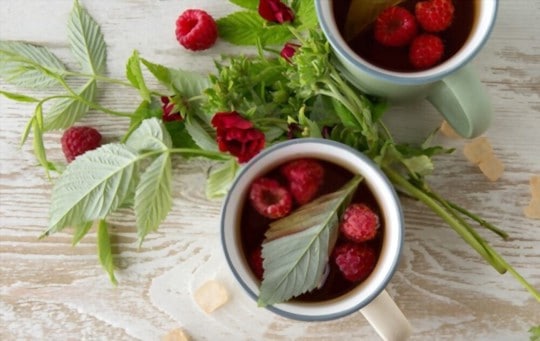
Raspberry leaf tea is a popular herbal tea with multiple health benefits.
The tea tastes good by itself, although it might be slightly bitter.
The fruity aroma makes it better to have this tea as it is.
In addition, raspberry leaf tea makes an excellent base for creating a new blend.
If you're new to this tea, here is how you can prepare a basic raspberry tea:
- Take one tablespoon of a loose red raspberry leaf or one tea bag, whichever is convenient for you, and boil one cup of water.
- Next, add the leaves to the boiling water and let it steep for ten to fifteen minutes.
- Finally, take a strainer to strain the tea leaves. Your red raspberry is ready to drink.
You can have this tea cold if you don't prefer hot drinks.
Here is how you can make cold raspberry tea:
For differences between related berries, salmonberry vs raspberry comparison outlines key distinctions.
- Take one cup of water and let it boil. .
- Use a mason jar or a glass and add one tea bag of a red raspberry or one tbs of loose raspberry leaves. .
- Now pour boiled water over the tea leaves and let it stay for ten to fifteen minutes. For maximum nutrients, you can steep overnight. .
- Cool the tea and remove the tea bag once it's done. .
- Add one lemon or half of an orange to make it more flavorful. These ingredients are a rich source of vitamin C which helps to boost the immune system. You can also add honey which is known to help in digestion. .
Final Thought
Raspberry leaf tea is one of the most popular herbal teas among health enthusiasts.
This tea is packed with nutrients despite having low calories.
The Raspberry plant has been around for centuries and is still prevalent to this day.
Both its fruit and leaf have multiple health benefits.
Most people compare this tea to black tea because of its similarities in taste.
Raspberry leaf tea doesn't contain caffeine, is slightly bitter, and has a fruity aroma.
As we conclude the article, we hope it was helpful and answered your question about raspberry leaf tea and its taste.
Explore a spiced cup with tasting notes in chai latte flavor exploration. A subtler steep is detailed in oolong tea tasting notes.
Frequently Asked Questions
Most of you might have tasted raspberries as they are one of the popular berries eaten worldwide. But have you tasted raspberry leaf tea?
If not, perhaps this article will help you understand its taste and flavor.
Raspberry Leaf Tea has a character that is hard to compare directly. The closest description combines its dominant flavor note with its finish - whether dry, sweet, tart, or smooth.
Does it taste different depending on how it is prepared?
Preparation makes a significant difference.
Raw, roasted, fried, and steamed versions each bring out different qualities - sweetness, bitterness, earthiness, or richness - in the same ingredient.
Yes. Different cultivars, origins, or processing methods produce meaningful flavor differences.
If one version did not appeal to you, trying a different variety is worth the effort.