
Thinking of making some delicious ribs? But confused between ribs and riblets?
You're not alone.
Here, we'll explain the difference between the two, so you can decide which one is best suited for your dish.
With all this helpful information, you'll be able to impress your family and friends with a delicious meal.
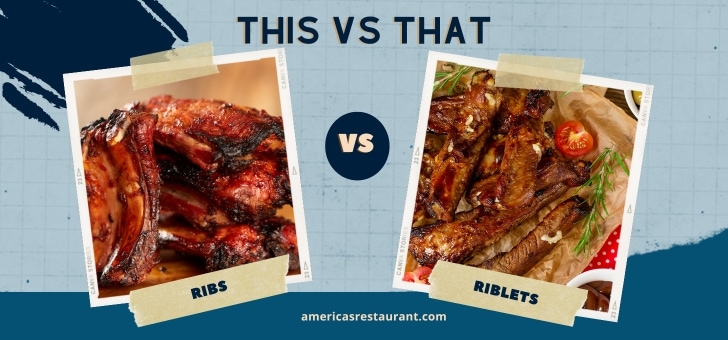
What are Ribs?
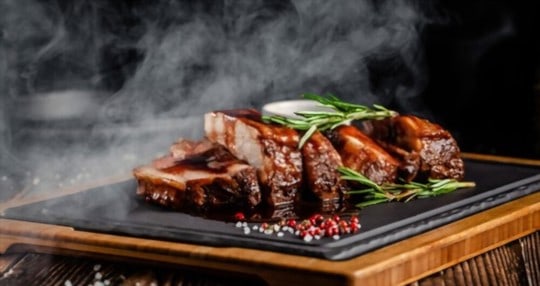
Ribs are a type of meat that comes from the back of animals, typically pigs, cows, and sheep.
They are known for their unique texture, tenderness, and flavor.
Ribs can be cooked in a variety of ways including grilling, smoking or roasting.
Ribs have been a popular food item throughout history as they are easy to prepare and taste delicious when cooked properly.
There are several types of ribs available in the market such as baby back ribs, spare ribs, beef short ribs to name a few.
Each one has its own unique taste.
Pork spare ribs contain around 248 kcalories along with high amounts of protein and fat.
Therefore, they should be consumed in moderation.
Cooking methods for preparing ribs include grilling, smoking or roasting which bring out their distinct flavors and textures making them tempting.
After a rich ribs meal, simple citrus desserts pair well - lemon dessert pairings and ideas suggest complementary flavors.
What are Riblets?
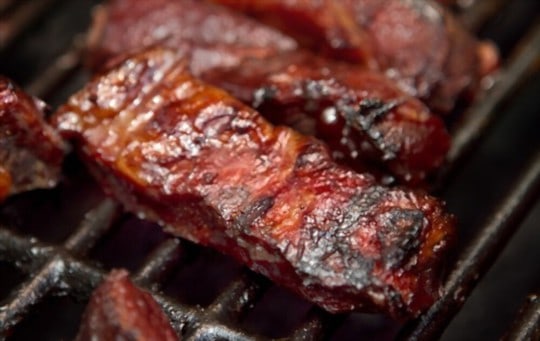
Riblets are a type of meat that is cut from pork, beef or lamb ribs.
These are smaller in size compared to traditional ribs and are often referred to as baby back ribs, spare ribs or St.
The term 'riblets' refers to the small piece of meat attached to the tips of the actual ribs that are removed while preparing traditional ribs.
Riblets have gained popularity due to their tender texture and delicious flavor.
They can be served as an appetizer, main course or snack, depending on the occasion.
People who find it difficult to eat traditional large-sized ribs prefer riblets because these bite-sized pieces do not require any cutting or gnawing through bones.
Also, riblets can be cooked using various techniques such as grilling, baking, smoking or frying.
They can also be marinated with different sauces like barbecue sauce or honey mustard before cooking for an enhanced flavor.
Riblets work great with dipping sauces and chunky dips - guacamole pairing ideas for dishes include several crowd-pleasing combos.
Differences Between Ribs and Riblets
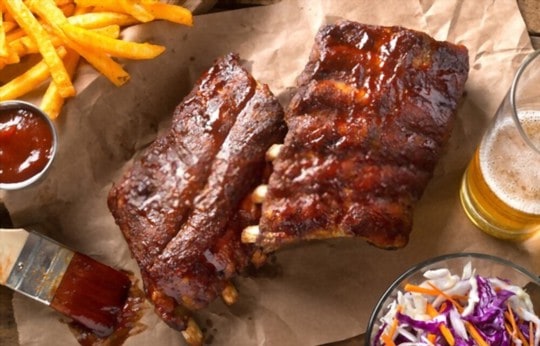
For those who are wondering about the differences between ribs and riblets, here is a breakdown of the characteristics that set them apart from each other.
As you can see, there are several key differences between these two cuts of meat.
The most obvious difference is their size - ribs are larger than riblets, though for a closer look at two common larger cuts see short ribs vs spare ribs comparison.
This means that they usually have more meat on each bone and a higher meat-to-bone ratio.
Ribs also tend to have a stronger, more intense flavor than riblets.
This is partly due to their size and partly because they are often slow-cooked with flavorful BBQ sauces or dry rub seasonings.
In contrast, riblets are typically baked, fried, or grilled with various sauces.
Another significant difference between the two is their origin.
Ribs are taken from larger pork or beef ribs while riblets are cut from smaller pork ribs.
This means that their texture can be slightly different from each other as well.
Overall, both ribs and riblets can be delicious dishes when prepared carefully with the right techniques and ingredients.
Anatomy and Cut
To truly understand the differences between ribs and riblets, it's essential to know their anatomy and cut.
Ribs come from the area between the animal's spine and its breastbone, known as the thoracic vertebrae.
There are typically 13 pairs of ribs on an average animal, with those at the top being shorter than those at the bottom.
The meaty part of the rib is called the ribeye, which sits on top of a layer of fat and connective tissue.
On the other hand, riblets come from short ribs that have been cut into smaller sections.
They are also sometimes referred to as "finger food" or "boneless ribs" because they're smaller than standard-sized ribs but meatier than traditional chicken wings.
Riblets generally come in strips about two inches wide and several inches long.
Smoking, or barbecuing, it's essential to know where different cuts come from on an animal.
Understanding the anatomy and cut of a piece of meat can help you determine what cooking method will work best while allowing you to tailor your seasoning and sauce choices accordingly.
Meat-to-Bone Ratio
Meat-to-bone ratio refers to the amount of meat present on a rib or riblet in comparison to the bone.
This is an important factor that differentiates between rib and riblet cuts.
Generally, ribs have a lower meat-to-bone ratio compared to riblets.
Baby back riblets have a higher meat-to-bone ratio due to being smaller cuts with less bone present.
This means you'll get more meat in each bite when consuming riblets as compared to traditional ribs.
When considering the meat-to-bone ratio, it's essential to consider your preferences regarding the amount of meat and how challenging it may be to eat around the bones on your plate.
Therefore, choosing between ribs and riblets can depend on personal preference for the level of effort required for eating around bones versus getting more meat per serving.
Flavor and Texture
Flavor and texture are two of the most significant factors that affect a person's dining experience, and for an explanation of how concentrated ingredients change taste see extract vs flavor comparison explained.
Whether it is meat, fruit, or vegetables, flavor and texture always work together to create the desired taste.
There are some differences in both flavor and texture.
As we can see from the above table, ribs offer an intense meaty flavor that makes them stand out.
On the other hand, riblets tend to be sweeter due to their small size and proximity to bones.
In terms of texture, however, there is no doubt that riblets score better than ribs as they are much easier to chew.
Everyone has their own personal taste.
Some people prefer juicy and tender meats while others may prefer chewier cuts.
Nonetheless, all diners need food that goes down smoothly without having difficulty chewing it.
Overall, when comparing ribs vs riblets' flavor and texture; we can conclude that each has its own unique benefits depending on individual taste preferences.
Cooking Time and Methods
There are various methods you can use depending on your preferences.
The time taken to cook ribs or riblets usually depends on the cooking technique and the thickness of the meat.
For instance, most people prefer to grill ribs due to the charred flavor that they get from direct heat.
However, slow-cooking ribs in an oven often results in a tender juicy texture.
Low and slow cooking techniques such as smoking or baking are ideal for thicker meats like spare ribs which require longer cooking times.
Alternatively, thin cuts like riblets work well with quick-grilling methods such as broiling or grilling over high heat since they have less fat.
Ultimately, the specific method used for cooking each cut is left up to personal preference.
Experiment and see what works best for you.
In summary, when it comes to cooking times and methods for ribs versus riblets, there isn't a clear-cut answer.
It all depends on the thickness of the meat and your preferred level of doneness.
However, by trying different techniques like smoking, grilling, or even roasting, you can find a method that suits your palate.
In the next section, we'll explore some popular dishes featuring these cuts of meat.
When choosing liquids or pan sauces for ribs, understanding the differences between fortified cooking wines and vinegars can change flavor outcomes - white cooking wine vs white wine vinegar comparison helps clarify which to use.
Popular Ribs and Riblets Dishes and Styles
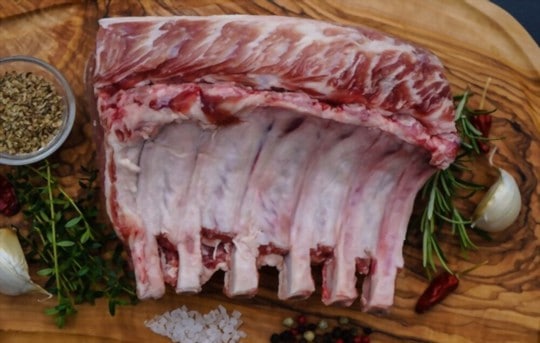
Ribs, and riblets are among the most popular cuts.
The flavors and textures can be bold or subtle, depending on the method of preparation.
Here are some popular dishes and styles for ribs and riblets:
- BBQ-style: This is probably the most famous way of preparing ribs. Meat is first rubbed with a spice blend before being slow-cooked over low heat for several hours. A sauce made from ketchup, vinegar, brown sugar, garlic, and other ingredients is then brushed onto the meat.
- Asian-style: For those who prefer a lighter touch, there's the option of steaming or simmering ribs with herbs like ginger, garlic, and scallions. Flavorful sauces that include soy sauce or hoisin sauce might also be used to go with the natural flavors of pork.
- Dry-rub style: If you're short on time but still want delicious ribs or riblets, try using a dry rub - a mixture of spices such as paprika, cumin, chili powder, salt and pepper - that can be quickly rubbed onto the meat before grilling or baking in the oven.
- Slow-roasted style: For those who prefer tender meat that's easy to eat off the bone without falling apart too easily. This option involves roasting in a low oven (around 250 degrees Fahrenheit) for four to six hours until fully cooked.
There's no shortage of options.
You can try different flavors and styles depending on your preferences.
Whether you like them sticky or dry, spicy or savory, there's a preparation method for everyone.
As you explore different options for preparing ribs and riblets, keep in mind that the flavors will vary based on the type of meat you choose, as well as the specific herbs and spices used in each recipe.
Don't be afraid to experiment with different cuts and cooking methods until you find the ones that work best for you.
Some recipes that call for short ribs can be adapted using short ribs substitute options for recipes when a different cut is needed.
How to Serve Ribs and Riblets?
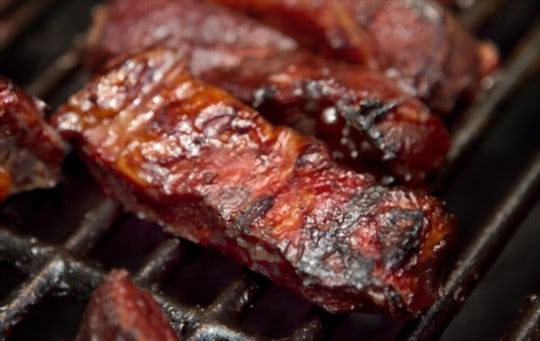
Ribs and riblets are two popular dishes that many people enjoy.
There are a few tips to keep in mind.
When serving ribs or riblets, it's important to remember that they can be messy.
Serving them with sauce on the side is a good idea so that you don't end up with sauce all over your hands.
You may also want to consider adding some garnishes like chopped green onions or cilantro for extra flavor and color.
If you're serving these dishes to a larger group, cutting them into smaller pieces can make it easier for everyone to enjoy.
Don't be afraid to get creative when it comes to sides - mashed potatoes, coleslaw, cornbread - the options are endless.
For easy after-dinner treats at a barbecue, consider compact sweets - single-serve dessert ideas for one that keep portions tidy.
Size and Cut Differences: Ribs vs Riblets
Ribs are bigger and meatier, requiring a longer cooking time, while riblets are smaller and thinner with less meat on them.
Frequently Asked Questions
Here, we'll explain the difference between the two, so you can decide which one is best suited for your dish. They share some similarities but each has qualities that make it better suited for certain recipes.
Often, yes. The two share enough common ground that most palates won't notice a swap.
Ribs is usually milder while Riblets brings more intensity.
Nutritional differences exist but are often minor in typical serving sizes. Neither is universally healthier - it depends on what specific nutrients or dietary goals you are focused on.
Which stores better after opening?
Once opened, one keeps better in the refrigerator with proper sealing.
The other may oxidize or separate more quickly, so using it promptly or in smaller quantities works better.
For side ideas that pair specifically with larger cuts, see short ribs side dish ideas. For classic accompaniments for pork ribs, try baby back ribs side dish ideas.