
Summary of key points
The main difference between ricotta cheese and paneer cheese is in the milk used to make them. Ricotta is made from whey, which is a byproduct of cheese production, while paneer is made from whole milk.
This distinction also affects the texture and taste of the cheeses. Ricotta has a creamy and slightly grainy texture, making it perfect for adding to dishes like lasagna or cannoli.
Paneer, on the other hand, has a firmer texture that holds its shape when cooked and is commonly used in Indian cuisine.
In terms of flavor, ricotta has a mild and slightly sweet taste, while paneer offers a richer and more savory flavor. Both cheeses have their own unique uses and can add delicious flavors to your dishes.
Ricotta and paneer sit at the cheese table like distant cousins. Each has unique traits, yet they share a dairy gene.
First, ricotta hails from Italy, paneer from India. Texture?
Ricotta's smooth, paneer's firm.
We've all had those moments, eyeing these cheeses in the store, puzzled.
Our kitchens have seen both; cheese-stuffed bell peppers and creamy pastas. Mistakes?
Sure. Paneer in lasagna was an experiment gone weird.
Ricotta wins in desserts, hands down. Ever tried it in cheesecake?
Life-changing. Paneer shines in spicy curries.
This isn't just about cheese. It's a dairy duel, a creamy clash.
We're here to guide you through.
To better understand how ingredients contribute taste, see extract vs flavor: difference explained.
What is Ricotta Cheese?
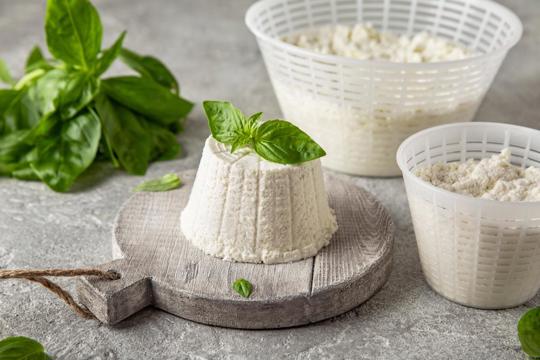
Ricotta cheese is a soft, creamy and slightly sweet dairy product.
It's made by heating the left-over whey from other cheeses, like mozzarella or provolone.
This causes proteins to form curds, which are then strained to separate liquid whey.
The curds are pressed to make ricotta cheese.
Unlike paneer, ricotta cheese has higher moisture content and a lighter texture.
Its creamy texture makes it perfect for savory and sweet dishes.
It's often used in Italian recipes, like lasagna and cannoli filling - see a burrata vs ricotta comparison for choices.
It can blend well with other ingredients due to its mild flavor.
Plus, ricotta cheese has several health benefits.
It's a great source of protein and essential amino acids for muscle growth and repair.
It's also low in fat, meaning it's suitable for those watching their calorie intake.
It's also full of vitamins, like vitamin A, and calcium, which helps support healthy teeth and bones.
Ricotta cheese has a unique texture, versatility in cooking applications, and nutritional value.
It's perfect for pasta dishes or as a spread or dip.
Consider trying this Italian delicacy next time you want to add a touch of elegance to your meal.
What is Paneer Cheese?
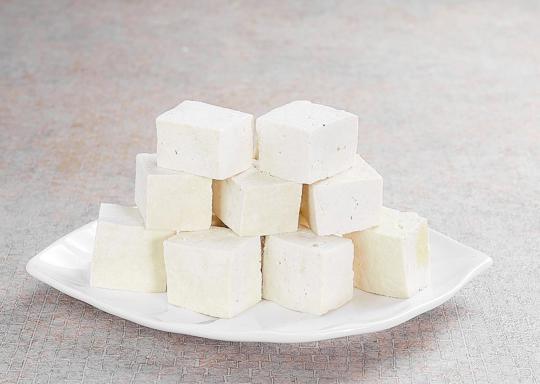
Paneer is a dairy product that is often used in Indian cuisine.
It is made by curdling milk with the help of an acidic component such as lemon juice or vinegar.
The resulting curd is then strained, pressed, and shaped to create a soft white cheese-like product with a slightly grainy texture.
Paneer is commonly used in dishes such as paneer tikka masala and saag paneer, both of which are popular vegetarian options in Indian restaurants.
What sets paneer apart from other cheeses is its ability to hold its shape when cooked, making it an excellent ingredient for grilling or frying.
Paneer is also an excellent source of protein, calcium, and other key nutrients, making it a healthy addition to any meal - compare with paneer vs cottage cheese: nutrition differences.
Key Differences Between Ricotta Cheese and Paneer

Ricotta cheese and paneer are two dairy products, but they're made differently.
A related comparison between similar fresh cheeses can be found in farmers cheese vs ricotta comparison for texture and use.
Ingredients and Preparation
Ricotta and paneer cheese differ in ingredients and preparation.
Ricotta is made from whey, a liquid leftover from other cheesemaking.
The whey is heated, proteins separate, and curds are strained and pressed.
This creates a mild-flavored, creamy cheese.
Paneer is Indian cheese made from whole milk.
Milk is boiled and acid is added to separate curds and whey.
The curds are then pressed into a block.
Ricotta is softer with a mild taste, while paneer is firmer and tangier.
Ricotta is used in Italian dishes for its creamy texture.
It complements sweet and savory flavors.
Paneer is cubed and used in Indian cuisine, such as matar paneer and palak paneer.
Ricotta and paneer are distinct, yet versatile.
Each adds its own flavor to different culinary traditions.
Texture and Consistency
Ricotta and paneer look alike, yet their texture and consistency are different.
Ricotta is creamy and grainy, while paneer is firm and crumbly.
Ricotta's smoothness means it's great for desserts like cheesecakes.
Paneer's sturdiness makes it ideal for grilling or frying.
Ricotta is made using whey, and paneer is made with curdled milk.
This results in each cheese having unique tastes, uses, and culinary applications.
flavor
Ricotta cheese gives a creamy, delicate sweetness to savory and sweet dishes.
It's versatile, working with fruits, veggies, and desserts.
Paneer brings a milky flavor to Indian cuisine.
It absorbs the spices and aromatics of curries and stir-fries.
Ricotta and paneer are both fresh milk cheeses, but different.
Ricotta adds gentle sweetness and creaminess.
Paneer brings richness to Indian cooking.
Ricotta or paneer - choose for a lighter touch or intense Indian flavors.
Culinary Uses
Ricotta cheese and paneer have their own unique culinary uses.
Ricotta is great for pastries and pasta.
Its creamy texture gives a nice contrast to the dish.
Paneer is popular in Indian cuisine.
It can be grilled, fried, or added to curries and gravies for a rich flavor.
It also adds a tasty touch to salads and bread rolls.
Both of these ingredients provide lots of creative cooking opportunities.
Ricotta cheese has some special features.
Its mild flavor makes it perfect for sweet dishes like cheesecakes, tiramisu, and pancakes.
It complements fruit too, like berries and figs, for delicious desserts.
Ricotta is also great for savory dishes.
Mix it with herbs and spices to make dips or spreads for crackers and bread.
Comparing Nutritional Profiles of Ricotta Cheese and Paneer
Ricotta and paneer appear similar, however, their nutrition differs - for another ricotta comparison see feta vs ricotta nutrition and flavor.
Ricotta is made from cow's milk, while paneer is made from buffalo or cow milk.
Both are high in protein and calcium, however, paneer has more fat.
Also, ricotta has more vitamins A and B12 than paneer.
These distinct features show the dissimilarity of each cheese.
As you explore further into their nutrients, you will find more differences between these two tasty cheeses.
Similarities Between Ricotta Cheese and Paneer
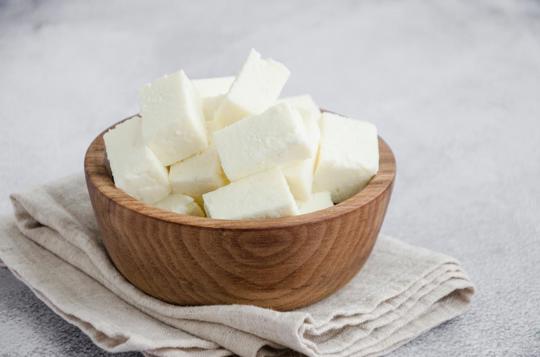
Ricotta cheese and paneer are both popular among foodies.
They both have a creamy texture and mild flavor, making them great ingredients.
They're both made from milk but the methods differ.
Ricotta is made from whey left over from other cheese.
Paneer is made by curdling milk with acid.
The outcome is a curd-like consistency.
This can be used in sweet or savory dishes.
Although there are slight differences, ricotta and paneer offer similar cooking experiences.
You can substitute one for the other in recipes.
For more examples of closely related cheeses, see colby jack vs monterey jack cheese comparison to explore subtle differences.
Recipes Showing the Use of Ricotta Cheese and Paneer
Ricotta cheese and paneer are popular ingredients used in different cuisines.
They have unique textures and flavors which give dishes special touches.
Ricotta cheese adds a creamy richness to Italian recipes.
Lasagna, cannoli, and cheesecake are all made tastier with this cheese's smooth texture.
Paneer is a fresh Indian cheese made from cow's milk.
It has a crumbly texture and a mild flavor that absorbs spices easily.
Indian curries, vegetarian kebabs, and paratha stuffings all benefit from paneer's soft creaminess.
Although ricotta cheese and paneer are used in similar ways, they can't be swapped due to their distinct flavors and textures - see cottage cheese vs paneer cheese: swapping guidance for alternatives.
To conclude, ricotta cheese and paneer are popular ingredients that make recipes more flavorful and delicious.
They can bring creaminess or mildness, depending on your needs.
Ricotta vs Paneer: Cooking Applications
Ricotta and paneer are both delicious and welcome additions to any dish.
They may share similar characteristics, but it's important to get to know the differences between them so you can create the best dishes for your family.
Ricotta cheese is typically made with cow's milk and features a mild flavor that goes great in many types of dishes.
Paneer is harder and denser than ricotta, making it ideal for preparing curry dishes and other rich, spicy favorites due to its high melting point.
So, when creating an incredible meal, you will want to pay attention to the type of cheese you are using - whether it be ricotta or paneer-making sure each contributes positively to the overall flavor.
While both cheeses have their merits, ricotta tends to shine in pastas while paneer works its magic in Indian cuisine.
Ultimately, from pizza topping to curry filling, either cheese could make a stellar addition--it just depends on which flavor you're aiming for.
Frequently Asked Questions
The main difference between ricotta cheese and paneer cheese is in the milk used to make them. They share some similarities but each has qualities that make it better suited for certain recipes.
Ricotta Cheese excels at bringing out depth and richness. Paneer Cheese is better for preserving delicate qualities.
Pick based on what the final dish needs.
Cold preparations like salads and dressings often favor the option with a sharper, more defined flavor. Heat can mellow both, so the distinction matters more in uncooked dishes.
Do professional cooks prefer one over the other?
Professional preference depends heavily on the dish and cuisine style.
Each has its context where it outperforms the other, so most experienced cooks keep both on hand.
buttercream vs cream cheese frosting differences highlights frosting choices for sweet ricotta dishes. cheese toastie vs grilled cheese comparison shows how melt and technique change simple cheese sandwiches.