
Summary of key points
Sago vs Boba distinction is primarily in their source and texture. Sago is made from the pith of various tropical palm trees and is used in many traditional dishes and desserts, presenting a chewy texture.
Boba, or tapioca pearls, is made from the starch of the cassava root, popularized in bubble tea, and is known for its gummy bear-like chewiness. Both are used as textural elements in beverages and desserts.
You're not alone!
Boba tea has exploded in popularity over recent years, but if you ask people about it they can often get confused when trying to differentiate between sago and boba.
People have started using both interchangeably - creating a lot of confusion around these two little delicious pearls.
Sago is made from starch extracted from tropical palm stems while boba is commercially known as tapioca pearls which are derived from cassava root extract.

What is Sago?
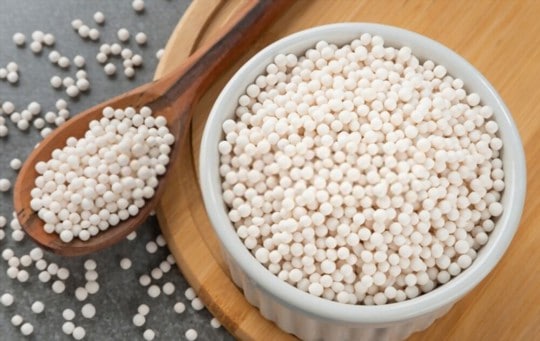
Sago is a starchy substance that comes from the center of sago palm stems, which are native to Southeast Asia.
It's commonly used in cooking and baking as a thickening agent or in desserts like pudding.
The grains of sago are small, white, and similar in appearance to tapioca pearls.
Sago is similar to tapioca pearls in terms of appearance and texture, but they have their own unique flavor.
When cooked, sago becomes soft and chewy but retains a bit of firmness.
It's often used as a thickening agent for soups and stews or added to desserts like pudding or fruit salad.
If you're unfamiliar with sago, it may be helpful to know that it's commonly used in bubble tea drinks.
In this context, the small pearls are called "sago balls" or "sago bubbles.
" They're boiled until they become translucent and then added to the tea or smoothie base.
Sago balls add an interesting textural element to these drinks.
For dessert pairing ideas that complement sago's mild sweetness, see lemon dessert pairing suggestions with nine fitting options.
What is Boba?
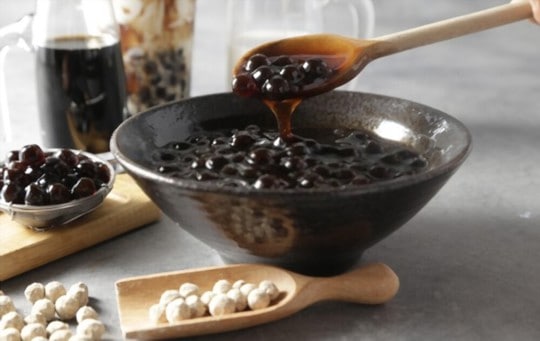
To answer the question "What is Boba?" in a straightforward manner, boba are tapioca balls that are usually found in bubble tea drinks.
They are made from cassava starch and are usually about the size of a marble.
Boba has become increasingly popular worldwide and can now be found in many cafes and restaurants.
Now that we've established what boba is, let's dive deeper into its intricacy.
Boba is an essential ingredient used to create the famous bubble tea drink or also known as milk tea.
It is an additional flavor and texture to enhance tea's drinking experience by adding little chewy tapioca bites into it.
Also, some shops have taken innovation to another level by introducing different flavors such as strawberry, matcha, chocolate and many more for their boba making it even more exciting for customers to try out different types of bubble teas.
For contrasting snack pairings that offset sweetness, what to eat with guacamole suggestions offers combos that work well alongside drinks.
Differences Between Sago and Boba
The Differences Between Sago and Boba can be seen in various aspects.
In terms of their origins, sago comes from Southeast Asia, while boba originated from Taiwan.
Also, sago has a softer and chewier texture than boba, which is slightly harder and more similar to the texture of tapioca balls.
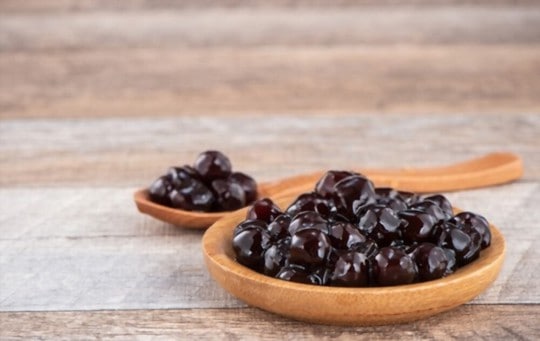
Also, sago pearls have a translucent white appearance compared to boba pearls that are typically dark brown.
Sago does not have an inherent sweet taste but takes on the flavors of whatever liquid it is cooked in or soaked with.
On the other hand, boba is usually infused with syrups or flavors that contribute to the drink's overall taste - see boba taste guide for drinks.
It's important to note that while there are differences between these two types of pearls used in drinks, they can also be interchangeable depending on availability and personal preference.
Origins and Cultural Significance
Sago and boba are two popular ingredients that have gained widespread fame in recent years.
They originated from different parts of the world and, therefore, have varying cultural significance associated with them.
Sago has been used as a traditional staple food for indigenous communities in Southeast Asia for centuries.
It was initially cultivated as an alternative source of carbohydrates when rice harvests failed.
The preparation of sago involves removing starch from the pith of various palm stems or stems of cycads, which is then molded into small balls or flakes.
In some parts of Southeast Asia, sago grubs are also consumed as a delicacy.
In contrast, boba's origins can be traced back to Taiwan in the 1980s when street vendors began adding tapioca balls to their traditional milk tea beverages.
The popularity of this drink soon spread overseas, with bubble tea stores popping up all over the world.
Today, boba has become a global phenomenon enjoyed by people from all walks of life.
The cultural significance associated with sago and boba varies significantly due to their origin and how they were introduced to different cultures.
For instance, sago is heavily ingrained in many Southeast Asian cultures and plays an essential role in ceremonies such as weddings and funerals.
On the other hand, boba has become synonymous with modern-day Taiwanese street food culture.
In summary, understanding the origin and cultural significance associated with sago and boba adds layers to our appreciation of these unique ingredients that have become ubiquitous worldwide.
Ingredients and Texture
Sago and Boba are popular ingredients used in various beverages around the world, especially in Southeast Asia.
These small, round, translucent pearls can be found in a variety of teas, smoothies, and other drinks.
While both have similar appearances, they are made from different ingredients and have distinct textures when cooked.
While both Sago and Boba are easy to cook, they differ significantly in taste and texture due to the materials used to make them.
They also come in varying sizes, which alter their cooking time.
Boba stays mildly sticky on both sides after being cooked while sago has an additional gelatinous coating that results in a more tender texture when bitten into.
In contrast to boba's dark appearance caused by caramelising of sugar content during cooking -- done purposely for tea serving hot or cold -- sago balls are usually transparent with flavors from green tea or fruits like mangoes.
For inspiration on creamy, smooth textures that echo pearl mouthfeel, see vegan hummus recipe roundup.
Preparation Methods
Preparing sago and boba have some similarities and differences.
Both require boiling and soaking in boiling water before consumption, but the cooking time may vary depending on the size of the pearls.
For sago, it needs to be boiled for about 15-20 minutes until it becomes translucent, then rinsed with cold water to remove excess starch.
For boba, cooking time is generally shorter, around 5-10 minutes, but it also requires soaking in syrup or sugar for added sweetness.
Sago and boba can also be prepared by using different methods such as pan-frying or slow-cooking.
Pan-frying gives sago a chewier texture and brown color while slow-cooking makes both sago and boba more tender.
Regardless of the method used, proper handling during preparation is essential to avoid clumping or overcooking.
It's important to follow the instructions on the packaging or recipe to ensure that each pearl is cooked perfectly.
Flavors and Pairings
Sago and Boba may be similar in appearance, but their taste and texture are distinct.
Both have subtle flavors that allow them to mix well with a variety of ingredients - see Mediterranean vegan bowl flavor ideas for complementary combinations.
However, they differ slightly when it comes to the specific flavors and pairings.
Sago is known for its spongy texture and neutral flavor.
It is often paired with sweet ingredients such as palm sugar, coconut milk, or lychee fruit to bring out its light sweetness.
Alternatively, since it has a neutral flavor, it also works well as a complementary ingredient that adds texture to desserts and drinks without altering the overall taste.
On the other hand, Boba's chewy texture makes it perfect for pairing with nutty flavors like almond or sesame.
It is commonly found in drinks such as milk teas or smoothies where the chewiness contrasts with the creaminess of the beverage.
Also, boba can also be used as a topping on shaved ice desserts or mixed in with frozen yogurt.
While each ingredient has distinct flavor characteristics, they can still overlap in terms of pairing possibilities.
For example, both sago and boba can work well when combined with tropical fruit like mango or pineapple.
Similarities Between Sago and Boba
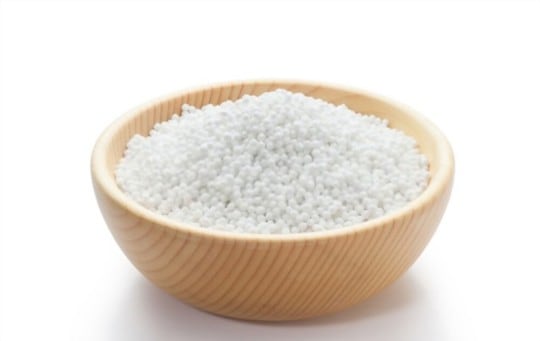
Sago and boba are two popular tapioca-based ingredients used in desserts and drinks.
Despite their differences, they share some similarities that make them interchangeable in certain recipes.
As seen in the table above, sago and boba share several similarities.
One of these similarities is their main ingredient: tapioca starch.
This is what gives both ingredients their signature chewy texture.
Also, both sago and boba can be used as toppings or fillings for desserts or drinks, adding flavor and texture to dishes.
Another similarity between sago and boba is the variety of flavors available - learn more in crystal boba flavor guide.
Both ingredients come in different flavors such as mango, strawberry, matcha, and chocolate.
These variations make it easy to incorporate either ingredient into various recipes without compromising on taste.
Overall, while there are noticeable differences between sago and boba, there are still several similarities that make them comparable ingredients for many desserts or drinks.
Health Benefits and Nutritional Information
The health benefits and nutritional information of both sago and boba are important factors to consider when choosing which one to consume.
Sago contains significantly more calories and carbohydrates compared to boba, which contains higher sugar content.
However, sago also contains some fiber whereas boba does not.
In terms of minerals, both sago and boba contain potassium and calcium although sago has slightly higher amounts of these nutrients.
Note that both sago and boba drinks are often consumed with added sugars and syrups which can significantly increase the overall calorie count and sugar intake.
Overall, while boba may be lower in calories and carbohydrates compared to sago, it still contains added sugars.
It is recommended to consume either in moderation and without added sugars to maximize their potential health benefits.
For a look at an unrelated pantry flavor with distinct savory notes, see nutritional yeast flavor profile explained.
Where to Buy Sago and Boba?
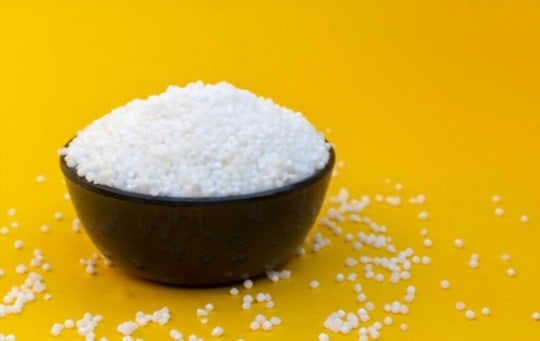
The availability largely depends on your location.
However, there are some common places where you may have luck finding them.
Sago is a staple in East Asian countries and can be found easily in grocery stores or traditional markets in these regions.
If you live in the United States or another Western country, your best bet for finding sago would be to go to an Asian grocery store or shop online.
Boba on the other hand, has become more popular worldwide in recent years and can even be found in mainstream coffee shops like Starbucks.
You can also find boba at specialty tea shops or online.
If you're still unsure about where to find sago or boba near you, a quick search on Google or Yelp can often provide helpful results of local stores that stock these ingredients.
In summary, finding sago and boba largely depends on your location and access to local Asian markets or specialty tea shops.
A Google search can also help locate them.
Comparing Sago and Boba in Beverages
While they may seem similar in appearance and texture, there are some differences between the two.
Note that while sago and boba can be used interchangeably in many recipes, some people may have a preference for one over the other due to their personal taste preferences or cultural background.
Both are delicious options that can add a fun and unique texture to drinks and desserts.
Boba shelf life matters for storage and safety. How long does boba last? storage and safety explains timelines. For flavor context, boba taste guide for drinks describes common flavor profiles.
Frequently Asked Questions
Sago vs Boba distinction is primarily in their source and texture. They share some similarities but each has qualities that make it better suited for certain recipes.
In many recipes, yes. Sago and Boba fill similar roles, though each brings its own character.
Try a small test batch before committing to a full swap.
Availability varies by region. One is usually a standard grocery store item while the other may require a specialty or international market depending on where you live.
Can a beginner tell the difference by taste?
In a side-by-side tasting, yes.
The difference becomes less obvious when mixed into a recipe with other ingredients.
Most people notice the distinction more clearly on its own.