
Summary of key points
The primary difference is in their composition. Tonkatsu refers to a Japanese dish consisting of breaded and deep-fried pork cutlet.
Tonkotsu, on the other hand, is a type of broth made from boiling pork bones for several hours, which gives ramen its characteristic creamy consistency.
Yeah, we've been there too. One's a breaded, deep-fried pork cutlet; the other, a rich pork bone broth for ramen.
Easy mix-up, right?
Here's a confession: once, we ordered tonkatsu, expecting a steaming bowl of ramen. What arrived was a crispy pork cutlet.
A delicious mistake, but not what we craved.
Tonkatsu isn't just a meal; it's a crunchy, savory experience that makes you want to dance in your seat. On the flip side, tonkotsu is like a hug in a bowl - warm, comforting, and deeply flavorful.
Our mission? To clear up this confusing conundrum once and for all.
No more mix-ups. No more wrong orders.
Just pure, unadulterated food joy.
Ready to dive in?
What is Tonkatsu?
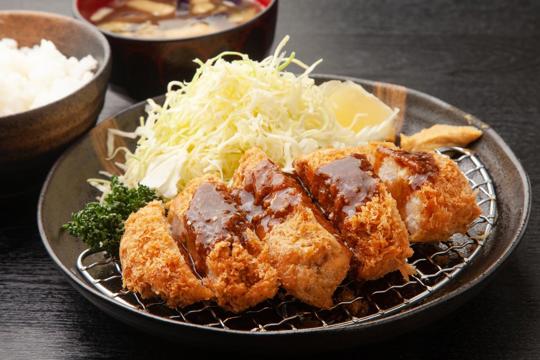
Tonkatsu is a Japanese specialty.
Its name is made up of two parts - "ton" for pork, and "katsu" meaning cutlet.
It's usually served with shredded cabbage, rice, and a tangy sauce called tonkatsu sauce.
Making delicious tonkatsu requires careful preparation.
Pork cutlets are first coated in flour, then egg, and finally breadcrumbs.
The cutlets are deep-fried until golden and crispy.
This creates a juicy and tender interior, with a crunchy coating.
Tonkatsu can be made with other meats such as chicken or beef.
There are different styles, depending on the region.
Nagoya-style tonkatsu is thicker, and usually served with miso-based sauce.
What is Tonkotsu?
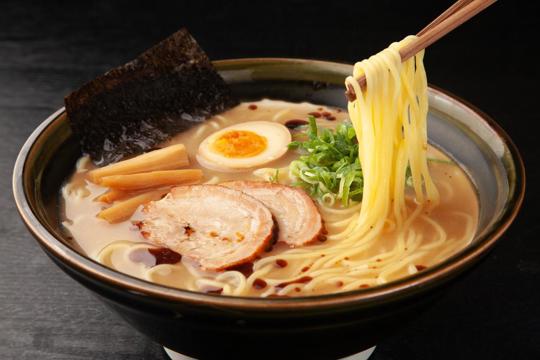
Tonkotsu is a tasty, rich broth from Japan.
It's made by simmering pork bones for hours.
This produces collagen which gives it a creamy, velvety texture.
Tonkotsu is the base for ramen soup, adding a great umami flavor.
Toppings like chashu, nori, and marinated eggs make this traditional dish even better.
Tonkotsu is now popular around the world.
So, next time you slurp a bowl of ramen, remember the flavorful taste comes from tonkotsu broth.
Differences Between Tonkatsu and Tonkotsu
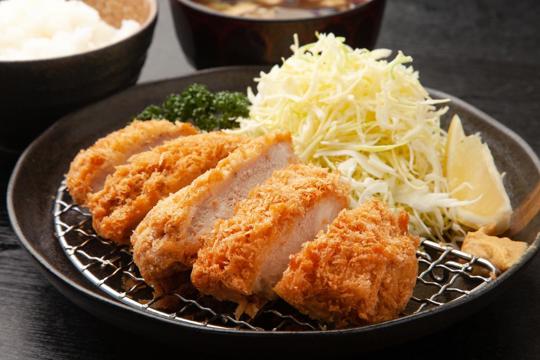
Tonkatsu and Tonkotsu - two dishes that sound alike, but are totally different.
Origin
Tonkatsu and Tonkotsu can be traced back to Japan.
Both have distinctive histories and culinary traditions.
They involve pork, but differ in terms of preparation, flavors, and regional variations.
Tonkatsu, or "pork cutlet," originated in the 19th century Meiji period.
It was heavily influenced by European breaded cutlets.
Tonkatsu was first introduced in Tokyo's Ginza district, by a French chef.
Over time, it became part of Japanese cuisine and developed its own characteristics.
On the other hand, Tonkotsu is a creamy pork broth, mainly used in ramen.
It originated in Kyushu - a region known for flavorful cuisine.
To make Tonkotsu, pork bones are simmered for hours until the collagen-rich gelatin is released, creating a thick and creamy broth.
Tonkatsu and Tonkotsu are different dishes.
Tonkatsu is usually a deep-fried pork cutlet, served with cabbage, rice, and tonkatsu sauce.
Tonkotsu is had as a filling bowl of ramen, topped with ingredients like Chashu, green onions, nori, and tamago.
Ingredients Used
Tonkatsu and Tonkotsu have differences not only in their names, but also in the ingredients used.
Tonkatsu, a Japanese food, is made by coating pork with breadcrumbs.
Then deep fry it to make it crispy.
The pork is the essential ingredient.
It needs to be the right cut of meat for tonkatsu to be tender and flavorful.
Pork loin or pork tenderloin works best as they are lean and have a delicate texture.
Tonkotsu is a pork broth for ramen.
Boiled pork bones, like trotters or ribs, are simmered for hours until the collagen and marrow are released.
This makes a velvety base for the soup.
Onions, garlic, ginger, soy sauce, and mirin are additional ingredients.
Pork is the main ingredient in both dishes.
Tonkatsu is about the fried breaded pork cutlet.
Tonkotsu is about the umami-rich broth from simmered pork bones.
When eating out or cooking at home, understand the ingredients and choose between tonkatsu or tonkotsu.
Preparation Method
Tonkatsu and Tonkotsu may sound the same, but they are two distinct dishes in Japanese cuisine.
Both recipes use pork, yet their flavors and cooking techniques make them unique.
Preparing Tonkatsu is simple; here's how:
- Choose tender pork fillets or loin chops.
- Dredge with flour, dip in eggs, then coat with breadcrumbs.
- Fry in hot oil until golden brown.
- Rest on paper towels to remove excess oil.
- Serve with cabbage, rice, and tangy sauce.
Creating Tonkotsu is different.
Follow these 5 steps:
- Simmer pork bones in water for hours.
- Skim off impurities that surface during cooking.
- The broth forms the base of Tonkotsu ramen.
- Cook ramen noodles according to package instructions.
- Garnish with pork belly, green onions, nori seaweed, and egg.
Tonkastsu is deep-fried, while Tonkotsu involves slow-cooking pork bones for a creamy broth.
Pork can be enjoyed in numerous ways in Japanese cuisine.
Culinary Uses
Tonkatsu is a Japanese dish made from breaded and deep-fried pork cutlets.
It usually comes with tonkatsu sauce, shredded cabbage and rice.
Tonkotsu is a type of ramen broth made from boiling pork bones for several hours.
Tonkatsu is a main course.
Its exterior is crispy while the inside is juicy.
Tonkatsu sauce adds a tangy and savory flavor.
Shredded cabbage provides a refreshing crunch and rice completes the meal.
Tonkotsu is used as the base broth for ramen.
Boiling pork bones for hours creates a thick and cloudy soup with intense umami flavors.
Ramen is made with noodles, chashu (pork), green onions, nori (seaweed) and ajitsuke tamago (marinated soft-boiled egg).
These two dishes have different preparation methods and taste profiles.
Tonkatsu has a crunchy texture and flavorful sauce.
Tonkotsu provides a rich and velvety broth.
Both show the versatility of pork in Japanese cuisine.
Similarities Between Tonkatsu and Tonkotsu
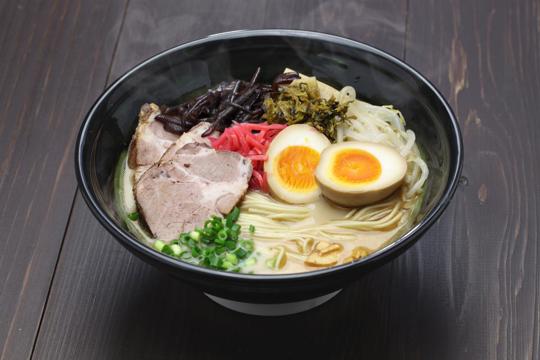
Tonkatsu and Tonkotsu may sound similar, but they're actually two distinct Japanese dishes.
Both use pork as the main ingredient, making them popular for those who enjoy it.
Plus, both offer a rich experience in terms of flavor and texture.
Preparation-wise, there are similarities too.
Both involve frying the pork - Tonkatsu is breaded and deep-fried, while Tonkotsu is simmered in a flavorful broth.
This gives the meat a tender, juicy texture.
As for sides, you'll usually find rice or noodles with either dish.
Rice goes well with the oiliness of Tonkatsu, while noodles absorb the flavors of Tonkotsu's creamy broth.
But there are also differences.
The main ingredient is different - Tonkatsu has fried pork cutlets, whereas Tonkotsu has a pork bone broth.
Also, each dish has a different regional origin.
Tonkatsu was created in western Japan during the Meiji era, while Tonkotsu originates from Hakata city in Fukuoka prefecture and features a milky-white broth.
Flavor and Texture Comparison
Tonkatsu and Tonkotsu are two Japanese dishes with some key differences.
Tonkatsu is a deep-fried pork cutlet with a crunchy crust and a moist, tender interior.
This adds extra richness to the juicy meat.
Whereas Tonkotsu is a pork-based broth used in ramen.
It's made by simmering pork bones until their collagen and marrow are released.
This makes for a thick, creamy soup with an intense umami flavor.
Although both Tonkatsu and Tonkotsu involve pork, they're very different in terms of preparation and presentation.
Tonkatsu is fried, making a crispy exterior that holds juicy pork inside.
Tonkotsu slowly cooks the pork bones to extract every flavor, creating a rich broth.
How to Enjoy Tonkatsu and Tonkotsu
Tempt your palate with Tonkatsu and Tonkotsu - popular Japanese dishes.
- Pick Your Dish - Start by choosing your preferred type of Tonkatsu - a deep-fried pork cutlet breaded in crispy breadcrumbs. Select from loin or fillet. Then, pair it with tonkatsu sauce, steamed vegetables, shredded cabbage or rice. Yum.
- Try Tonkotsu Ramen - To make Tonkotsu Ramen, begin by picking your desired noodle thickness. Simmer pork bones until they release their flavor. Top with slices of chashu pork belly, ajitsuke tamago, nori seaweed, and bean sprouts.
- improve the Flavor - Tonkatsu and Tonkotsu Ramen can be made even more delicious with condiments. Add pickled ginger or karashi mustard for a hint of tanginess to Tonkatsu. To Tonkotsu Ramen, top with garlic paste (mayu), sesame seeds, or spicy chili oil (rayu).
- Experiment. - For a unique twist, try creative variations of Tonkatsu and Tonkotsu Ramen. Incorporate different ingredients or cooking techniques to introduce exciting new flavors and textures to your dining experience.
Distinguishing Tonkatsu from Tonkotsu Broth
Tonkatsu and Tonkotsu are two different dishes that use pork as an ingredient, but the method of preparation differs greatly.
When preparing either one, make sure you don't forget the accompanying sauce.
Paired with the right seasoning and seasonings, the flavors really come alive and dance on your palate.
With Tonkatsu's crisp exterior and perfectly cooked interior coupled with Tonkotsu's creamy broth-based delight, whatever you choose is sure to be a comforting yet distinctive treat for you and your friends or family.
I'm sure it'll be a unanimous favorite no matter what.
Frequently Asked Questions
The primary difference is in their composition. They share some similarities but each has qualities that make it better suited for certain recipes.
Sometimes. Tonkatsu works where Tonkotsu is called for in certain dishes, but not all.
Check whether the recipe relies on a specific quality before substituting.
Cold preparations like salads and dressings often favor the option with a sharper, more defined flavor. Heat can mellow both, so the distinction matters more in uncooked dishes.
Do professional cooks prefer one over the other?
Professional preference depends heavily on the dish and cuisine style.
Each has its context where it outperforms the other, so most experienced cooks keep both on hand.