
The closest alternatives to Lime Zest are Lemon Zest, Lime Peel, Orange Zest, Lime Juice, and Lemon Extract.
Lemon zest could be your kitchen BFF?
For cooking, Lime Peel also works well - adjust the amount to taste since it may be slightly stronger or milder.
Running out of lime zest isn't the end of the cooking session.
In fact, it's a chance to get creative in the kitchen. Who knew?
Substitutes can save a dish and introduce you to flavors you hadn't considered.
We've got the scoop on the top 5 alternatives that'll keep your recipes zesty and impressive.
Ever thought lemon zest could be your kitchen BFF?
Or that a sprinkle of lemongrass could improve a dish in a pinch?
We're here to guide you through these game-changing swaps. No lime zest?
No problem.
5 Zest Alternatives for Lime Flavor
Lime zest, with its bright and tangy flavor, adds a refreshing kick to various dishes such as desserts, cocktails, and savory recipes.
However, if you find yourself without lime zest or need a suitable substitute, there are several alternatives available.
| Substitute | Key Characteristics | Proper Ratio |
|---|---|---|
| Lemon Zest | Bright and citrusy with a slightly sweeter flavor compared to lime zest | Use an equal amount of lemon zest as a substitute for lime zest |
| Lime Peel | The outermost layer of a lime that contains zest, providing a similar tangy flavor | Use an equal amount of lime peel as a substitute for lime zest |
| Orange Zest | Sweet and aromatic with a hint of bitterness, can add a unique and complementary flavor to dishes | Use an equal amount of orange zest as a substitute for lime zest |
| Lime Juice | Tangy and acidic, provides a similar citrus flavor but lacks the texture and intensity of lime zest | Use ½ to 1 teaspoon of lime juice as a substitute for the zest of one lime |
| Lemon Extract | Concentrated lemon flavor, provides a strong citrus punch but lacks the texture and freshness of zest | Use ½ teaspoon of lemon extract as a substitute for the zest of one lime |
Now, let's explore each substitute in more detail:
1 - Lemon Zest

Something about lemon's bright, acidic flavor can liven up a dish.
Whether you're using the juice, the pulp, or the zest, lemons add a blast of flavor that can brighten up even the most mundane meal.
And while lemonade may be the first thing that comes to mind when you think of this tart fruit, there are endless possibilities for cooking with lemons.
From savory dishes like rosemary chicken to sweet treats like lemon bars, this flexible fruit can add a touch of flavor to any dish.
- Key Characteristics: Lemon zest offers a bright and citrusy flavor with a slightly sweeter taste compared to lime zest. It can provide a similar zing to dishes.
- Proper Ratio: Use an equal amount of lemon zest as a substitute for lime zest. Adjust the quantity based on personal preference and desired level of citrus flavor.
2 - Lime Peel
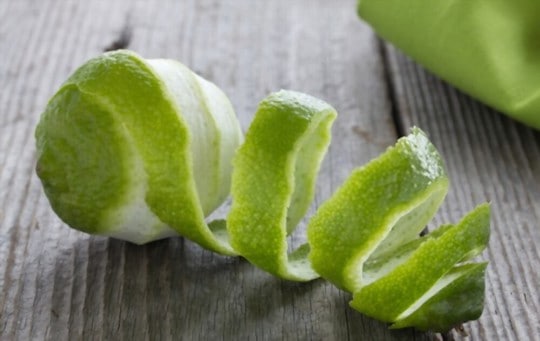
You may be surprised to learn that lime peel can be used for more than just making garnishes.
The lime peel has several uses that range from cleaning to cooking.
For example, you can use the lime peel to clean your sink or bathtub.
The peel's natural oils will help break down dirt and grime, leaving your surfaces sparkling clean.
You can also use the lime peel to add flavor to your food.
Whether you're grilling fish or making a batch of salsa, a little lime peel can go a long way in terms of taste.
So the next time you're about to throw away a lime peel, think twice - it may be more useful than you realize.
- Key Characteristics: Lime peel refers to the outermost layer of a lime, which contains zest and provides a similar tangy flavor to lime zest. It is a suitable substitute in recipes.
- Proper Ratio: Use an equal amount of lime peel as a substitute for lime zest. Adjust the quantity based on personal preference and desired level of zestiness.
3 - Orange Zest
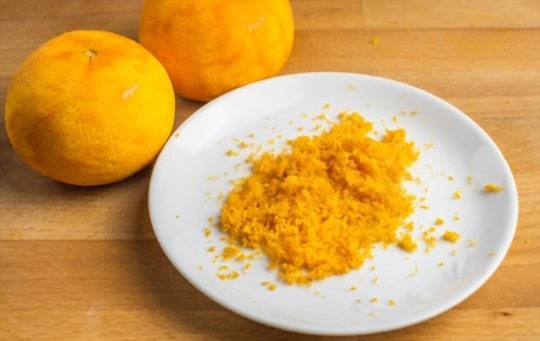
One of the simplest ways to add great flavor to any dish is to use orange zest.
This flexible ingredient can add a tart sweetness to salad dressings, bright citrus notes to baked goods, or even a zesty kick to savory dishes.
And best of all, orange zest is incredibly easy to make at home.
Use a grater or zester to remove the outermost layer of an orange peel.
The zest can then be used fresh or stored in an airtight container for future use.
- Key Characteristics: Orange zest offers a sweet and aromatic flavor with a hint of bitterness. It can add a unique and complementary flavor to dishes as a substitute for lime zest.
- Proper Ratio: Use an equal amount of orange zest as a substitute for lime zest. Adjust the quantity based on personal preference and desired level of citrus complexity.
4 - Lime Juice

Lime juice is a flexible ingredient that can be used in various dishes.
Whether you're looking to add a tart flavor to a savory dish or want to make a refreshing cocktail, lime juice is a perfect choice.
In addition to its culinary uses, lime juice also has several health benefits.
For example, it's a good source of Vitamin C, which can help to boost the immune system.
It's also been shown to aid in digestion and can help to prevent kidney stones.
- Key Characteristics: Lime juice is tangy and acidic, providing a similar citrus flavor to lime zest. However, it lacks the texture and intensity that zest offers.
- Proper Ratio: Use ½ to 1 teaspoon of lime juice as a substitute for the zest of one lime. Adjust the quantity based on personal preference and desired level of acidity.
5 - Lemon Extract
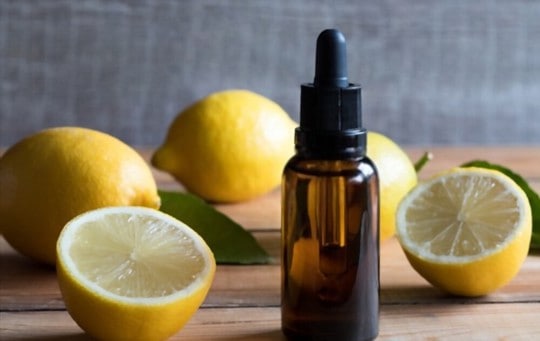
Lemon extract is a popular flavoring agent used in many different foods and beverages.
It is made by extracting the essential oils from lemon peel, and it has a strong citrus flavor.
Lemon extract is often used to add a tartness to baked goods, and it can also be used to flavor sauces, marinades, and dressings.
In addition to its culinary uses, lemon extract can also be used for its health benefits.
Research has shown that lemon extract can help to boost the immune system and fight off infections.
It can also help to detoxify the body and improve digestion.
As a result, the lemon extract is a flexible ingredient that can be used for culinary and health purposes.
- Key Characteristics: Lemon extract is a concentrated form of lemon flavor, providing a strong citrus punch. However, it lacks the texture and freshness that lime zest offers.
- Proper Ratio: Use ½ teaspoon of lemon extract as a substitute for the zest of one lime. Adjust the quantity based on personal preference and desired level of lemon essence.
Frequently Asked Questions
lemon zest could be your kitchen BFF? Use it at a 1:1 ratio in any recipe that calls for Lime Zest.
Yes, and the results are often hard to tell apart. Lemon Zest is the go-to replacement.
For variety, Lime Peel adds its own twist to the dish.
Sometimes. Blending two partial substitutes - one for flavor and one for texture - gets closer to the original.
This works best when neither alone fully replicates what you need.
Not always. Some substitutes are processed or have a strong raw flavor that disappears with heat.
Check whether the original is typically used raw before assuming the substitute will work the same way.