
Bonito Flakes are a unique part of Japanese food culture, not just for cats but for humans too.
Bonito Flakes might mean something completely different in the world of an anime fanatic.
The rising anime 'Jujutsu Kaisen' might have intrigued you into finding out more about the different Japanese foods and how they taste.
So, what do Bonito Flakes taste like?
If you would like to know more about this well-loved Japanese food item, we encourage you to read on.
What are Bonito Flakes?
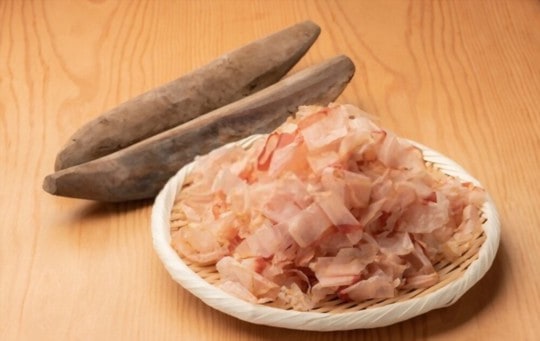
Bonito flakes or Katsuobushi are thinly shaved pieces of simmered and smoked fish - see Katsuobushi vs Bonito comparison to learn how they differ.
They are fermented flakes of fish that are used in various dishes.
They can be made from fish such as bonito, a type of fish that is a close relative of the mackerel, or skipjack tuna.
Some people have a false belief that they are alive.
But these flakes are very lightly sliced, and if they are placed on warm food, they will move about, seemingly alive.
These bonito flakes are derived from very much dead fish and have a long creation process.
They are widespread in dishes within the Japanese cuisine, being prominent members of dishes like miso soup and soba.
The fish is sliced, and the fillets are smoked in wood such as oak or pasania for a month.
The last stage of Bonito Flake production is sun-drying them while they set in with the mold, and finally, they are shaved.
What Do Bonito Flakes Taste Like?
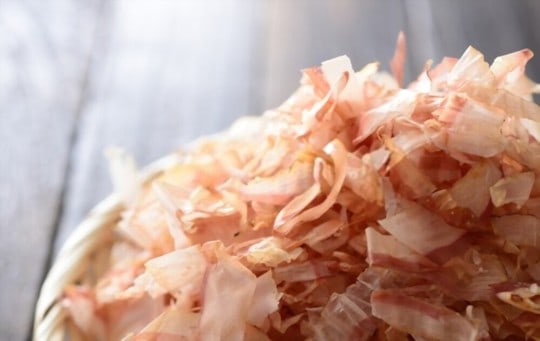
When you ask people what Bonito Flakes taste like, they will say "Umami".
Umami, one of the five tastes of foods, is categorized as savory or meaty.
It translates to "savoriness," and foods that provide intense umami flavors are meat, tomatoes, fish, cheese, etc.
Now that we know Bonito Flakes have a savory taste, let's dive deeper into its flavor.
The primary descriptors would be smoky, fishy, and salty.
The glutamic and inosinic acid in the flakes make it savory in taste.
Owing to these acids, their flavor is particularly deep and complex.
The flavor holds a resemblance to that of dried fish or bacon.
Some even say Bonito Flakes taste like fish jerky.
Instead of being chewy, it's almost feathery in texture as it is sliced super thin.
So, they are added as toppings to most dishes to boost their taste.
Aroma plays a significant role in the Bonito Flakes' world.
Creating the bonito flakes takes time and involves smoking and drying the fillets.
This process, including the mold that is added in as it ferments, brings the scent to the table.
The unique scent helps the Bonito Flakes taste savory and delicious.
These flavorful additives are not just high in the number of fans they gather but also in nutrients.
Amino acids, iron, and calcium are the essential sources of the healthy distribution of protein and minerals in the body.
They are also high in vitamin B, which helps with mental fatigue and high blood pressure.
They can also be anti-aging militants and weight managers.
For a contrasting fruit flavor profile, see acai berry taste guide for contrast.
How to Cook and Use Bonito Flakes?
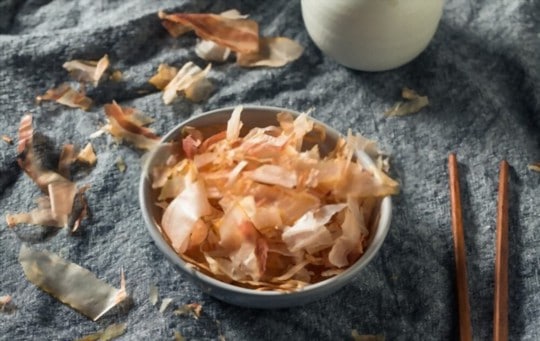
Bonito Flakes are found abundantly in sealed bags in retail stores.
So, it is very common for them to be eaten as a packet of potato chips, right out of the bag as a light snack.
You can enjoy them like this while curled up on the sofa, watching your favorite shows.
Sealed bags are best used before a specific time, as the air can impact their taste and shape.
However, if you are storing the Bonito Flakes in the freezer, you can use them while alternatively keeping them as you use them.
If you bought a bag of Bonito Flakes, there are various uses for them.
You can have them as a topping with other items such as dried seaweed powder or aonori.
You can use these as toppings for dishes like savory pancakes, rice, grilled meat, or even octopus balls.
You can use them as fillings too, like in the well-known Japanese rice balls or Onigiri.
Dashi, which is a base for soup and sauce, uses Bonito Flakes as the main ingredient.
You can use them as a seasoning ingredient.
From dishes like miso soup or a bowl of ramen, you can use these flakes to uplift any dish.
Bonito Flakes also brighten quick vegetable sides - try quick veggie sides in 12 minutes for fast pairings.
Taste and Uses of Bonito Flakes
Bonito flakes may mean 'negative or no' in Jujutsu Kaisen, but they are actually positive in every way in the real world.
-loved by Japanese people, they have grown outside of the Asiatic country and intertwined with other food cultures throughout the years.
The taste of the thin flakes makes people and their cats drool for more.
They can be used in a wide variety of ways with many dishes or simply eaten from the bag on their own.
Tofu and noodles are the best combinations to pair with Bonito Flakes, but you can always trust rice balls garnished with some flakes to improve your day.
Onion preparations differ depending on form - see onion flakes vs minced onion comparison for how they change recipes. Heat level and texture vary between crushed and flaked chiles; crushed red pepper vs chili flakes guide breaks down the differences.
Frequently Asked Questions
The rising anime 'Jujutsu Kaisen' might have intrigued you into finding out more about the different Japanese foods and how they taste. So, what do Bonito Flakes taste like?
In this article, we will focus on what they are precisely, their taste profile, and how you can serve them.
Freshness matters. Bonito Flakes tends to have a brighter, more pronounced taste when fresh.
Stored or aged versions may develop mellower or slightly different flavor notes.
Significantly. Younger or less ripe versions are often sharper, more astringent, or more bitter.
As it matures, flavors typically mellow and deepen into something more complex and approachable.
Texture and taste are inseparable. A pleasant texture encourages slower eating and better flavor perception.
Off-putting textures - too mushy, too fibrous, or unexpectedly gritty - can make even good flavors less enjoyable.