Sea urchin tastes sweet, briny and rich, with a smooth, custard-like texture.
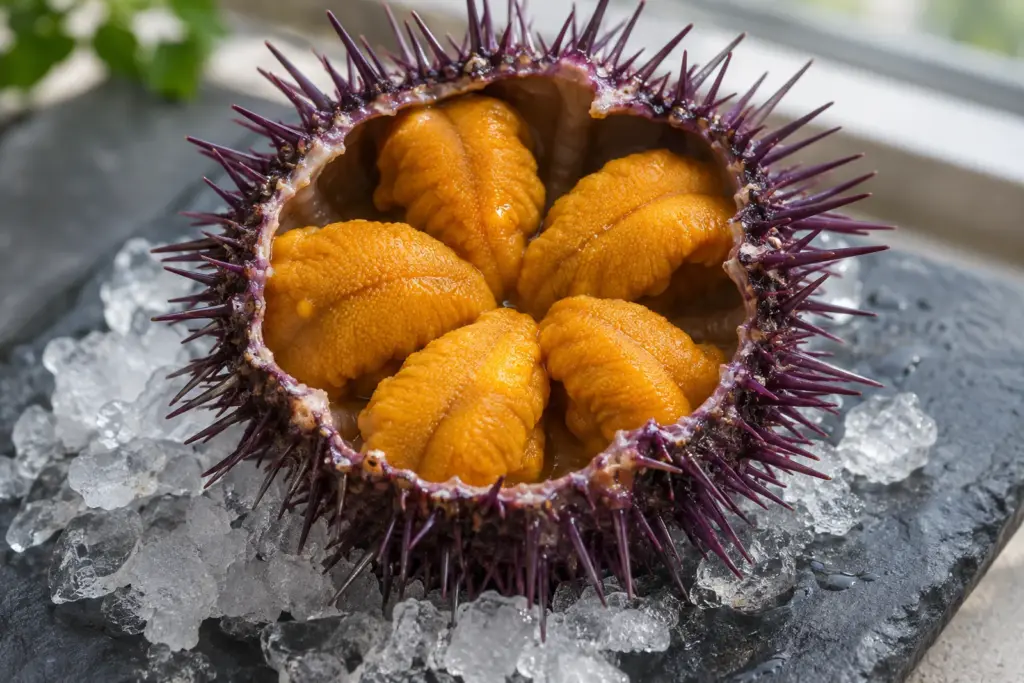
- You eat only the gonads, called uni, five golden lobes inside the shell.
- Fresh uni smells clean, like the ocean, not fishy.
- A bitter or metallic taste usually means old uni or alum.
- Uni is usually eaten raw, so people at higher risk of food poisoning should skip it.
Whether you love or hate uni often comes down to the tray in front of you, because fresh uni and tired uni taste very different. Among the unusual ingredients in our food flavor guides, sea urchin has the strangest looks and a surprisingly soft, mild-mannered taste once you get past the spines.
1. What Does Sea Urchin Taste Like?
Uni tastes sweet and salty at the same time, a little like seawater softened with butter. Maine Sea Grant describes it as a sweet, ocean-like flavor with a buttery texture, and Just One Cookbook adds that it is slightly slimy, which is how soft custard feels before you chew it.
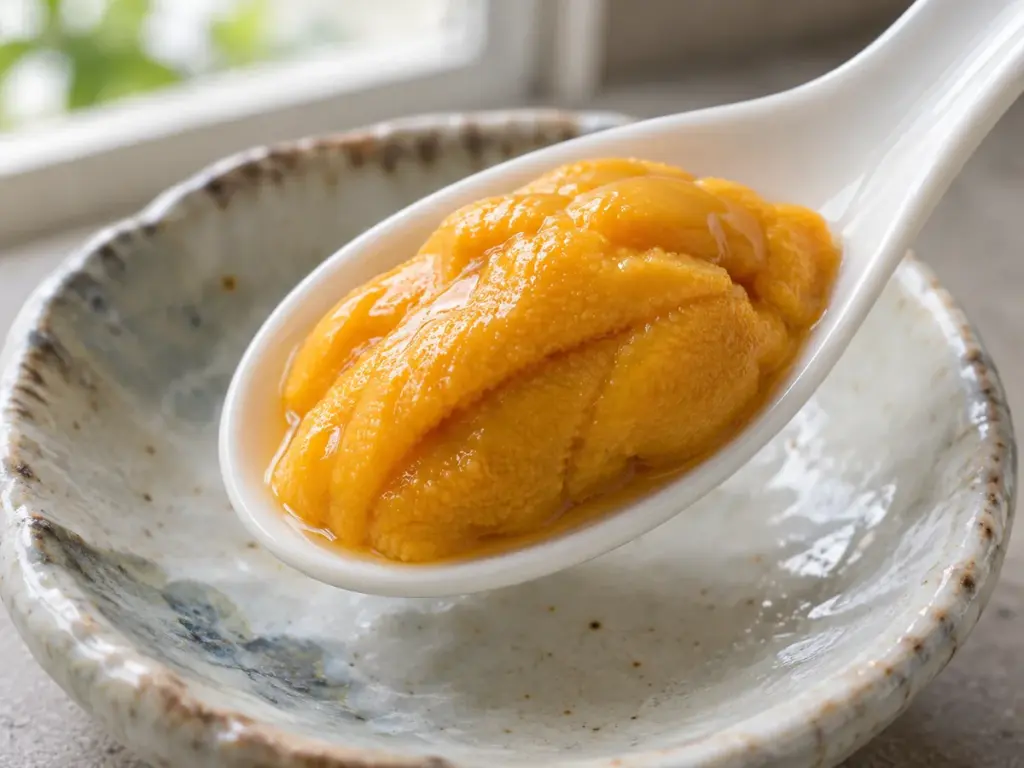
- You notice a gentle sweetness first, followed by a salty, mineral edge that tastes like sea air.
- The texture is smooth and creamy. The California Sea Urchin Commission wants good uni to feel firm like cold butter, so a lobe keeps its shape on the spoon and then melts as it warms.
- The finish is a mild, lingering savoriness, the same kind of umami richness you taste in aged cheese or dried seafood.
Many cooks compare uni to oysters, and if you already enjoy a raw oyster's salty, mineral taste, how oysters taste will tell you whether the briny side of uni feels familiar. The creaminess is a bigger step than oysters, and you may notice sweetness more than salt, much as you do in sweet raw scallops.
Just One Cookbook calls uni an acquired taste: people tend to love it or dislike it, so a small first taste on sushi rice is a safer start than a full spoonful.
2. What Part of a Sea Urchin Do You Eat?
You eat only the gonads, the reproductive organs, which Maine Sea Grant describes as five edible, golden-yellow lobes inside the shell. California harvesters take both males and females, and the lobes are what the menu calls uni. Many menus also say "sea urchin roe", but uni is soft gonad tissue and not a mass of eggs, so it is creamy where fish roe such as tobiko is a pile of separate eggs that pop.
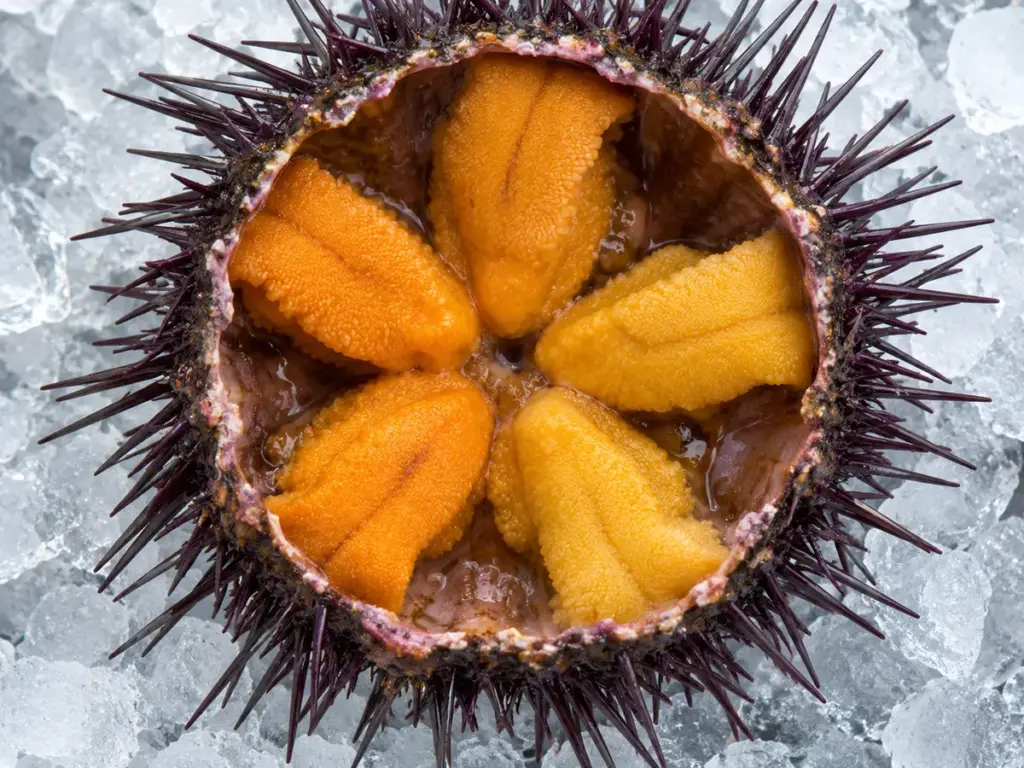
Sea urchins also differ by species and where they grow, and the names on a menu or tray usually point to one of these:
- Red and purple urchins from California (Mesocentrotus franciscanus and Strongylocentrotus purpuratus) are the two species the California commission lists for its fishery. Fish markets such as Fulton sell wild-caught Santa Barbara uni, hand-harvested near the Channel Islands.
- Green urchins from Maine (Strongylocentrotus droebachiensis) are the species Maine Sea Grant describes, and they carry the same sweet, briny, buttery character.
- Murasaki uni from Japan is the most common Japanese type, mustard yellow inside with a clean, mildly sweet taste. Just One Cookbook says kita-murasaki from Hokkaido is sweeter and more delicate.
- Bafun uni from Japan is smaller and darker orange, with a stronger savory taste that can be slightly bitter. The same source calls Hokkaido's ezo-bafun rich and sweet.
What the urchin ate matters as much as its name. The California commission credits a diet of giant and bull kelp for its sweet, crisp, clean flavor, and a Nofima feeding trial on green sea urchins found that more protein in the feed made the gonads taste more bitter. Sea cucumber is a close relative in the same animal group, but you eat its body wall, so it tastes and feels different, as the sea cucumber taste guide describes.
3. What Do Uni Grades and Colors Mean?
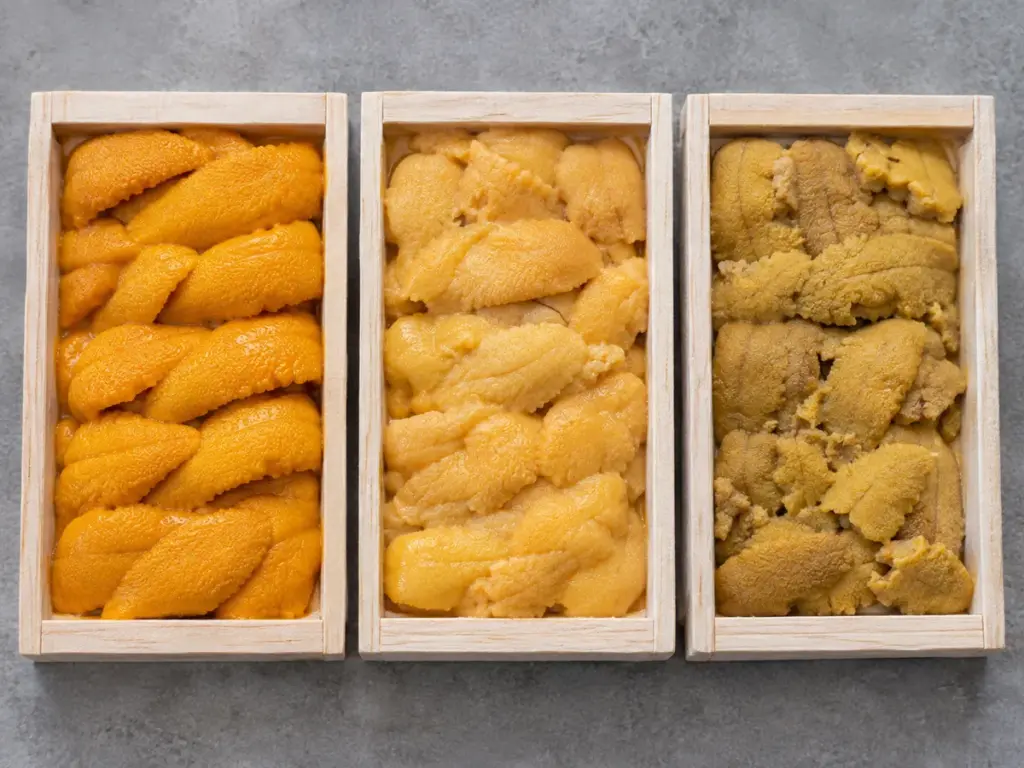
Uni is graded by color, firmness and how whole the lobes are, and brighter and firmer costs more. The California Sea Urchin Commission sorts uni into three grades, and the old letter names are in parentheses:
| Grade | Color | Taste and texture | Used for |
|---|---|---|---|
| California Gold (formerly A) | Bright gold, yellow or orange | Sweet and buttery | Top-quality sushi |
| Premium California (formerly B) | Gold, yellow or orange, less brilliant | Crisp and nutty | Sushi, soups and salads |
| Select California (formerly C) | Yellow and orange, sometimes tending toward brown | Softer, creamy and more neutral | Soups, sauces and mixed dishes |
Color tracks flavor in this scheme, so a tray that looks dull and brownish will taste flatter than a bright one. Other processors set their own grades from size, color and texture, so judge a tray by how it looks and feels and not only by its letter.
4. How Can You Tell If Uni Is Fresh?
- Bright gold, yellow or orange color
- Firm lobes that keep their shape
- A salty, clean ocean scent
- A sweet, buttery taste with no bitterness
- Dull, discolored or grainy lobes
- Watery or leaking liquid in the tray
- A fishy smell
- A bitter or metallic taste
These cues come from Maine Sea Grant's buying advice and the California commission, which says high-quality uni has a salty, clean ocean scent.
Fresh uni also keeps for a short time: Fulton Fish Market says sea urchins last only a few days out of water, so buy it for the day you plan to eat it. Maine's harvest seasons change from year to year, and Maine Sea Grant points shoppers to the state's Department of Marine Resources for current dates.
Why Does Some Uni Taste Bitter or Metallic?
Age is one cause and alum is another. Maine Sea Grant notes that some packaged uni is soaked in an alum-salt solution to keep it fresh, and Tasting Table reports that alum helps the lobes keep their shape but eventually gives uni a metallic flavor and a strong fishy taste as it wears off. If your first uni tasted harsh, an old or alum-treated tray may be the reason you disliked it, and not uni itself.
5. How Is Sea Urchin Served?
Most uni is served raw or only barely warmed. These are the common ways you will meet it:
- Sushi: a lobe goes on rice as nigiri, or inside a band of nori as gunkan maki, and Just One Cookbook says fresh uni is often eaten with only soy sauce and a little wasabi. The difference between nigiri and sashimi is the rice, so uni served alone in a dish counts as sashimi.
- Rice bowls: uni piled on warm rice is called unidon, and kaisen-don is the same idea with other raw seafood on top.
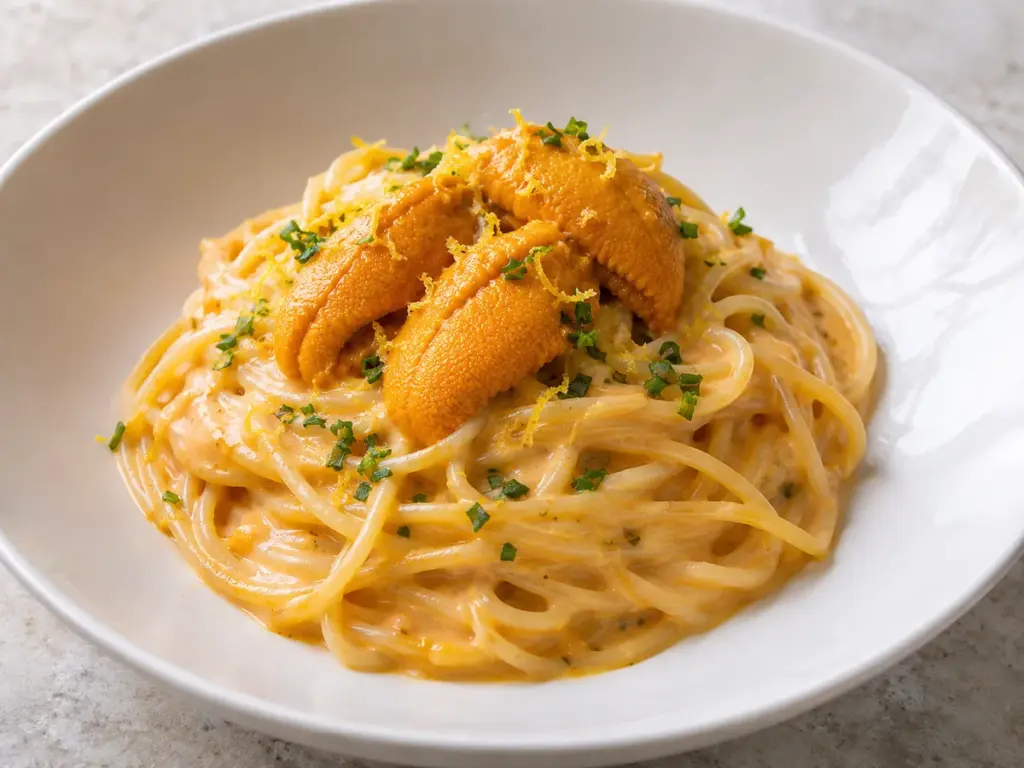
- Pasta: you toss uni into hot spaghetti so the heat melts it into a creamy sauce, and Maine Sea Grant suggests garlic, lemon and herbs with it.
- Soups and custards: a spoonful of uni can top chawanmushi, the Japanese steamed egg custard, or enrich soups and other seafood dishes.
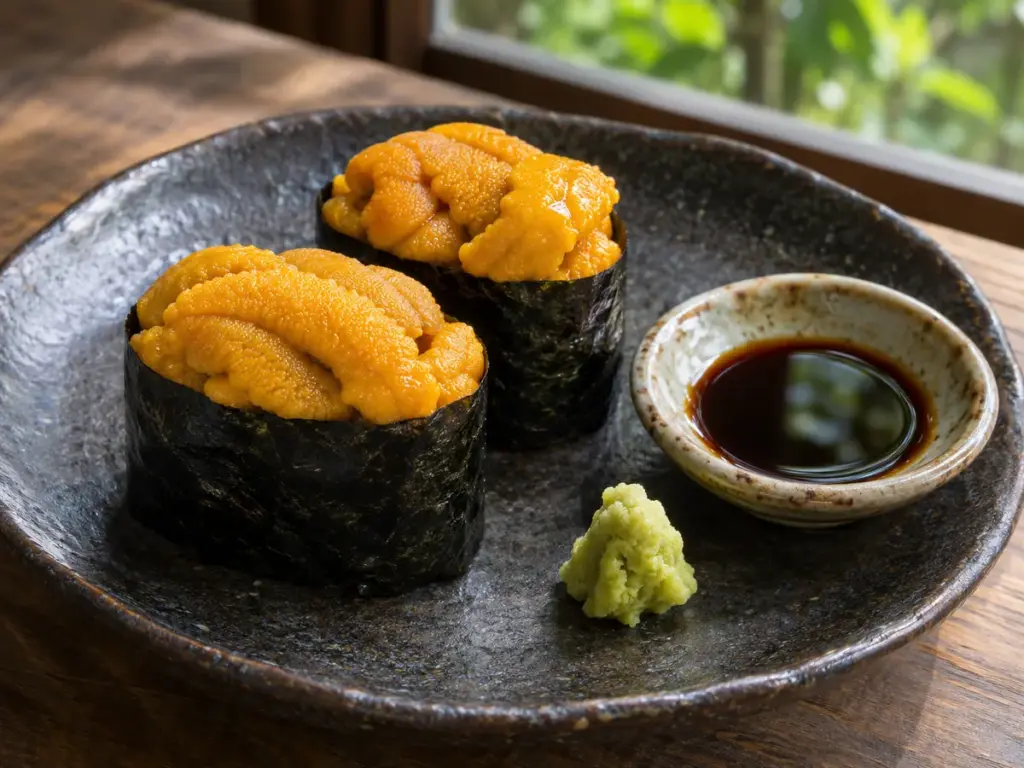
A plate of uni sushi goes well with miso soup, pickled ginger and other sushi side dishes such as tamagoyaki. When the custard texture is what puts you off, abalone, another prized shellfish, has a much firmer chew.
6. Is Raw Sea Urchin Safe to Eat?
The FDA says people at higher risk of foodborne illness are advised to avoid eating or tasting raw or undercooked fish and shellfish. That group includes pregnant women, children under 5, older adults, and people with cancer, diabetes, HIV/AIDS, an organ transplant or an autoimmune disease.
The FDA's list names raw oysters, clams, mussels and scallops and does not name sea urchin, but because uni is eaten raw, we would follow the same advice if you are in one of those groups.
Sources
- Maine Sea Grant, Maine Seafood Guide: Sea Urchin
- California Sea Urchin Commission, About Urchin
- U.S. FDA, People at Risk of Foodborne Illness
- Just One Cookbook, Uni (Sea Urchin)
- Tasting Table, The Chemical Used to Preserve Uni
- Fulton Fish Market, Your Essential Guide to Uni
- Nofima, Sensory Quality of Gonads from the Green Sea Urchin Fed Different Diets

Food writer at GustoMeadow. Writes ingredient substitutes, food comparisons, taste guides and storage guides for home cooks.
Storage and food-safety numbers follow USDA, FDA and university extension guidance.