
In a smoker, you wrap meat in heavy-duty aluminum foil, and for cold storage you reach for freezer paper, plastic wrap or a vacuum bag.
- Wax paper has no place in a smoker or oven, since Reynolds says it melts.
- Pink butcher paper is unwaxed and rated to 300°F, while foil leaves a softer bark.
- Butcher paper suits short fridge storage only.
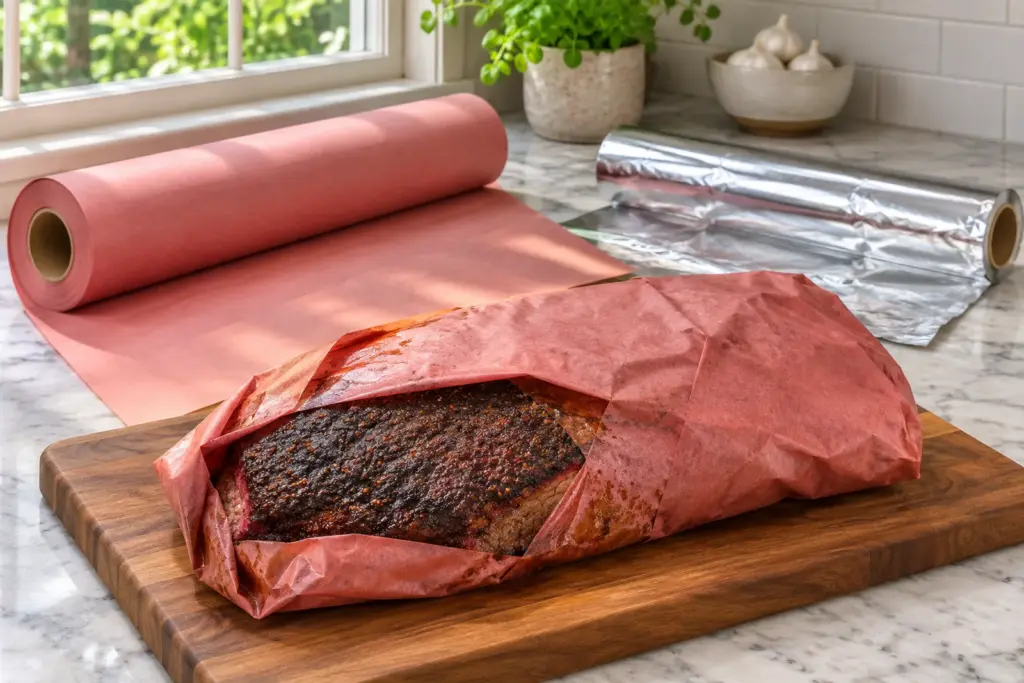
Butcher paper does two separate jobs, wrapping meat in a smoker and holding raw meat for a few days in the fridge, and you need a different stand-in for each. If you have run out, the safe stand-in depends on how hot the job gets, as with most ingredient and kitchen-tool swaps.
What Does Butcher Paper Do in a Smoker?
You wrap a brisket or pork shoulder partway through the smoke to get it past the stall, a long pause in the meat's temperature. This wrap is called the Texas crutch, and it goes on once the bark looks firm and dark.
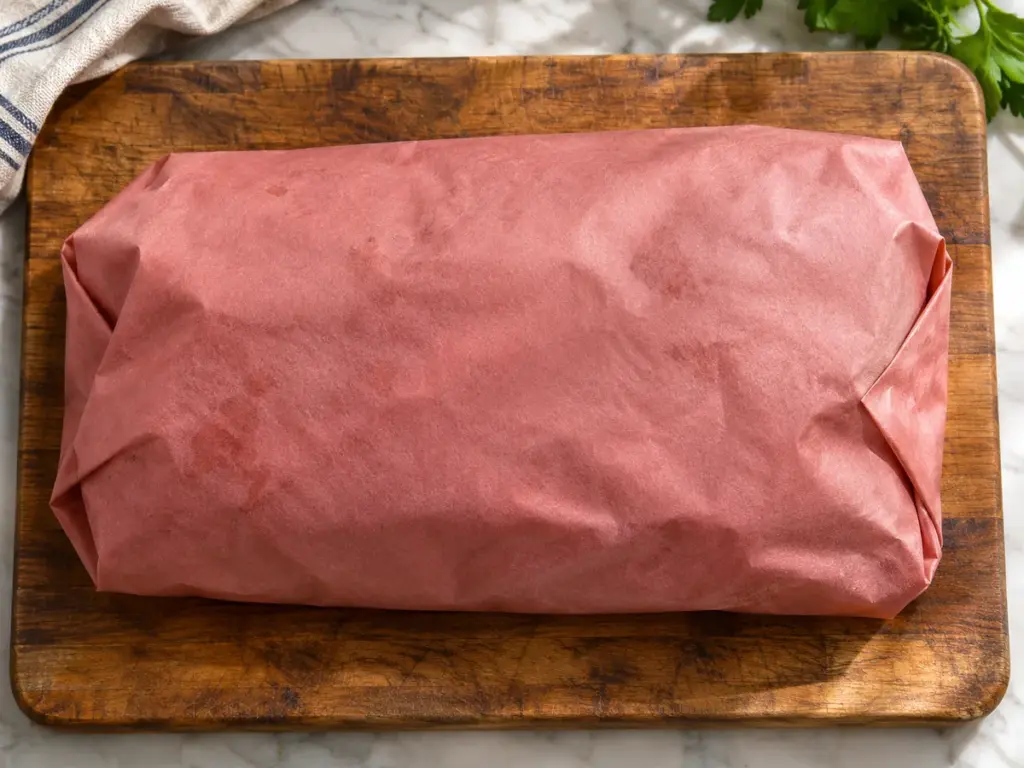
With butcher paper, some smoke gets through and you get a drier bark, and Traeger says it still speeds the cook, though foil is the surer way to beat the stall. Smoked BBQ Source adds that paper is not heat reflective, so you do not need to adjust the cooking time.
With foil, the tight seal makes the meat braise in its own juices, and Reynolds says that extra moisture can soften the bark. Outside the smoker, butcher paper also rests meat before serving and covers food in the microwave, two jobs Reynolds lists.
You want unwaxed, unbleached pink paper, which Reynolds describes as food-grade kraft paper rated for smokers and ovens up to 300°F.
Above 300°F, Reynolds says foil is the wrap to use, and butcher paper does not belong on a grill or near open flame.
If you see "peach paper" for sale, Smoked BBQ Source says it is a nickname for pink butcher paper, but technically peach paper is a form of steak paper, so you check the label before you buy.
5 Best Substitutes for Butcher Paper
You pick by the job, since the first two swaps handle heat and the last three handle cold storage.
| Swap | Best For | Limit |
|---|---|---|
| Heavy-duty foil | Smoker wraps | Works above 300°F |
| Parchment | Oven finishes | Oven only, up to 425°F |
| Freezer paper | Freezer | Cold only |
| Plastic wrap | Fridge | Cold only |
| Vacuum bag | Long freezing | Cold only |
1. Heavy-Duty Aluminum Foil
Heavy-duty foil is the original Texas crutch wrap, so it is the closest swap when you cook a brisket in a smoker. Traeger tells you to lay two arm-length sheets on top of each other, set the brisket on them and wrap as tightly as possible once the meat reads 165 to 170°F (Reynolds gives 160 to 170°F).
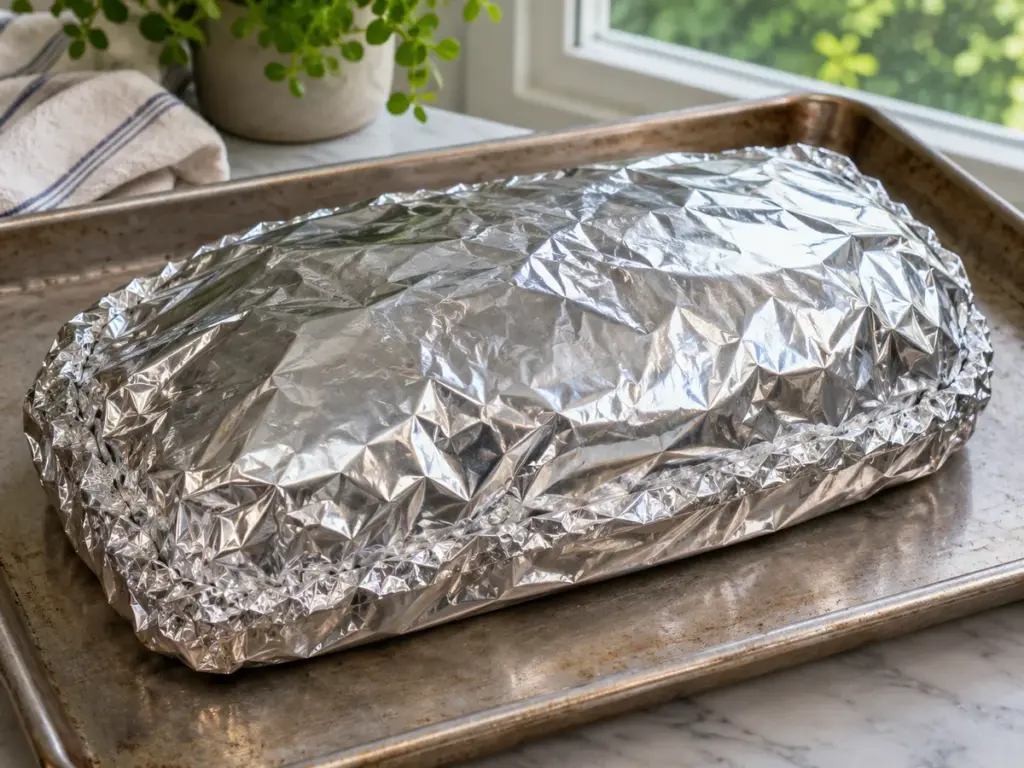
Foil's tight seal speeds the cook, so Traeger has you probe through the wrap every 30 minutes, then every 15 minutes once the meat reads 190°F. When the bark has gone soft, Traeger says to unwrap at the target temperature and cook at about 225°F to re-crisp it.
If you are out of foil as well, parchment or silicone sheets can line a pan, but silicone cannot wrap meat at all.
2. Parchment Paper
Parchment works only if you finish the meat in an oven. Reynolds rates it oven-safe up to 425°F, well above smoker temperatures, but Reynolds says to avoid parchment in grills and smokers because of open flame and long periods of heat.
- Reynolds advises keeping the sheet off the racks, sides, top and bottom of the oven.
- For a large cut, you can use two overlapping sheets with the seams folded over, an adaptation of Reynolds' butcher paper double wrap, since Reynolds gives no parchment method for meat.
3. Freezer Paper
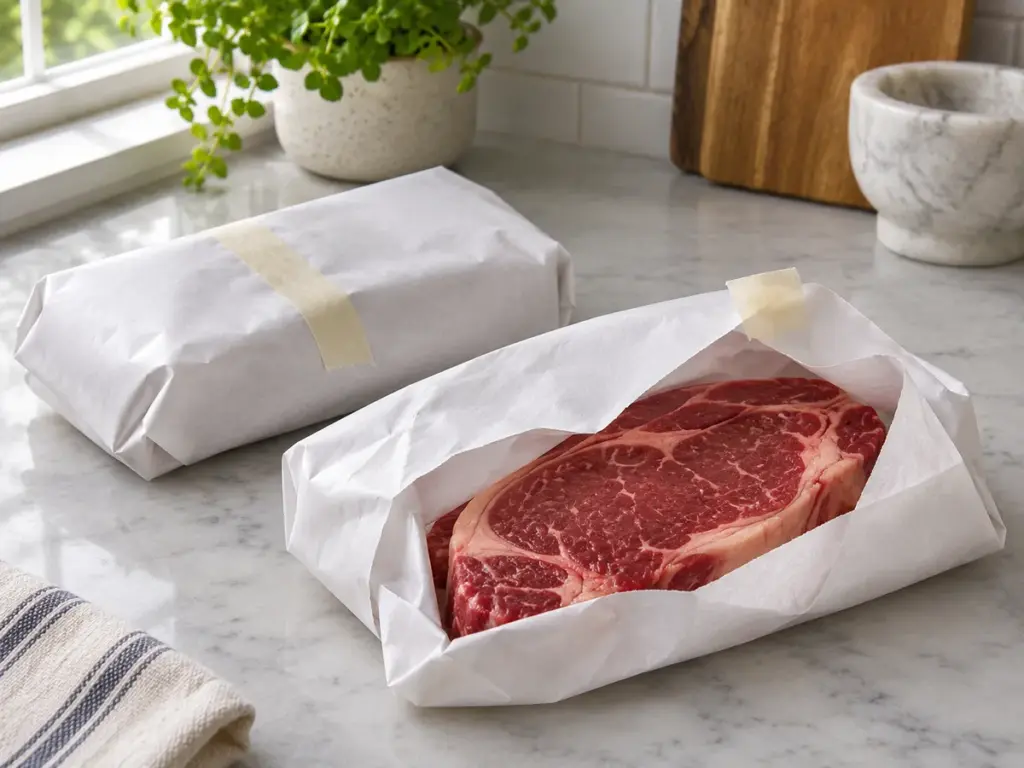
USDA describes freezer paper as white paper coated on one side with plastic to keep air out of frozen food, which protects against freezer burn and moisture loss. The coated side goes against your meat, and you fold the edges over and tape the seam.
The plastic coating means freezer paper and butcher paper do not swap in heat, and Reynolds lists freezer paper as "not intended for heat applications". Reynolds also says butcher paper should not be used to store food in the freezer.
4. Plastic Wrap
Plastic wrap is the quickest swap when you want to hold meat for a few days in the fridge. USDA lists it among the airtight wraps for the freezer too, so you can wrap the meat snugly, press out the air and add a second layer of foil or freezer paper if it will stay frozen for weeks.
Supermarket meat can go into the freezer in its store wrapping, but that wrap lets air through, so USDA recommends overwrapping it for longer storage.
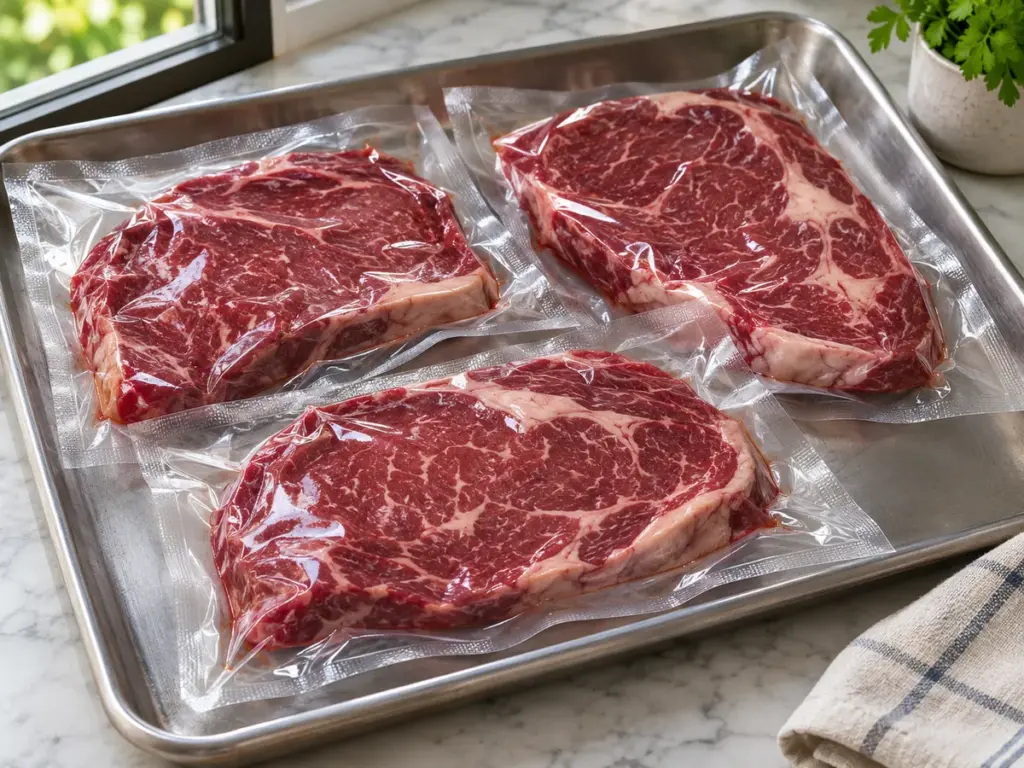
5. Vacuum-Seal Bags
USDA says freezer burn happens when air reaches the surface of the food, and a vacuum bag removes most of that air if you own a sealer. Freezer burn only dries out the meat and does not make it unsafe, so you can trim the dry patches off before or after cooking.
With one meal's worth per bag, you thaw only what you plan to cook, and a date written on the bag lets you check it against the freezer times below.
How Do You Finish a Wrapped Brisket or Pork Shoulder?
After you wrap the meat as in item 1, it goes back in a smoker held at 225 to 250°F, and Reynolds gives these finish points:
- Brisket: you cook it to about 202°F in the thickest part, then rest it wrapped on a baking tray for 30 minutes, which Reynolds says seals in the juices.
- Pork shoulder: you wrap it at 160 to 165°F once the bark is firm and starting to crack, and it is done at 202 to 205°F.
- Ribs: you wrap them at the 165°F stall, after about 3 hours of smoking.
While the brisket rests for 30 minutes, you can put out sides such as corn on the cob and apple carrot slaw.
Pork shoulder, one of the usual brisket stand-ins, takes the same wrap when you have no brisket.
How Long Does Wrapped Raw Meat Last?
Reynolds recommends butcher paper for short-term fridge storage of meat, fish and wild game. The times below are USDA FoodKeeper figures for raw meat, and the fridge numbers assume your fridge holds 40°F or colder.
| Raw Meat | Fridge | Freezer (Best Quality) |
|---|---|---|
| Steaks, chops and roasts | 3 to 5 days | 4 to 12 months |
| Ground beef | 1 to 2 days | 3 to 4 months |
The freezer times are about quality, since USDA says food kept at 0°F or below stays safe and only the taste and texture drop during long storage.
Can You Wrap Meat in a Kitchen Towel?
A kitchen towel is a poor wrap for raw meat, because it soaks up the juices and spreads them to whatever it touches next.
Can Butcher Paper Replace Parchment Paper?
For most baking, butcher paper is a poor swap, because Reynolds says to avoid it above 300°F since food can stick, so a 350°F cookie sheet needs parchment.
If parchment is the paper you ran out of, you can bake on silicone mats, foil and greased pans instead.
Sources
- Reynolds: The Essential Guide on How to Use Reynolds Butcher Paper
- Reynolds: Master the Art of Smoking Meats with Butcher Paper
- Reynolds: Wax Paper vs. Parchment Paper
- Reynolds: Parchment Paper vs. Aluminum Foil
- Reynolds: Butcher Paper vs. Freezer Paper for Meat
- Traeger: How to Wrap a Brisket
- Smoked BBQ Source: Pink Butcher Paper
- USDA FSIS: Freezing and Food Safety
- USDA FSIS: Meat and Poultry Packaging Materials
- FoodSafety.gov: Cold Food Storage Chart (USDA FoodKeeper data)

Food writer at GustoMeadow. Writes ingredient substitutes, food comparisons, taste guides and storage guides for home cooks.
Storage and food-safety numbers follow USDA, FDA and university extension guidance.



