
Summary of key points
The distinction between oranges and tangerines lies in their size, appearance, and flavor. Oranges are typically larger and rounder than tangerines, with both fruits capable of being seedless or containing seeds.
Most orange varieties exhibit a yellowish-orange color, whereas tangerines are known for their bright orange hue and slightly tougher skins. Also, tangerines tend to have a flavor that is less sweet and a bit tangier compared to oranges.
Mandarins, a specific type of mandarin orange, are smaller with a flattened shape and a thin, smooth skin typically in a bright orange color.
Are you a citrus enthusiast or simply looking for an answer to the age-old debate: orange vs tangerine?
If so, then this is just the post for you!
While these two popular fruits appear quite similar - thanks in part to their almost identical colors and shapes - they actually differ in more ways than one.
So get ready, because by the end of it all, there will be no doubt about whether oranges or tangerines reign supreme on the fruit field!
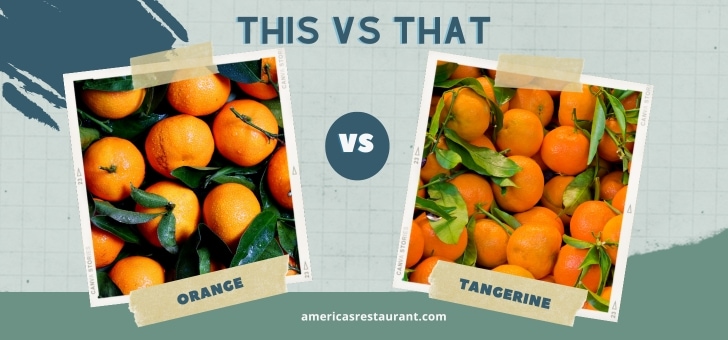
What is an Orange?

Oranges are a citrus fruit that grow in warm, tropical climates.
They come in a variety of different types, each with their own unique flavor and characteristics.
Oranges are high in vitamin C and other nutrients, making them a popular fruit for juicing and consumption.
Oranges have been cultivated for thousands of years and have become a staple crop in many parts of the world.
They are typically round or oblong in shape, with a thick skin that is difficult to peel.
The inside of an orange is divided into sections called "segments," which are filled with juicy pulp.
When selecting oranges at the grocery store or farmer's market, choose ones that are firm to the touch and heavy for their size.
This indicates that they are fresh and ripe.
Oranges can be eaten on their own as a snack or used in a variety of recipes, including salads, sauces, desserts, and more.
Oranges pair well with many dessert flavors; for inspiration on complementary citrus pairings, try what goes with lemon in desserts: pairing ideas.
What is a Tangerine?

A tangerine is a type of citrus fruit, closely related to oranges, mandarins and clementines.
It is smaller than an orange and has a thin, easy-to-remove skin.
The flesh inside is typically sweet and juicy, with a slight tanginess.
For example, one of the key features of a tangerine is its size - as mentioned earlier, they tend to be smaller than oranges.
Also, they have thinner skin that's often easier to peel compared to their larger counterpart.
When you bite into it, you'll notice that the flesh of a tangerine is typically sweeter than an orange with less acidity.
Another defining characteristic of tangerines is their seed content - while oranges can be quite seedy throughout their flesh segments, many varieties of tangerines come with fewer seeds or none at all.
All these small differences might seem trivial but together they add up to give us distinctive eating experiences.
Tangerines make a bright, sweet snack that can also add contrast to savory dips - consider combinations like those listed in what to eat with guacamole: pairing suggestions for inspiration.
Differences Between Orange and Tangerine
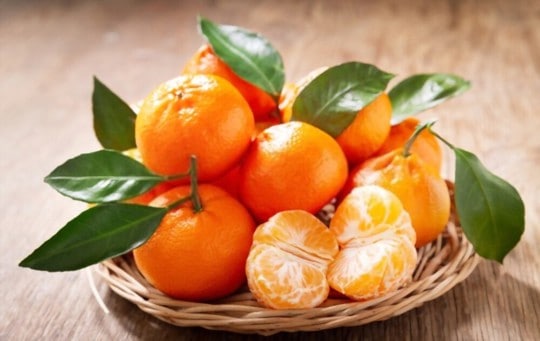
You may find yourself wondering about the differences between oranges and tangerines.
While they may look similar on the outside, there are actually a few key differences between these two fruits - similar to how different chicken dishes vary, see Sesame vs General Tso chicken comparison for a savory contrast.
As you can see from the table above, there are several notable differences between oranges and tangerines.
One of the most obvious is their physical appearance - oranges tend to be larger and rounder, while tangerines are smaller and slightly flattened.
Another key difference is their skin thickness.
Oranges typically have a thicker skin than tangerines, which can make them a bit more difficult to peel.
On the other hand, tangerines have a thinner skin that's often easier to remove.
In terms of taste, both oranges and tangerines are known for being sweet and juicy.
However, there are some subtle flavor differences between the two.
Oranges tend to have a more tart flavor with hints of bitterness, while tangerines have a sweeter taste that's often described as tangy or zesty.
Overall, while there are some clear distinctions between oranges and tangerines, both fruits offer plenty of health benefits and delicious flavors.
Origin and Varieties
Oranges and tangerines are both citrus fruits, but they come from different varieties of citrus plants.
The orange tree is believed to originate from China, while the tangerine tree is said to have originated in Morocco or Algeria.
The orange belongs to the Rutaceae family and has several varieties, such as navel oranges, Valencia oranges, mandarins, blood oranges, sweet oranges, and bitter oranges that are used for making marmalade or candy where their tartness is useful.
On the other hand, tangerines belong to the Mandarin family and include a variety of sub-species like Clementines which are sweeter with easier to peel skin; Satsumas - soft with a subtle taste; Tangors- a cross between Tangerine and Orange.
It's also interesting to note that both fruits are often referred to as "mandarin oranges" due to their similar size and appearance but there are actually distinct differences as listed above in the table.
Size and Appearance
Answering the heading 'Size and Appearance', we can see that both orange and tangerine belong to the citrus family, but they differ in their size and appearance.
Oranges are larger than tangerines, with an average diameter of 3-4 inches.
On the other hand, tangerines are smaller in size, with an average diameter of 2-3 inches.
Oranges have a thicker peel compared to tangerines, which makes them more difficult to peel.
Also, oranges have larger segments inside the fruit that are easier to pull apart by hand compared to tangerines.
Tangerine peels are thinner and easier to remove by hand, but their small size requires more effort when removing each individual segment.
Oranges typically have a bright orange color with a smooth texture skin with a slight dimpled surface.
In contrast, tangerines have a bright orange-red color on the outside skin that is loose-fitting with several knobs or protrusions that give them their characteristic bumpy texture.
Because tangerines are small and bite-sized, they can work well in small-plate recipes similar to those in 18 vegan tapas recipes for bold, bite-size flavor.
Taste and flavor
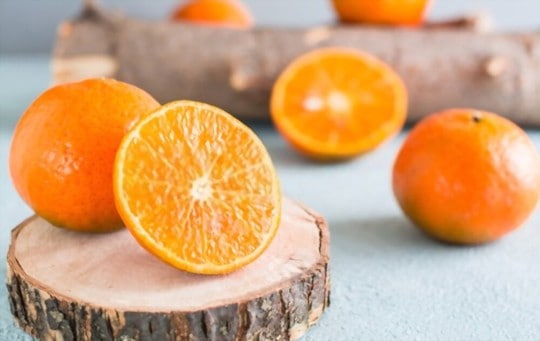
Oranges and tangerines have subtle differences.
Oranges are known for their bright and tangy flavor, whereas tangerines offer a sweeter taste with a hint of tartness - similar distinctions appear when comparing concentrated versus natural seasonings like extract vs flavor: ingredient differences explained.
As you can see from the table, while both fruits have a citrusy flavor, oranges are more pronounced in their tanginess.
Tangerines on the other hand offer a milder citrus flavor with a slightly sweeter taste.
Both fruits have a refreshing scent that is characteristic of citrus fruits.
However, many would argue that tangerines have a stronger fragrance compared to oranges.
Texture-wise, oranges have thicker skin and flesh which can take some effort to peel or bite through.
Tangerine skins are thin and easy to peel making them an ideal snack option.
Overall, oranges are more acidic whereas tangerines are generally sweeter with less acidity.
However, there are many varieties of both fruits each with their unique taste and characteristics.
Nutrition and Health Benefits
Orange and tangerine are packed with essential vitamins, minerals and dietary fiber that provide numerous health benefits.
They make a good addition to a healthy diet, aiding in weight loss and promoting good skin, hair and bone health.
Oranges have more calories, carbohydrates, fiber, sugar and protein than tangerines but lower vitamin C, vitamin A and folate content.
Both oranges and tangerines are rich sources of vitamin C which helps boost the immune system and protect against infections while also promoting iron absorption.
Oranges contain potassium which helps regulate blood pressure, while tangerines provide more vitamin A which supports vision health.
Eating these citrus fruits can also promote satiety due to their high fiber content, aiding weight loss goals.
Overall, including both tangerines and oranges into your diet can provide important nutrients that support overall health maintenance.
Uses in Culinary Applications
A variety of recipes can be made with both oranges and tangerines.
These citrus fruits are a popular ingredient in sweet dessert recipes, baked goods, and savory dishes.
The primary difference between the two fruits is their taste, with tangerines being slightly sweeter and less acidic than oranges.
As you can see, the flavor of each fruit lends itself well to different dishes.
Oranges' strong acidity and tartness make them a great complement to rich or spicy ingredients like chocolate or chili flakes.
Tangerines' sweetness pairs well with more delicate flavors like seafood and lighter salads.
In addition to their taste profiles, both fruits offer nutritional benefits that can be incorporated into meals as well.
Both contain vitamin C, fiber, potassium, and other health-boosting phytochemicals.
Overall, whether it's juice squeezed into a marinade or segments tossed into a dessert, oranges and tangerines are versatile fruits that can improve the flavor and nutritional content of a wide variety of dishes.
There are several.
Both fruits are members of the citrus family and have similar nutritional profiles.
As previously mentioned, both are rich in vitamin C, fiber, potassium, and other beneficial compounds.
In terms of appearance, they also share many features such as a round shape, segmented flesh, and a thin skin that is peeled away to reveal the fruit inside.
Also, both fruits can be eaten fresh as a snack or incorporated into recipes for added flavor and nutrition.
Despite their differences in taste and culinary applications, it's clear that oranges and tangerines have much in common as well.
Similarities Between Orange and Tangerine
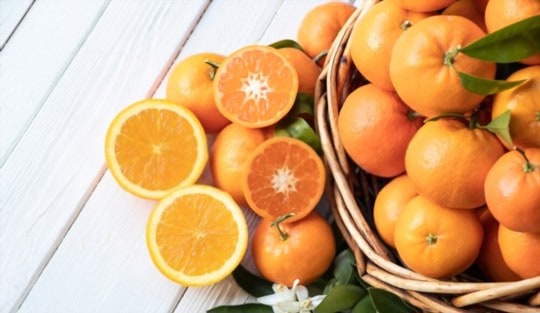
Both oranges and tangerines are citrus fruits that belong to the same family, which means they share some similarities - for another close citrus comparison, see blood orange vs orange: citrus comparison.
Apart from these similarities, both fruits come in various varieties, each offering different flavors and textures.
However, the basic characteristics mentioned above remain common between them.
While oranges are available year-round, tangerines are typically only found during their peak season from November to January.
This makes them a more seasonal option for those looking to include them in their diets or recipes.
If you're unsure about how to differentiate between an orange and tangerine when buying them, check for the following similarities - they should be firm, heavy for their size, and free of any major blemishes or bruises.
These indicators will help ensure that you're buying fresh fruits that are ready to eat.
How to Choose Between Orange and Tangerine?
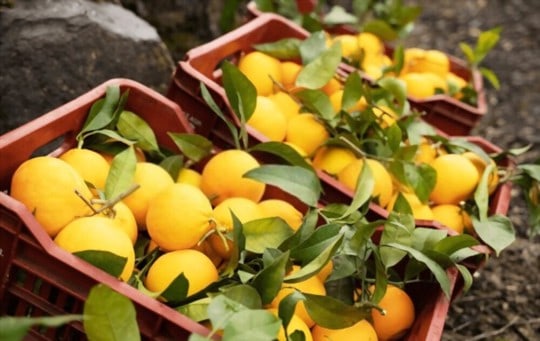
Choosing between orange and tangerine can be a confusing task, especially for those who are not very familiar with the differences in taste, texture and uses of these citrus fruits.
However, there are a few key factors to consider when making your choice that can help you make an informed decision.
Next, think about the sweetness and tartness levels of each fruit - and whether dried or fresh orange elements suit the recipe, as detailed in dried orange zest vs fresh: use cases and tips.
- Consider the availability and seasonality of each fruit. Oranges are typically available year-round, while tangerines have a shorter season from November to April. If you're looking for fresh, locally sourced options, it may be easier to find oranges at any time of year.
- Next, think about the sweetness and tartness levels of each fruit. While both oranges and tangerines are sweet, tangerines tend to be slightly sweeter with a higher sugar content. Oranges are often more tart or tangy than tangerines. This is important to consider when using the fruit in recipes or eating them as a snack.
- Another factor to keep in mind is the texture of each fruit. Oranges are larger and typically have thicker skin than tangerines, making them more difficult to peel and eat on-the-go. Tangerines have thinner skin that is easier to remove by hand and can be eaten in one or two bites.
- Lastly, consider the uses for each fruit. Both oranges and tangerines can be eaten fresh or squeezed for juice. However, oranges are often used in baking due to their more neutral flavour profile and versatility in recipes. Tangerines are great for snacking and adding a pop of sweetness to salads or other dishes.
Distinguishing Oranges from Tangerines
As we come to the end of this comparison between the orange and tangerine, we can conclude that both fruits are equally nutritious and delicious in their own way.
While an orange is larger in size, a tangerine is slightly sweeter and easier to peel.
Ultimately it comes down to personal preference when choosing between the two.
While there may be minor differences between oranges and tangerines, both offer nutritional benefits that make them a healthy addition to any diet.
So whether you choose an orange or a tangerine, you can't go wrong with either one.
Frequently Asked Questions
The distinction between oranges and tangerines lies in their size, appearance, and flavor. They share some similarities but each has qualities that make it better suited for certain recipes.
They can stand in for each other in a pinch. Orange and Tangerine overlap in some uses, but the flavor or texture will shift.
Adjust quantities to taste.
Shelf life differs based on processing and packaging. One often keeps longer unopened, while the other may need refrigeration or faster use after opening.
Which one is more forgiving in recipes?
One tends to perform more consistently across a range of cooking methods, making it the safer choice when experimenting.
The other delivers stronger results in specific applications.
Tangelo vs orange comparison clarifies hybrid traits. Tangelo vs Orange: What's the Difference? Tasty floral substitutes can change a recipe's aroma; Tasty Choices: 5 Best Substitutes for Orange Flower Water lists alternatives.