
You're not alone.
From flavour to texture, there's a lot more to these veggies than meets the eye.
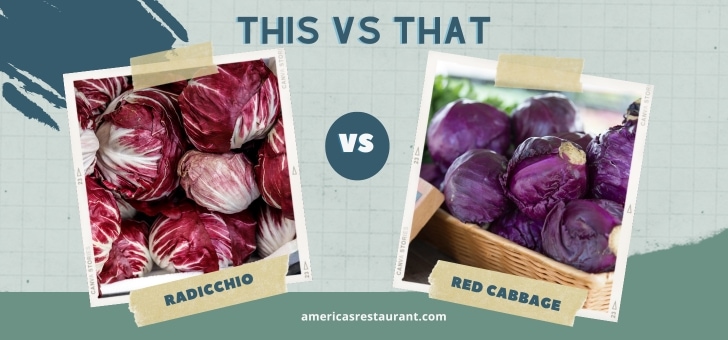
What is Radicchio?
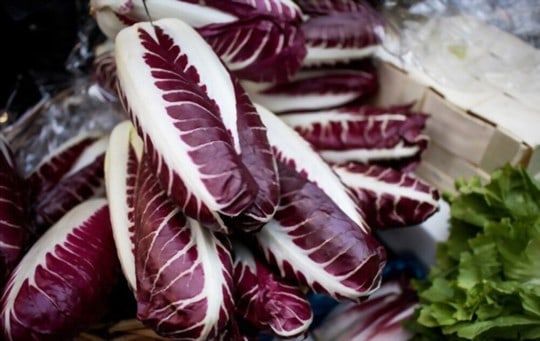
Radicchio, also known as Italian chicory or red chicory, is a leafy vegetable that belongs to the same family as endive and escarole.
It originated in Italy and has been popular in Italian cuisine for centuries.
Radicchio has a slightly bitter taste and a crunchy texture.
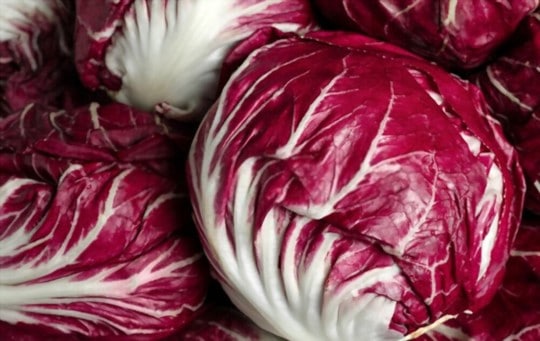
The leaves are typically deep red in color and have white veins running through them.
Radicchio is a flexible ingredient that can be eaten raw or cooked.
It is often used in salads, pastas, risottos, and grilled dishes.
Its bitterness can be balanced out by sweet or salty ingredients such as honey, balsamic vinegar, or cheese.
If you're looking for a unique addition to your salad or recipe, try using radicchio.
You can find it at most grocery stores or farmers' markets.
What is Red Cabbage?
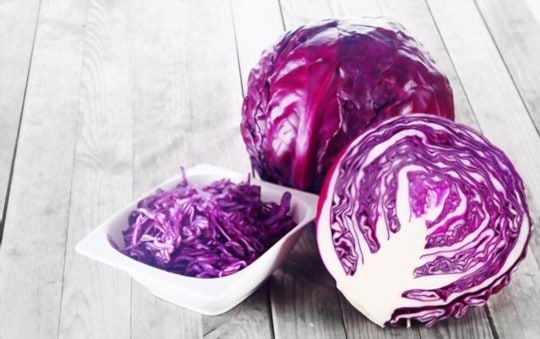
Red Cabbage is a type of cabbage with a red to purple color on its leaves.
It belongs to the Brassicaceae family and is similar in shape and size to regular green cabbage.
However, it has a distinct flavor that sets it apart from other types of cabbage.
Red Cabbage has been used for centuries as a medicinal plant due to its anti-inflammatory properties.
It is also an excellent source of vitamin C and K, making it a highly nutritious food choice.
If you're wondering about recipes that use Red Cabbage, there are plenty - including ideas that contrast red vs yellow curry comparison to inspire bold flavors.
Due to its crunchy texture, it works well in salads - try making a simple slaw with shredded red cabbage and carrots, or add some sliced red cabbage to your favorite tacos or stir-fries for some added crunch.
Differences Between Radicchio and Red Cabbage
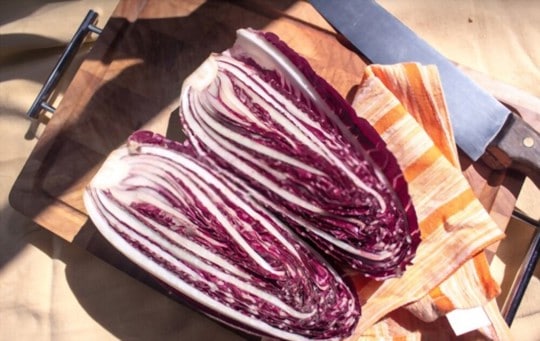
Radicchio and red cabbage are two different vegetables that belong to the same family - Chicory.
While both the vegetables have a similar appearance, there are some noticeable differences between them - see a gold vs red beets comparison for another example of look-alike produce differences.
The first difference to note is their shape.
Radicchio has a round shape, while red cabbage is oblong.
Another important distinction is in their texture.
Radicchio has a crisp and bitter taste that can be compared to endive or escarole, making it an excellent ingredient for salads.
On the other hand, red cabbage has a softer and crunchier texture that makes it a go-to vegetable in stir-fries, soups or stews.
Radicchio's flavor is predominantly bitter - which may not be everyone's preference.
However, its bitterness improves several dishes despite its unique taste.
Red cabbage, on the other hand, offers sourness primarily but often has sweet or nutty tones also dependent on cooking techniques.
In summary, even though both radicchio and red cabbage belong to the same family with similarities in appearance; they differ distinctly in terms of shape, texture and most evidently their taste profile.
Appearance and Texture
The appearance and texture of radicchio and red cabbage are quite distinct.
To begin with, radicchio has a round or elongated shape with pointed leaves that are red in color, but can vary in shades from light pink to deep burgundy.
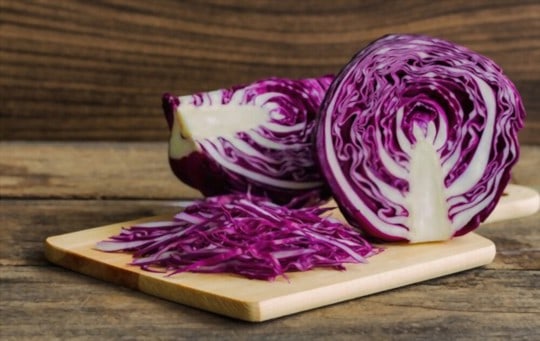
Red cabbage, on the other hand, has a perfectly round shape and dense leaves that are tightly packed together.
The leaves of red cabbage have a purplish-red hue.
Moving on to their texture, both vegetables have completely different textures.
Radicchio has crisp leaves that become even more crispy when cooked or grilled.
Its taste is slightly bitter like chicory.
Red cabbage, on the other hand, has a crunchy texture which makes it perfect for salads or slaws.
In summary, while radicchio has pointed leaves that are reddish in color with a crispy yet slightly bitter taste, red cabbage has tightly-packed dense leaves that are purplish-red in color with a crunchy texture perfect for salads or slaws.
Flavor and Taste
Radicchio and red cabbage may look different, but they also have distinct flavors that set them apart from each other.
While both are known for their bitter taste, there are subtle differences in their flavor that make them unique.
Both radicchio and red cabbage share a bitterness in taste.
However, radicchio is known for having a stronger bitter taste compared to red cabbage, which has a milder bitterness.
Red cabbage has a milder sweetness compared to radicchio, which only has subtle hints of sweetness.
Also, radicchio has a nutty undertaste that isn't present in red cabbage.
Overall, while both vegetables share some similar flavors, there are significant differences between their individual taste profiles that make them stand out on their own - similar to how extract vs flavor differences explained clarify subtle taste distinctions.
Nutritional Value and Health Benefits
Radicchio and red cabbage are both healthy vegetables that offer numerous nutritional values and health benefits.
Below is a table showing the nutrient content of each vegetable.
Radicchio is an excellent source of vitamin C, which is essential for immune system function, skin health, and tissue repair.
It also contains significant amounts of fiber which can help regulate digestion and prevent constipation.
Also, radicchio is rich in vitamin K, which helps with blood clotting and bone health.
Also, it contains folate which is important for cell growth and development.
Red cabbage, on the other hand, contains significantly more vitamin C than Radicchio.
This antioxidant-rich nutrient helps protect cells from damage caused by free radicals-molecules produced when the body breaks down food or undergoes radiation or tobacco exposure that can lead to chronic disease like cancer or heart disease.
Also, the high fiber content in red cabbage aids digestion and promotes bowel regularity while maintaining a healthy weight.
The potassium content in red cabbage regulates fluid balance in our bodies while regulating blood pressure.
Both vegetables are low calorie making them ideal for weight management diets-even when consuming large portions.
For readers curious about how specific ingredients contribute flavor and nutrition, a taste-focused piece like nutritional yeast taste guide explains how a seasoning's profile relates to nutritional uses.
Culinary Uses
Both radicchio and red cabbage are incredibly versatile.
They can be used in a variety of dishes, adding crunch, color, and flavor.
Radicchio is often used in salads due to its bitter taste while red cabbage is commonly cooked and added to soups or stews.
To give you a better idea of how these two vegetables are used in the kitchen,
Radicchio can make an excellent addition to many different types of salads.
Its purple-red leaves provide a beautiful pop of color on the plate and its crunchy texture is perfect for adding some interest to otherwise boring greens.
You can also grill, braise, or sauté radicchio for a unique side dish that will impress your dinner guests.
Red cabbage is another flexible ingredient that can be served raw or cooked.
When eaten raw, it adds a crisp sweetness to slaws and salads.
When cooked down in soups or stir-fries, it adds depth of flavor and brings out its natural sweetness.
It also pairs well with apples, pears or cranberries making it a great option for fall recipes.
Now that we've discussed the culinary uses of these two vegetables separately let's move onto how they can be combined and cooked together in the next section.
How to Cook with Radicchio and Red Cabbage?
To answer the question "How to Cook with Radicchio and Red Cabbage?", there are various ways you can prepare these two vegetables in delicious recipes - even adapting sauces like a red vs green enchilada sauce comparison to complement roasted or braised cabbage.
For grilling, cut the radicchio in half or quarters, brush with olive oil, season with salt and pepper, and grill until grill marks appear.
For roasting, cut red cabbage into wedges, drizzle with olive oil, and roast until tender.
To sauté or stir-fry, thinly slice both vegetables and cook in a pan with oil until they soften.
And for stewing or braising, only red cabbage should be used.
When using radicchio in salads or as a topping on pizzas, it's best to use the leaves raw as cooking them loses their bright purple color.
On the other hand, you can add cooked red cabbage to salads or soups to give them an earthy flavor.
Overall, radicchio has a slightly bitter taste that complements creamy dressings while red cabbage has an earthy flavor that pairs well with tangy vinaigrettes.
Tips for Cooking and Pairing
To enjoy the unique flavors of radicchio and red cabbage, it's essential to prepare and pair them correctly.
Here are some tips for cooking and pairing these delicious vegetables.
- When cooking radicchio or red cabbage, avoid overcooking them as they can become bitter. For radicchio, consider grilling or roasting it with a little olive oil and balsamic vinegar. For red cabbage, try sautéing it with apples or onions to balance its flavor.
- Both radicchio and red cabbage pair well with a variety of ingredients. For example, radicchio goes well with salty ingredients like bacon and blue cheese. It also pairs well with sweet ingredients like pears or dried figs. Red cabbage goes great with caraway seeds or cumin as well as acidity from vinegar or lemon juice.
- Consider using these vegetables in salads or as toppings for sandwiches. For instance, try adding spicy arugula leaves and sliced pear to grilled radicchio for a flavorful salad dish. Similarly, you could add thinly-sliced red cabbage as a sandwich topping with Dijon mustard dressing.
- If you're not sure which wine to pair with your meals featuring these vegetables, consider lighter-bodied wines such as Pinot Noir or Chianti. These wines will not overpower the distinct flavors of radicchio and red cabbage.
Lastly, experiment with different preparation methods to discover what suits you best.
Whether it's grilling, braising, or sautéing; there's always a unique technique that brings out the best flavors in these vegetables.
Both radicchio and red cabbage pair well with a variety of ingredients, and acidity choices matter - compare white cooking wine vs white wine vinegar options to see which brightens a dish best.
Where to Buy Radicchio and Red Cabbage?
Radicchio and red cabbage are both versatile vegetables that can be found in most grocery stores.
Your best bet is usually at larger grocery stores like Whole Foods, Safeway, or Walmart.
These stores tend to have a wider selection of produce, including more specialty items like radicchio.
If you're looking for organic options, check out natural foods stores and co-ops in your area.
These types of stores usually carry a variety of fresh vegetables, including radicchio and red cabbage.
You can also try ethnic markets or specialty produce shops for more unique varieties of radicchio and red cabbage, such as heirloom varieties or purple cabbage.
Overall, when buying radicchio and red cabbage, it's important to look for produce that is fresh and firm to the touch.
Avoid any vegetables with wilted leaves or mushy spots.
For specialty produce and seasonal variants, check ethnic markets or farmers markets - similar buying nuances are discussed in a red vs black plum comparison that highlights where to find specific varieties.
Radicchio vs Red Cabbage: Flavor and Uses
Radicchio has a distinct bitter flavor with a crunchy texture while red cabbage tastes slightly sweeter with a softer texture.
Both vegetables are versatile and can be used in salads, soups, stews, and sautéed dishes.
Both vegetables offer unique flavors and textures that can improve any dish they are added to.
So feel free to experiment with them in your cooking.
For vinaigrettes and finishing acids, comparison pieces clarify differences; see red wine vinegar vs balsamic vinegar guide. For choice of potato sides that complement salads and slaws, review gold vs red potatoes: which is better.
Frequently Asked Questions
Are you wondering what the difference is between radicchio and red cabbage? They share some similarities but each has qualities that make it better suited for certain recipes.
It depends on the dish. Radicchio and Red Cabbage share some overlap, but each shines in different preparations.
Swapping works best in forgiving recipes like soups or stews.
Pricing varies by brand and region, but one is typically more accessible at everyday price points. The other may cost more due to specialization or limited supply.
Is there a best time to use each one?
One shines in applications requiring subtlety and background support.
The other is better when it is meant to be a center.
Matching the right one to its role makes a noticeable difference.