
Black Fungus and Wood Ear mushrooms spark debates in kitchens everywhere.
First off, they're not as weird as they sound. We've all probably munched on them in a stir-fry or two without even realizing.
These fungi pack a punch in nutrition and versatility.
I remember the first time I tried to cook with Black Fungus.
Ended up more like a science experiment gone wrong.
Wood Ear, on the other hand, seemed less daunting.
They're both champs in their own right.
Yet, which one takes the crown in our kitchens? We're digging in.

What is Black Fungus?
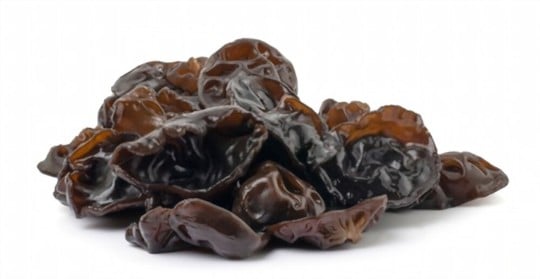
Black Fungus, scientifically known as Auricularia polytricha, is a type of edible mushroom with a unique appearance and texture that has been used in traditional Chinese medicine for centuries.
It is also commonly found in other Asian countries like Japan, Korea, and Vietnam.
Black Fungus has a thin and slightly translucent cap that ranges from dark brown to black, with wrinkles on the surface resembling an ear.
The stem is short and tough, and the flesh of the mushroom is slippery and crunchy.
In terms of culinary use, Black Fungus has a mild flavor that easily takes on the taste of other ingredients it is paired with - similar to how black vs green olive comparison for pairing helps choose complementary flavors.
Its crunchiness adds texture to soups or stir-fries.
Also, Black Fungus contains various nutrients such as fiber, iron, vitamin D2, and polysaccharides believed to have anti-inflammatory properties that may help boost immunity.
However, Black Fungus may pose health risks if not cooked properly or consumed in large amounts.
It can absorb pollutants like heavy metals from soil or water which can cause harm if ingested.
Thus it's essential to purchase from trusted sources and ensure proper washing and cooking techniques are observed.
What is Wood Ear?
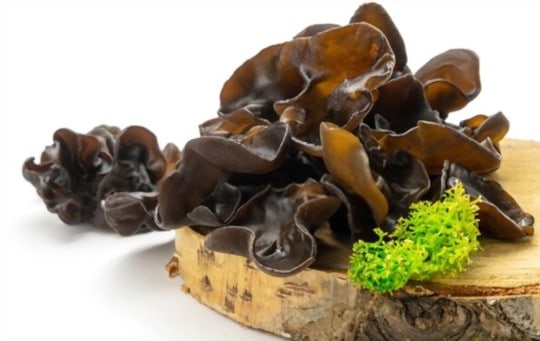
Taking a closer look at this specific edible fungus, it can be described as:
- Known as 'Auricularia polytricha', wood ear is a type of edible fungus commonly found in some parts of Asia.
- It shares a close resemblance to the infamous black fungus but possesses some unique characteristics.
- The texture of wood ear is softer than black fungus and has a mild flavour.
- It is usually used in several Chinese cuisines like hot and sour soup, stir-fries, and even salads.
In addition, although both fungi have similar health benefits, the choice between them boils down to personal preference - much like selecting between wood chips vs chunks comparison for smoking depends on the intended use.
Differences Between Black Fungus and Wood Ear

Black Fungus and Wood Ear are popular choices that are known for their health benefits and culinary uses.
While they are both types of edible fungi, there are some distinctive differences between them that can help you choose the right one for your recipe or dietary needs - similar to a black vs brown mustard seeds comparison for cooking that guides ingredient choice.
Appearance and Texture
The visual and tactile properties of black fungus and wood ear differ significantly.
While black fungus sports a dark, velvety exterior with a spongy texture, wood ear has a thin, nearly translucent structure with a slightly crunchy feel.
Both fungi possess distinct flavors that complement their textures.
When comparing these two ingredients, it's important to consider how they'll improve your dish in terms of taste and visual appeal.
flavor and Taste
Both offer unique characteristics that are highly valued in various culinary traditions.
Black Fungus has a mild, earthy flavor with a slightly crunchy texture, while Wood Ear has a more delicate and subtle taste with a softer texture.
These differences make them suitable for different purposes, such as adding texture and body to soups or providing a delicate umami flavor in stir-fries - a quick extract vs flavor comparison for understanding taste clarifies how concentrated flavors interact in dishes.
Apart from their distinct taste and texture, Black Fungus and Wood Ear also have nutritional benefits that are worth noting.
For instance, Black Fungus is rich in iron and dietary fiber, which makes it an excellent ingredient for maintaining healthy blood sugar levels.
On the other hand, Wood Ear contains antioxidants that can help prevent cellular damage and improve overall immune systems.
Nutritional Value and Health Benefits
When it comes to comparing Black Fungus and Wood Ear in terms of nutrition and health benefits, both are equally beneficial for overall health.
These mushrooms are a great source of dietary fiber, protein, iron, vitamin B complex and other essential nutrients that aid in boosting immunity, promoting digestion and reducing inflammation.
They also contain antioxidants that have anti-cancer properties and can help regulate blood sugar levels.
Aside from these common benefits, Black Fungus has been found to improve blood circulation and strengthen the heart muscles due to its high concentration of polysaccharides.
On the other hand, Wood Ear is believed to have anti-coagulant properties which prevent blood clotting and improve cardiovascular health.
Both these mushrooms should be consumed in moderation and cooked properly before consumption as raw or undercooked mushrooms can lead to gastrointestinal problems.
For those exploring umami and nutrient-dense ingredients in plant-forward diets, tasting notes for fortified condiments can be useful; nutritional yeast taste guide for savory uses explains how a common savory topper compares in flavor contribution.
Culinary Uses and Recipes
Black fungus and wood ear are both popular ingredients in Asian cuisine, known for their unique texture and taste.
Many recipes incorporate these ingredients to improve the flavor and nutrition of dishes.
Both options have different culinary uses- black fungus is commonly used in soups and can be stir-fried or added to sauces, while wood ear is preferred for cold salads, stir-fries, and hot pots.
Their preparation process also varies- black fungus requires soaking before use while wood ear can be prepared by simply washing it thoroughly.
Experimenting with these mushrooms can lead to exciting new flavor combinations in many dishes - see vegan sandwich recipes with big flavor for ideas that balance texture and umami.
Similarities Between Black Fungus and Wood Ear

Black Fungus and Wood Ear share some similarities in terms of their nutritional value and therapeutic benefits - much like a black cardamom pods vs green comparison for flavor highlights common and differing properties within a spice family.
Both are low in calories and high in fiber, making them excellent options for weight management.
Also, they contain polysaccharides that boost the immune system and have anti-inflammatory properties.
Also, both these fungi are rich sources of iron, copper, zinc, and manganese - minerals that are essential for maintaining a healthy body.
They also contain a variety of vitamins such as vitamin B2 (riboflavin) and Vitamin D which have been linked to immune function and bone health respectively.
Note that although these mushrooms share some similarities, there are also significant differences between them.
For example, Black Fungus has a slightly sweet taste while Wood Ear is more neutral in flavor.
Also, Black fungus can be added to soups and stews while wood ear is more commonly prepared steamed or stir-fried.
Selection and Preparation Tips
The art of selecting and preparing edible fungi can be overwhelming.
The following tips will help you distinguish between different types of fungi available in the market, and how to prepare them for consumption without compromising their nutritional value.
When picking mushrooms, ensure that they are fresh with no signs of rotting or discoloration.
You can use your sense of smell to detect any foul odors before purchasing.
For wood ears, select the ones that are dark brown and have a good texture as opposed to those that are less firm and rough-looking.
Black fungus should also be firm with an even texture.
Before cooking, both black fungus and wood ear must be soaked in cold water for thirty minutes or until they expand sufficiently.
Wood ear must then be boiled for about ten minutes, while black fungus should be blanched for two minutes.
These methods eliminate dirt, excess water content, and help to enhance their flavor and digestibility.
Note that while wood ear is rich in iron, minerals, and vitamins such as Vitamin D, black fungus contains high levels of dietary fibers making it an excellent source for digestive health.
By following these simple tips in selection and preparation of fungal species like black fungus or wood ear mushrooms, one can enjoy the unique flavors of these treats while also reaping the nutritional benefits each has to offer.
Culinary Uses for Black Fungus and Wood Ear
Comparing black fungus and wood ear, both mushrooms have various health benefits.
However, based on their nutritional values and medicinal properties, it can be concluded that black fungus is a better option.
In terms of nutrients, black fungus contains more iron, calcium, and polysaccharides than wood ear.
Polysaccharides aid in regulating blood sugar levels and boosting immunity.
Also, black fungus has stronger antitumor and anti-inflammatory properties compared to wood ear.
Therefore, incorporating black fungus in daily meals can provide numerous health benefits.
Frequently Asked Questions
Appearance and Texture The visual and tactile properties of black fungus and wood ear differ significantly. They share some similarities but each has qualities that make it better suited for certain recipes.
Sometimes. Black Fungus works where Wood Ear is called for in certain dishes, but not all.
Check whether the recipe relies on a specific quality before substituting.
Cold preparations like salads and dressings often favor the option with a sharper, more defined flavor. Heat can mellow both, so the distinction matters more in uncooked dishes.
Do professional cooks prefer one over the other?
Professional preference depends heavily on the dish and cuisine style.
Each has its context where it outperforms the other, so most experienced cooks keep both on hand.
black turtle vs black beans comparison for protein shows similar trade-offs in texture and cooking time. red vs black plum comparison for sweetness highlights how small differences change culinary use.