
Shallots and garlic sit in our kitchens like siblings in a foodie family.
We're here to dish out the scoop on these staples. Ever chopped up shallots for a sauce?
Or minced garlic for. well, everything? They might seem interchangeable.
Yet, they bring their unique zing to the table.
Our kitchens have seen many a teary shallot-chopping session. Garlic, on the other hand, has us smelling like an Italian kitchen for days.
T4Distinct in flavors, shallots are subtle, a hint of sweet. Garlic is bold, unapologetically punchy.
We're unlocking their secrets, one clove and bulb at a time.
What are Shallots?
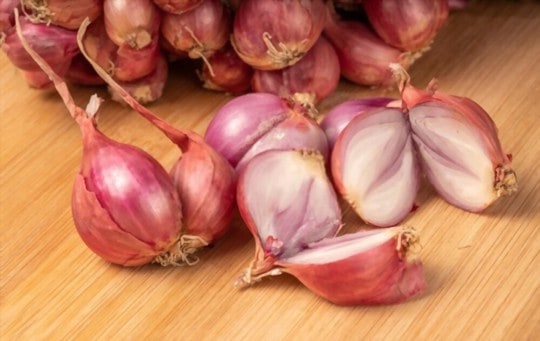
Shallots are a type of onion that have a milder and sweeter taste than regular onions.
They are smaller in size, with a brownish-red skin and are grown in clusters like garlic.
They are commonly used in French cuisine and offer a unique flavor when sautéed or caramelized.
Shallots have a more delicate texture compared to onions, making them perfect for salads and dressings.
In addition to adding flavor to meals, shallots offer some health benefits as well.
They contain antioxidants that help reduce inflammation, protect against cancer-causing agents and promote healthy digestion.
With their unique taste profile and numerous health benefits, shallots are becoming increasingly popular in many cuisines worldwide.
The mild sweetness of shallots can play well with bright citrus notes in dressings and some savory-sweet desserts-see lemon dessert pairings list for complementary flavors.
What is Garlic?

Garlic is a herb that comes from the Allium family and has been widely used in cooking and medicine for thousands of years.
This bulbous plant has a distinct pungent aroma and flavor that adds depth and complexity to dishes.
It is high in sulfur compounds, which are responsible for its health benefits.
Some of the common varieties of garlic include softneck, hardneck, elephant garlic, and black garlic.
Garlic can be consumed raw or cooked, and it is available in different forms such as fresh cloves, powder, flakes, and supplements.
When comparing garlic to shallots, one key difference is their taste profile.
While garlic has a strong pungent flavor, shallots have a milder onion-like taste with hints of sweetness.
Garlic also is usually sharper than shallots in terms of odor and taste.
Another difference lies in their appearance - while garlic comes in bulb clusters with individual cloves enclosed in papery skin, shallots have multiple small bulbs clustered together with coppery or brown paper-thin layers.
There are many similarities between these two ingredients as well.
Both come from the Allium family and contain various health-promoting compounds like allicin (garlic) and allyl sulfides (shallots).
They are also flexible ingredients that can be used interchangeably in many recipes to enhance flavors.
Whether you prefer the boldness of garlic or the subtleness of shallots depends on your personal preference and recipe requirements.
Garlic's savory punch works well in dips and spreads-see guacamole pairing ideas and combos to explore garlic-forward accompaniments.
Physical Differences between Shallots and Garlic
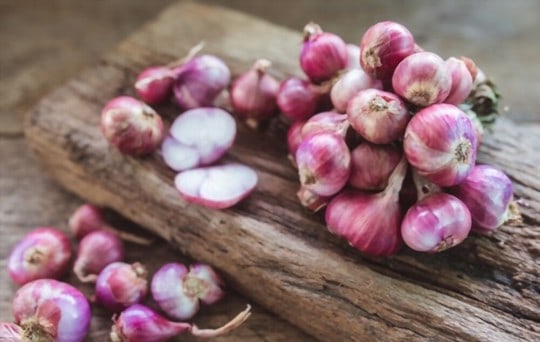
Shallots and garlic are both members of the Allium family, but they differ considerably in appearance.
Shallots are smaller than onions but larger than garlic cloves.
They have a distinctive elongated shape with tapered ends, while garlic has a bulbous shape with individual cloves that can be peeled apart.
Also, shallots have a smoother texture and shiny skin, while garlic is rougher and papery.
Shallots are sweeter and milder than garlic.
This makes them ideal for delicate dishes where their subtle flavor won't overpower other ingredients.
In contrast, garlic has a more pungent and complex taste that can vary depending on how it's cooked.
It adds depth and richness to savory dishes like pasta sauces and soups.
One of the most significant differences between shallots and garlic is their usage in cooking.
Shallots are commonly used as a flavoring agent in soups, stews, sauces, and dressing recipes.
In contrast, Garlic is mainly employed as a condiment in various culinary formulations due to its rich flavor such as pickles or roasted as a standalone dish.
For milder members of the Allium family with subtle differences in leaf and flavor, see garlic chives vs chives comparison.
Appearance
At first glance, shallots and garlic seem quite similar due to their bulbous appearance, but upon closer inspection one can find distinct differences between the two.
Both of them belong to the allium family, but shallots have a distinctive elongated shape compared to garlic that has round cloves enclosed in a papery casing.
Also, shallots are smaller than onions and have multiple pinkish-brown layers while garlic comes with white or off-white sheaths.
Moving beyond the exteriors of these spices, let's examine them more closely in terms of taste and culinary uses.
Size and Shape
Shallots and garlic differ not only in taste but also in size and shape.
Shallots are smaller than garlic cloves with a tapered, elongated shape, while garlic has a bulbous, round shape.
The size of shallot bulbs is relatively small compared to larger garlic bulbs.
This difference in size and shape affects their preparation methods for cooking and slicing techniques.
The texture and flavors of shallots and garlic can alter the taste of a dish dramatically.
As shallots have a milder, sweeter taste than garlic, they feature prominently in delicate sauces like vinaigrettes, béarnaise sauce or Hollandaise sauce.
Their softer texture makes them easy to slice thinly, rendering them perfect as salad toppings or garnishes.
On the other hand, minced or chopped garlic intensifies the flavor of bold dishes like tomato-based sauces for pasta or soups.
In addition to the differences in size and shape, each condiment also has unique nutritional values that arise from their distinctive contents of allicin compounds (in garlic) and flavonoids (in shallots).
Garlic can lower cholesterol levels by managing blood pressure levels owing to its fortified ability to lower inflammation in one's body along with antioxidant properties; however, consuming too much of it can cause repercussions such as bloating or bad breath due to its sulphuric content.
On the other hand, shallots contain quercetin which works as an anti-allergen producing anti-inflammatory effects within our system.
All-in-all these two ingredients share a wide range of uses combined with significantly different tastes which ultimately keep us hooked onto exploring dishes we wish to experiment with either ingredient on their own.
Cloves vs Bulbs
Cloves and bulbs are integral components of garlic and shallot, which are commonly used in various cuisines worldwide.
Cloves pertain to the individual segments of the bulb-like structure, while bulbs refer to the entire root-connected structures - learn more in a ground vs whole cloves comparison.
Garlic typically has around 10 to 20 cloves per bulb, whereas one shallot usually comprises two or three bulbs.
These distinct characteristics play a significant role in the taste, texture, and functionality of both spices.
Garlic leans towards a potent, pungent flavor that intensifies when cooked for more extended periods.
Shallots offer a milder, sweeter taste that enhances the overall aroma and complexity of dishes.
Also, garlic has several health benefits due to its natural compounds such as allicin and sulfur compounds.
Meanwhile, shallots are rich in antioxidants like quercetin and anthocyanins beneficial for inflammation reduction and overall immunity enhancement.
Flavor and Aroma Comparison between Shallots and Garlic
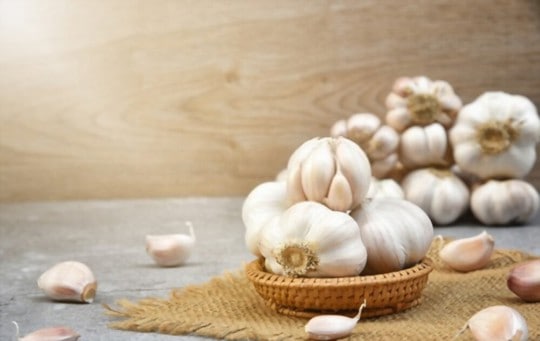
Shallots and garlic are staples in cooking due to their distinct flavors and aromas (extract vs flavor distinction).
Shallots have a milder taste with subtle hints of sweetness, whereas garlic has a pungent profile with a distinct sharpness.
The aroma of shallots is more delicate and subtle than garlic, which can even be overpowering at times.
Both these ingredients add depth and complexity to dishes, but choosing between them depends upon personal preferences and the recipe's requirements.
Shallots vs Garlic is a common debate as they share some similarities yet possess unique characteristics.
While shallots are small onions that offer a milder yet sweet flavor with hints of herbal undertones, garlic offers a pungent taste that has a hint of sharpness.
The aroma of both these seasonings is completely different from each other, where shallots have a more delicate fragrance than garlic.
Shallots complement dishes like soups, dressings, and sauces while garlic enhances the flavors in dishes like pizza sauce and marinades for meat.
In addition to their flavor and aroma characteristics comparison, another factor to consider while using them in cooking is the way in which they are prepared.
The method of preparation largely affects the intensity of flavors in both these seasonings.
If you need subtlety mingled flavors in your dish, use raw finely chopped shallots or roasted ones.
For strong herbal fragrant notes, sautéed or caramelized shallots are better choices, whereas minced or grated fresh raw garlic enhances stronger garlicky tastes.
Culinary Uses of Shallots and Garlic
Shallots and garlic are commonly used aromatics in the cooking world that can add flavors to almost any dish.
Here are some ways of using these ingredients in cooking:
- Shallots can be sautéed with butter or oil to create a base for sauces, soups, and stews.
- Garlic is often used as a seasoning for meat, vegetables, and pasta dishes, either minced or roasted.
- Shallots can be thinly sliced and added to salads for an extra layer of flavor and texture.
- Garlic can also be used to make flavored oils by infusing it with olive or vegetable oil.
While garlic has stronger flavor notes than shallots, shallots offer a milder and sweeter taste.
Experimenting with both these ingredients can yield delicious results in your cooking ventures.
For recipes that benefit from a fresher, springlike garlic note, consider using green garlic and compare it to green onions in green garlic vs green onion: which is better.
Nutritional Value of Shallots and Garlic
Shallots and garlic are both members of the Allium family, but offer distinct nutritional benefits.
When comparing the nutritional value of shallots and garlic, both provide essential vitamins and minerals such as vitamin C and manganese.
Also, garlic is a great source of antioxidants which can help combat oxidative stress.
Shallots, on the other hand, contain higher levels of potassium and fiber than garlic.
Also, studies have shown that consuming both garlic and shallots can provide potential health benefits such as reducing inflammation, improving heart health, and even potentially lowering the risk of certain cancers.
Overall, incorporating shallots and garlic into your diet can be a flavorful way to increase your nutrient intake while also providing potential health benefits.
Preparation method can affect how much garlic's compounds are released-see a garlic press vs mince guide for how technique changes potency.
Storage and Shelf Life Differences
The storing and lifespan variability between shallots and garlic is notable.
Shallots can sustain their quality for up to six months if stored properly in a cool, dry place similar to garlic.
However, once a shallot is cut open, its shelf life drastically drops compared to unpeeled garlic cloves.
This difference means that while both ingredients are long-lasting staples of the pantry, shallots require more attentive storage than garlic.
Cooking Uses for Shallot vs Garlic
The nuances between shallots and garlic are subtle yet significant.
Both are members of the Allium family, with shallots being more mild and sweet, and garlic being stronger in flavor.
Shallots can be used as a substitute for onions, while garlic is often used to add a pungent kick to dishes.
Also, shallot bulbs tend to be larger and sweeter compared to garlic cloves, which can vary in size and potency.
Understanding these differences can improve your dishes and add unique flavors to your cooking repertoire.
Frequently Asked Questions
Distinct in flavors, shallots are subtle, a hint of sweet. They share some similarities but each has qualities that make it better suited for certain recipes.
Often, yes. The two share enough common ground that most palates won't notice a swap.
Shallot is usually milder while Garlic brings more intensity.
Nutritional differences exist but are often minor in typical serving sizes. Neither is universally healthier - it depends on what specific nutrients or dietary goals you are focused on.
Which stores better after opening?
Once opened, one keeps better in the refrigerator with proper sealing.
The other may oxidize or separate more quickly, so using it promptly or in smaller quantities works better.
Gochujang vs chili garlic sauce comparison explains how fermented pastes alter heat and umami. culinary enhance: substitutes for ginger garlic paste lists workable alternatives for recipes calling for blended aromatics.