
Edamame are soybeans picked young, while the pods are still green and the beans are soft.
- A few minutes of boiling makes edamame ready to eat.
- Mature soybeans stay on the plant until the seeds dry out, so you must soak and simmer them for a long time first.
- Cooked, mature soybeans have more protein, and edamame have more vitamin C and folate.
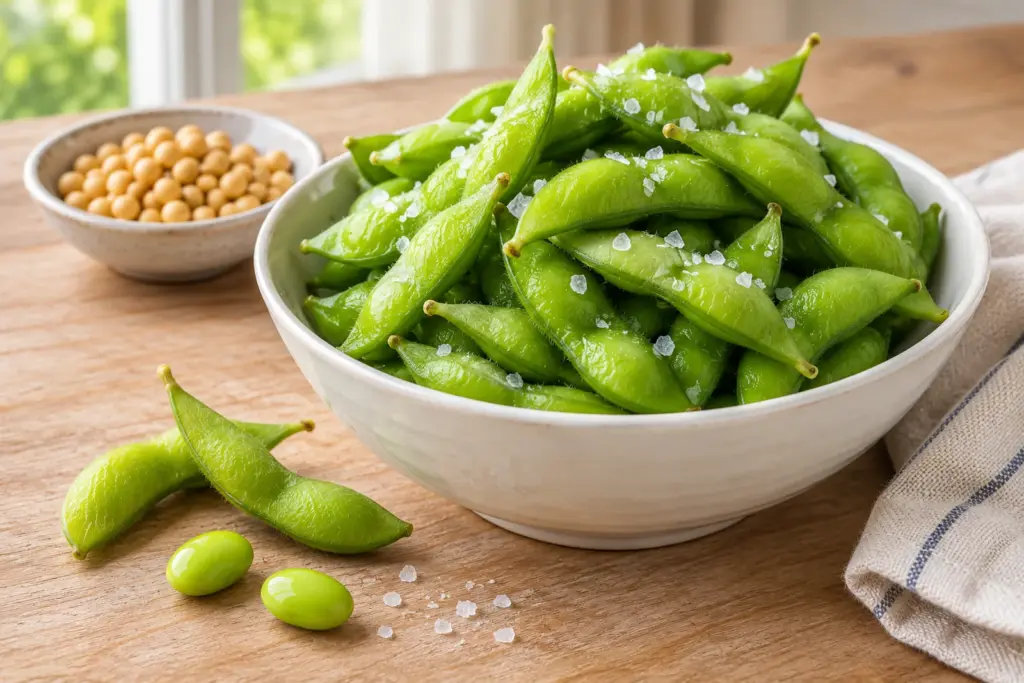
This is one of the everyday food comparisons where two names hide one plant: both are Glycine max, and only the harvest date differs. You are really choosing between a green vegetable you can snack on and a dense bean that cooks for hours.
1. What Is the Difference Between Soybeans and Edamame?
Growers pick edamame when the beans fill about 80 to 90 percent of the pod and the pod is still bright green, according to LSU AgCenter researchers. Dry soybeans are the grain form: they stay on the plant until the seeds dry and harden.
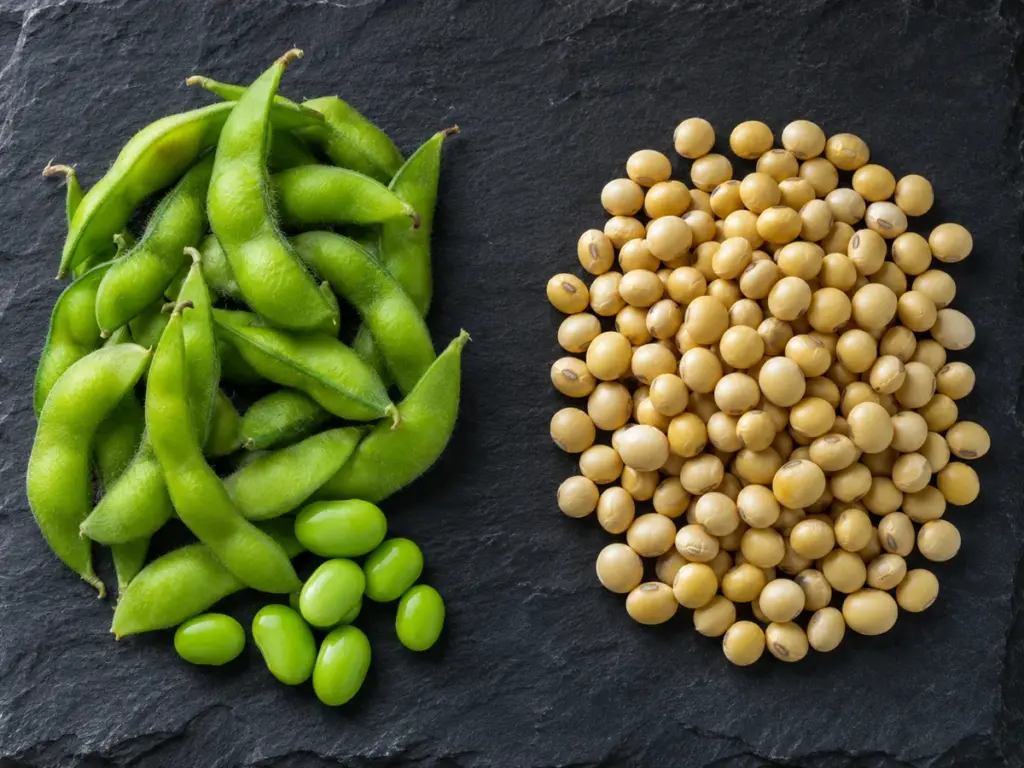
- It is picked immature, with the pods still green.
- It looks like fuzzy green pods holding two or three bright green beans.
- They are left on the plant until the seeds dry out.
- They look like hard, round beans, usually pale yellow (black ones exist).
- Edamame is sold frozen in the pod or shelled, and sometimes fresh. Boil or steam it for a few minutes.
- Mature dry soybeans come dried in bags or bulk bins, or canned. Soak them overnight, then simmer until fully tender.
| Trait | Edamame | Mature dry soybeans |
|---|---|---|
| Texture | Tender, with a slight snap | Dense, firm and meaty |
| Taste | Mildly sweet and grassy | Nutty and starchy |
| Best uses | Snack, salads, grain bowls, fried rice | Soy milk, tofu, soups, long braises |
| Pod | Tough, so you squeeze the beans out | Sold already shelled |
In the kitchen, the gap comes down to time and texture. Edamame cook in minutes and eat like a fresh vegetable, while dry soybeans need an overnight soak and a long simmer before they turn into a hearty bean.
2. Are Edamame and Mature Soybeans the Same Plant?
Yes. Edamame is a food-grade soybean eaten as a vegetable, and the name comes from Japanese: eda means branch and mame means bean. Most edamame you buy comes from vegetable-type varieties that breeders select for large seeds (more than 30 g per 100 seeds) and green pods.
Growers have only a short picking window. Once the pods turn yellow they are past the edamame stage, which is one reason most shoppers meet edamame frozen rather than fresh. Black soybeans are dark-coated mature soybeans, and they are a different bean from ordinary black beans. The same researchers note that dark-coated varieties may not suit fresh or frozen edamame production.
3. How Do You Cook Edamame and Dry Soybeans?
You should not eat either one raw, because raw soybeans contain lectins and trypsin inhibitors, and the University of Georgia's poultry extension says heat is necessary to inactivate the lectins. The Bowman-Birk trypsin inhibitor holds up to heat better than other compounds, so underheated beans keep some of it.
Edamame
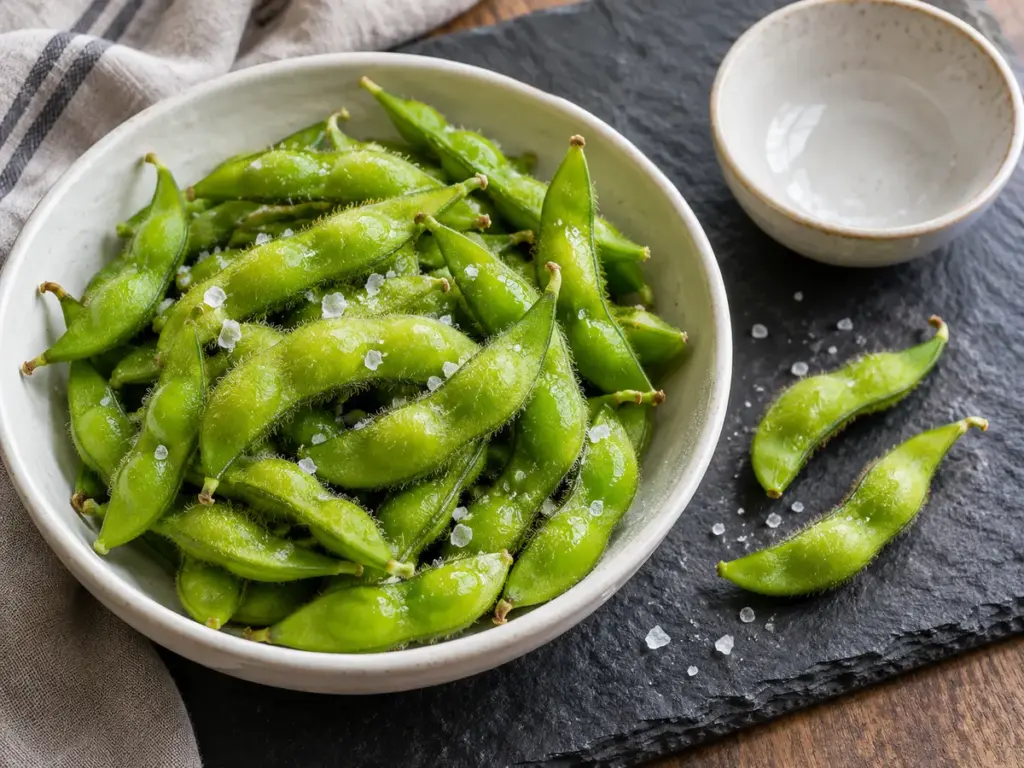
Follow the package directions for frozen pods, which usually mean a few minutes in boiling or steaming water. Drain them, sprinkle on flaky salt, and squeeze each bean out of its pod with your teeth or fingers. Fresh pods keep 4 to 5 days in the fridge, and frozen edamame holds its quality for about 2 years in the freezer, according to the USDA FoodKeeper.
Dry Soybeans
- Sort and rinse. Pick out stones and any shriveled or cracked beans, then rinse the rest in cold water.
- Soak overnight. University of Nebraska-Lincoln Extension soaks dry beans in 10 cups of cold water per pound in the fridge for 8 hours or overnight. Soybeans swell a lot, so you need a big bowl.
- Simmer in fresh water. Drain the soaking water, cover the beans with fresh water, bring them to a boil, then lower the heat to a gentle simmer. Most beans take 45 minutes to 2 hours, and soybeans are firm, so you should plan on the long end of that range.
- Taste before you stop. If a bean is still chalky in the middle, it is undercooked, so you should keep simmering until it mashes easily between your fingers.
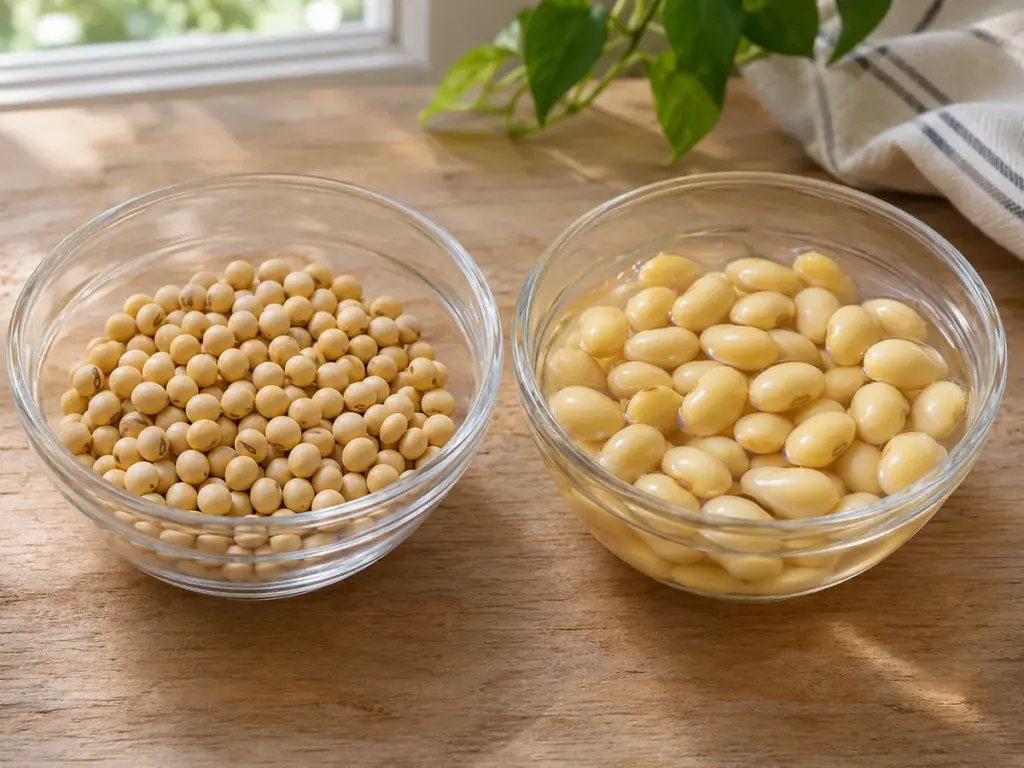
Cooked soybeans keep 3 to 4 days in the fridge, the same as other cooked beans, and the same Nebraska guide says to freeze any extra within 4 days of cooking.
4. How Do Soybeans and Edamame Compare on Nutrition?
You get a fair comparison only when you set cooked beans against cooked beans, because dry soybeans have not absorbed water yet and their numbers look far bigger than anything you eat. These USDA FoodData Central values per 100 g are for frozen, prepared edamame and boiled mature soybeans without salt.
| Per 100 g, cooked | Edamame | Mature soybeans |
|---|---|---|
| Calories | 121 kcal | 173 kcal |
| Protein | 11.9 g | 16.6 g |
| Fat | 5.2 g | 9.0 g |
| Carbohydrate | 8.9 g | 9.9 g |
| Fiber | 5.2 g | 6.0 g |
| Vitamin C | 6.1 mg | 1.7 mg |
| Folate (DFE) | 311 mcg | 54 mcg |
| Iron | 2.3 mg | 5.1 mg |
| Calcium | 63 mg | 102 mg |
| Potassium | 436 mg | 515 mg |
Mature soybeans win on protein, fat, fiber, iron and calcium, and edamame win on vitamin C and folate, with about 30 percent fewer calories per 100 g. Part of that gap is water, because the USDA lists edamame at 72.8 g of water per 100 g and mature soybeans at 62.5 g.
Fiber surprises many people, because cooked soybeans have a little more of it than edamame, 6.0 g against 5.2 g. If you buy pods, you also pay for pod weight you will not eat, so shelled edamame sold as mukimame gives you more bean per bag.
5. How Do They Taste and Feel to Eat?
When you bite into edamame, you get a mild, grassy sweetness and a tender bean with a slight snap. That sweet, grassy flavor comes through best with nothing more than salt. Researchers who follow edamame seeds as they fill out measure sucrose and starch falling with seed development, which fits why young beans taste sweeter than dry ones.
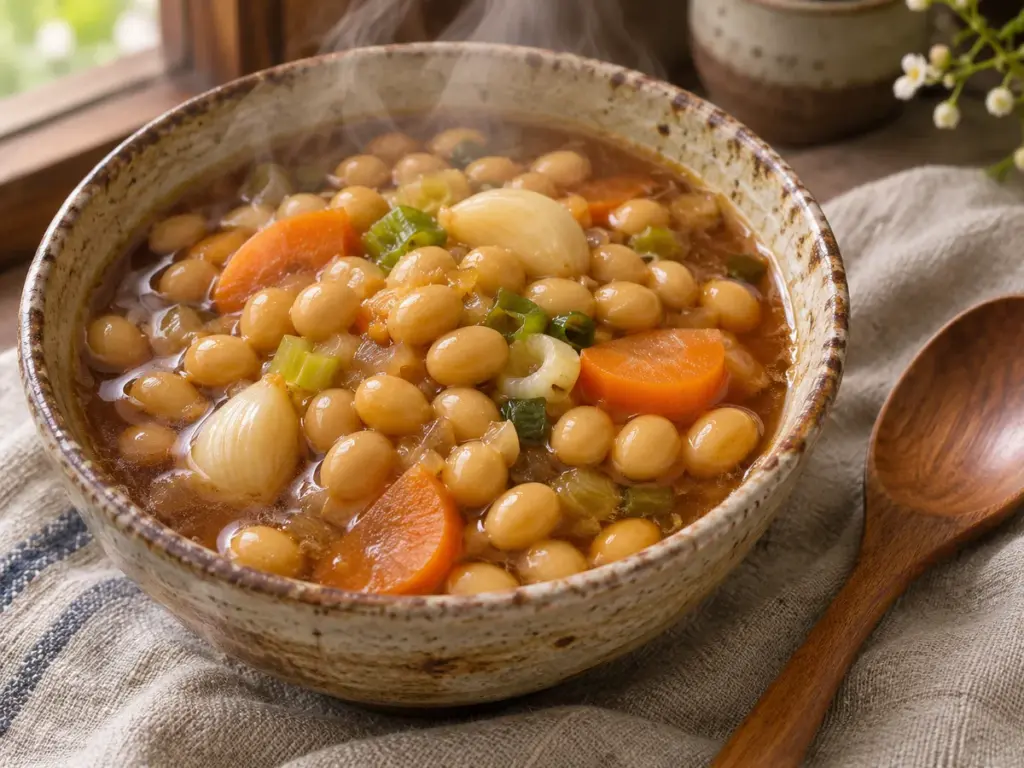
Cooked mature soybeans taste nutty and starchy to you, and that mild, nutty flavor holds up to garlic, miso paste and long braising. The beans stay dense and meaty even after hours on the stove.
6. Can You Use Soybeans Instead of Edamame, or the Reverse?
Which way you swap matters, because the beans behave differently once you cook them.
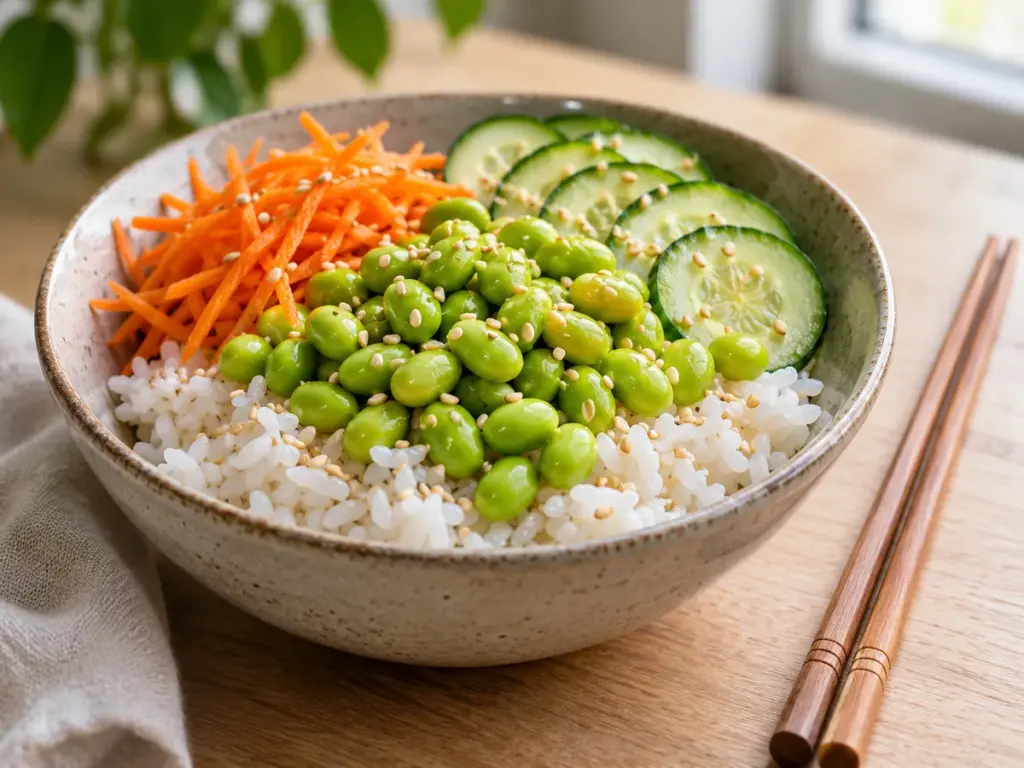
- Use it in salads, fried rice, soups and dips, in the same volume as cooked beans.
- Add it near the end, since a long simmer turns it soft.
- Use them in cooked salads and bowls once fully tender and cooled.
- You lose the bright green color, the snap and the sweetness.
Edamame gives poor results in recipes that start from dry beans, such as homemade soy milk or tofu, because those count on soaked mature beans. If you use dry soybeans in place of edamame, start with a smaller scoop, because mature soybeans are denser and fill you up faster.
7. Which Should You Buy?
You can choose by the dish you are making, since the two foods rarely compete for the same job.
- A snack or appetizer: you should buy edamame, because you can serve them hot from the pot with salt within minutes.
- Soy milk or tofu at home: you need dry soybeans, because both recipes start from soaked mature beans.
- A soup or stew that simmers for hours: you want dry soybeans, since they stay firm where edamame would go soft.
- A quick weeknight salad or fried rice: you can use shelled frozen edamame, which needs only a short thaw or boil.
- The most protein and iron per serving: you get it from mature soybeans, going by the nutrition table above.
For frozen edamame, look for loose, bright green pods without large ice clumps, and check the bag for added salt or sauce. For dry soybeans, choose whole, evenly colored beans and skip bags with many cracked or shriveled ones. Soy is also one of the nine major food allergens the FDA lists, so neither food suits someone with a soy allergy.
Sources
- USDA FoodData Central: Edamame, frozen, prepared
- USDA FoodData Central: Soybeans, mature seeds, cooked, boiled, without salt
- Frontiers in Plant Science: edamame (vegetable soybean) harvest stage and seed traits
- University of Georgia Extension: antinutritional factors in soybeans
- University of Nebraska-Lincoln Extension: how to cook dry beans from scratch
- USDA FoodKeeper: edamame storage times
- FDA: major food allergens

Food writer at GustoMeadow. Writes ingredient substitutes, food comparisons, taste guides and storage guides for home cooks.
Storage and food-safety numbers follow USDA, FDA and university extension guidance.



