
Alright, team. We're tackling a big one today: anchovy paste versus fillets.
Ever stared at a recipe calling for anchovies and paused? We've been there.
It's the showdown we've all quietly pondered while rummaging through our kitchen cabinets.
One's mushy; the other's fishy. Both pack a punch of flavor.
Our goal? To demystify this for all of us.
We've tried it. Spoiler: there were surprises.
Stay with us as we deep-dive. This isn't just fish talk.
It's an essential kitchen tip you didn't know you needed.
What is Anchovy Paste?
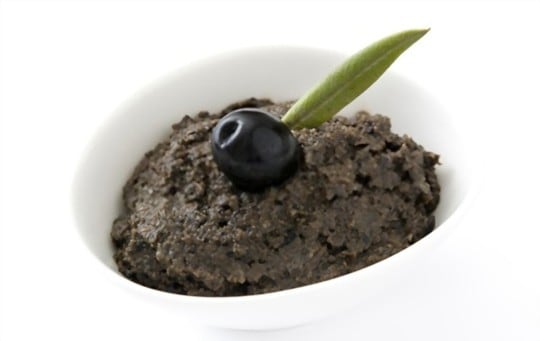
Anchovy Paste is a salty, pungent paste that is made by mashing or pureeing anchovies until they become a smooth consistency.
These small, oily fish are packed with umami flavor, which is why they're a popular ingredient in many cuisines worldwide.
From Italian to Asian cuisine, the dishes that make use of anchovy paste are endless.
It's a flexible ingredient that can be used to add depth of flavor to sauces, dressings, marinades, and even dips - and for non-fish options see vegan anchovy substitutes for flavor.
One of the best things about this paste is that you only need to use a small amount, so a little goes a long way - it can last a long time in the fridge.
So, don't be afraid to experiment with anchovy paste and improve your dishes to the next level.
What are Anchovy Fillets?
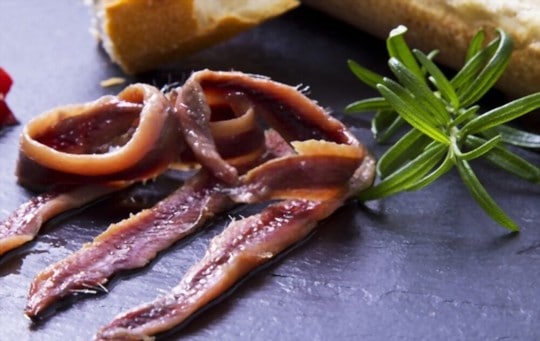
Anchovy fillets are thin, salt-cured fish that have been deboned and packed in olive oil.
They provide a unique umami taste to dishes and are commonly used in Mediterranean cuisine as a seasoning ingredient.
Anchovy fillets have a strong flavor that can range from mild to intensely salty, depending on the curing process and the variety of fish used.
When using anchovy fillets in recipes, it's essential to rinse them thoroughly to remove excess salt before use.
Also, chefs often chop the fillets into tiny pieces or mash them into a paste to incorporate them more evenly into dishes - for alternative options see anchovy paste substitutes for cooking.
Anchovy fillets are easy to store, often coming in tin cans or glass jars that can be kept in the pantry for months.
Differences Between Anchovy Paste and Fillets
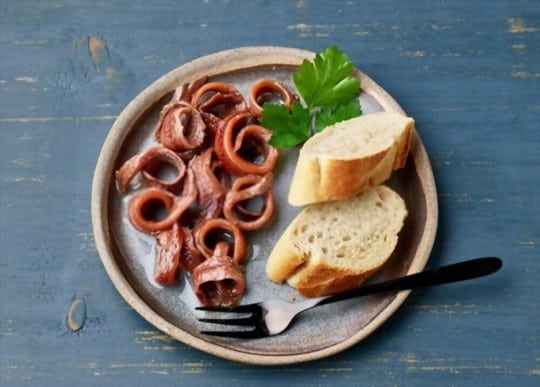
Anchovy paste and fillets may appear similar, but they possess several key differences - similar to how achiote paste vs powder comparison clarifies subtle but important distinctions.
While anchovy paste is a smooth and spreadable form of anchovies that has been finely processed, anchovy fillets are small fish packed in salt or oil.
In terms of taste, the paste has a more concentrated flavor than its fillet counterpart.
Preparation Method
Anchovy paste and fillets are essential ingredients in most kitchens, with each offering unique flavors and uses.
Understanding the preparation method is important to improve the dish's flavor.
Here's a 6-step guide on how to prepare anchovies:
- Remove the anchovy from its packing and rinse under running water.
- Pat it dry with a paper towel.
- If using fillets cut off the head, tail, and bones, rinse again to get rid of any debris or sand trapped in them.
- To make paste use a mortar and pestle or food processor.
- Add salt, vinegar or lemon juice per your taste preference when creating a paste.
- Lastly, store it correctly by adding some olive oil and placing it in an airtight container.
Note that anchovy fillets are mostly used as is while preparing pasta sauces or spread on pizzas, while paste is used more commonly in dressings for salads.
Understanding the correct method of preparation ensures you get the best flavor possible when cooking with these flexible ingredients.
Texture and Consistency
Their texture and consistency can play a important role in determining the taste and flavor of any dish.
While Anchovy paste is more like a thick puree with a smooth texture, Anchovy Fillets are thin strips of fish with a chewy texture.
The paste is ideal for adding intense umami flavor to soups, sauces, dressings, or spreads, whereas Fillets work great in salads, pizzas, pasta sauces or as toppings on various dishes - for ideas on achieving a similar creamy texture, see vegan hummus recipes for creamy texture.
Understanding their varying textures and applications is essential for improving the overall dining experience.
Flavor and Intensity
Using anchovies is a great way to add saltiness, umami, and depth to dishes.
The difference lies in the strength and flavor intensity between using anchovy paste versus fillets - similar to an extract vs flavor difference explained that separates concentrated components from milder forms.
Anchovy paste has a more intense flavor than fillets because it is made from already mashed anchovies using vinegar and salt as preservatives.
Meanwhile, anchovy fillets are salt-cured for several months before being packed in oil or salt.
Although both anchovy paste and fillets are used interchangeably in many dishes, they have some uniqueness in terms of flavor.
Some people prefer the.
Pungency of paste while others gravitate towards the slightly milder taste and more subtle texture of fillets.
One benefit of using pastes is that they blend well with other ingredients like dressings and marinades.
Ultimately, choosing between anchovy paste or fillets depends on personal preference or what a particular recipe calls for.
If you want more concentrated flavor, use paste, but if you want added texture in your dish, go for fillets.
Usage and Culinary Applications
Knowing the culinary uses of anchovies can make a big difference.
Anchovy paste and fillets are both popularly used in various dishes.
Anchovy paste is excellent for marinating meat or as an ingredient in salad dressings, sauces, and dips.
It has a smooth texture that easily blends with other ingredients.
On the other hand, anchovy fillets are ideal for adding a salty and savory flavor to stews, pizzas and pasta sauces.
Anchovy fillets are typically harder than paste and have more umami flavor.
They can be quickly mashed into small pieces or thinly sliced before being added to your recipe.
Unlike the anchovy paste, the fillets may need to be desalted by rinsing them under cold water before use.
Interestingly, both anchovy paste and fillets offer unique taste elements to various dishes without overpowering the flavor.
When using anchovy paste or fillets as an ingredient, you should aim to balance its taste with other ingredients such as herbs or acids.
Similarities Between Anchovy Paste and Fillets
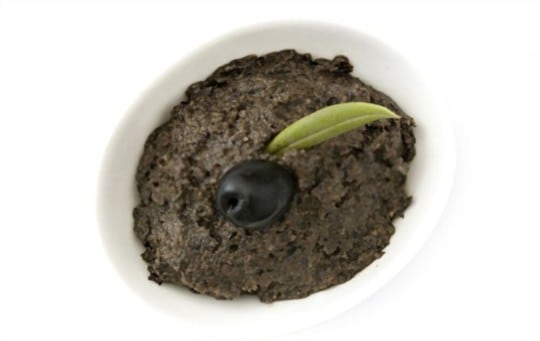
Anchovy paste and fillets are both derived from the same fish known as anchovy.
They are commonly used in various dishes due to their distinct umami flavor.
Both paste and fillets contribute a bold, salty flavor to any dish they are added to, making them an excellent seasoning agent.
The fish is also a great source of omega-3 fatty acids which makes it nutritious for daily consumption.
Anchovy paste and fillets are used in equal measure when adding the seasoning to recipes.
They can be easily substituted for each other, depending on personal preference or recipe requirements.
They have a similar shelf life when stored under optimal conditions; unopened tubes of anchovy paste can last up to 1 year, while opened jars of anchovy fillets can last 2 weeks if properly refrigerated.
In addition to their flavor-improving abilities in cooking, anchovy products are also noted for their medicinal properties.
Anchovies help reduce inflammation due to its high omega-3 acid ratio.
As a result, they may lower the risk of heart diseases and arthritis.
For another paste-versus-whole example that highlights how texture and use can shift between forms, see Amish Paste vs Roma tomatoes comparison guide.
Cooking Tips and Recipes for Anchovy Paste and Fillets
Anchovy paste and fillets are two different forms of anchovies that can be used in cooking.
Both have unique properties that make them ideal for certain recipes.
Anchovy paste is more convenient to use, as it can be easily mixed in sauces, dips, dressings, and spreads without any hassle.
On the other hand, anchovy fillets are best suited for dishes where you want a strong, concentrated flavor and texture.
When using anchovy paste, remember that a little goes a long way.
It is a potent ingredient that adds depth of flavor to any dish.
You can use it to make Caesar salad dressing, pasta puttanesca sauce, or even add a dollop on top of pizza.
Anchovy fillets are perfect for adding texture and saltiness to classic dishes like puttanesca pasta or tapenade spread.
One unique feature of anchovy fillets is its versatility in improving the flavors of meats like chicken and fish.
Adding an anchovy fillet along with garlic and herbs underneath the skin before roasting will improve the taste profile of your meat dish significantly.
When balancing acidity in dressings and sauces, compare white cooking wine vs white wine vinegar differences to choose the best match for anchovy-forward recipes.
When to Use Anchovy Paste or Fillets
While both anchovy paste and fillets come from the same fish, there are notable differences in their texture, flavor, and uses.
Anchovy paste is made by grinding preserved anchovies into a smooth, spreadable consistency.
On the other hand, anchovy fillets are preserved whole or sliced in salt or oil.
Both options offer distinct flavors and textures that can improve any recipe to new heights.
For other pantry comparisons, review tomato powder vs tomato paste comparison and tamarind concentrate vs paste differences to see how concentrated and paste forms change usage.
Frequently Asked Questions
It's the showdown we've all quietly pondered while rummaging through our kitchen cabinets. They share some similarities but each has qualities that make it better suited for certain recipes.
It depends on the dish. Anchovy Paste and Fillets share some overlap, but each shines in different preparations.
Swapping works best in forgiving recipes like soups or stews.
Pricing varies by brand and region, but one is typically more accessible at everyday price points. The other may cost more due to specialization or limited supply.
Is there a best time to use each one?
One shines in applications requiring subtlety and background support.
The other is better when it is meant to be a center.
Matching the right one to its role makes a noticeable difference.