
In the epic showdown of cured meats, we've got prosciutto and ham climbing into the ring.
What sets them apart, anyway?
Their differences stretch further than just the counter at your local delicatessen. We've been through the trials, tasting and testing, so you get the lowdown without the runaround.
Prosciutto, that salt-cured darling, hails from Italy with a flavor that's as rich as its history.
Ham? It's the familiar comfort food that fills sandwiches and holiday plates around the globe.
Each has its own vibe, its own fan club.
We're here to slice through the confusion, offering you the juicy details with a side of chuckles.
For a closer look at how concentrated components differ from overall taste, see the extract vs flavor comparison explaining differences.
What is Prosciutto?
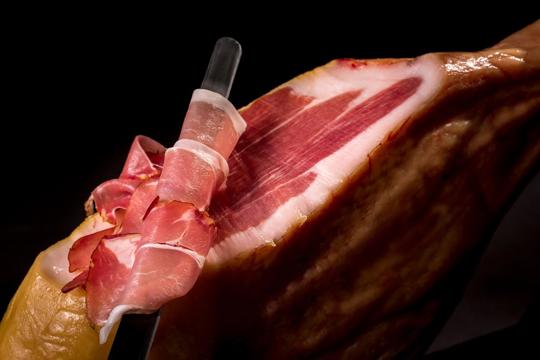
Prosciutto is a beloved Italian ham.
It's made from pork hind leg, which goes through a curing process with salting and air-drying.
The result is thinly sliced meat that melts in your mouth with a rich flavor.
Prosciutto can be eaten on its own or used as an ingredient in dishes.
Making prosciutto requires great craftsmanship and time; the ham is cured for 9 months to 2 years.
There are two main types: Prosciutto di Parma from the Parma region and Prosciutto di San Daniele from Friuli Venezia Giulia.
Each type has its unique flavor due to climate and pig-feeding regulations.
Prosciutto provides an excellent taste experience.
Its texture, aroma, and flavor make it irresistible for food connoisseurs.
Enjoy it as part of an antipasto platter or top a pizza with it - either way, it adds an extra-special touch to any meal.
If pairing prosciutto in a menu that ends with lemon desserts, consider flavor contrasts highlighted in what goes well with lemon in desserts.
What is Ham?
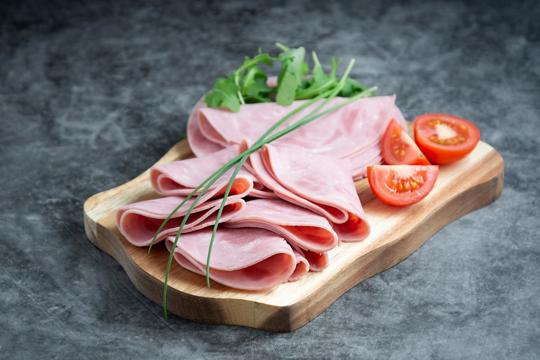
Ham is a type of meat, derived from the hind leg of a pig.
It's cured through salting, drying or smoking, to preserve and improve the flavor.
The curing process varies by region.
Ingredients like spices, herbs or even wine may be used for flavoring.
Each region has their own unique style of ham, with distinct flavors and textures.
Ham can be served many ways - sliced thin for sandwiches, diced for omelets or salads, or baked whole.
It's a staple in many cuisines, offering delicious options to please any palate.
For casual serving ideas, ham pairs well with many dips and spreads; see what to eat with guacamole for pairing ideas for inspiration.
Differences Between Prosciutto and Ham
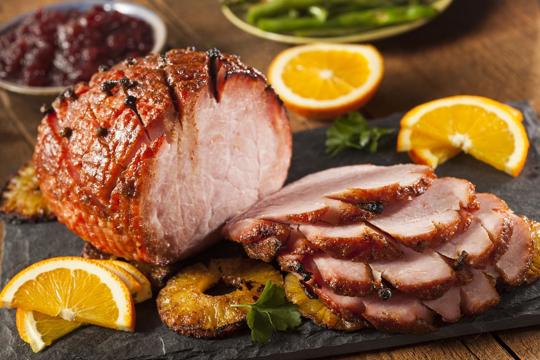
Prosciutto and ham may seem similar.
Yet, they have distinct differences - see Speck vs Prosciutto comparison to explore how related cured meats differ.
Origin
Prosciutto and ham have been around since ancient times.
This art of preserving meat began in Europe, mainly Italy, Spain, and France.
Prosciutto, a type of dry-cured ham, was first made in Roman times.
It was a way to keep pork fresh in the colder months.
It requires curing the hind leg of a pig with salt and letting it air dry for a while.
Ham is much more varied.
It usually refers to pork that's been brined or smoked.
Prosciutto has a unique flavor and texture due to aging.
On the other hand, hams can be sweet, like Virginia hams, or smoky, like German hams.
It's amazing to think these two foods have the same origin, but are now so different.
Prosciutto and ham are both evidence of mankind's creativity in preserving pork.
Curing Process
The curing of prosciutto and ham is essential in telling them apart.
It involves salting, drying, and sometimes smoking to improve flavor and texture.
The secret is in the specific techniques deployed during curing - including what salt is used; read curing salt vs regular salt comparison for specifics.
Prosciutto undergoes a distinct form of dry curing.
It is heavily salted and left to air-dry for many months or years.
This gets rid of moisture and brings out the meat's natural flavors.
The result is a tender, melt-in-your-mouth texture with a unique savory taste.
Ham, though, can be cured in many ways.
Wet brining, for instance, involves submerging the meat in a mix of salt, sugar, water, and other seasonings for a period.
Dry-cured hams are instead rubbed with salt and spices before being hung up to dry.
In contrast to prosciutto's long curing period, hams are usually cured for a shorter time, ranging from several days to weeks.
This yields a firmer texture and more intense flavors than prosciutto.
By understanding these exclusive distinctions in the curing process, you can understand the particular qualities that make prosciutto and ham special on your plate.
Cut and Texture
Three key points to consider:
- Prosciutto: Delicate slices, often done by hand, give this Italian delicacy a translucent texture.
- Ham: Thick slices, whole/half pieces, with a firmer texture - all depending on the type and preparation.
- Dry-Cured vs Wet-Cured: Prosciutto goes through a dry-curing process - salting and air-drying over several months. This method makes it tender. Wet-cured or smoked ham gives a strong texture.
Plus, marbling throughout its flesh - that's what gives Prosciutto its flavor.
It sets it apart from hams, making it a must-have for charcuterie boards and gourmet dishes.
The bottom line - similarities between Prosciutto and Ham, but their cuts and textures give you diverse cooking experiences.
Choose between delicate melt-in-your-mouth Prosciutto or hearty, traditional ham.
flavor
Prosciutto and ham may appear similar, yet their flavors are vastly dissimilar.
Prosciutto, an Italian cured meat, has a smooth texture and a slight nutty taste.
Aging brings out its subtle sweetness, resulting in a unique umami flavor.
It's often eaten alone or accompanied by fruits and cheeses.
Ham, on the other hand, has a bolder and stronger flavor.
The curing process of ham involves smoking or seasoning with spices, giving it a distinct tanginess and smokiness.
This makes it great for sandwiches and cooked dishes that need a bolder taste.
The flavor also depends on the type of ham.
For instance, Virginia-style ham is salty-sweet due to the sugar used in the curing process, while country-style ham is known for its intense saltiness.
Prosciutto offers a delicate, nutty flavor with hints of sweetness.
Ham, on the other hand, provides a bold and pronounced taste with smoky undertones.
Both offer a unique flavor that makes them versatile in various culinary applications.
Whether you choose the subtlety of prosciutto or the boldness of ham, you'll be sure to enjoy the pleasant flavors they bring.
Similarities Between Prosciutto and Ham

Prosciutto and ham have an origin in common - for a side-by-side look at another cured meat, see Prosciutto vs Salami comparison.
Both are types of cured pork, salted to preserve them and amp up the flavor.
Enjoy both hot or cold in numerous dishes.
Still, each has its own unique qualities.
Prosciutto is a special Italian dry-cured ham, well-known for its delicious taste and texture.
It's made from the hind leg of a pig and aged for around 18 months.
Ham is a general term for cured pork, with a variety of styles and preparations.
Different cuts of meat, such as the leg or shoulder, can be used.
Curing techniques differ according to regional customs.
Ham can be cooked or smoked.
Prosciutto and ham can both be sliced thin for sandwiches or snacks.
But prosciutto is often eaten raw, with thin slices draped over melon or wrapped around grissini.
Ham is great for sandwiches and cooked dishes like stews.
Culinary Uses and Pairings
Prosciutto & Ham: Culinary Uses & Pairings.
Prosciutto & ham both have unique uses.
Prosciutto has a delicate flavor & tender texture.
It's often served on its own, or wrapped around fruits & cheeses.
It has an intense umami taste making it great for pizzas, salads, & pasta.
Ham is very versatile.
It's used in sandwiches, soups, & casseroles.
It has a rich & smoky flavor when cooked or smoked.
Both can be added to charcuterie boards & antipasto platters.
The perfect combination for wine or cocktails.
Prosciutto & ham offer a wide range of culinary possibilities for chefs & foodies alike.
Popular Varieties of Prosciutto and Ham
Prosciutto and ham may look alike, but they're different.
Prosciutto is a well-known Italian cured meat made from pork leg.
Ham is any cut of pork preserved through salting, smoking, or curing.
Each has its own taste, texture, and production method.
Popular prosciutto includes Prosciutto di Parma.
This delicacy comes from the Parma region with a sweet and delicate flavor.
Prosciutto di San Daniele hails from the Friuli-Venezia Giulia region.
It has a nuttier taste due to breezes from the Adriatic Sea during aging.
Ham is plentiful - explore how styles vary in the Sugar Cured vs Country Ham comparison.
Spanish jamón serrano is dry-cured with sea salt and air-dried at high altitudes for over a year.
It's famous for its rich flavor and smooth texture.
Prosciutto takes more time to cure--9 months to two years.
This slow process gives it its distinct taste and tenderness.
Different types of ham have shorter curing times based on regional traditions and methods.
Flavor and Usage Differences: Prosciutto vs Ham
After reading all about the differences between prosciutto and ham, it is clear that there are some subtle nuances in their flavors and textures.
Discriminating palates may prefer one over the other based on the unique characteristics of both.
While they may be interchangeable in many recipes, they do bring their own special qualities to the table.
The best way to determine your favorite is to give them both a taste and decide for yourself.
As you come to understand how these two popular Italian meats differ from each other, you will soon become a prosciutto or ham connoisseur - able to recognize even small subtleties between these savory meats.
And one thing's for sure - both prosciutto and ham can make an amazing addition to any meal.
For regional cured ham comparisons, see Serrano Ham vs Iberico comparison. For differences by cut and use, consult Pork Shoulder vs Ham differences.
Frequently Asked Questions
Truth is, their differences stretch further than just the counter at your local delicatessen. They share some similarities but each has qualities that make it better suited for certain recipes.
In many recipes, yes. Prosciutto and Ham fill similar roles, though each brings its own character.
Try a small test batch before committing to a full swap.
Availability varies by region. One is usually a standard grocery store item while the other may require a specialty or international market depending on where you live.
Can a beginner tell the difference by taste?
In a side-by-side tasting, yes.
The difference becomes less obvious when mixed into a recipe with other ingredients.
Most people notice the distinction more clearly on its own.