
In the ring of spicy foods, two giants stand tall. Ghost Pepper and Scotch Bonnet.
We've all heard of them, right? These aren't your average chili peppers.
They pack a punch that could knock the socks off a giant. Now, we're not saying we're pepper professionals, but we've had our fair share of spicy encounters.
And trust us, it's been a wild ride.
Ghost Pepper, notoriously known for setting your mouth on fire, and Scotch Bonnet, with its fruity kick, are not to be taken lightly. We learned that the hard way.
Each has its own flair and fire. Ever bitten into a Ghost Pepper and felt like calling the fire department?
We have. Or chopped a Scotch Bonnet and accidentally rubbed your eye?
Yep, guilty.
Join us as we get into what makes these peppers tick.
What is Ghost Pepper?
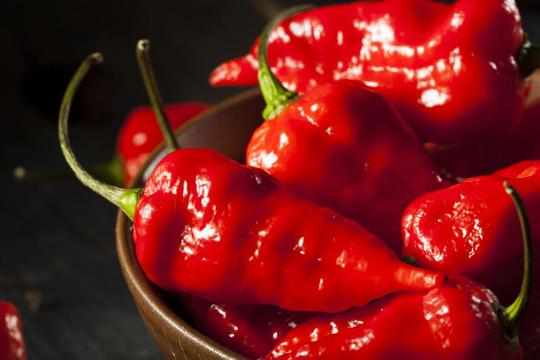
Ghost Pepper is a truly fiery chili pepper from the Capsicum chinense plant.
Five points about it:
- From Northeast India, 'Bhut Jolokia' had the Guinness World Record as hottest pepper until 2013.
- It's red and wrinkly, with a Scoville heat unit ranging 855,000 to 1,041,427.
- The spice is thanks to capsaicinoids, which can create burning sensations when consumed.
- It offers smoky and fruity flavours - handle with caution.
- Often used as a secret ingredient in hot sauces, salsas and even chocolate.
Plus, Ghost Pepper has possible health benefits such as pain relief and increased metabolism.
But too much or wrong handling can lead to bad effects like mouth burns or GI issues.
What is Scotch Bonnet?

Scotch Bonnet peppers are fiery.
They come from the Caribbean.
They look like a bonnet, and their heat is intense - it can leave even the toughest of palate aflame.
Scoville heat ratings range from 100,000 to 350,000 units, which makes Scotch Bonnets one of the hottest peppers globally.
They have a fruity and floral flavor, and an aroma that's both spicy and sweet.
The Scotch Bonnet is different from the Ghost Pepper.
It has a slightly sweeter tone which balances out its extreme spiciness.
It's great in hot sauces and marinades, and traditional Caribbean dishes like Jamaican jerk seasonings.
Scotch Bonnets are more than just hot.
They can be used for medicinal purposes, and contain high levels of vitamins A and C.
Scotch Bonnets bring character to dishs with their heat, fruity flavor and captivating aroma.
But beware - you never know how intense the burn may be.
Regional drinks reflect local history; see a Scotch ale vs Scottish ale comparison to understand how similar names can mean different traditions.
Heat Levels of Ghost Pepper and Scotch Bonnet
Ghost Pepper and Scotch Bonnet are both infamous for their extreme heat.
Ghost Pepper, or Bhut Jolokia, is from India, and Scotch Bonnet is from the Caribbean.
These peppers have distinguishing features.
Ghost Pepper has an average Scoville rating of over 1 million.
It has a slow heat build-up, leaving a burning sensation on the tongue and lips.
Its flavor is smoky and fruity, improving food.
Scotch Bonnet has a Scoville rating of 100,000 to 350,000.
Its heat is intense and searing.
Its flavor is fruity and tropical, making it a favorite in Caribbean cooking.
These two peppers differ not only in their heat levels, but also in their appearances.
Ghost Peppers are small and wrinkled and come in red or orange.
Scotch Bonnets are bigger and rounder, with yellow or red hues.
These peppers can spice up any dish but should be used wisely to appreciate their unique flavors.
Whether you like the slow heat of Ghost Pepper or the immediate heat of Scotch Bonnet, these chili peppers add zest to any meal.
For a deeper look at how spice forms vary, read the chili powder vs cayenne pepper comparison for insight into how processing changes heat and flavor.
flavor Comparison between Ghost Pepper and Scotch Bonnet
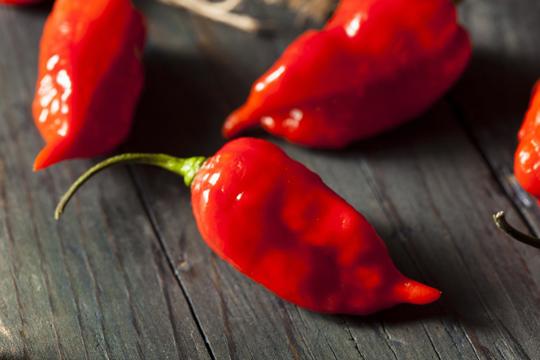
Ghost Pepper and Scotch Bonnet may seem similar, but their flavors are unique.
Ghost Pepper, or Bhut Jolokia, is famous for its high heat level and smoky taste.
Scotch Bonnet, on the other hand, is a combination of heat and fruity sweetness.
Ghost Pepper is scorching.
It has a Scoville rating of over one million and will build up to a peak intensity.
It also brings a smoky flavor to dishes.
Scotch Bonnet is slightly milder with a Scoville rating of 100,000 to 350,000.
It brings a tropical twist with its fruity sweetness.
Plus, it adds tangy undertones to recipes.
Both peppers can spice up any dish.
But Ghost Pepper is more about intense heat and smokiness, while Scotch Bonnet offers a balance of heat and sweetness.
To separate concentrated taste from overall profile, check the extract vs flavor comparison explaining how intensity and nuance differ.
Culinary Uses of Ghost Pepper and Scotch Bonnet
Ghost Pepper and Scotch Bonnet are well-known for their fiery heat.
Yet, they also bring unique flavors to various dishes.
Ghost Pepper is the spiciest of the two.
It adds heat and depth to curries, chutneys, and sauces.
Its smoky flavor enhances grilled meats, and some daring cooks even use it to spice up desserts like truffles.
Scotch Bonnet has a distinct fruity-tropical taste and is a staple in Caribbean cuisine.
It brings out the flavor of jerk chicken or pork, and complements seafood dishes.
Its fruity notes make for a great marinade or hot sauce.
While both peppers are great for adding flavor, each has unique culinary characteristics.
Ghost Pepper's smoky undertones give an extra punch to dishes.
On the other hand, Scotch Bonnet's fruity taste provides a nice Caribbean twist.
For milder pepper options and how they change dishes, review the pimiento vs bell pepper comparison that highlights flavor and texture differences.
1 - Cuisines and Recipes
Ghost peppers and Scotch Bonnets bring special flavors and heat levels to various dishes.
Ghost peppers, AKA Bhut Jolokia, are native to India and have a Scoville rating of over 1 million units, making them one of the world's hottest peppers.
They add smoky, sweet flavor to dishes like Indian curries, hot sauces, and more.
Scotch Bonnets are from the Caribbean and have a Scoville rating of 100,000-350,000 units.
They have a fruity, tropical taste with hints of citrus and sweetness.
They are perfect for Caribbean stews, jerk marinades, spicy salsa, and more.
When cooking, it's important to understand the flavors and heat levels of these peppers to create balanced and delicious recipes.
2 - Hot Sauces and Seasonings
Hot sauces and seasonings are great for adding flavor and a kick to our meals.
Whether it's a fiery ghost pepper or a bright scotch bonnet, each spice has its own unique heat.
These condiments take ordinary food to extraordinary cooking experiences.
Hot sauces and seasonings have the power to transform dishes.
They infuse intensity and character that can't be replicated by any other ingredient.
A dash of hot sauce or sprinkle of seasoning can awaken our palate and bring us on a flavorful journey.
Ghost peppers and scotch bonnets are known for their high levels of heat, but they differ in origin, flavor, and appearance.
Ghost pepper (bhut jolokia) comes from India and is ranked high on the Scoville scale.
Scotch bonnet is from the Caribbean and has a distinct fruity flavor.
Ghost peppers have a wrinkled exterior, while scotch bonnets are smoother with more defined ridges.
These peppers are used in hot sauces and seasonings around the world.
Spice enthusiasts seek out their intense heat and flavor.
Experiment with different varieties like ghost pepper and scotch bonnet.
Let your palate explore the complex layers of heat and flavor these ingredients offer.
When choosing communal cooking styles to showcase sauces, the hot pot vs fondue comparison outlines how different serving methods affect flavor sharing.
3 - Pickling and Preserving
Pickle and preserve ghost peppers and Scotch bonnets? Yes.
This culinary practice extends the life of these ingredients.
Vinegar, salt, and spices help pickling.
Garlic, coriander seeds, and mustard seeds add flavor and go with the pepper's heat.
Preserving can also be done by making sauces and jams with peppers, sugar and salt.
Be sure to wear gloves.
The peppers can cause burning if they contact skin or eyes.
Clean jars with sterilization techniques for best pickling results.
For pickling chemistry and safety, consult the pickling lime vs alum comparison to understand which agents affect texture and preservation.
Handling and Safety Tips for Ghost Pepper and Scotch Bonnet

There are a few steps for safe enjoyment.
These peppers pack heat, so take precaution.
For differences in dried-crushed form and how they distribute heat, see the crushed red pepper vs chili flakes comparison that explains usage and potency.
- When handling, wear gloves. Don't touch your face or eyes. Also, work in a well-ventilated area due to powerful aroma.
- For culinary use, remove seeds and membranes. This reduces heat but doesn't affect flavor too much.
- If not used to spicy food, start small. Gradually increase, so you can appreciate flavors without too much discomfort.
- Store properly. Put in an airtight container away from sunlight and moisture. This preserves heat and flavor.
Heat Levels: Ghost Pepper vs Scotch Bonnet
Ghost pepper and scotch bonnet flavors are different.
Ghost pepper is well-known for its extreme heat, measuring 1 million Scoville heat units.
The scotch bonnet is milder, with 100,000 to 350,000 Scoville units.
Ghost peppers have fiery heat and a subtle sweetness.
Scotch bonnets have a fruity, tropical taste with citrus and tropical fruit notes.
Ghost peppers are used to make hot sauces and marinades.
Scotch bonnets are used in Caribbean cuisine, like jerk chicken and pepper sauce.
Although similar, ghost peppers and scotch bonnets have their own unique qualities.
Spice lovers can enjoy intense heat or bold tropical flavor from these peppers.
Frequently Asked Questions
The Scotch Bonnet is different from the Ghost Pepper. They share some similarities but each has qualities that make it better suited for certain recipes.
Often, yes. The two share enough common ground that most palates won't notice a swap.
Ghost Pepper is usually milder while Scotch Bonnet brings more intensity.
Nutritional differences exist but are often minor in typical serving sizes. Neither is universally healthier - it depends on what specific nutrients or dietary goals you are focused on.
Which stores better after opening?
Once opened, one keeps better in the refrigerator with proper sealing.
The other may oxidize or separate more quickly, so using it promptly or in smaller quantities works better.
Pepper Jack vs Monterey Jack: cheese comparison shows how spicy cheese choices affect pairings. Irish Whiskey vs Scotch Whisky: spirit comparison explains regional flavor differences that mirror how peppers vary by origin.