Ever stood in the dairy aisle, bewildered by the many cream options? Table cream vs. heavy cream - what even is the difference?
It's like trying to decipher an ancient script.
Ready to whip up a dish, recipe in hand, and bam! The cream conundrum strikes.
It's confusing, right?
Gather around. We're about to break it down.
Simple, no frills. Just the creamy facts.
Table cream, light, a friend to coffee. Heavy cream, thick, the go-to for whipping.
Two contenders, one question - which cream reigns supreme for our kitchen escapades?
What is Table Cream?
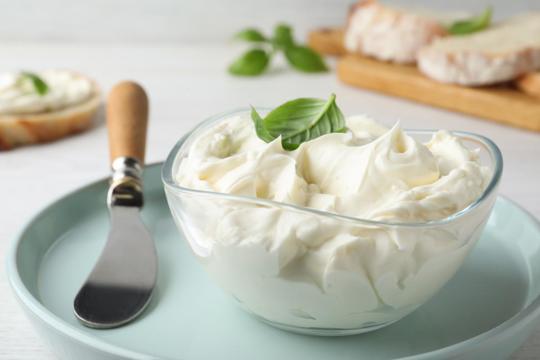
Table cream is a creamy dairy delight.
Its smooth texture and luscious flavor improve savory and sweet recipes.
Made from cow's milk, it has more fat than regular milk, creating a velvety consistency.
It is highly versatile in the kitchen.
It whips into decadent toppings for pies, tarts, and cakes.
It also adds luxury to morning coffee or tea.
Plus, it can withstand high temperatures, making it perfect for soups and sauces.
Table cream offers nutritional benefits too.
It contains calcium and vitamin D for strong bones and teeth.
Its high fat content gives energy.
Table cream is a must-have in the kitchen.
It adds richness to dishes and creates tasty desserts.
Enjoy its indulgent flavor.
What is Heavy Cream?
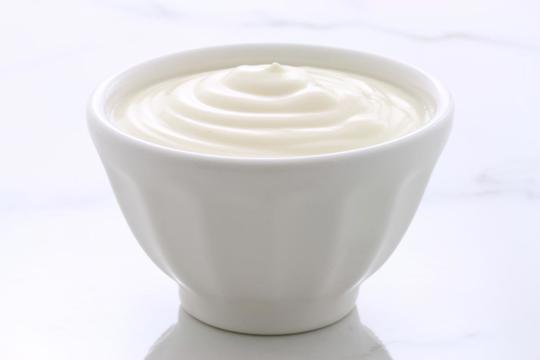
Heavy cream, also known as heavy whipping cream, is a decadent dairy product with a high fat content.
Used to add creaminess to dishes, this treat is thicker than regular milk due to its higher butterfat content.
This gives it a smooth, velvety texture and a luxurious taste.
The cream can be whipped into stiff peaks, making it perfect for creating fluffy whipped cream to top desserts.
Its high fat content allows it to hold its shape for longer.
Plus, it's often used as a base ingredient in homemade ice creams or custards.
Although tasty and versatile, heavy cream has a high calorie and saturated fat content.
So, it's important to enjoy it in moderation.
Despite this, chefs and home cooks still love it for its smoothness and flavor-improving qualities.
Key Differences Between Table Cream and Heavy Cream
Table cream and heavy cream differ in many ways.
1 - Fat Content
Table cream and heavy cream have a great difference in fat content.
Table cream has lower fat, making it a lighter choice for cooking.
On the other hand, heavy cream has higher fat.
This gives it a richer taste.
Table cream has 18% milk fat.
This is good for adding richness without overpowering a dish.
It's also ideal when watching calorie intake.
Heavy cream has much higher milk fat, usually 36-40%.
This makes it great for dishes like soup, sauce, and desserts.
It'll give them a decadent taste and texture.
Heavy cream is thicker than table cream.
This makes it good for recipes needing thickness or binding ingredients.
Table cream and heavy cream have different fat content.
Table cream has 18% milk fat, while heavy cream has 36-40% milk fat.
You should decide which one to use based on the flavor and texture for the dish.
2 - Thickness and Consistency
Thickness and consistency set table cream and heavy cream apart.
Table cream is lighter, good for topping desserts or in coffee.
On the flip side, heavy cream is thicker and richer.
It's great for whipping or adding creaminess to soups and sauces.
Each type of cream has its own purpose in cooking.
3 - Culinary Uses
Table cream and heavy cream have different culinary uses.
Table cream has lower fat content and lighter texture, making it perfect for pouring on desserts or adding a creamy touch to soups and sauces.
Its mild flavor accents meals without overpowering other ingredients.
Heavy cream has higher fat content and is great for creating rich textures in whipped cream, ice creams, custards and creamy pasta sauces.
Its richness improves the food.
Besides, heavy cream can also be used to make homemade butter or give coffee or hot chocolate a velvety smoothness.
4 - Whipping Ability
Table cream and heavy cream have different whipping abilities.
Table cream won't whip, but heavy cream can be whipped to make it light and fluffy.
This is because of the fat content.
Heavy cream has 36% fat, which makes it possible to trap air when whipped.
Table cream only has 18% fat, which isn't enough to support the air bubbles.
So if you need a cream you can whip for desserts or toppings, get heavy cream.
Similarities Between Table Cream and Heavy Cream

Table cream and heavy cream have a lot in common.
They're both rich, creamy, and add a lusciousness to dishes.
Their high-fat content gives them a smooth texture.
Plus, they both offer calories and essential vitamins like A and D.
Both can be whipped into stiff peaks for the perfect topping or garnish.
However, there are some differences.
Table cream has a lower fat content than heavy cream - 18% milkfat vs 36% or more.
Heavy cream is thicker and denser.
It creates a luxurious mouthfeel.
When choosing the right cream, these subtle differences are important.
Pick the perfect one for your needs.
How to Substitute Table Cream for Heavy Cream and Vice Versa
Swapping table cream for heavy cream, or vice versa, requires knowledge of the differences and making adjustments.
Here's a guide:
- If you need heavy cream instead of table cream, get ready. Heavy cream has a higher fat content. Therefore, for each cup of table cream, use ⅞ cup of heavy cream and ⅛ cup of butter.
- Conversely, if you're using table cream instead of heavy cream, note that it has a lower fat content. So, for each cup of heavy cream, use one cup of table cream. Also, take away 1 tablespoon of butter or oil from the recipe.
- Using table cream in place of heavy cream? Know that the texture and richness may be slightly different. You might need to make adjustments to get the desired results.
- Using heavy cream instead of table cream? Expect a lighter consistency. Plan accordingly if you're aiming for a certain texture or thickness.
- These substitutions work best in cooking, not baking. Baking is precise, and changes in fat content can change the outcome. So, it's best to stick to the specified ingredient in baking recipes.
Bottom line: Knowing the distinctions between table cream and heavy cream allows for successful substitutions.
By making suitable changes based on fat content, you can still get the desired texture.
Choosing Between Table Cream and Heavy Cream
After breaking down the differences between table cream and heavy cream, each has their strengths and weaknesses.
Table cream is cost effective and makes for a good pick-me-up especially when used in coffee or desserts, however it doesn't stand up as well in sauces or dishes calling for more heft.
Heavy cream is stronger and adds richness wherever its called for, but may not be worth spending money on if you're not using it often.
Ultimately, the choice between these two creams comes down to budgeting priorities, personal preference, and culinary needs.
If you have questions about how they could be best used for your unique needs, don't hesitate to ask around for clarification.
Frequently Asked Questions
heavy cream - what even is the difference? They share some similarities but each has qualities that make it better suited for certain recipes.
Sometimes. Table Cream works where Heavy Cream is called for in certain dishes, but not all.
Check whether the recipe relies on a specific quality before substituting.
Cold preparations like salads and dressings often favor the option with a sharper, more defined flavor. Heat can mellow both, so the distinction matters more in uncooked dishes.
Do professional cooks prefer one over the other?
Professional preference depends heavily on the dish and cuisine style.
Each has its context where it outperforms the other, so most experienced cooks keep both on hand.