Summary of key points
The main difference between hummus and tahini lies in their ingredients and purpose. Hummus is a Middle Eastern dip made from mashed chickpeas, lemon juice, garlic, and olive oil, while tahini is a paste made from ground sesame seeds.
In terms of flavor, hummus has a nutty and savory taste due to the combination of chickpeas and tahini, while tahini has a rich and slightly bitter flavor from the sesame seeds.
Another distinction is their use. Hummus is commonly used as a dip or spread for pita bread, vegetables, or crackers, while tahini is primarily used as an ingredient in dishes such as hummus or salad dressings.
Whether you're looking for a protein-packed dip or a flavorful addition to your dishes, both hummus and tahini offer delicious options that can improve your meals. Just experiment with different flavors and brands to find your favorite.
Hummus vs Tahini is the showdown we didn't know we needed until we stood clueless in the kitchen, can in one hand, spoon in the other. T4Both come from sesame seeds, yet they're as different as night and day.
One's the life of the party in dips; the other, a secret sauce in dressings.
We've all been there, mixing them up. Time to clear the air.
Hummus wraps chickpeas, tahini, and garlic into a creamy blend. Tahini keeps it simple: just sesame.
We learned this the hard way at a dinner party. Awkward.
Now, we're experts. You're welcome.
What is Hummus?

Have you heard of Hummus? It's a popular Middle Eastern dip.
It's made from mashed chickpeas, tahini, olive oil, lemon juice, and garlic.
It's creamy and tangy - a savory combo that goes with many dishes.
Plus, it's nutritious.
Chickpeas are full of protein and fiber, and it's low in saturated fat and cholesterol.
And don't forget the tahini - it has essential vitamins and minerals like calcium, iron, and magnesium.
Hummus is very versatile.
Use it as a spread, dip, or salad dressing.
Its smooth texture makes it easy to use in recipes.
Hummus adds flavor and depth to whatever you make.
What is Tahini?

Tahini is a smooth paste made from ground sesame seeds.
It's a flexible ingredient popular in Middle Eastern cuisine.
It has a rich, nutty flavor that improves many dishes.
Plus, it's packed with healthy fats and protein.
This condiment can be used in many ways.
From falafel toppings to salad dressings and sauces, it adds a unique taste and texture.
It's also great for desserts like halva and sesame cookies.
Tahini's richness improves the sweetness of these treats.
Nutritionally, tahini is a great choice.
It's high in minerals like iron and calcium, which support bone health.
And, it's packed with plant-based proteins, making it ideal for vegetarians and vegans.
Differences Between Hummus and Tahini

Hummus and tahini - they may appear similar, but they are distinct.
Both are used in Mediterranean cuisine, but for different purposes.
Ingredients Used
Ingredients are essential for making a dish.
Hummus and tahini have different ingredients.
Chickpeas, lemon juice, garlic, and olive oil are the foundation of hummus.
Tahini is mostly roasted sesame seeds blended into a paste.
Similar, each spread has its own flavor and texture.
Hummus has chickpeas for a creamy, nutty taste.
Lemon juice brings a tangy freshness.
Garlic adds a subtle kick.
High-quality olive oil improves richness and makes it velvety.
These ingredients combine to make delicious hummus.
Tahini's main ingredient is roasted sesame seeds.
They are ground into a paste with a deep nutty flavor.
The single ingredient gives it an earthy taste, that goes great with other dishes.
Preparation Method
Hummus and tahini are two yummy condiments made differently.
Hummus is made by blending cooked chickpeas with other ingredients, while tahini is made by grinding sesame seeds.
Both have distinct flavors, and can be used in different dishes.
For hummus, here are four simple steps:
- Boil chickpeas until soft.
- Drain and let cool.
- Blend chickpeas, garlic, lemon juice, olive oil, tahini, and salt.
- Mix until creamy. Check the seasoning.
Tahini requires a different process:
- Toast sesame seeds in a skillet.
- Cool then grind in a food processor or blender.
- Make into a paste-like consistency.
- Add olive oil slowly while blending. Add salt.
Customize hummus and tahini to your liking.
Add roasted red peppers or cumin to hummus for extra flavor.
Thin tahini with water or lemon juice for easier spreading.
Both are delicious and rich in fiber and healthy fats.
Texture and Consistency
Hummus and tahini appear alike, yet their texture and consistency are distinctive.
Hummus is famous for its creamy, velvety texture, making it simple to spread on bread or dip with vegetables.
Tahini, however, has a thicker, grainier consistency, almost like a paste.
Its wealthy, nutty taste adds complexity to different dishes.
Even though both have their peculiar qualities, it eventually comes down to individual choice when deciding between hummus and tahini.
Flavor and Taste
Hummus and tahini have distinct flavors for different palates.
Hummus has a creamy texture and slight nutty taste.
Tahini is bold and flavorful due to sesame seeds.
These tastes provide varied options for cooking exploration.
Hummus has a velvety texture from chickpeas, garlic, lemon juice, and olive oil.
This harmonizes the earthiness of legumes and zest of citrus.
It's a savory dip great with pita bread or vegetables.
Tahini stands out with intense sesame flavor.
Ground sesame seeds make this seed butter perfect as a spread or sauce.
It adds richness and complexity to any dish.
Both hummus and tahini can be combined in cooking projects.
Hummus is milder while tahini is a condiment to enhance flavors.
Each ingredient has its own unique characteristics to add diversity to meals.
Similarities Between Hummus and Tahini
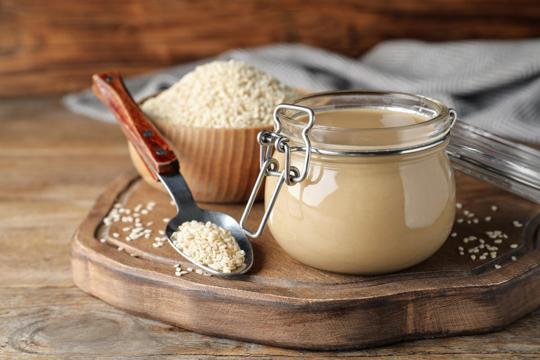
Hummus and tahini are two yummy Middle Eastern spreads.
Both are made from sesame seeds, giving a nutty taste and creamy texture.
They also give health advantages, such as being a decent source of protein and healthy fats.
Plus, they are often used in the same way, like a veggie dip or as a spread for sandwiches.
However, it is essential to remember that while tahini is a key ingredient in hummus, it can also be enjoyed alone or used in many other recipes.
This flexible sesame seed paste adds flavor and complexity to dishes, not just hummus.
Finally, hummus and tahini may have similarities, but each one has its own unique qualities that make them special in the cooking world.
Culinary Uses of Hummus and Tahini
Hummus and tahini are two yummy ingredients often used in cooking.
Hummus is a mix of chickpeas, garlic, lemon juice and tahini.
It can be eaten as a dip or spread.
People use it to add flavor to sandwiches, wraps and veggie platters.
Tahini is made from ground sesame seeds and brings a nutty taste and creamy texture to dishes.
It's a popular ingredient in Middle Eastern cuisine for dressings, sauces and desserts.
Tahini sauce is made by mixing tahini with water and lemon juice.
Both hummus and tahini offer delicious flavors that go well with many dishes.
So if you want a protein-filled spread or a tasty dressing, give hummus or tahini a try.
Health Benefits of Hummus and Tahini
Hummus and tahini are both superbly healthy snacks.
Here are some reasons why:
- Hummus is packed with protein, great for muscle growth and repair.
- Tahini contains healthy fats like omega-3 and omega-6 fatty acids, which protect your heart.
- Both hummus and tahini are full of fiber, which helps with digestion.
- Hummus also supplies vitamins C and E, powerful antioxidants.
- Tahini has minerals like iron, calcium, and magnesium, essential for bone health and nerve function.
- Eating hummus and tahini can help you maintain weight, control blood sugar, and reduce the risk of disease.
Plus, hummus comes in many flavors like roasted red peppers or black beans.
And tahini can be used to make tasty dishes like roasted vegetables or falafels.
It's all about diversity and nutrition.
So, next time you choose a dip or need a sandwich spread, reach for hummus or tahini.
Enjoy the Mediterranean flavors and the benefits they bring.
Key Differences Between Hummus and Tahini
The difference between hummus and tahini was revealed.
Hummus is a spread made from chickpeas, while tahini is a paste made from sesame seeds.
Each has its own unique flavor and texture.
We examined hummus and tahini's origins, ingredients, and uses.
Hummus is great for flavoring with herbs and spices, as a dip or in wraps and sandwiches.
On the other hand, tahini has a nutty taste and can be used in dressings, marinades, and desserts.
We also looked at the nutrition of hummus and tahini.
Hummus is high in protein and fiber, while tahini has healthy fats, minerals, and antioxidants.
Finally, we discussed the convenience of hummus and tahini.
Ready-to-eat versions are common, but people can also make their own to customize the flavors.
Frequently Asked Questions
The main difference between hummus and tahini lies in their ingredients and purpose. They share some similarities but each has qualities that make it better suited for certain recipes.
They can stand in for each other in a pinch. Hummus and Tahini overlap in some uses, but the flavor or texture will shift.
Adjust quantities to taste.
Shelf life differs based on processing and packaging. One often keeps longer unopened, while the other may need refrigeration or faster use after opening.
Which one is more forgiving in recipes?
One tends to perform more consistently across a range of cooking methods, making it the safer choice when experimenting.
The other delivers stronger results in specific applications.