
Summary of key points
The main difference between kale and mustard greens is in their appearance and taste. Kale has a dark green color with curly leaves, while mustard greens have a more bright green color with jagged edges.
In terms of flavor, kale has a slightly bitter taste that becomes milder when cooked, while mustard greens have a peppery and pungent flavor. Both are nutritious leafy greens that offer various health benefits.
Kale is often enjoyed in salads or cooked as a side dish, while mustard greens are commonly used in Southern and Asian cuisines. They can also be used interchangeably in certain recipes for added flavor and nutrition.
Kale and mustard greens stare off from opposite sides of the salad bowl. Kale, the poster child for health food, has a sturdy texture and a slightly bitter tang.
Mustard greens, however, come at you with a peppery kick.
Mustard greens might not carry the same fame as kale, yet they pack a spicy punch that livens up any dish.
Kale, on its end, has been the go-to for smoothies, salads, and everything in between. It's tough, it's leafy, and boy, does it know how to soak up a dressing.
Ever thrown a kale party? We neither.
But that's the fun of it! Each brings its unique flair to the table.
When parsing taste terminology, extract vs flavor differences clarifies how flavor components are described.
What is Kale?
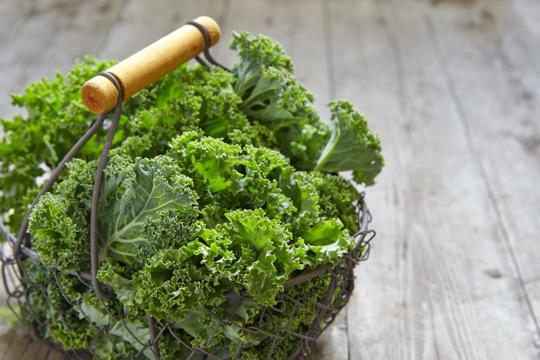
Kale is a brassica veggie with green leaves and a crunchy texture.
It is full of vitamins A, C, and K, plus minerals like calcium and potassium.
It has become popular due to its many health benefits.
Kale can be eaten raw or cooked and used in many dishes.
Its slight bitter taste makes salads, smoothies, soups, and stir-fries unique.
Kale leaves can even be baked into crunchy chips.
Kale has antioxidants, like flavonoids and carotenoids, which may reduce your risk of chronic diseases.
Also, it may help reduce inflammation, improve digestion, support heart health, and strengthen your immune system.
It is also high in fiber that aids digestion and makes you feel full.
Sulfur-containing compounds in kale, called glucosinolates, are thought to have anti-cancer properties.
Plus, its distinctive flavor makes it a good addition to other greens like mustard greens.
Kale is surely a nutritious and tasty contender on the table.
What are Mustard Greens?

Mustard greens - a popular leafy veggie - are known for their peppery and slightly bitter taste.
They belong to the Brassica family, which includes cabbage and broccoli.
High in vitamins A, C, and K, as well as calcium and fiber, they are a nutritious choice.
Enjoy 'em cooked or raw in salads, soups, stir-fries, or even smoothies.
Mustard greens have dark green leaves with jagged edges that look like oak leaves.
This adds visual appeal. While they are related to kale, they have different flavors.
Mustard greens have a pungent, peppery kick, unlike kale's neutral taste.
They also have a softer texture when cooked. Plus, they boast many health benefits.
Antioxidants help protect cells. Low in calories but high in nutrients, they're perfect for weight maintenance.
Kale and mustard greens are related and offer numerous health benefits.
But there are differences between them.
Mustard greens bring a pungent and peppery flavor and softer texture when cooked.
Their bright color and nutrient-rich nature make them a good addition to any meal.
Try sautéing 'em with garlic or tossing them in a salad - mustards greens are sure to add flavor and nutrition to your plate.
Seed variety affects mustard's spice; black vs brown mustard seeds comparison explains how seed types change flavor.
Differences Between Kale and Mustard Greens

Kale and mustard greens look alike, yet differ.
These differences make each green unique and perfect for different cooking experiences.
For another leafy comparison that highlights texture and cooking differences, see chard vs kale comparison.
Appearance and Texture
Kale and mustard greens look different. Kale is dark green with a wrinkled, curly texture.
Mustard greens can be dark green, purple or reddish. Kale has a sturdy, bitter taste.
Mustard greens are more tender and peppery. Kale has a crunch when eaten raw or cooked.
Mustard greens have a softer texture, great for stir-fries and soups.
Kale leaves are bigger and leafier than mustard greens.
Both are full of nutrients and health benefits.
flavor
Kale and mustard greens have different flavors.
Kale's is bold and earthy, with a slight bitterness.
Mustard greens have a peppery, tangy taste.
Kale's strong, hearty flavor goes well with savory ingredients.
It can be used in salads, soups, and stir-fries.
Mustard greens bring a punchy zest to dishes.
Their spiciness adds a nice kick to stir-fries, sautés, and juices.
They are known for their tanginess.
Although both belong to the same family, their flavor sets them apart.
So whether you like kale's boldness or mustard greens' spiciness, these veggies bring unique tastes to any dish.
Nutritional Content and Health Benefits
Kale and mustard greens offer two unique takes on nutrition.
Kale contains lots of Vitamin C, plus potassium and fiber.
Mustard greens, on the other hand, boast cancer-fighting benefits and are packed with calcium and iron.
Both of these greens will give you essential vitamins and minerals for well-being.
Mix them both into your diet and reap the rewards.
For a taste-focused breakdown of a common vegan seasoning, see nutritional yeast taste guide to understand its savory profile.
Cooking and Culinary Uses
Kale and mustard greens both have various culinary uses.
Kale has a filling texture and earthy flavor, so it's often used in salads, stir-fries and soups.
Plus, you can blend it into smoothies or juice it.
Mustard greens offer a unique, peppery taste.
They're popular in Southern cuisine, like braised dishes or pickled dishes.
You can even use them as a wrap for fillings.
Kale needs longer cooking times as the leaves are thicker.
Mustard greens wilt quickly and retain their color.
Nutritionally, kale is full of vitamin K, C and antioxidants.
Mustard greens are full of vitamin A, C, calcium and iron.
Both of them add depth and flavor to your meals.
If a recipe calls for acidity or cooking wine, the distinctions in white cooking wine vs vinegar uses can guide substitutions.
Similarities Between Kale and Mustard Greens

Kale and Mustard Greens may seem similar, but there are differences between them.
Both belong to the Brassica family and offer health benefits.
They have a similar taste profile and can be cooked in various ways.
Packed with vitamins A, C, and K, folate, calcium, and iron, they're great for boosting overall health.
Kale is famed for its texture and slightly bitter flavor.
It comes in varieties like curly kale, Tuscan kale, and red kale.
Mustard greens have a milder taste with notes of spiciness like horseradish or wasabi.
They boast shapes and colors such as green, red, or purple leaves with ruffled or serrated edges.
Kale's become popular due to its versatility.
It's used in salads, smoothies, soups, and even baked or dehydrated into chips.
Its sturdy leaves keep its shape through cooking methods.
Meanwhile, mustard greens are often used in Asian cuisine.
They're stir-fried or added to soups for their peppery flavor.
For a close relative comparison that highlights overlapping uses, read collard vs mustard greens comparison.
Recipes and Dishes Featuring Kale and Mustard Greens
Kale and mustard greens can liven up any meal.
These vegetables are full of flavor and good for you.
They're great in salads, soups, and stir-fries.
Kale has dark green leaves and a bitter taste.
It's wonderful in salads, when massaged in olive oil.
It also holds up in soups and stir-fries, giving dishes a crunch.
Mustard greens are colorful and spicy.
Try sautéing them with garlic and onions.
Or add them to pasta for a punch of flavor.
They're also used in pickling and fermenting due to their unique taste.
Nutritionally, kale and mustard greens are similar.
But, kale has more vitamins A, C, K, and calcium.
Mustard greens have higher amounts of vitamin E and folic acid.
Both kale and mustard greens can give your dishes an extra flavor and nutrition boost.
So, get creative and try them out.
If using mustard-derived ingredients in recipes, mustard flour vs powder uses explains which form works best.
Nutritional Differences: Kale vs Mustard Greens
Kale vs Mustard Greens have been pitted against each other for centuries as they both have unique flavors and perks.
Ultimately, based on their differences in taste, price, health benefits, and the dishes they are used in, it's entirely up to you to decide which one you prefer.
If you like a more pungent flavor and a more affordable option, Mustard Greens might be the right choice for you; or if you're looking for bright heartiness paired with various health benefits-Kale could just be your vegetable of choice.
Both are versatile vegetables that can easily be incorporated into various meals.
From stir-fries to stew recipes, these two greens will always make for delicious dishes.
Frequently Asked Questions
The main difference between kale and mustard greens is in their appearance and taste. They share some similarities but each has qualities that make it better suited for certain recipes.
Often, yes. The two share enough common ground that most palates won't notice a swap.
Kale is usually milder while Mustard Greens brings more intensity.
Nutritional differences exist but are often minor in typical serving sizes. Neither is universally healthier - it depends on what specific nutrients or dietary goals you are focused on.
Which stores better after opening?
Once opened, one keeps better in the refrigerator with proper sealing.
The other may oxidize or separate more quickly, so using it promptly or in smaller quantities works better.
kale taste explained compares popular kale descriptors. Tuscan kale substitutes guide lists solid swap options for recipes.