
In the grand scheme of leafy greens, collard and mustard greens stir the pot. These greens are not the same!
Mustard greens, with their peppery kick, contrast the earthy tone of collards.
Personal anecdote time - we once mixed them up in a recipe. The result?
A spicy surprise.
Collards are strong, slow-cookers' dream. Mustards? Quick and lively in dishes.
Now, we're breaking it down. What sets these greens apart, beyond the taste?
What are Collard Greens?

Collard greens are leafy veggies that belong to the same family as cabbage, kale, and broccoli - see turnip vs collard comparison details for how they differ from turnips.
They have large, dark green leaves with a slight bitterness and a chewy texture.
They're packed with vitamins A, C, and K, calcium, and fiber.
Southern cuisine uses collard greens in many dishes, sautéed, steamed, or braised.
They bring flavor to soups, stews, and sides.
Collard greens have a long history in Africa.
African slaves brought them to the US during colonial times.
They can endure hot climates, so they became a staple crop in Southern cooking.
Plus, collard greens offer health advantages.
Antioxidants protect against chronic diseases like heart disease and cancer.
Fiber aids digestion and gut health.
Vitamin K is important for blood clotting and bone health.
Collard greens offer an array of advantages.
They add nutrition and flavor to meals.
But what sets them apart from mustard greens? That's next up for exploration.
What are Mustard Greens?

Mustard greens are leafy veggies from the Brassica family - learn how seeds differ in black vs brown mustard seeds comparison.
They have a sharp, peppery taste that adds zing to meals.
Vitamin K in mustard greens is essential for blood clotting and strong bones.
Plus, these greens are packed with antioxidants and fiber.
You can sauté, steam, or add them to soups and salads.
When cooked, they have a bitter taste with a crunchy texture.
Try incorporating mustard greens into your diet if you're looking for some spice or new flavors.
Differences Between Collard Greens and Mustard Greens
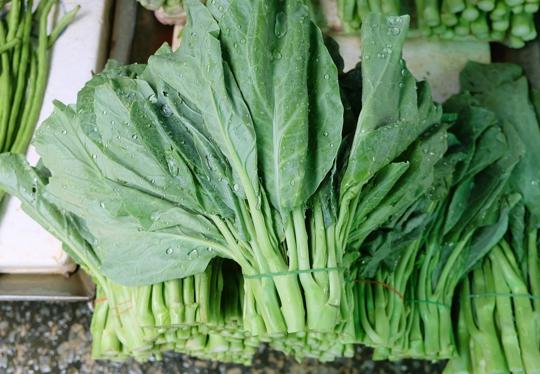
Collard greens and mustard greens look alike, so they're often confused.
Yet, they differ in flavor - compare similar leafy profiles in kale vs mustard greens comparison guide.
1 - Appearance and Leaf Structure
Collard greens have broad, smooth leaves and a loose, rosette-like arrangement.
They're dark green in color and can survive cold temperatures.
Mustard greens have frilly, jagged-edged leaves.
These can be light to dark green or even purple.
They grow more upright and compactly.
Collard greens can tolerate colder weather.
Mustard greens have a more delicate leaf structure.
This means they're less resilient to frost and low temperatures.
Both greens offer health benefits.
And they share similar tastes and textures.
But you can easily tell them apart by their different looks and leaf structures.
So choose between the broad smoothness of collard greens or the frilly elegance of mustard greens.
Both make a good addition to any nutritious meal.
The term 'loose' appears in many contexts; loose leaf vs tea bags comparison shows how 'loose' differs from bagged formats in another setting.
2 - Flavor and Taste
Collard greens and mustard greens are both flavorful, but different.
Collard greens possess a mild, sweet flavor with a slight bitter aftertaste.
Mustard greens, on the contrary, are peppery and tangy.
Each green has its own unique flavor that can be used to enhance a variety of recipes - learn how concentration affects taste in extract vs flavor comparison explainer.
Collard greens provide a subtle taste, while mustard greens give dishes a zingy kick.
Knowing these differences can help cooks create delicious dishes by choosing the right green for the desired taste.
3 - Nutritional Profile
Collard greens and mustard greens boast a variety of nutritional benefits.
Let's compare their unique profiles.
Collard greens contain high levels of vitamin K.
This is essential for blood clotting and bone health.
Plus, they offer vitamin A, folate, and calcium.
These nutrients benefit immune function, cell growth, and bones.
Mustard greens, on the other hand, are packed with vitamin C.
This is key for collagen production, wound healing, and immunity.
Plus, they contain vitamins A and K, plus manganese and potassium.
Both greens are low in calories and high in fiber.
This helps with weight and digestive health.
Plus, they contain powerful antioxidants that fight inflammation and chronic diseases.
If a savory, umami boost is desired, nutritional yeast taste guide describes a flavor that complements leafy greens.
4 - Culinary Uses and Recipes
Collard and mustard greens are two tasty veggies that can be used in a range of recipes.
Both do they add colour, they're also packed with nutrition.
Let's look at how you can use collard and mustard greens.
Collard greens have a mild, slightly sweet taste, while mustard greens have a peppery, tangy taste.
This opens up loads of options for creating unique dishes.
Try sautéing collard greens with garlic and olive oil - the natural flavors will be delicious.
Or add them to soups, stews, or stir-fries.
Mustard greens can be used in salads or sandwiches, or blanched and served as a side.
Their bold flavor can add depth to any meal.
For something really special, try combining collard and mustard greens in the same dish.
The contrasting flavors will be amazing.
Similarities Between Collard Greens and Mustard Greens

Collard and mustard greens have a lot in common.
They are both from the same cabbage family, Brassicaceae.
Plus, they have a strong, slightly bitter taste that is popular in Southern food.
Nutritional-wise, they are high in vitamins A, C, and K, fiber, and antioxidants.
Both greens are a good addition to any kitchen.
They can be steamed, sautéed, or added to soups and stews.
They look and taste different, collards and mustards have lots of benefits for a balanced diet.
For other mustard-related ingredient contrasts, mustard flour vs mustard powder differences explains how forms affect use in cooking.
Cooking and Preparation Methods for Collard Greens and Mustard Greens
Cooking collard greens and mustard greens? Try sautéing.
Heat oil, add greens and spices.
Deliciously crisp and bright.
A great side dish.
Steaming offers more nutrients and a mild flavor.
Perfect for any meal.
Braising? Brown the greens in a hot pan, then simmer in liquid - consider how liquids differ in white cooking wine vs white wine vinegar uses.
Enhances the flavors.
Prefer something traditional? Boil the greens.
Soften them quickly.
Control the bitterness by adjusting the cooking time.
Explore different techniques.
Find your favorite way to enjoy collard greens and mustard greens.
Popular Dishes and Cuisines featuring Collard Greens and Mustard Greens
Collard greens and mustard greens are staples in many dishes.
They add bright colors and unique flavors to the plate.
In the South, collard greens are cooked with smoked ham hocks to make a delicious meal.
Another popular dish is Hoppin' John, made with black-eyed peas, rice, and bacon or ham.
Mustard greens are popular in Asian cuisine.
Stir-fried or pickled, they have a distinctive spicy and tangy flavor.
A Chinese dish featuring them is pickled mustard green soup with pork belly.
The sourness of the pickled mustard greens and richness of the pork belly make for an amazing balance.
Both greens can also be found in other recipes.
In Indian cuisine, they are used to make curries and side dishes.
Plus, they can be added to salads for an extra flavor and texture boost.
Nutritional Differences: Collard vs Mustard Greens
Collard greens and mustard greens may look alike, but they have noticeable differences.
Collard greens are milder, while mustard greens are spicier and pungent.
Both are nutritional powerhouses.
Collard greens are very versatile for cooking.
They can be used in stir-fries, soups, salads, or as side dishes.
Mustard greens are popular in Southern cuisine, usually braised or sautéed with garlic or onions.
For taste specifics, see collard greens taste guide. For alternatives and swaps, consult collard greens substitutes list.
Frequently Asked Questions
Differences Between Collard Greens and Mustard Greens Collard greens and mustard greens look alike, so they're often confused. They share some similarities but each has qualities that make it better suited for certain recipes.
It depends on the dish. Collard Greens and Mustard Greens share some overlap, but each shines in different preparations.
Swapping works best in forgiving recipes like soups or stews.
Pricing varies by brand and region, but one is typically more accessible at everyday price points. The other may cost more due to specialization or limited supply.
Is there a best time to use each one?
One shines in applications requiring subtlety and background support.
The other is better when it is meant to be a center.
Matching the right one to its role makes a noticeable difference.