
Start with chopped, unsweetened dried cranberries at 1:1 by volume, because they taste closest to barberries.
- Dried sour cherries, chopped, come next.
- Dried currants taste like small raisins, so soak them in lemon juice first.
- Sweetened fruit means you skip the added sugar and add lemon.
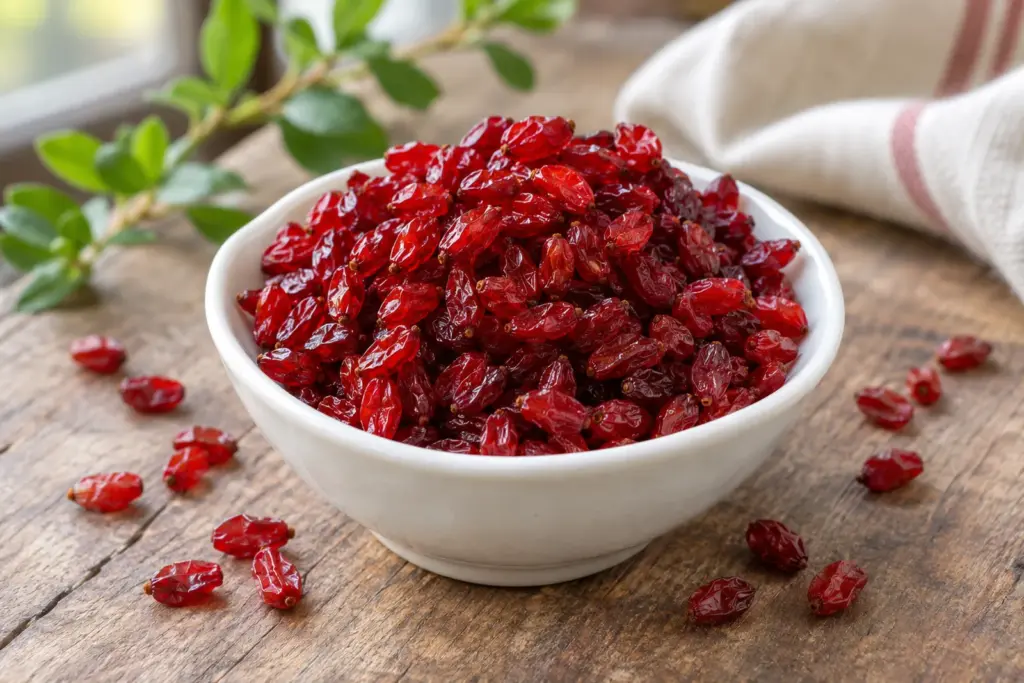
Barberries, called zereshk in Persian cooking, are tiny, sharply tart dried berries that few supermarkets stock, so you may need a substitute for a missing ingredient halfway through a recipe. The six swaps below are ranked by how close they come in tartness and size, and each one lists the sugar or acid change to make.
What Do Barberries Do in a Recipe?
Dried barberries give a dish sharp tartness, a red color and a small chew. Cook's Illustrated calls their flavor strikingly tart and similar to unsweetened dried cranberries. Tasting Table adds that their acidity livens up heavier dishes, especially mutton.
The best-known use is zereshk polo, a Persian rice dish with saffron, topped with berries. If you cook real barberries in rice, grain dishes or stuffing, Cook's Illustrated says to plump them in hot water first, and to add them sparingly to salads, vegetables and braises.
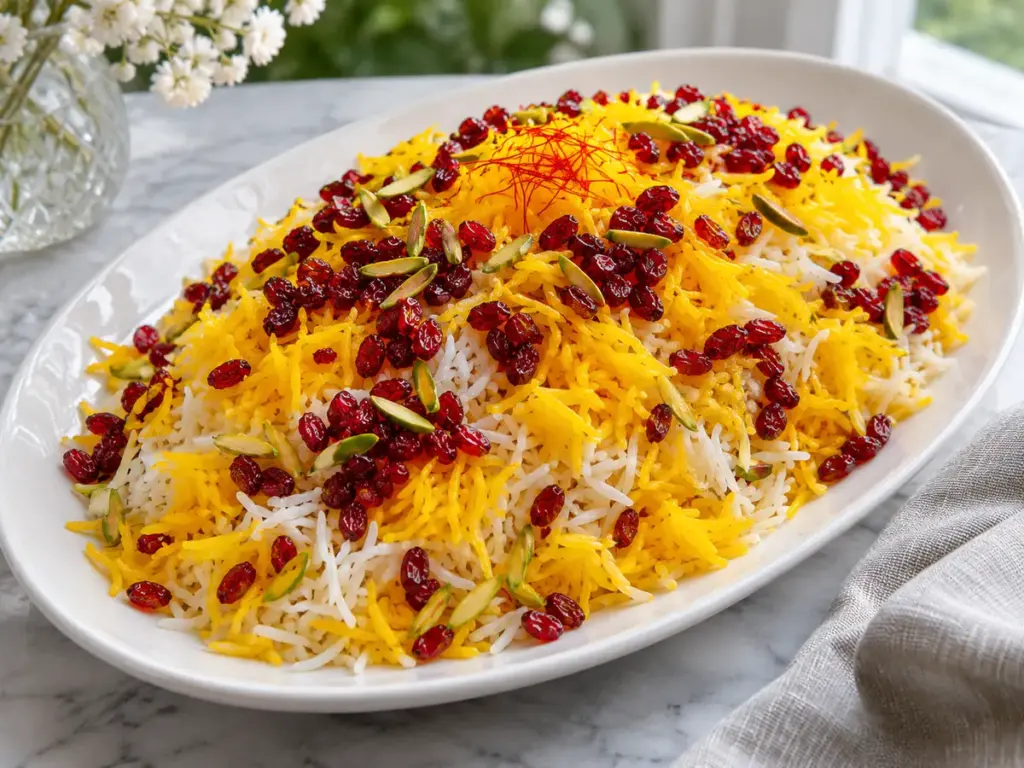
Zereshk polo recipes rinse the berries and cook them in fat with sugar. The SBS recipe sautés 1 cup for a few minutes in 2 tablespoons of butter, then adds 2 tablespoons of sugar.
The Mountain Rose Herbs recipe soaks 1¾ cups in cold water for 15 minutes, cooks them about 5 minutes on low and adds 1 tablespoon of raw sugar. That sugar is the first thing to change when you swap, because most substitutes arrive already sweet.
6 Best Substitutes for Barberries
None of the sources above gives a swap ratio, so start every swap at 1:1 by volume (a starting point, not a published ratio) and taste before you add more. You should chop anything bigger than a currant first.
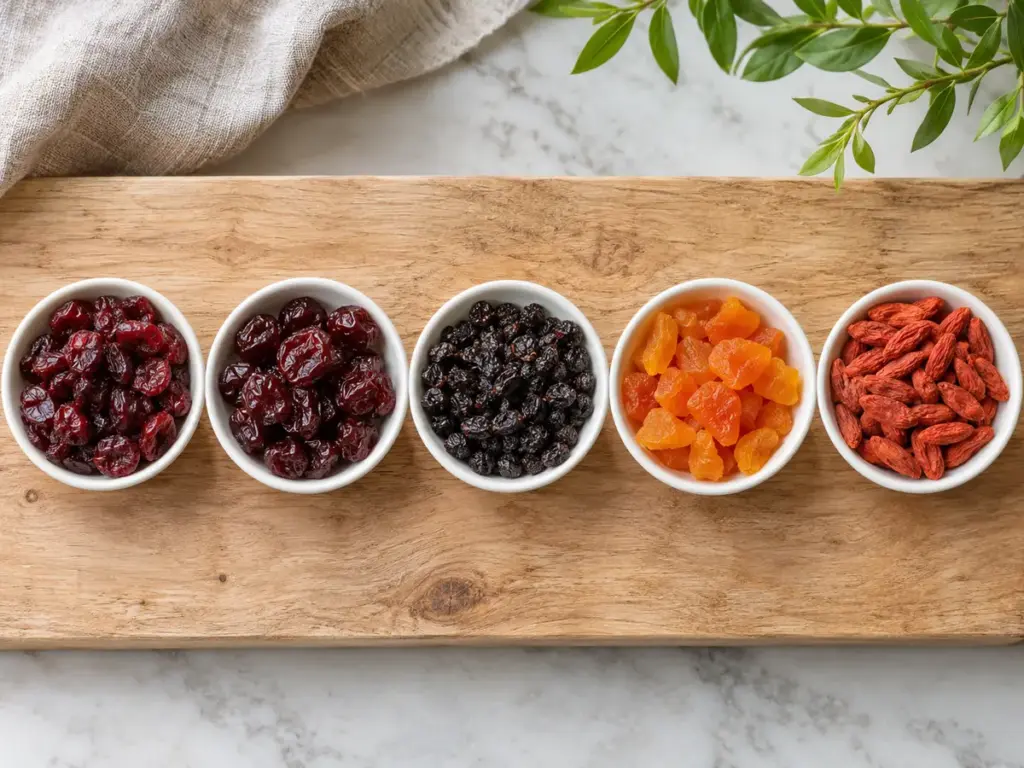
| Substitute | Closest in | What to change |
|---|---|---|
| 1. Cranberries | Flavor, red color | Sweetened: skip the sugar |
| 2. Sour cherries | Tartness | Snip, check the label |
| 3. Currants | Size | Lemon soak, no sugar |
| 4. Apricots | Mild tang | Chop small, add lemon |
| 5. Goji berries | Size, red-orange color | Plump in lemon water |
| 6. Pomegranate seeds | Juicy tartness | Add as a topping |
If you want the least work, pick cranberries or sour cherries. Goji berries and pomegranate seeds need the most fixing, because one is mild and the other cannot be cooked.
1. Dried Cranberries: The Closest Match
Cook's Illustrated puts barberry flavor next to unsweetened dried cranberries, and Tasting Table says the stand-ins it lists give the same red color. A cranberry is bigger than a barberry, so chop each one to about the size of a currant so each forkful of rice you serve gets a few pieces.
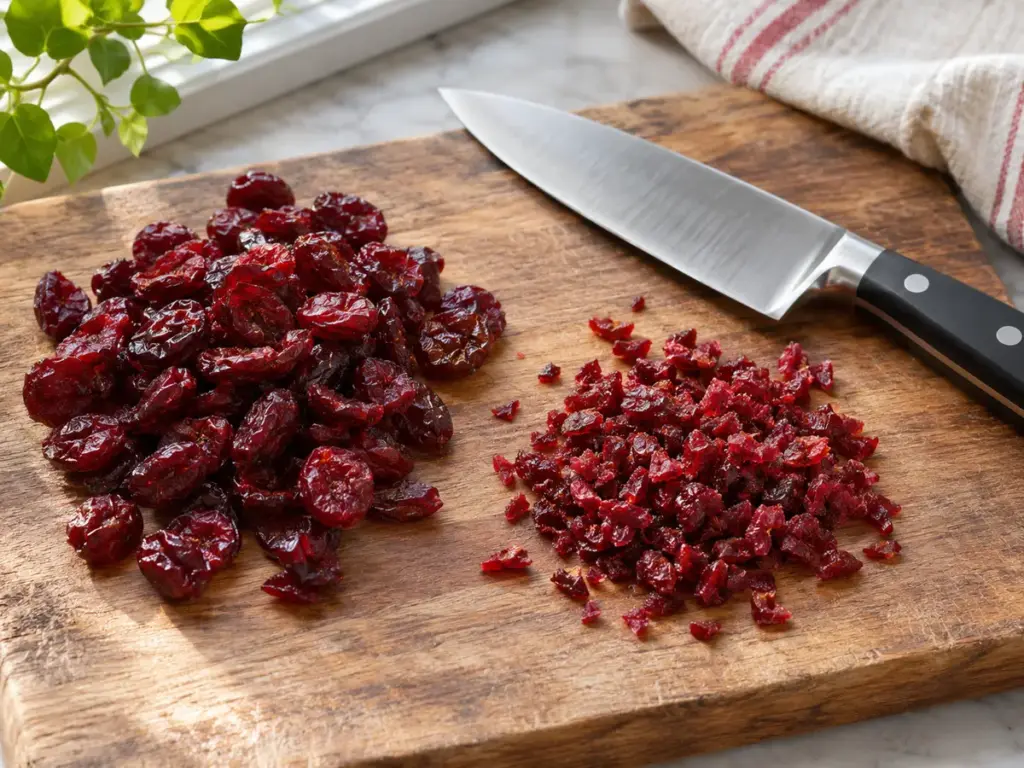
Most US supermarket cranberries are sweetened. USDA lists sweetened dried cranberries at 82.8 g of carbohydrate per 100 g (FDC 171723), so with a regular bag leave the sugar out of the pan and add a squeeze of lemon. A bag marked unsweetened keeps the recipe's sugar.
2. Dried Sour Cherries: Tart With a Fruitier Taste
Tasting Table lists dried sour cherries beside cranberries as a barberry stand-in. Each cherry is larger than a barberry, so snip it into halves or thirds before you add it to the pan.
Sour cherries are a different variety from sweet cherries with less sugar, so the bag should say "sour" or "tart". If the ingredient list also names sugar or juice, treat the bag as sweetened and skip the added sugar.
3. Dried Currants With Lemon: Right Size, Needs Acid
The "currants" in a US baking aisle are usually Zante currants, which Wikipedia describes as raisins of a small, sweet grape, unrelated to red, white or black currants. They match barberries in size but taste sweet, and USDA lists them at about 77 g of carbohydrate per 100 g (FDC 171724).
Tasting Table names lemon-soaked raisins as a stand-in, and currants take the same treatment. Fresh currants are tart, but the dried ones in your pantry are not.
4. Dried Apricots: Sweet With a Mild Tang, but Orange
Eden Foods describes its dried apricots as naturally sweet with a mild tang, which is softer than barberries, so your rice turns orange instead of red. Cook's Illustrated found unsulfured apricots sweeter and less apricot-like than sulfured ones, though it says the apricot variety shaped flavor more than sulfuring did.
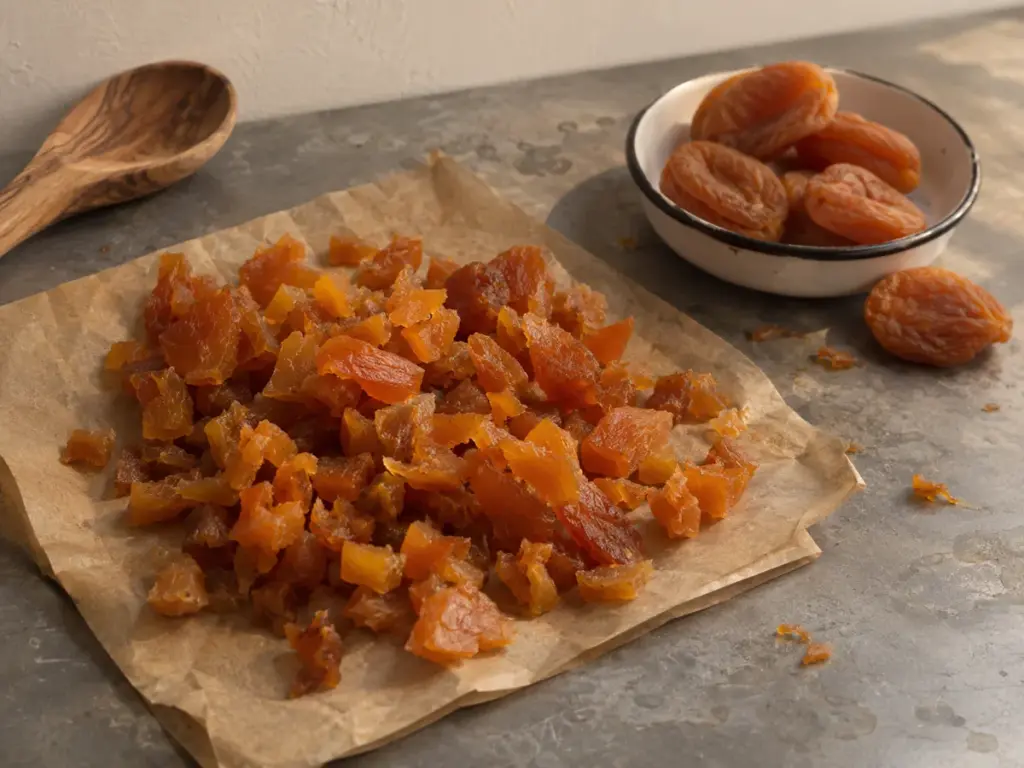
Chop them to the size of a pea, skip the added sugar, and start with a teaspoon of lemon juice per ½ cup of apricots (a starting point, not a published ratio). They suit stuffing or a braise, where an orange color does not matter, better than a polo that should look red.
5. Goji Berries: Red and Chewy, Not Very Tart
Dried goji berries match the size and red-orange color, but they taste sweet and chew firmly, even toughly. They taste sweeter than the other dried swaps, so plump them for 10 minutes in warm water with a tablespoon of lemon juice, drain, and leave out the sugar (a starting point, not a published ratio).
Use them where you want color and chew more than tartness, such as a stuffing or a rice topping. If your finished dish still tastes sweet, add a squeeze of lemon at the end.
6. Fresh Pomegranate Seeds: A Topping, Not a Mix-In
Pomegranate juice has a tart flavor from its low pH, according to Wikipedia, though sourness varies by fruit, so taste a seed first. The seeds are juicy and burst when cooked, so scatter about the same volume (a starting point, not a published ratio) over the rice, salad or braise just before serving and keep them out of the pan.
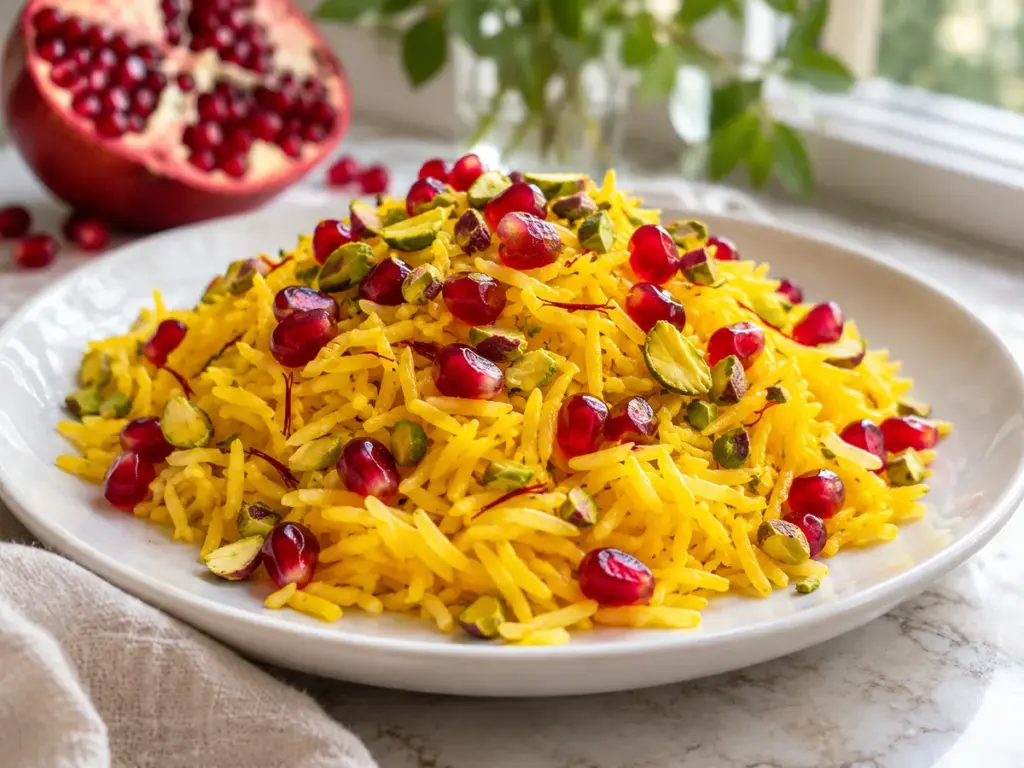
How Do You Use a Substitute in Zereshk Polo?
Real barberries are rinsed, and in one recipe soaked for 15 minutes to soften. Dried cranberries and cherries are usually soft enough, so skip the soak. If a bag feels hard, cover the fruit with hot water until it looks plump, then drain. For the rest, use the same 2 tablespoons of butter per cup of fruit:
- Chop the fruit to about the size of a currant.
- Melt 2 tablespoons of butter over gentle heat.
- Stir the fruit in the butter until it looks plump and glossy.
- Add 2 tablespoons of saffron water, plus sugar only if the fruit is unsweetened.
- Fold it into the hot rice or spoon it on top.
Sources
- Cook's Illustrated: What Are Dried Barberries?
- Tasting Table: Barberries, the Deliciously Tart Berry That's a Staple of Iranian Cuisine
- SBS Food: Barberry Rice (Zereshk Polow)
- Mountain Rose Herbs: Zereshk Polo Recipe
- USDA FoodData Central, FDC 171723 (cranberries, dried, sweetened) and FDC 171724 (currants, zante, dried)
- Wikipedia: Zante currant
- Wikipedia: Pomegranate
- Eden Foods: Dried Apricots
- Cook's Illustrated: Does Apricot Origin Matter?

Food writer at GustoMeadow. Writes ingredient substitutes, food comparisons, taste guides and storage guides for home cooks.
Storage and food-safety numbers follow USDA, FDA and university extension guidance.



