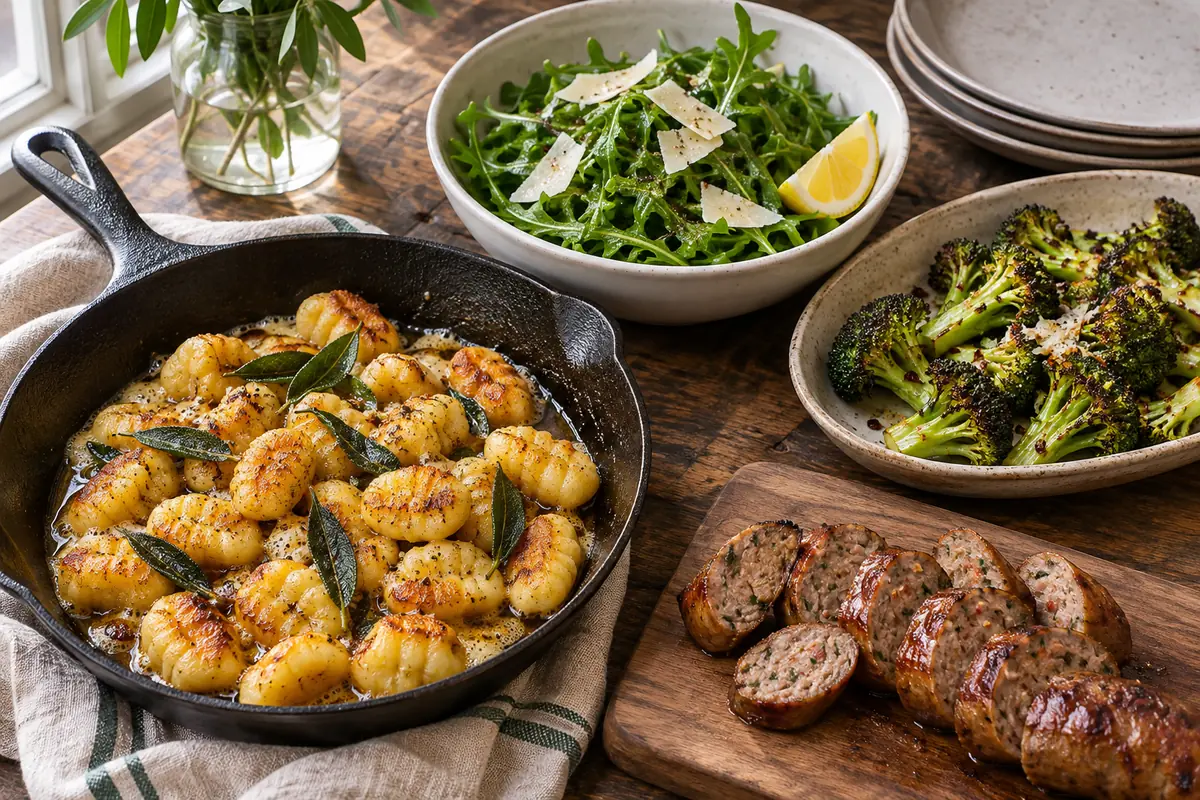
Chicken cacciatore goes best over polenta, buttered egg noodles or mashed potatoes, which catch every spoonful of the tomato-wine sauce.
- A bitter green such as sautéed broccoli rabe cuts through the sweet, acidic sauce.
- A cold, crisp salad dressed in red wine vinegar finishes the plate.
- Crusty bread lets you mop up the last of the sauce.
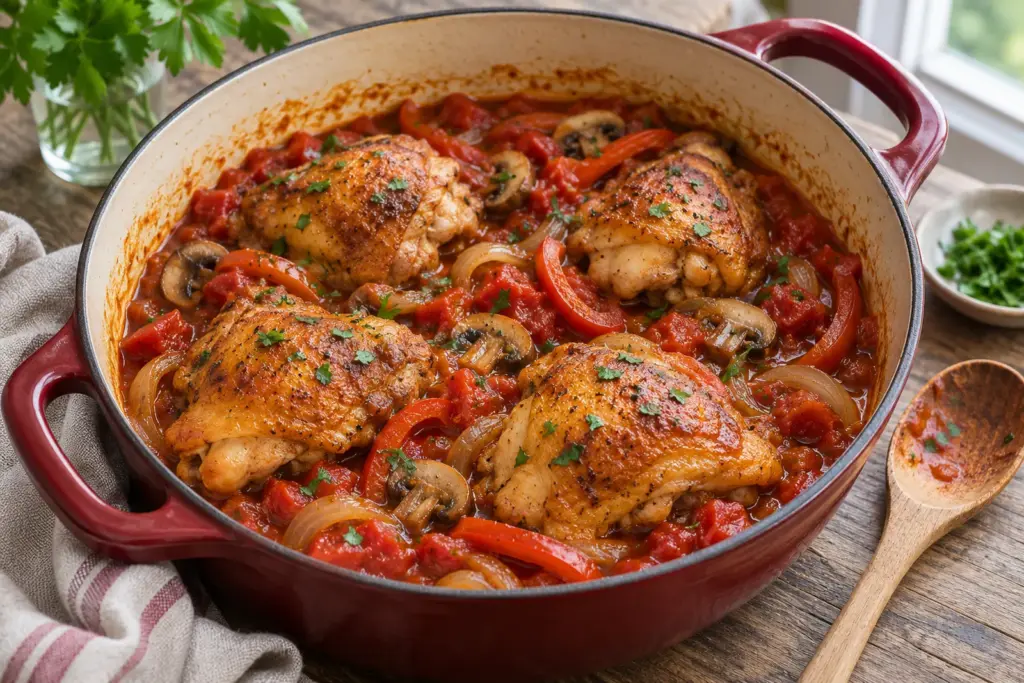
Chicken cacciatore is "hunter-style" chicken braised with tomatoes, bell peppers, onions, mushrooms and wine, which leaves a lot of sauce on every plate. Each of these twelve side dishes for a saucy main does one job for you: it carries the sauce, cuts through it, or lightens it.
What Goes Well with Chicken Cacciatore?
Most recipes braise bone-in, skin-on thighs with onion, red peppers, mushrooms, canned tomatoes, tomato paste and dry red wine. Once Upon a Chef's recipe uses eight thighs (about 4 pounds) in ¾ cup of wine and ¼ cup of tomato paste.
Three points shape what belongs next to it on the plate:
- Because the sauce is plentiful and acidic, you need one starch that soaks it up without a competing flavor.
- The chicken and the sauce are both soft, so you want one side with bite or crunch.
- Peppers, onions and mushrooms are already in the pot, so you get more from a vegetable side that is something the pot does not contain.
For a full plate, you need one starch, one green and one cold side, plus bread if your table likes to mop:
| Job on the plate | Sides from the list |
|---|---|
| Soak up the sauce | 1 to 4: polenta, egg noodles, mashed potatoes, lemon rice |
| Mop the plate | 5: crusty bread |
| Green with bite | 6 to 8: broccoli rabe, broccoli, green beans |
| Sweet and roasted | 9 and 10: vegetables, cauliflower |
| Cold and sharp | 11 and 12: house salad, fennel salad |
12 Best Side Dishes for Chicken Cacciatore
1. Creamy Polenta
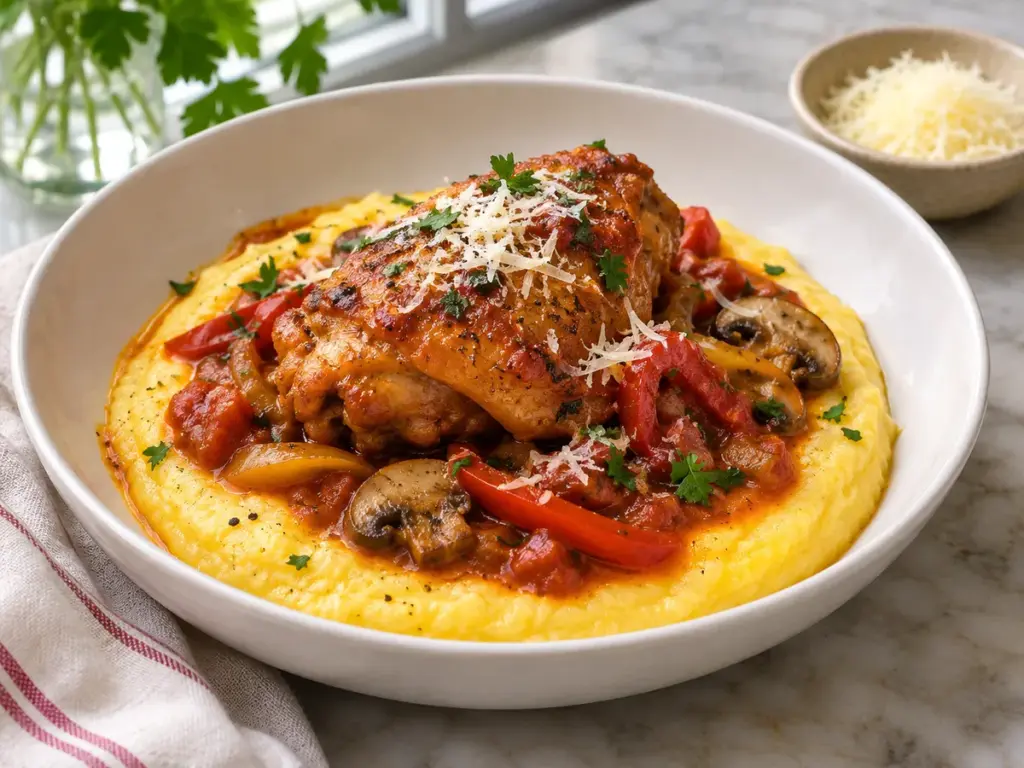
Once Upon a Chef spoons the chicken and "plenty of sauce" over creamy polenta, which holds each spoonful without pulling the flavor in a new direction.
Milk Street says coarse cornmeal is less likely than fine to turn gummy, so you get a smoother pot by buying the coarse grind. You whisk it hard for the first 10 minutes, then cover it and leave it on low heat.
Butter and parmesan stirred in at the end are what Milk Street says conventional recipes do, although the family method in that article uses neither.
Polenta is cooked cornmeal, and if you are weighing it against a rice base, polenta and risotto cook quite differently.
2. Buttered Egg Noodles
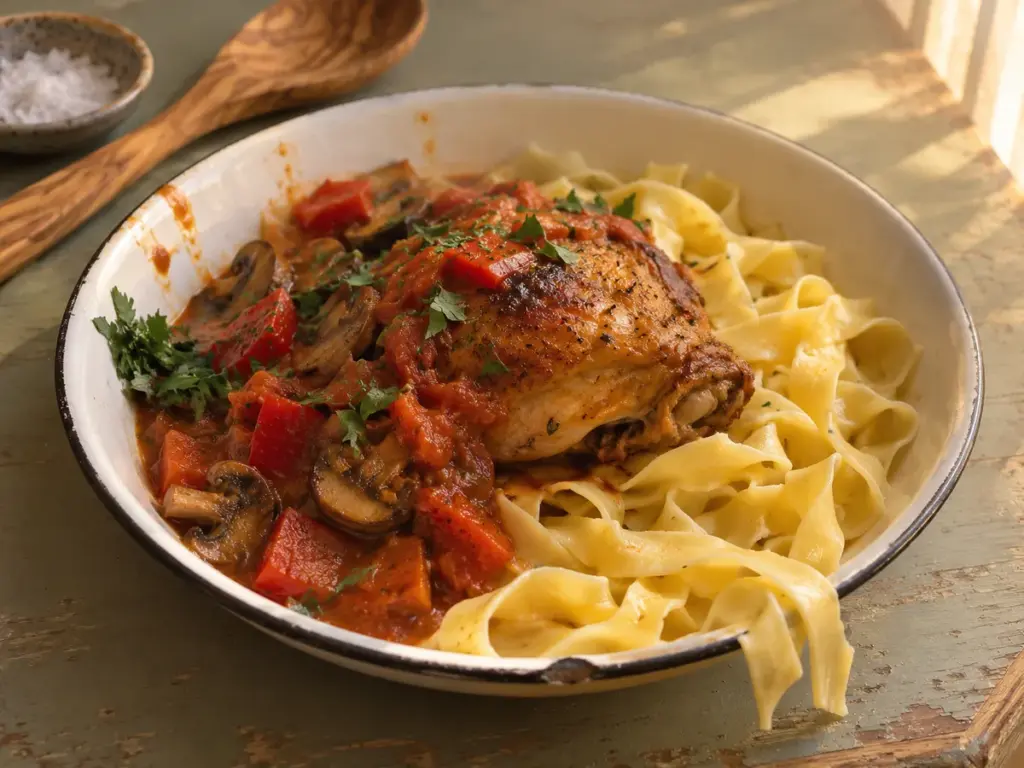
Wide egg noodles tossed with butter sit well under the chunky peppers and mushrooms, and a little parsley is all they need. Once Upon a Chef serves cacciatore over polenta, mashed potatoes or pasta, so noodles are a safe pick for guests who want something familiar.
We'd choose wide noodles over thin ones such as angel hair, because the chunks of pepper and mushroom slide off thin strands. Once the noodles are just tender, you drain them and toss them with butter, a pinch of garlic powder, salt and pepper.
These noodles also work under chicken marsala, whose pan sauce has a similar mushroom-and-wine base.
3. Mashed Potatoes
Mashed potatoes turn the sauce into something close to gravy, which makes them our pick for the coziest plate. Well Plated recommends Yukon Gold potatoes for their richer, buttery flavor, and you simmer them 20 to 30 minutes, depending on how large you cut them.
If you heat the butter and milk together before stirring them in, the mash stays hot. Well Plated uses a ricer or a masher and warns that overworked potatoes turn gummy.
A clove of roasted or grated garlic adds flavor without a second sauce, and you can loosen a mash that has waited with warm milk stirred in ¼ cup at a time.
4. Lemon Rice Pilaf
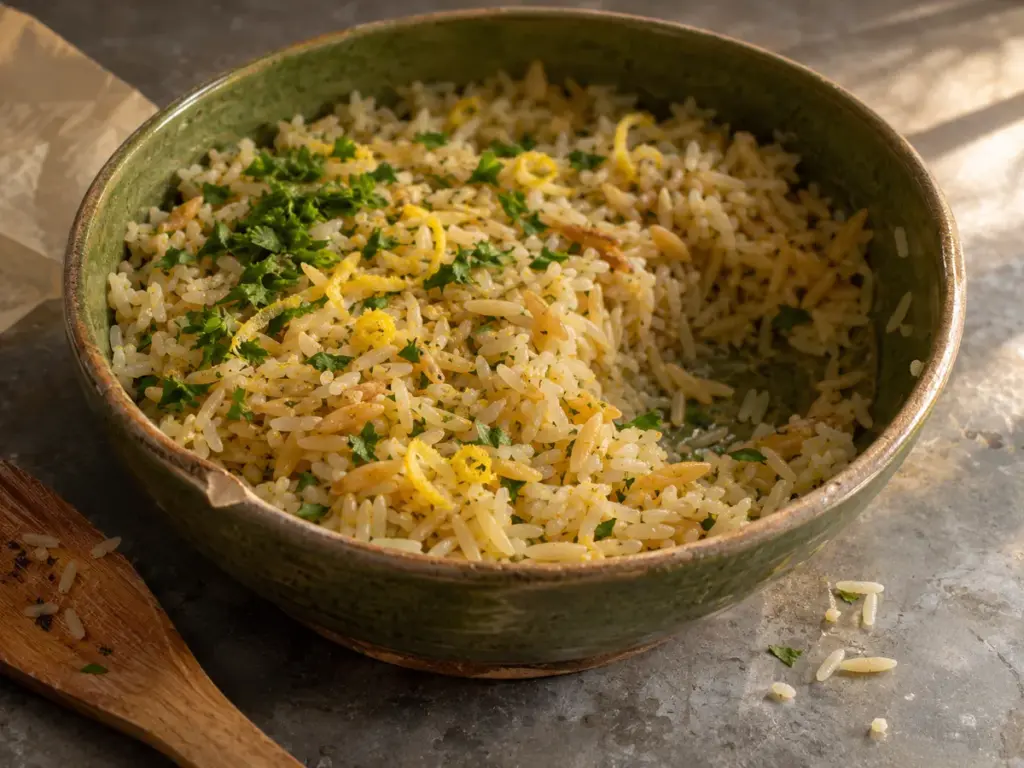
With lemon rice pilaf, the lemon sharpens against the tomatoes and the grains stay separate instead of turning into a second sauce. If you want the simplest plate, you can serve plain steamed rice instead.
- You need 1 cup long-grain white rice and 1 cup orzo, the amounts Simply Scratch uses.
- Next you add 2 cups low-sodium chicken broth and ½ cup water, then simmer on low for 20 minutes.
- After the pot stands 5 minutes off the heat, you stir in lemon zest, juice and 3 tablespoons of parsley.
5. Crusty Bread
Crusty bread goes beside any starch above, or instead of one at a casual dinner. A loaf with a firm crust and a chewy crumb holds up when you dunk it, whether it is ciabatta, a boule or an Italian or French loaf, and a few minutes in a hot oven wakes the crust up.
Irish soda bread rises with baking soda instead of yeast, and Wikipedia lists its basic ingredients as flour, baking soda, salt and buttermilk. If you would rather skip the baking, a bakery loaf of Irish soda bread works.
6. Sautéed Broccoli Rabe
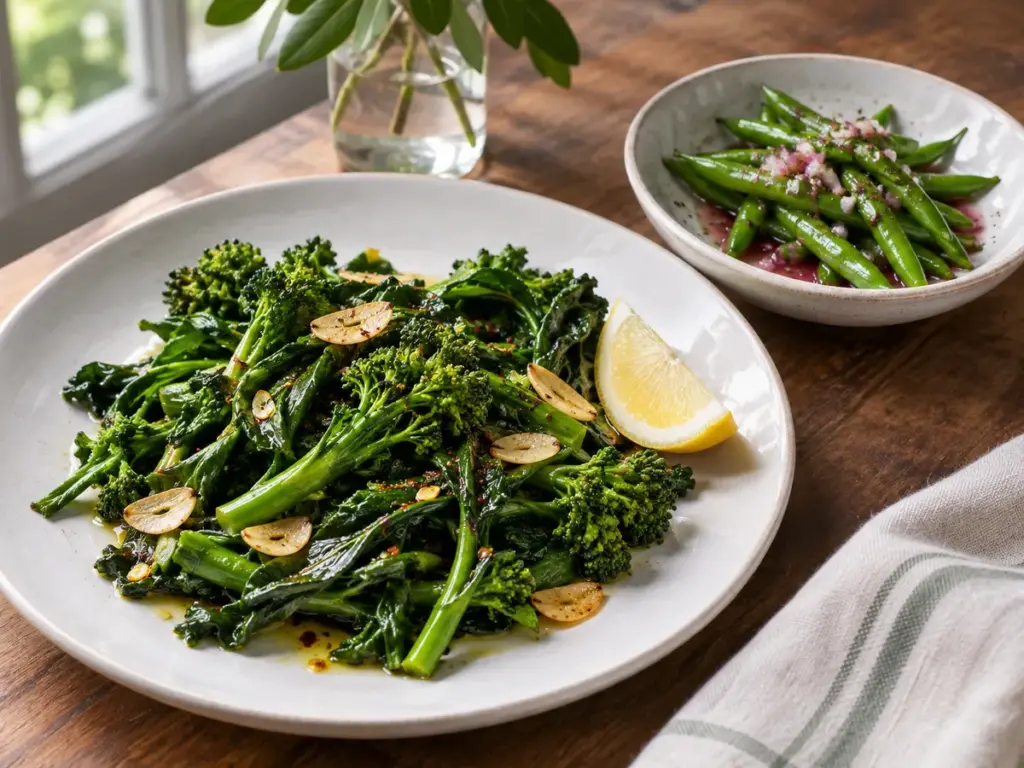
The bite of sautéed broccoli rabe cuts through the sweet pepper and tomato sauce. Love and Lemons blanches it in salted boiling water for 2 minutes, cools it in ice water, then sautés it with sliced garlic and red pepper flakes for 3 to 5 minutes and finishes it with lemon.
If your store has no rabe, kale, Swiss chard, spinach, bok choy and mustard greens all work as broccoli rabe swaps, and a garlic-and-olive-oil sauté suits any of them.
7. Lemon Butter Broccoli
Once you steam the florets until crisp-tender, lemon butter broccoli needs only melted butter, a pinch of garlic powder, lemon juice, salt and pepper tossed through.
Dark green heads with firm stalks and tight buds are the ones to pick, and florets cut to a similar size finish together. If your table finds broccoli rabe too bitter, this is the milder green, since you keep the color and the lemon but lose most of the bite.
8. Green Bean Salad
Green bean salad brings the cold crunch to the plate, and Food Network's blanching guide gives 5 to 7 minutes for beans that go into salads.
After the blanch, you cool the beans in ice water so they stop cooking and pat them dry before they meet the dressing.
- You whisk red wine vinegar, olive oil and Dijon with dried oregano, garlic and a little lemon juice.
- Feta and red onion add crunch and salt, and you can leave out tomatoes because the sauce already has plenty.
If you can find wide, flat Italian green beans, often called Romano beans, they stay meaty enough to stand up to a tomato-heavy plate.
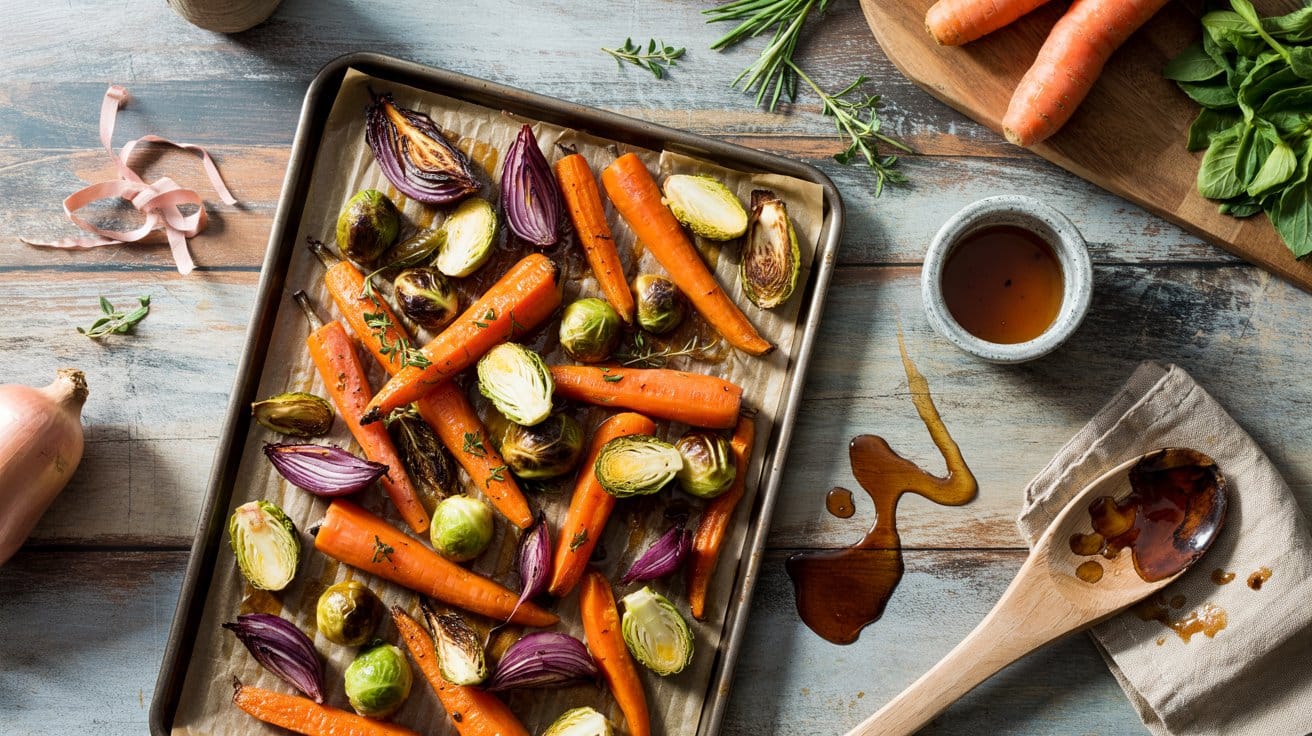
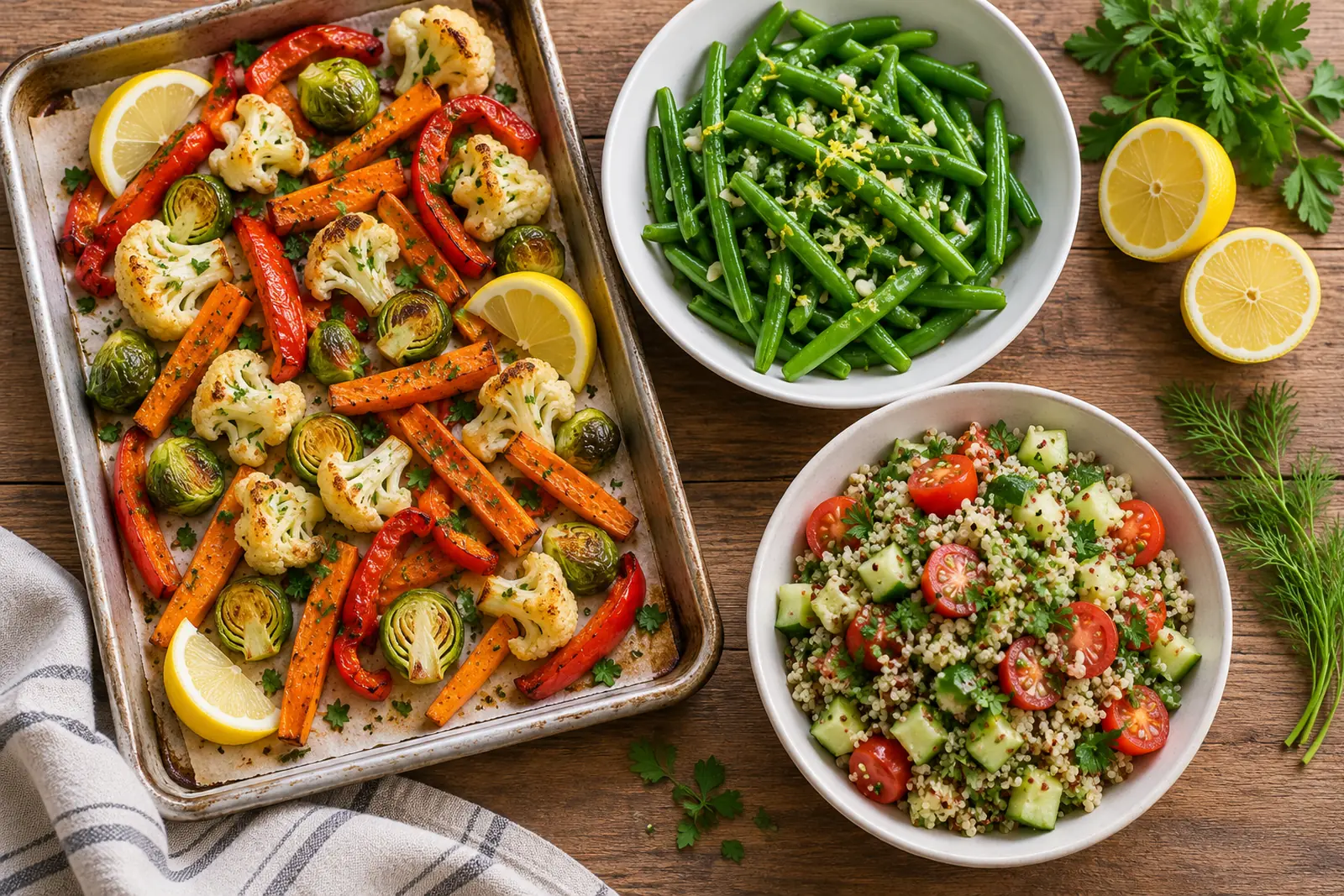
9. Caramelized Roasted Vegetables
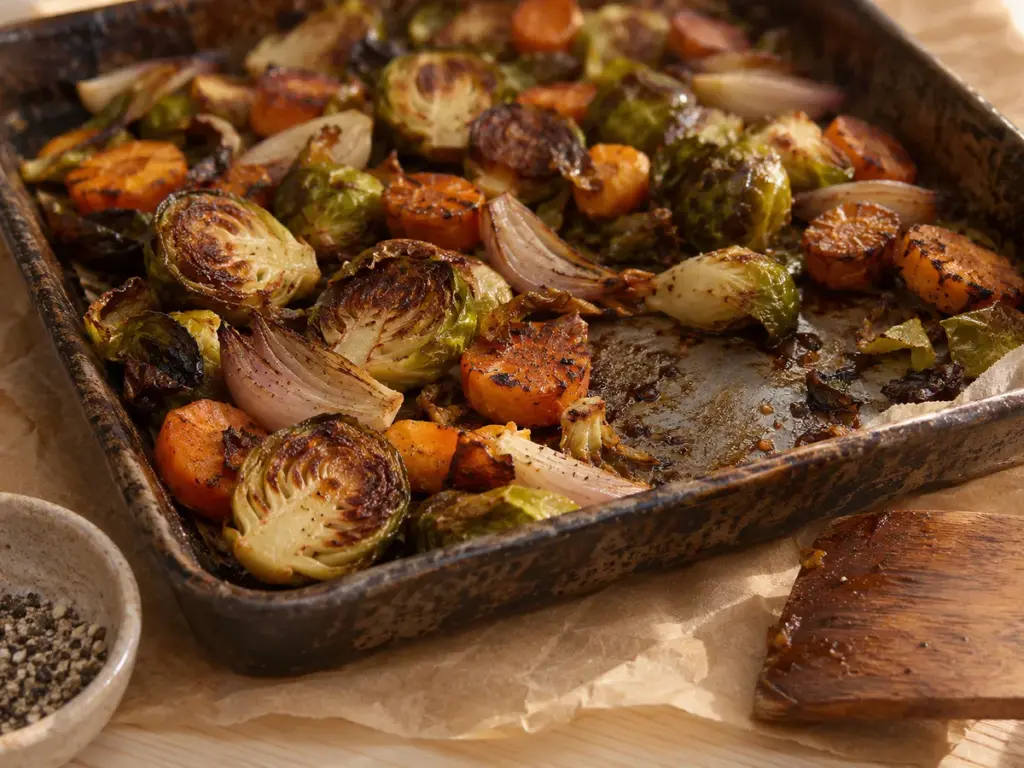
A pan of caramelized roasted vegetables adds sweetness and color. Brussels sprouts, carrots, shallots and small potatoes all roast well, and none of them is already in the sauce.
A Re-Invented Mom roasts halved sprouts and half-inch carrot rounds at 425°F for 20 to 25 minutes, stirring halfway, on a large pan with space between the pieces. If you crowd the pan, the pieces steam instead of browning, and a drizzle of balsamic vinegar or honey finishes them.
10. Roasted Cauliflower with Parmesan
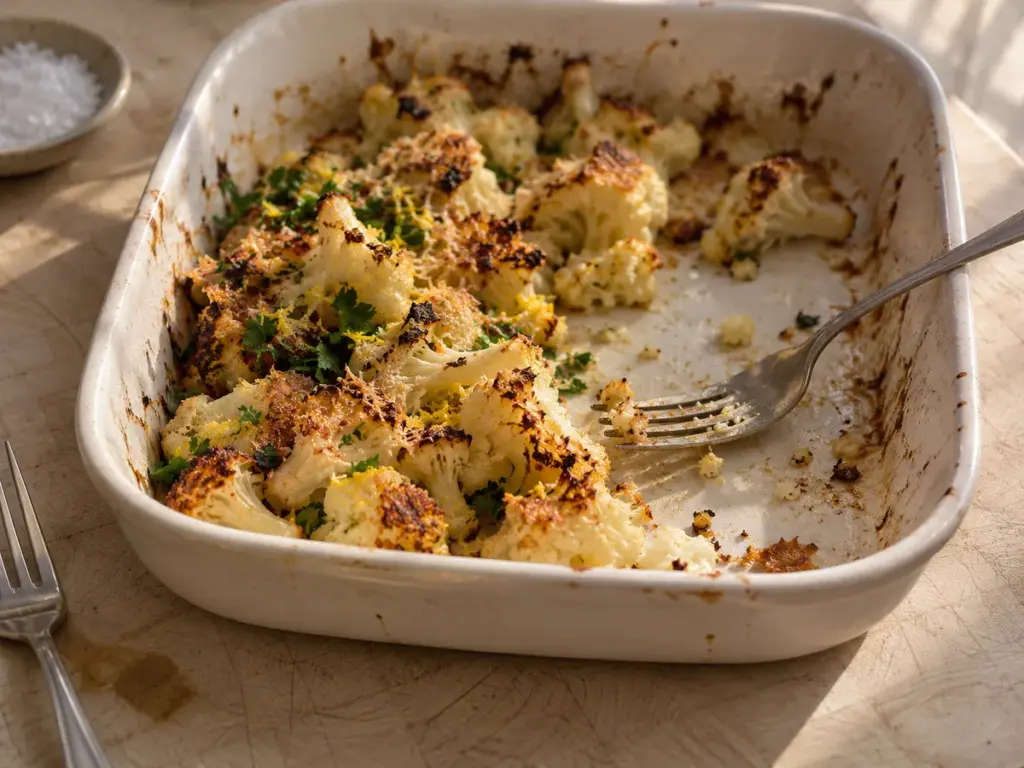
Roasted cauliflower with parmesan gives you a cheesy vegetable side that, in our view, eats much lighter than a gratin. Inspired Taste roasts about 5 cups of florets at 425°F, turns them once so they brown on every side, and scatters the parmesan over them for the last 5 minutes.
A finish of lemon zest and a squeeze of juice keeps the plate bright next to the tomato sauce. You know the florets are done when they are browned in places and tender in the middle.
11. Italian House Salad
An Italian house salad gives you the sharp, cold crunch the plate needs. You toss crisp greens, red onion, cucumber and olives, go light on the tomatoes because the sauce is full of them, and skip croutons when you are serving bread.
For the dressing, you whisk 2 parts olive oil to 1 part red wine vinegar, the ratio Once Upon a Chef uses, with Dijon, minced garlic, dried oregano, salt and pepper, and the recipe notes that the mustard helps the dressing stay emulsified.
A grating of Parmigiano-Reggiano or regular parmesan over the top gives the bowl a salty finish.
12. Shaved Fennel and Arugula Salad
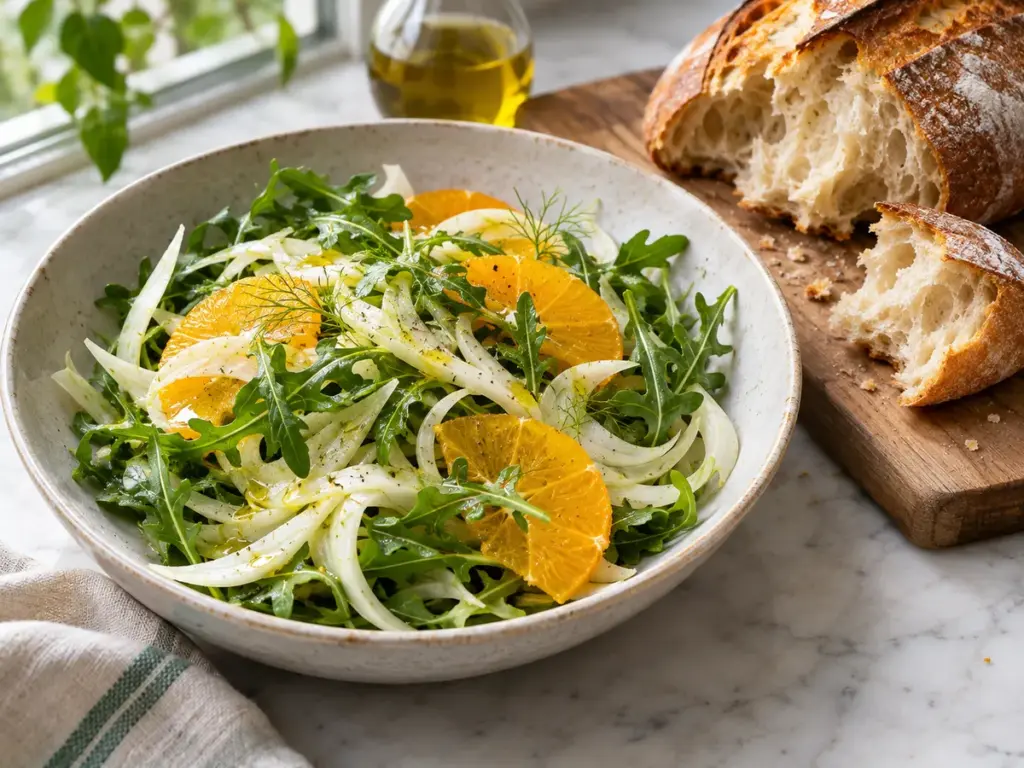
When you slice the bulb paper-thin, the mild licorice flavor of raw fennel turns crisp and sweet, and you can toss it with arugula and the same red wine vinaigrette as the house salad.
Orange segments add a fruity note against the wine in the sauce, and the arugula stays crisp if you dress the salad just before you sit down. The feathery fennel fronds make a good garnish, so you do not need to throw them away.
Which Sides Should You Skip with Chicken Cacciatore?
If you add a second tomato dish, more peppers or mushrooms, or a cheesy gratin, the plate repeats what the sauce already does, so the Choose list below is the safer set.
- Mild starches that carry the sauce
- Bitter or crisp greens
- Vinegar-dressed cold salads
- Marinara pasta or any second tomato dish
- Cheese-heavy gratins pile richness on richness
- Sautéed peppers or mushrooms, already in the pot
How Do You Time the Whole Dinner?
Once the chicken goes back into the sauce, you braise it covered for about 35 minutes, as Once Upon a Chef does. That window covers most of your sides, and the polenta starts before it:
- Start polenta first. Whisk coarse cornmeal hard for 10 minutes, then cover it and cook on low for about an hour.
- Put the oven vegetables in at 425°F, which takes 20 to 25 minutes.
- Begin the pilaf: it simmers 20 minutes and stands 5.
- Make the vinaigrette and wash the salad greens, then keep them apart until you sit down.
- Boil the noodles or mash the potatoes while the chicken finishes.
- Sauté the greens and warm the bread while the chicken rests.
- Check the chicken with an instant-read thermometer in the thickest part of a thigh: 165°F is the safe minimum for poultry, and Once Upon a Chef takes its thighs to 165 to 170°F.
Sources
- Once Upon a Chef: Chicken Cacciatore (thighs, wine, tomato paste, covered braise time, serving suggestions)
- USDA FSIS: Safe Temperature Chart (165°F for poultry)
- Milk Street: Stop Stirring Your Polenta (coarse cornmeal, whisking, cooking time)
- Love and Lemons: Sautéed Broccoli Rabe (blanch and sauté times)
- Inspired Taste: Parmesan Lemon Roasted Cauliflower (oven temperature, parmesan timing)
- Simply Scratch: Greek Lemon Rice Pilaf (rice, orzo, broth, cook and stand times)
- Well Plated: Mashed Potatoes (potato choice, cook time, warming the dairy, gummy potatoes)
- A Re-Invented Mom: Roasted Brussels Sprouts and Carrots (oven temperature, time, spacing)
- Food Network: How to Blanch Green Beans (blanching times, ice bath)
- Once Upon a Chef: Vinaigrette (2:1 oil to vinegar, Dijon as emulsifier)
- Wikipedia: Soda Bread (basic ingredients)
Frequently Asked Questions
Do the Sides Have to Be Italian?
They don't need to be, because a side from any region fits as long as it carries the sauce or cuts through it, which is why Greek-style lemon rice and a green bean salad with oregano both fit.
What Cheese Goes on Chicken Cacciatore?
If you want cheese, grated parmesan over the polenta or the salad suits the plate, although the Once Upon a Chef recipe uses no cheese at all.
What Can You Serve Before Chicken Cacciatore?
If your guests like to eat in courses, you can bring out a small portion of the house salad or the fennel salad first, then the chicken with its starch and bread. That keeps the vinegar course apart from the saucy plate.
How Do You Make the Meal Lighter?
Plain steamed rice or the lemon rice pilaf in place of buttery noodles or mashed potatoes lightens the plate most. Green beans or broccoli, a fennel salad and one small basket of bread round it out.

Food writer at GustoMeadow. Writes ingredient substitutes, food comparisons, taste guides and storage guides for home cooks.
Storage and food-safety numbers follow USDA, FDA and university extension guidance.