Gorgonzola and Roquefort. Both are cheeses. Oh, and they're both blue.
We're plunging into the cheesy depths to find out what makes them tick. Think mold is just mold?
Think again.
Gorgonzola hails from Italy; Roquefort from France. One's a tad creamier; the other, a bit crumblier.
Cheese night at our place became a face-off. Team Gorgonzola versus Team Roquefort.
Spoiler: It ended in a delicious draw.
Facts first: Gorgonzola is sweet and smooth. Roquefort? Sharp and tangy.
We learned this the hard way. Our cheese board turned into a battlefield.
No regrets.
What is Gorgonzola?

Gorgonzola - a cherished Italian cheese.
It's known for its blue-veined look and creamy texture.
Made with cow's milk, it is aged for three to six months.
This develops a tangy and earthy flavor.
Gorgonzola goes great with pears and figs.
Crumble it on salads or melt it into sauces.
Its unique taste and many uses make it a favorite among cheese-lovers.
For dessert pairing ideas that include citrus, see what goes well with lemon in desserts for suitable complements.
What is Roquefort?
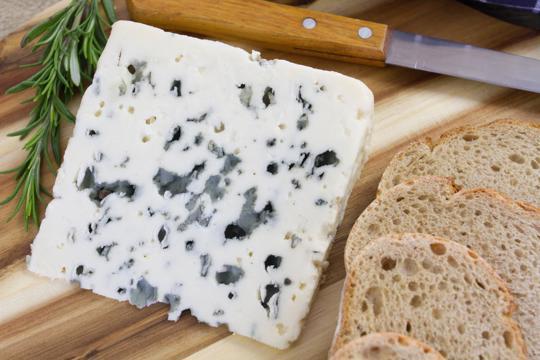
Roquefort is a unique blue cheese from the south of France.
It has a crumbly texture and a tangy taste.
Sheep's milk is used to make it.
Its special aging process occurs in limestone caves.
These caves have the right humidity for mold to form, creating blue veins throughout the cheese.
There are strict rules about producing Roquefort, so that it stays delicious.
This makes it an amazing culinary treat.
For bold, savory pairings that complement tangy flavors, check guacamole pairing ideas and combos for inspiration.
Origins and Production
Gorgonzola and Roquefort have distinct differences.
Gorgonzola comes from Italy, especially Lombardy and Piedmont.
Roquefort is native to France.
Both are made with Penicillium roqueforti.
However, Gorgonzola is aged three to four months, longer than Roquefort's two to three months.
Plus, Gorgonzola has a milder flavor than Roquefort.
These details make them unique and beloved.
Taste and Texture Comparison
Gorgonzola and Roquefort are two types of blue cheese.
It is mild and creamy, while Roquefort has a bold, tangy taste.
Gorgonzola is softer, while Roquefort is firmer.
Gorgonzola is good for salads and pasta dishes.
Roquefort is great for gourmet cheese platters.
Gorgonzola has sweet hints, and Roquefort has a sharper, saltier profile.
These differences make these two cheeses unique in the cooking world.
A contrasting fruit flavor perspective can be revealing; acai berry taste guide revealing flavor explores a very different profile.
1 - flavor
Gorgonzola and Roquefort have a similar tangy, salty flavor - see extract vs flavor comparison explained for how those terms differ.
But, Gorgonzola is milder and creamier.
It has a sweet hint to balance out its pungency.
Roquefort, however, has a bold, strong flavor.
It's sharper and more intense, with a salty and earthy taste.
Both have unique qualities, so they work for different recipes.
2 - Texture and Creaminess
Gorgonzola and Roquefort, two famous types of blue cheese, have very different textures and creaminess.
Gorgonzola is velvety and crumbly - offering a contrast between softness and crunch.
Whereas, Roquefort is smoother and creamier, melting in the mouth.
These unique features make each cheese great for different meals.
Gorgonzola's crumbly texture adds something special to salads or pasta dishes.
Roquefort's smoothness makes it perfect when spread on bread or with fruits like pears and grapes.
So, if you like Gorgonzola or Roquefort, they can take your cooking to the next level.
vegan hummus recipes for creamy texture highlight plant-based spreads with a similar mouthfeel to softer cheeses.
Differences in Production and Aging
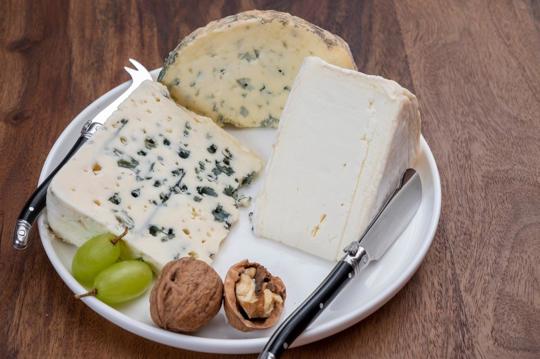
Gorgonzola and Roquefort are different. Gorgonzola is made from cow's milk.
Roquefort, however, from sheep's milk. Aging methods also vary between the two.
Gorgonzola is generally aged for a shorter time, making it milder and creamier.
Roquefort, on the other hand, is aged for a longer period and thus produces a more intense flavor.
Both cheeses offer a unique eating experience.
They can improve any dish with their distinct flavors.
So, whether you like Roquefort's strong taste or Gorgonzola's subtle notes, you're sure to enjoy these delicious cheeses.
1 - Cheese-making Process
Cheese-making? It's precise and requires expertise.
The process involves:
- Selecting ingredients, such as milk and cultures.
- Heating the ingredients to promote curdling.
- Separating the curds and whey.
- Pressing the curds to remove excess moisture.
- Allowing the cheese to reach the desired texture.
- Aging the cheese in a controlled environment for flavor development.
That's how Gorgonzola and Roquefort vary.
Gorgonzola is made from cow's milk, while Roquefort is made from sheep's milk.
The taste and texture of the two cheeses differ.
Gorgonzola has a shorter aging period, resulting in a mild flavor and creamy undertones.
Roquefort, on the other hand, undergoes extended aging in natural caves, giving it a sharpness and blue veining.
So, although the cheese-making process is the same, the milk source and aging make Gorgonzola and Roquefort unique.
It offers new flavors and textures to explore - for cheese lovers.
2 - Aging Techniques
Gorgonzola and Roquefort cheeses have unique flavors and textures due to their aging techniques.
Gorgonzola's process involves "pasteurized cow's milk" which curdles the milk with lactic acid bacteria and rennet.
As it ages for three to four months, blue-green veins form and give it a creamy texture and mellow flavor.
Roquefort cheese, however, is aged using the technique of "unpasteurized sheep's milk.
" Here, the mold spores of Penicillium Roqueforti are added to the milk.
After draining the whey, the curds are aged in natural caves for three to nine months.
This environment promotes the growth of blue mold, resulting in a rich, tangy taste.
Both cheeses are blue, they have distinctive qualities.
Gorgonzola is milder than Roquefort, whose longer aging period gives it a strong flavor.
3 - Geographical Indication
Geographical Indication is very important for Gorgonzola and Roquefort cheeses.
These two kinds of cheeses come from different places in Italy and France.
Their unique geographical indications help them keep their special flavors and qualities.
Also, Gorgonzola is mainly made from cow's milk while Roquefort is done with sheep's milk.
This makes the two blue cheeses taste differently and people love them both.
Similarities Between Gorgonzola and Roquefort
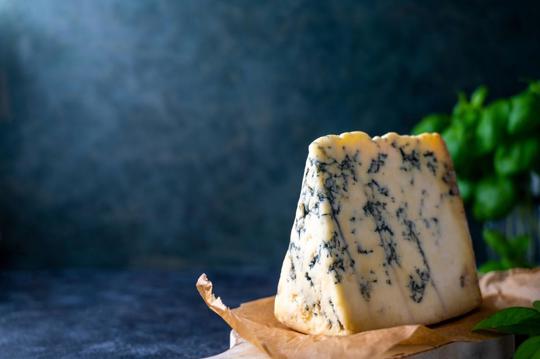
Gorgonzola and Roquefort are both well-known blue cheeses from different regions.
They have rich, unique flavors because of the production process used.
Both are made from cow's milk, from certain breeds that make high-quality cheese.
Plus, they go through similar aging processes.
After being made, they are left in cool and humid caves or cellars.
This is where specific molds develop, giving the cheese its blue veins.
Aging can take up to several months, depending on the flavor.
These cheeses have similar taste profiles too.
They are creamy with a tangy and savory flavor - read the Gorgonzola flavor guide for blue cheese to learn more about that profile.
Enjoy them on their own, or use them as ingredients in dishes.
Plus, they pair well with fruits like pears and nuts such as walnuts.
They also work well with sweeter elements like honey or fig preserves.
At first, Gorgonzola and Roquefort may look similar.
But their color intensity and pattern differ.
Exploring these subtle differences can be exciting for cheese enthusiasts, who want to explore different blue cheese varieties.
Culinary Uses and Pairings
Gorgonzola and Roquefort - two unique blue cheeses, each offering their own flavors.
They can add depth and richness to many dishes. Gorgonzola is creamy and tangy.
It's great crumbled over salads or with grilled pears.
And it makes a delicious, velvety sauce for pasta. Roquefort is sharper.
Its crumbly texture is perfect for adding to roasted vegetables, soups, or salads with fruit and walnuts.
Both cheeses make amazing sauces for steak or lamb.
Their intense flavors add complexity and balance to any dish.
Gorgonzola and Roquefort are both flexible ingredients.
Whether you want the creaminess of Gorgonzola or the tang of Roquefort, these cheeses will bring unique flavors to your dish.
Sweet beverage pairings can balance salty cheese; see watermelon smoothie pairing ideas for contrasting flavor matches.
Flavor Profiles: Gorgonzola vs Roquefort
Gorgonzola and Roquefort differ in characteristic.
Each cheese has its own special flavor and way of making.
Gorgonzola, from Italy, has a delicate taste with sweetness.
Roquefort, from France, has a pungent and salty flavor.
Aging processes vary too. Gorgonzola is aged for less time than Roquefort.
Plus, the mold used differs, meaning texture and taste vary.
So, if you like subtle Gorgonzola or strong Roquefort, these cheeses will fulfill your cravings for blue-veined yumminess.
Gorgonzola substitutes for cooking help when a milder blue is needed. Roquefort substitutes for dishes suggest stronger options that mimic that intense tang.
Frequently Asked Questions
Origins and Production Gorgonzola and Roquefort have distinct differences. They share some similarities but each has qualities that make it better suited for certain recipes.
Consider what result you are after. Gorgonzola and Roquefort each have strengths that suit different situations.
Neither is universally better - context decides.
Pricing varies by brand and region, but one is typically more accessible at everyday price points. The other may cost more due to specialization or limited supply.
Is there a best time to use each one?
One shines in applications requiring subtlety and background support.
The other is better when it is meant to be a center.
Matching the right one to its role makes a noticeable difference.