
Two giants in the cocktail universe, facing off in a battle of flavor supremacy.
It's a choice that tells more about us than we think. Our pick reveals our mood, our taste, and sometimes, how our night's going to end.
We've laughed over martinis and danced with margaritas in hand.
Each has its champions and its own unique charm. Today, we're here to break it down.
What makes each stand out?
Spoiler: It's not just about gin versus tequila.
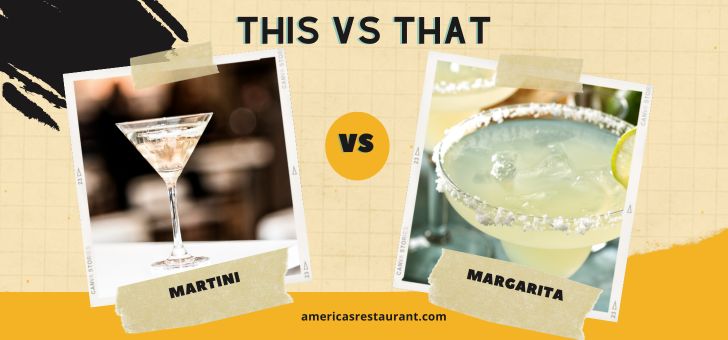
What is a Martini?

A Martini, a classic cocktail, is typically made with gin and vermouth.
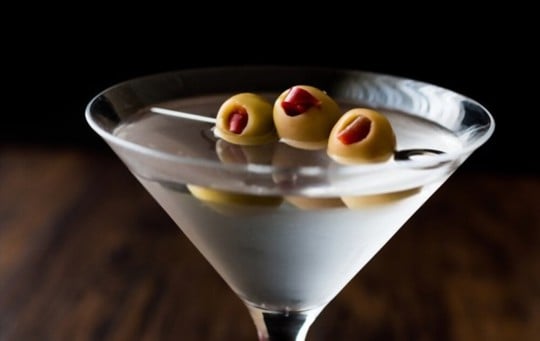
The ingredients are combined in a shaker with ice until chilled, strained into a stemmed glass, and garnished with an olive or lemon twist - see what pairs with lemon in desserts for ideas that mirror citrus pairings.
The iconic drink has been mentioned in numerous books and films, becoming a symbol of sophistication and elegance.
It is often served before dinner as an apéritif or after dinner as a digestif.
The Martini is a timeless beverage that remains popular for its unique taste and historical importance in American culture.
What is a Margarita?
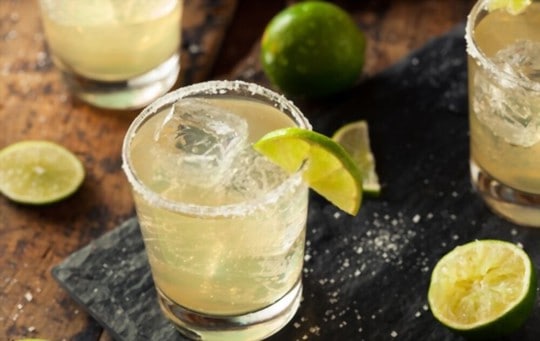
A Margarita is a cocktail that typically contains tequila, lime juice, and orange liqueur.
Its origins are not entirely clear, but it is believed to have been created in Mexico.
The drink can be served on the rocks or frozen and is often rimmed with salt.
To make a Margarita, pour tequila, lime juice, and orange liqueur into a shaker with ice.
Shake well and strain into a glass filled with ice.
Finish it off by garnishing the rim with salt or a lime wedge.
A fun twist on the classic Margarita is to experiment with flavors such as strawberry or mango.
Simply blend fresh fruit with the other ingredients in a blender before straining into the glass.
Remember to always use high-quality ingredients when making cocktails like the Margarita for optimal taste.
For inspiration on bright, fruit-forward combinations, Mediterranean bowl recipe ideas highlight vibrant flavor pairings that translate well into cocktail twists.
For Mexican-style food pairings that complement a margarita, guacamole pairing ideas for cocktails suggests snacks and small plates that work well alongside tequila-based drinks.
Differences Between Martini and Margarita
Two iconic cocktails, the Martini and Margarita, have their own distinct characteristics that set them apart.
While the Martini is a classic cocktail with a strong emphasis on gin or vodka and vermouth, the Margarita is a refreshing tequila-based drink with lime and triple sec - see Gibson vs Martini comparison for clarity.
In contrast to its stirred cousin, the Martini, which is usually served straight up or on ice, Margarita is typically served over ice in a glass rimmed with salt.
However, both drinks play a significant role in cocktail culture and continue to be popular choices for happy hour enthusiasts.
Ingredients Used
This section discusses the different ingredients used in making a Martini and Margarita.
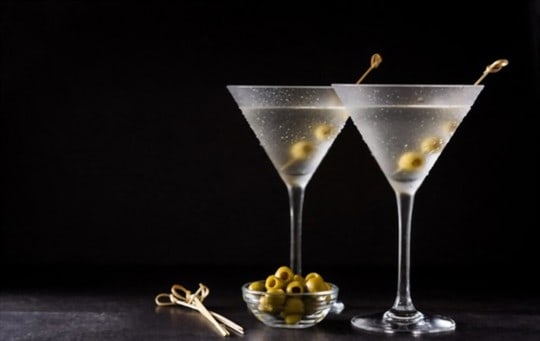
The Martini requires gin, vermouth, and a garnish such as an olive or a lemon twist.
On the other hand, a Margarita calls for tequila, lime juice, triple sec, and salt for rimming the glass.
While both have distinct flavors, they are both classic cocktails that continue to be enjoyed by many.
Preparation Method
The preparation method can make all the difference in taste and presentation.
Both martinis and margaritas are popular choices, but they require different methods to achieve their signature flavors.
- To make a martini, start by chilling a cocktail glass in the freezer or with ice water. In a mixing glass, combine gin or vodka and dry vermouth with ice, stirring until well chilled. Strain the mixture into your chilled glass and garnish with a lemon peel or olives.
- For a margarita, begin by rimming a glass with salt. In a shaker filled with ice, mix tequila, lime juice, and triple sec until combined. Strain into your salt-rimmed glass and garnish with lime wedges or fresh herbs.
There are variations on both of these classic cocktails that incorporate additional ingredients such as fruit juices or flavored syrups.
However, the basic preparation methods outlined here are essential to achieving the classic flavors of each drink.
Preparing a delicious cocktail involves more than just tossing together ingredients; it requires precision in measuring and attention to detail in presentation.
Whether you prefer the sophistication of a martini or the refreshment of a margarita, mastering their preparation will improve your next party or happy hour.
flavors
The difference in the flavors of a martini and margarita can be attributed to their distinct ingredients.
While martinis have a strong and dry taste owing to vermouth, gin or vodka, and garnishes like olives or lemon peel, margaritas have a refreshing and tangy character due to the acid from lime juice, sweetness from agave nectar, and tequila's distinct flavor.
Each cocktail has its unique taste that satisfies different preferences.
Glassware and Presentation
The choice of glassware and presentation of a cocktail can make or break its appeal to consumers.
While traditional margaritas are served in a unique curved glass called a 'margarita glass', martinis have no specific glassware requirement, although the classic V-shaped martini glass is commonly used.
Presentation is equally important; while margaritas are often garnished with salt and lime wedges on the rim, martinis can be adorned with olives, twists or even cucumber slices for a modern twist.
The right glassware and presentation can improve the drinking experience to new heights.
It's not just about the aesthetics of the cocktail - different glassware also affects how the drink tastes and smells.
The narrow opening of a martini glass enhances the aroma of the drink, while wider margarita glasses give more space for ice and mixers to dilute the alcohol.
This means that martinis pack more intense flavors into smaller amounts of liquid, making it less ideal for sipping over longer periods than a margarita.
As with most cocktails, there are always variations to these classics, including flavored liquors and creative garnishes that diverge from tradition.
However, by using an appropriate selection of glassware and presentation techniques for your drink of choice, you can maximize its potential for both flavor and aesthetic appeal without compromising on style or substance.
Similarities Between Martini and Margarita
Both Martini and Margarita are popular cocktails that have been around for a long time.
They share some commonalities, such as being served in a glass with a stem, often referred to as cocktail glasses - see Cosmo vs Martini comparison on shared traits.
Also, they both have various recipes that can be customized according to one's preferences.
Martini and Margarita are different in terms of their ingredients and preparation methods.
While Martini is made with gin or vodka mixed with vermouth and garnished with olives or a lemon twist, Margarita is made using tequila, lime juice and triple sec, served with a salt rimmed glass.
Also, Martini is often stirred while Margarita is shaken.
Overall, while there are similarities between the two cocktails due to their common roots in the history of cocktails, they have unique qualities that distinguish them from each other.
Popular Variations and Twists
This segment explores creative variations and modifications made to the two iconic cocktails, Martini and Margarita.
From fresh herbs, spices and fruits to different types of alcohol, this section offers a wide range of innovative twists on the classic recipes that you can try out.
Whether you prefer your drinks shaken or stirred with a touch of salt or sugar, there is something for everyone to taste in this continuously evolving world of mixology.
If creative flavor twists are appealing beyond drinks, pancake recipe twist ideas showcase how unexpected ingredients can refresh classic recipes.
When to Choose a Martini or Margarita?
For those who love cocktails, choosing between a martini and a margarita can be challenging.
Both drinks offer unique combinations of flavors to delight the palate.
If you want to make the right choice based on your preferences and circumstances, here are some points to consider.
- Occasion - When it comes to social events, such as weddings or fancy dinners, a martini is preferred due to its elegance. A margarita is perfect for casual get-togethers with friends.
- Taste - Martini lovers appreciate a smooth drink with less sweetness while margaritas contain tequila and are usually served with salt around the rim.
- Mood - If you're in the mood for something strong and bold, go for the classic gin or vodka martini. For those in need of a refreshment on a hot day, a margarita is often like having an icy treat in your hand.
- Budget - Margaritas are typically more affordable than martinis. While both drinks can pack quite an alcoholic punch, ordering a margarita may reduce your bill at certain watering holes.
If you prefer flavored choices, note that both drinks have versatile flavors.
A fruity twist on either cocktail will infuse them with different elements of enjoyability and satisfaction.
You won't have to feel like you're missing out on any experience regardless of which option you choose.
Occasion - When it comes to social events, such as weddings or fancy dinners, a martini is preferred due to its elegance - consider Dirty vs Regular Martini differences for the mood.
Flavor Comparison: Martini vs Margarita
Martini and Margarita are two popular cocktails that are different in terms of ingredients, preparation and presentation.
While Martini is a gin-based drink, Margarita is made of tequila and other mixers.
The former is served in a stemmed glass while the latter is usually presented in a salt-rimmed glass with ice.
Martini has a strong flavor due to the presence of vermouth and bitters, whereas Margarita has a sour and sweet taste because of lime juice or sour mix and triple sec.
Bartenders have the flexibility to customize both drinks by adjusting the ratios of their ingredients according to customers' preferences.
Unique details that set these drinks apart include their origins - Martini originated in Italy while Margarita was first introduced in Mexico.
Another point to note is that Martini can be dry or dirty depending on whether olive juice is added or not, but Margarita can be served either straight up or on the rocks.
Frequently Asked Questions
Ingredients Used This section discusses the different ingredients used in making a Martini and Margarita. They share some similarities but each has qualities that make it better suited for certain recipes.
They can stand in for each other in a pinch. Martini and Margarita overlap in some uses, but the flavor or texture will shift.
Adjust quantities to taste.
Shelf life differs based on processing and packaging. One often keeps longer unopened, while the other may need refrigeration or faster use after opening.
Which one is more forgiving in recipes?
One tends to perform more consistently across a range of cooking methods, making it the safer choice when experimenting.
The other delivers stronger results in specific applications.
Martini vs Cocktail comparisons clarify how martinis fit into the broader cocktail family. Martini vs Cocktail: quick comparison explores that context. Manhattan vs Martini: side-by-side differences outlines another close classic comparison.