
In the grand scheme of pizzas, two pies reign supreme. Neapolitan and Margherita lead the pack.
Sure, they sound similar.
Are they siblings or distant cousins? We're here to slice through the confusion.
First fact, Neapolitan pizza hails from Naples. Its birthplace is a big deal.
This pizza is like the gold standard. Margherita, on the other hand, is a Neapolitan variant.
It's named after a queen.
Yes, an actual queen fancied this pizza!
Our personal take? We've had debates over dinner about this.
Pizza nights in our house never agree on one.
Short. Sweet.
To the point. That's our promise.
Stick with us, we're cutting right to the chase.
What is Neapolitan Pizza?
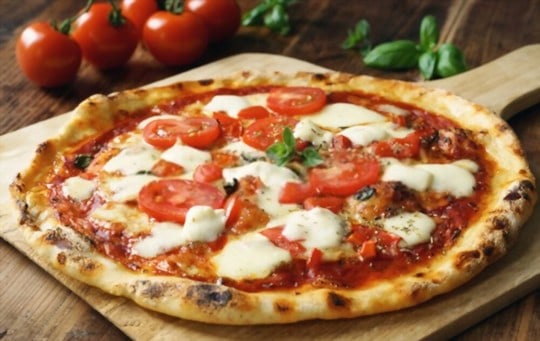
Neapolitan pizza dates to the 18th century, originating in Naples, Italy - see a Neapolitan vs Sicilian comparison for how regional styles differ.
Its dough is made with flour, yeast, salt and water.
It's cooked in a wood-fired oven for not more than 90 seconds.
This creates a soft center with a crispy outer layer that delights the senses.
The sauce consists of San Marzano tomatoes, fresh mozzarella cheese and basil leaves.
The 'Associazione Verace Pizza Napoletana (AVPN)' certifies Neapolitan pizzas.
It has strict requirements such as the preparation method, ingredients and origin.
Key ingredients are Caputo "00" flour and hand-stretched dough.
Toppings may be anchovies, olives, ham or mushrooms.
Any other toppings disqualify the pizza from AVPN certification.
Despite limited toppings, Neapolitan pizza has won many hearts with its unique flavor over centuries.
What is Margherita Pizza?

Margherita Pizza, otherwise known as Neapolitan Pizza, is a classic Italian dish.
It is made with few simple ingredients; a hand-stretched dough base, tomato sauce, mozzarella, and slices of fresh basil.
The dough is usually thin and crispy, with a chewy texture, thanks to high protein flour.
This pizza has become popular around the world due to Queen Margherita's visit to Naples in 1889.
She was so pleased with its taste that it received her name.
For the toppings of Margherita Pizza, few ingredients are used.
Tomato sauce made from San Marzano tomatoes from Italy's Campania region, bring out the flavor.
Fresh buffalo mozzarella cheese adds a creamy taste.
The difference between two pizzas is minor.
It all comes down to personal preference - do you want multiple flavors or just one delicious topping like Margherita?
For dessert pairing ideas that balance a bright finish, lemon dessert pairing ideas lists nine complementary options.
Dough and Crust Differences between Neapolitan and Margherita Pizza

Neapolitan and Margherita pizzas: two beloved Italian dishes with unique characteristics.
Dough and crust are the main differences - review a dough vs batter comparison for texture insights to understand why structure matters.
Neapolitan has a soft, chewy, airy crust.
Its edges are not uniform, giving it a rustic look.
Margherita has a thin and crispy crust, almost cracker-like.
Evenly baked, it provides extra crunch.
Neapolitan's dough is made up of flour, water, salt, and yeast.
It proves for 8-12 hours to develop its flavor and texture.
This dough rises in a wood-fired oven at 900 degrees Fahrenheit.
Margherita is different, with a simpler recipe and no long rise period.
Sauce and cheese are different too.
Neapolitan has crushed tomatoes and thin mozzarella slices.
Margherita has sliced tomatoes, tomato sauce, basil, and shredded mozzarella.
You can find both pizzas worldwide, but many seek out authentic Italian flavor.
That can be hard to find outside of Italy.
Sauce and Cheese Variations in Neapolitan and Margherita Pizza
Neapolitan and Margherita pizzas are two popular Italian dishes.
Both have similar toppings, yet vary in sauce and cheese - for another take on how sauce color changes flavor, see a red vs green sauce flavor comparison.
Neapolitan pizza is topped off with San Marzano tomatoes (sweet and rich) and buffalo mozzarella cheese (soft and creamy).
Margherita pizza comes with tomato sauce made from fresh peeled tomatoes, sprinkled with oregano, and mozzarella di bufala campana DOP (stronger than regular mozzarella).
The crusts also vary.
Neapolitan pizza is thicker in the center and thin towards the edges; it's crispy outside and soft inside.
Margherita crust is soft and chewy with slight crispness.
Cooking process differs too - Neapolitan pizza needs to cook at high temp (485°C) for 60-90 seconds in a wood-fired oven.
While Margherita can cook at lower temps (230-260°C) for 8-10 minutes.
Topping Varieties and Choices
Pizza: two of the most favorite kinds are Neapolitan and Margherita.
Neapolitan is known for hearty toppings like salami, mushrooms and olives - compare texture contrasts in a whipped topping vs whipped cream comparison to see how form changes mouthfeel.
Margherita is simpler, with just tomato sauce, mozzarella cheese and basil leaves.
Both pizzas are delicious.
If you can't decide which to get, consider your taste.
Enjoy bold flavors and meaty toppings? Go with Neapolitan.
Prefer something simpler and fresh? Margherita is the perfect choice.
Either way, you'll be satisfied with this classic comfort food.
Baking and Cooking Techniques for Neapolitan and Margherita Pizza
Neapolitan and Margherita pizzas have some slight variations.
Neapolitan requires kneading the dough, making a fresh tomato sauce, and baking it in a wood-fired oven at a high temperature - for a basic look at bakeware choices, read a baking cups vs cupcake liners comparison for bakers.
This gives the crust a bubbly top and a soft inside.
Margherita, on the other hand, uses fresh mozzarella, San Marzano tomatoes, basil leaves, and few other toppings.
Also, olive oil is brushed onto the crust before baking it in an ordinary oven until the cheese melts and bubbles.
It has unique toppings placement patterns too.
Kneading dough for Neapolitan pizza is essential.
After kneading, it needs 8-12 hours of proofing to activate the yeast fermentation.
Then, a wooden shovel called 'peel' is used to slide the pizza into a wood oven that helps bake it under three minutes.
Margherita is easier to make than Neapolitan as it just needs brushing some olive oil on the dough before adding the sauce and toppings.
This creates a crispy crust.
The preference of Neapolitan or Margherita pizza depends on personal taste.
Although, they differ in sauce-to-cheese ratios and toppings.
flavors and Taste Comparisons
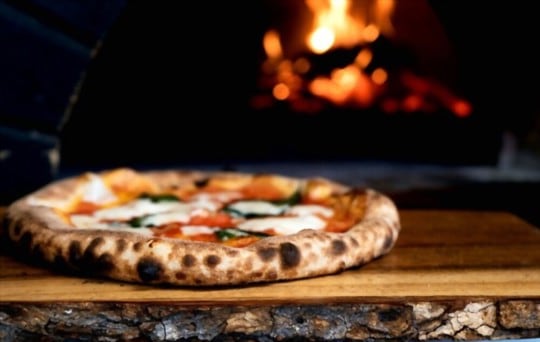
Worldwide, pizza fans are divided: Neapolitan or Margherita? Both are Italian, but the ingredients and cooking style set them apart.
Neapolitan is charred, with loads of tomato sauce, mozzarella, and basil.
Margherita is topped with fresh mozzarella, tomatoes, and basil for flavor.
The aroma and taste are the main difference - for another example of distinctive flavor profiles, see an acai berry flavor guide.
Neapolitan is pungent with strong garlic crust and tomato sauce.
Margherita is lighter, with fresh tomato and mozzarella.
Contrary to popular belief, both pizzas can be found at high-end restaurants or neighborhood pizza joints - it's all about preference.
Enjoy a warm slice of Italian-style pie, for a perfect meal with friends and family.
Regional and Cultural Significance
Pizza is a worldwide favorite, and two of its most well-known variants are Neapolitan and Margherita.
Both have cultural and regional significance in Italy, where they originated.
Neapolitan is traditional to Naples, while Margherita symbolizes the colors of the Italian flag: red tomatoes, white mozzarella, and green basil.
Neapolitan has a long story that dates back to the 18th century.
It's made with San Marzano tomatoes from Mount Vesuvius, fresh mozzarella cheese, and fresh basil.
Its dough must be made with wheat flour, water, salt, and yeast.
It's cooked swiftly in a wood-fired oven to produce a crunchy crust with soft edges.
Margherita was most likely designed in honor of Queen Margherita when she visited Naples in 1889.
It has tomato sauce, slices of fresh mozzarella arranged like petals on a flower, and topped with fresh basil leaves to represent the Italian flag.
Notwithstanding their similar ingredients, there are major differences between Neapolitan and Margherita pizzas beyond just their origins.
For instance, Margherita pizza is usually thinner and crispier due to its longer cooking time.
Both Neapolitan and Margherita pizzas are celebrated icons of Italian cuisine.
They continue to define distinct regional tastes in Italy and around the world among aficionados looking for genuine flavors from around the globe.
Key Differences: Neapolitan vs Margherita Pizza
Pizza fans love debating Neapolitan and Margherita pizzas.
Neapolitan is more classic, with a thicker crust.
Margherita is thin and crispy, with tomato sauce and mozzarella cheese.
It's all about personal taste.
The topping difference? Neapolitan has crushed tomatoes, garlic, oregano, and olive oil.
Margherita only has basil leaves. So, choose based on your cooking experience.
For outdoor pizza ovens, see a Solo Stove vs Ooni pizza oven comparison. For hands-on prep techniques, rolling vs stretching pizza dough guide explains which method suits different crusts.
Frequently Asked Questions
the difference between two pizzas is minor. They share some similarities but each has qualities that make it better suited for certain recipes.
It depends on the dish. Neapolitan Pizza and Margherita Pizza share some overlap, but each shines in different preparations.
Swapping works best in forgiving recipes like soups or stews.
Pricing varies by brand and region, but one is typically more accessible at everyday price points. The other may cost more due to specialization or limited supply.
Is there a best time to use each one?
One shines in applications requiring subtlety and background support.
The other is better when it is meant to be a center.
Matching the right one to its role makes a noticeable difference.