
Summary of key points
The main difference between poaching and braising is in the cooking method and end result. Poaching involves cooking food in a liquid at a low temperature, while braising involves browning food in oil before adding liquid and continuing to cook at a low temperature.
In terms of texture, poached foods tend to be delicate and moist, while braised foods have a rich and deep flavor with a tender texture.
In terms of usage, poaching is often used for delicate proteins such as fish and eggs, while braising is ideal for tougher cuts of meat that benefit from slow cooking to break down tough fibers. Overall, the choice between these two methods will depend on the type of food being cooked and desired end result.
Poaching involves cooking by submerging food in a liquid at a low temperature.
Braising, however, combines wet and dry heats.
We remember the time we accidentally braised eggs.
Not our finest culinary moment. Each technique brings out unique flavors and textures.
Understanding these can improve our cooking game from blah to wow.
Ready to master the art of poaching and braising?
We're here to guide you through every step.
Understanding Poaching
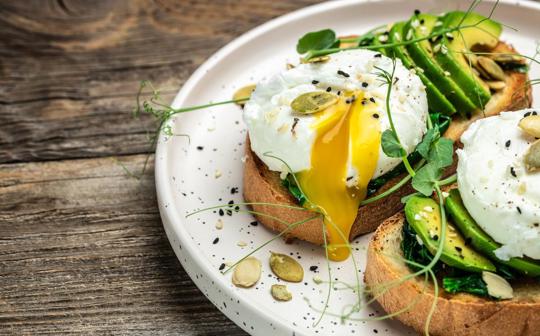
Poaching is cooking with liquid, such as water, broth, or wine.
It's usually used to cook delicate items like fish and eggs.
The heat should stay low and even to keep food tender and flavorful.
Cooking time varies depending on the recipe and size.
This cooking method has a unique advantage: you can add herbs, spices, or aromatics to the liquid for added flavor.
It's adaptable to different tastes and cuisines.
So, if you want to impress your guests, learn the art of poaching.
You'll be able to preserve natural flavors and textures while creating delicious dishes.
Understanding Braising

Braising is a unique cooking method. Sear the meat and then simmer it slowly in liquid.
This will give the flavors time to meld together. For successful braising, cook it low and slow.
This way, the connective tissues will break down and the flavors will develop.
Unlike poaching, braising gives you the chance to experiment with various ingredients and spices.
Add veggies, herbs, wine or broth to the cooking liquid for a tasty dish.
Try braising pot roast or chicken thighs for a yummy meal.
Differences Between Poaching and Braising

Poaching and braising are two distinct cooking methods.
Poaching entails simmering food in liquid at a low temperature, usually for delicate proteins like fish or poultry.
Braising starts with searing to create flavor, then cooking in liquid at low heat until tender.
The major difference is temperature and time.
Poaching produces subtle flavors that go with the food, while braising develops bolder and more strong flavors.
Cooking vessels vary too: poaching needs a shallow pan or skillet, while braising requires a deep pot or Dutch oven with a lid.
In summary: poaching is low-temp simmering; braising is searing followed by slow-cooking to tenderize and create intense flavors.
Cooking Method
Two popular cooking techniques are poach and braise.
Poaching is simmering food in liquid - usually water or stock - at a low temperature.
This is ideal for delicate ingredients like eggs, fish, or chicken breasts.
The aim is to cook the food evenly while keeping its moisture content.
On the other hand, braising is browning food in fat then slow-cooking it in a flavorful liquid.
This is perfect for tougher cuts of meat, like beef or pork.
Searing the ingredients first creates a rich caramelized crust.
Simmering in savory liquid allows for breakdown of connective tissues, making the meat tender and flavorful.
The main difference between poaching and braising is the outcome.
Poaching is best for delicate food that needs gentle cooking.
Braising is great for transforming tougher cuts into meltingly tender morsels.
Liquid Used
Liquid is essential for two cooking methods: poaching and braising.
These techniques differ in the way liquid is used.
Poaching uses liquid with herbs, spices, and aromatics to add flavor.
Braising needs a more intense liquid, like broth or wine, to make tougher meats tender and flavorful.
The liquid affects the dish's taste and texture.
Poaching uses liquid for cooking. Food is submerged and cooked at a low temperature.
This allows for even cooking and prevents dryness.
With braising, food is partially submerged and simmered slowly.
This breaks down collagen in the meat, making it tender.
Water is a common base for poaching liquids, as it has a neutral flavor.
Braising liquids often have ingredients that improve the flavor.
These could be stocks, wine, and even fruit juices.
The liquid should fit the ingredients and make the dish tastier.
Cooking Time and Temperature
Cooking time and temp are very important for the success of a dish.
Poaching and braising are two cooking techniques that vary in their approach.
Poaching uses liquid at low temps, 140°F to 180°F (60°C to 82°C).
This delicate process cooks food evenly without loss of tenderness or moisture.
Cooking time depends on the thickness and size of the food.
Braising is different.
It starts with searing meat/veggies at high heat before simmering in flavorful liquid at lower temps, 325°F (163°C) or lower.
This can take hours to even a day.
Knowing the differences between poaching and braising is key to culinary success.
The right technique gives moist textures and intensely flavored dishes.
Texture and Moisture Level
Poaching and braising - two cooking styles that differ based on texture and moisture level.
Poaching is gentle - low temperature and liquid-based, ideal for delicate ingredients like fish or eggs, which keeps them tender and moist.
Flavoring the poaching liquid can add to the taste.
Braising, though, uses higher heat and longer cooking time.
This enables tougher cuts of meat to become tender and juicy, whilst retaining their moisture.
The slow simmering also infuses flavors into the food, making it rich and intense.
Poaching retains texture and moisture, while braising transforms tough meat.
Knowing the difference between these techniques helps you make the best dish possible.
Similarities Between Poaching and Braising

Poaching and braising have some things in common.
Both use liquid for cooking ingredients, to make them tender and flavorful.
But there are unique aspects that differ.
Poaching needs simmering in flavored broth or stock, so it infuses subtle flavors.
Braising uses a flavorful liquid like wine or broth, and dry heat to give the food a caramelized outer layer.
Both cooking methods are versatile, for delicate foods like eggs, fish, and fruits - or tougher cuts of meat or vegetables.
And they let cooks be creative with flavors, adding herbs, spices, and seasonings to the liquid.
Thus, poaching and braising are similar in terms of their gentle cooking and flavor-infusing techniques.
But they differ in terms of ingredients and extra cooking steps.
This gives cooks endless possibilities for creating delicious, tender dishes tailored to personal tastes.
Best Ingredients for Poaching and Braising
Poaching and braising are cooking techniques that require particular ingredients.
Poaching works best with delicate ingredients such as fish, poultry, and eggs since the gentle heat and moisture of the poaching liquid retain tenderness and flavor.
Braising is ideal for tougher cuts of meat like beef, pork, or lamb, as the slow cooking process in a delicious broth or sauce makes them nice and tender.
Uniquely, fruits like pears or peaches can be poached for desserts, making them soft and flavorful.
As for vegetables, poaching asparagus or fennel will give a unique taste and texture.
Braising carrots or cabbage, on the other hand, will bring out their natural sweetness while keeping a nice firmness.
Poach vs Braise: When to Use Each Method?
Poaching and braising are two unique cooking methods.
Poaching is all about gently simmering food in liquid, like water or broth, at a low temperature.
Perfect for delicate ingredients, this technique helps keep their flavors and textures intact.
Braising, however, involves searing food at high temperatures.
Then, you slowly cook it in a flavorful liquid, like wine or stock, over a longer period.
This method is great for tougher cuts of meat that need tenderizing and flavoring.
Knowing when to use each method can improve your culinary skills.
Poaching is perfect for cooking fragile ingredients evenly, such as eggs and fish.
It helps them stay tender and not dry or rubbery.
Braising is the way to go for transforming tough cuts of meat into flavorful dishes.
It sears the meat first and then slowly cooks it in liquid.
This locks in moisture and develops complex flavors.
Plus, the liquids used in each process are different.
Poaching uses a neutral-tasting liquid to maintain the original flavor of the food.
Braising uses flavorful liquids like wine or stock to boost the taste of the dish.
Both poaching and braising have their unique advantages, depending on what you're cooking.
Get to know the differences between these two methods and you'll be able to create amazing dishes that will wow your guests.
Key Differences Between Poaching and Braising
The difference is clear.
Poaching involves gradually introducing liquid that just covers the food into a cooking vessel, and then simmering it until it's cooked through.
Braising, on the other hand, involves browning the food on a high temperature first, before covering with liquid and simmering it slowly to cook it until tender.
Poaching can involve complex flavors or just simple ingredients like salt and pepper, while braising is usually reserved for larger cuts of meat or tough vegetables that need longer cooking times.
The level of flavor and texture will vary depending on the method you choose, so make sure to experiment with both poach vs broil techniques to find the right one for your dish.
With these two techniques on hand, you'll have everything you need to perfect your favorite recipes.
Frequently Asked Questions
The main difference between poaching and braising is in the cooking method and end result. They share some similarities but each has qualities that make it better suited for certain recipes.
Often, yes. The two share enough common ground that most palates won't notice a swap.
Poach is usually milder while Braise brings more intensity.
Nutritional differences exist but are often minor in typical serving sizes. Neither is universally healthier - it depends on what specific nutrients or dietary goals you are focused on.
Which stores better after opening?
Once opened, one keeps better in the refrigerator with proper sealing.
The other may oxidize or separate more quickly, so using it promptly or in smaller quantities works better.