Summary of key points
If you're a fan of North African and Middle Eastern cuisine, then you've probably come across ras el hanout and harissa. These two spices are often used together in dishes but have distinct flavors that can add depth to your cooking.
Ras el hanout is a blend of up to 30 different spices, such as cumin, coriander, and cinnamon, resulting in a complex, warm flavor. Harissa, on the other hand, is a paste made from roasted red peppers, garlic, and various spices for a fiery kick of heat.
While they can both add delicious flavors to your dishes, ras el hanout is more versatile and can be used as a rub or seasoning blend, while harissa is best used as a condiment or marinade. Try them out in different recipes to see which one you prefer!
Ever stood in front of your spice rack, puzzled? Today, it's about Ras el Hanout versus Harissa.
These are not your average spices.
Ras el Hanout? A symphony in a jar.
We're talking a blend of over a dozen spices. Harissa?
Oh, that's the fiery kick in your stew. T4One sniff and you're transported.T5
Remember that time we tried making that dish? What a mess, but oh, the flavors!
Ras el Hanout brings warmth, complexity. Harissa? Pure heat and passion.
Two powerhouses. Major mood.
Our kitchens have never been the same. And neither will yours.
What is Ras el Hanout?
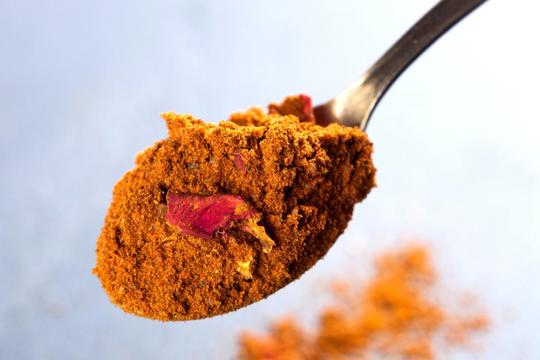
Ras el Hanout is a flavor-packed spice mix typically found in Middle Eastern and North African cooking.
It's well-known for its complexity and delectability, combining a variety of aromatic spices like cumin, coriander, cinnamon, turmeric, ginger, nutmeg, cardamom, and cloves.
In Arabic, the name translates to "head of the shop," suggesting it's a high-end blend made with the best ingredients.
Every vendor or spice shop may have their own unique recipe, passed down from one generation to the next.
What makes Ras el Hanout special is the spice combination and how they all come together.
It offers a nice mix of warmth from the cinnamon and nutmeg, earthiness from the cumin and turmeric, and a touch of sweetness from the ginger and cardamom.
The uses of this spice blend are endless.
It adds depth and flavor to tagines, couscous, rice dishes, stews, roasted veggies, and grilled meats.
Plus, it offers a tempting aroma that will leave your senses tingling.
In short, Ras el Hanout is an essential ingredient for Middle Eastern and North African cooking.
Whether you're an adventurous home cook or a skilled chef looking to up your game, it's worth investigating.
What is Harissa?
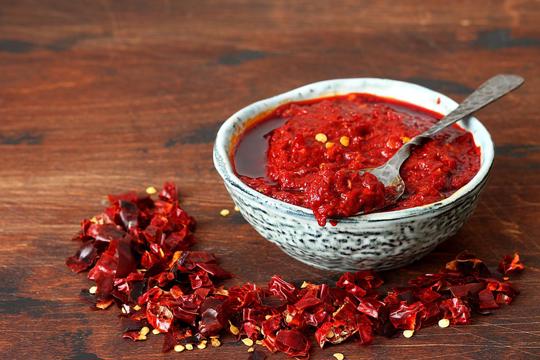
Harissa - a North African chili paste full of fire and aroma.
It's a real masterpiece, adding a tempting kick to any dish.
It's made from roasted red peppers, hot chili peppers, garlic, olive oil, and spices like cumin and coriander.
This bright condiment adds depth and complexity to Moroccan and Tunisian cuisines.
Its smoky undertones and intense heat make it ideal for stews, marinades, dressings, and even as a spread for sandwiches.
Harissa is very versatile and can give flavors a boost.
A great choice for those who want an adventurous cooking experience.
Differences Between Ras el Hanout and Harissa

Ras el Hanout and Harissa are two ingredients from Middle Eastern cuisine.
They share the same origin, they are different in flavor, ingredients, and how they are used.
Ingredients and Composition
Ras el Hanout and Harissa are two exotic condiments that can make dishes come alive.
These two have distinctive ingredients and composition.
Ras el Hanout is a North African spice blend, with "head of the shop" meaning in Arabic.
It is made from spices like cinnamon, cumin, coriander, turmeric, ginger, cardamom, nutmeg, and cloves.
Its flavor is rich and warm, and it perks up tagines, couscous, and grilled meats.
Harissa is a spicy paste from Tunisia.
Red or green chili peppers, garlic, olive oil, salt, caraway seeds, cumin seeds, and coriander seeds are its main ingredients.
Tomatoes or roasted red peppers can also be included.
Its flavor is fiery and smoky.
Harissa works well with stews, soups, grilled vegetables, and meats.
Both Ras el Hanout and Harissa have cumin and coriander for earthy undertones.
The main difference lies in the primary flavors.
Ras el Hanout has warm notes and subtle sweetness.
Harissa has intense spiciness and smokiness.
These condiments make dishes tasty, colorful, and aromatic.
They give chefs and home cooks the chance to be creative.
flavor and Heat Level
Ras el Hanout and Harissa are two spicy blends that offer a unique cooking experience.
They differ in flavour and heat.
Ras el Hanout is a Moroccan blend of spices with sweet, savoury and warm notes.
It includes cinnamon, cumin, coriander, turmeric and cardamom.
It improves dishes without being too hot.
Harissa, on the other hand, is a hot North African chili paste.
It contains roasted red peppers, hot chili peppers, garlic and caraway seeds and cumin.
Its heat level ranges from mild to extremely hot.
Ras el Hanout has complex flavours and mild spiciness. It goes well with various cuisines.
Harissa has bold heat that adds an intense kick to dishes.
Whether you're looking for flavour or spice, there is a perfect blend for you.
Use Ras el Hanout for a subtle touch or Harissa for a fiery thrill.
Get ready for a delicious experience.
Culinary Uses and Applications
Ras el Hanout and Harissa are two amazing ingredients. They bring great flavor to dishes.
Ras el Hanout is a Moroccan spice blend that adds an aromatic profile.
Harissa, a North African chili paste, adds depth and heat. They are essential in many cuisines.
Ras el Hanout brings fragrant spices like cinnamon, cumin, coriander, and cardamom to tagines and stews.
It's perfect for poultry, lamb, and vegetarian dishes. It adds a gentle warmth to Moroccan cuisine.
Harissa is made from roasted red peppers or chilies, garlic, olive oil, and spices like cumin and caraway seeds.
It livens up marinades for grilled meats or vegetables.
Couscous or pasta dishes also get an intense flavor.
Ras el Hanout and Harissa both have Middle Eastern flavors.
But their unique characteristics set them apart.
Ras el Hanout captures the vibrancy of North African cuisine with its detailed spice blend.
Harissa has a punchy heat perfect for those who want an extra layer of intensity in their meals.
Cultural Origins
Ras el Hanout and Harissa are two distinct creations of culture.
Their unique blends of spices and flavors make them staples in their regions.
Ras el Hanout, which means "top of the shop" in Arabic, is from North Africa, especially Morocco.
It features a mix of ingredients like cumin, coriander, cinnamon, ginger, and turmeric.
Its versatile seasoning enhances the flavors of dishes like tagines, stews, and couscous.
Harissa comes from Tunisia and is rooted in Mediterranean cuisine.
It is a fiery red paste of roasted red peppers or chili peppers, garlic, olive oil, and spices like cumin and caraway.
Harissa adds depth and heat to grilled meats, roasted vegetables, and couscous.
Ras el Hanout and Harissa come from North Africa, but have different tastes and influence.
Ras el Hanout provides a warm and aromatic blend, while Harissa's heat takes center stage in Tunisian cuisine.
Ras el Hanout vs Harissa illustrates North African cuisine with these two flavors.
Ras el Hanout provides a mix of spices for subtle enhancement, while Harissa brings fiery flavors.
Choosing between them is a matter of personal preference for Moroccan or Tunisian essence.
Similarities Between Ras el Hanout and Harissa
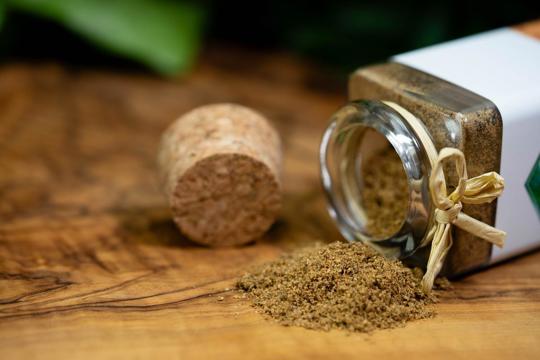
Ras el Hanout and Harissa are both popular spices in Middle Eastern and North African cuisine.
They share similarities in their use of aromatic spices, but also have unique differences.
These spice blends bring great flavor to dishes.
Ras el Hanout is made of cumin, coriander, cinnamon, ginger and cardamom.
Harissa contains chili peppers, garlic, cumin, coriander seeds, and caraway seeds.
Both have a rich and bright taste. They have versatility too.
Can be used as rubs or seasonings. Perfect for grilling meats or simmering tagines.
These spices differ in some ways.
Ras el Hanout is dry, whereas Harissa is a paste.
Made with olive oil or other liquids for a thick consistency.
The flavors are different too.
Ras el Hanout has warm and earthy flavors with sweetness from cinnamon.
Harissa has a fiery kick from chili peppers and smoky undertones from the roasted spices.
Incorporating Ras el Hanout and Harissa in Recipes
There are key differences.
Ras el Hanout is a Moroccan spice blend, adding complexity to food.
Harissa is a North African chili paste. Both have unique flavors that can boost dishes.
Ras el Hanout translates to "top of the shop".
It's a blend of spices such as cardamom, cinnamon, cloves, cumin, ginger, nutmeg and turmeric.
It adds warmth and richness to tagines, couscous and grilled meats.
Harissa is all about heat.
It's made from hot chili peppers, garlic, olive oil and spices like cumin and coriander.
It's a condiment used as a marinade, in stews and soups, and on sandwiches.
A little can go a long way with adding depth and heat.
Ras el Hanout and Harissa provide excitement to cooking.
However, their flavors cater to different tastes.
Ras el Hanout is versatile and works well with various cuisines beyond Moroccan.
Harissa's intense spiciness may not be for everyone but those who enjoy bold flavors will appreciate its kick.
Flavor Characteristics of Ras el Hanout and Harissa
They can be used to add heat and flavor to any dish, from soups to burgers.
Both spices have their own unique flavors that bring their own qualities of heat, sweetness, and umami.
Although they are similar in many ways, there are distinct differences between the two.
Harissa is made up solely of dry chilies, paprika, garlic, caraway seeds, cumin, couscous, and olive oil, whereas Ras el Hanout is a complex blend of twenty five different spices including ginger, cardamom seeds, cayenne pepper and nutmeg.
Ras el Hanout is also more traditionally linked to Middle Eastern cooking than Harissa.
However both offer great authentic flavors for those looking to spice up their cooking experiences in the kitchen.
Ready to try one or both? There's only one way to find out which you prefer - get cooking.
Frequently Asked Questions
These two spices are often used together in dishes but have distinct flavors that can add depth to your cooking. They share some similarities but each has qualities that make it better suited for certain recipes.
In many recipes, yes. Ras el Hanout and Harissa fill similar roles, though each brings its own character.
Try a small test batch before committing to a full swap.
Availability varies by region. One is usually a standard grocery store item while the other may require a specialty or international market depending on where you live.
Can a beginner tell the difference by taste?
In a side-by-side tasting, yes.
The difference becomes less obvious when mixed into a recipe with other ingredients.
Most people notice the distinction more clearly on its own.