
Rompope and eggnog. Two holiday drinks.
Both creamy, boozy delights that make our festive season a bit brighter. Rompope, originally from Mexico, packs a punch with rum.
Eggnog, a North American favorite, cozies up with bourbon or brandy.
We all have that one aunt or uncle who claims their recipe is the best. My Uncle Joe swears by his eggnog, a secret so guarded you'd think it contains the meaning of life.
Meanwhile, my friend Maria's grandma won't start Christmas without her homemade rompope.
Each has its fans. And its secrets.
What truly sets them apart? It's not just about the alcohol.
It's the history, the culture.
It's the stories we share, glass in hand, that make these drinks more than just recipes. They're traditions.
We're about to serve up some facts. And maybe a few laughs. Ready?
1. What is Rompope?
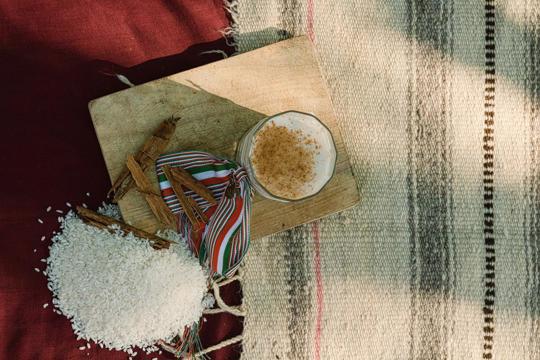
It's a Mexican beverage, like eggnog, but with its own flavor.
Made with eggs, milk, sugar, and spices like cinnamon and vanilla, rompope has a sweet and warm taste.
Originating in the 17th century, Spanish nuns created it for special occasions.
Over time, it became popular and an important part of festive Mexican traditions.
People sometimes add rum or other spirits, to give it a kick.
But this is optional, so you can omit it if needed.
Rompope is also used in desserts and cocktails.
Chefs and bartenders love it for its versatility.
Whether you sip it by the fireplace or use it as a topping, this Mexican delight will bring joy to your celebrations.
Enjoy rompope's unique flavor and the creamy texture we all know and love.
2. What is Eggnog?
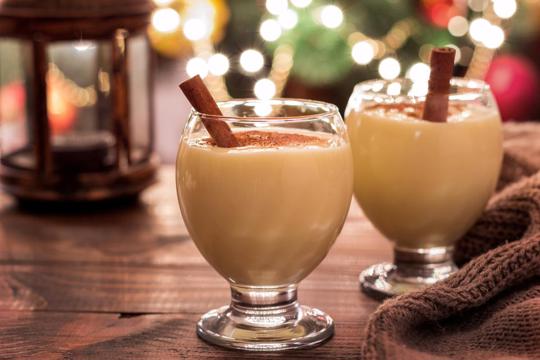
Eggnog is a classic holiday delight.
It's made with a mix of eggs, milk or cream, sugar, and sometimes alcohol.
It has a creamy texture with a hint of sweetness.
This seasonal favorite is often enjoyed at festive gatherings and brings warmth and cheer.
What makes eggnog special? It's extremely versatile.
Both can you enjoy it unaltered, but you can also add spices like cinnamon or nutmeg and even spike it with liquor for a boozy kick.
But did you know that eggnog has a fascinating history? It originated in Britain as "posset," a drink of the elite.
Then, it made its way to America and became the eggnog we know today.
So, if you're looking for something delicious and indulgent, try eggnog.
It's perfect for the holidays and sure to bring joy to your celebrations.
3. Differences Between Rompope and Eggnog
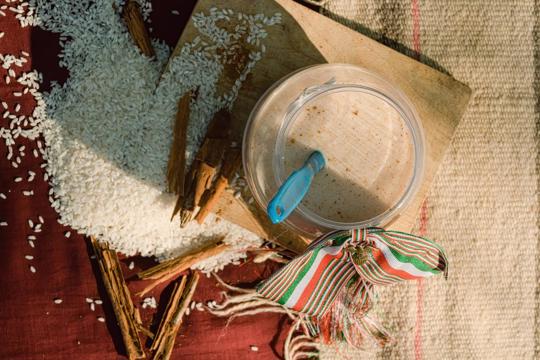
Rompope and eggnog may seem similar, yet they differ.
Both are creamy and rich drinks for the holiday season.
But, there are variations in their ingredients and background.
Origin and Cultural Background
Rompope and Eggnog are two festive drinks enjoyed around the globe.
But their beginnings come from different cultural backgrounds.
Rompope was invented by nuns in the 17th century in the Puebla, Mexico convents.
Recipes arrived from Spain with the conquistadors.
It's made of milk, eggs, sugar, vanilla and either rum or other spirits.
It became an important part of Christmas and Easter in Mexico.
Eggnog's roots lie in Europe, particularly England.
It was initially called "posset" and made with hot milk curdled with wine or ale.
Eggs were later added, making it creamier.
When it reached the United States in the 18th century, rum or whiskey was added for an extra kick.
Nowadays, eggnog is closely tied to American holiday traditions.
Similar, rompope and eggnog have their own flavors.
Rompope has subtle cinnamon and nutmeg hints, while eggnog often includes spices such as nutmeg and cloves for a more distinctive taste.
Ingredients Used
What's inside matters.
Rompope is a Mexican liqueur.
It is made with milk, eggs, sugar, vanilla extract and rum.
The result is a creamy and sweet flavor with a tinge of alcohol.
Eggnog is a holiday favorite in many English-speaking countries.
It also has milk, eggs, sugar, and vanilla extract.
But instead of rum, brandy or whiskey is used.
This creates a rich and warm flavor.
These small differences give each drink its own distinct character.
Flavor and Taste
Rompope and Eggnog have different tastes.
Rompope, a Mexican festive beverage, has a richer and creamier flavor.
It has a complex blend of vanilla, cinnamon and nutmeg.
Eggnog has a milder taste.
It has sweetness and warmth from the spices, like nutmeg or cinnamon.
Both have a creamy texture, yet distinctive flavors to please different palates.
Alcohol Content
Rompope and Eggnog differ in alcohol content.
Rompope usually contains 15-20% alcohol, while Eggnog's content is 5-10%.
This is due to various recipes.
Mexican Rompope comprises milk, eggs, sugar, vanilla, cinnamon, and rum or other spirits.
This explains its higher alcohol content.
Eggnog from Europe, popular in North America, is made from milk/cream, eggs, sugar, nutmeg, sometimes brandy or bourbon.
So, which will you choose? Rompope's strong boozy flavor or Eggnog's milder alcoholic essence?
Enjoy these festive drinks responsibly.
4. Similarities Between Rompope and Eggnog
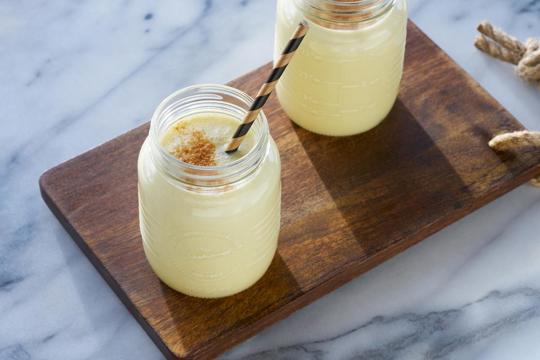
Rompope and eggnog have much in common.
Both are creamy and rich, usually enjoyed during the holidays.
They both have milk, cream, sugar, and eggs.
And, they're spiced with nutmeg and cinnamon.
Making them requires whisking the ingredients over heat until thickened.
Despite their differences, rompope and eggnog bring people together with their comforting and festive taste.
Still, there are some distinct details that make them unique.
Rompope is Mexican and flavored with vanilla and almonds.
It's also usually spiced up with rum or other spirits.
While eggnog is usually found in North America and Europe.
Rompope and eggnog are a great way to embrace the holiday cheer.
With their creamy texture, warm spices, and comforting flavor.
Whether you go for traditional eggnog or Mexican-inspired rompope, both are delicious and perfect to celebrate with family and friends.
So, cheers to these festive treats.
5. Traditional Occasions for Rompope and Eggnog
Rompope and eggnog - two traditional beverages.
They have similarities, yet different characteristics.
Rompope - a Mexican favorite - usually drunk at Christmas and Easter.
Eggnog - British and American - mainly at the holiday season.
Both creamy and made with milk, eggs, sugar, cinnamon, nutmeg.
Rompope has an added twist - almonds or vanilla extract - giving it a unique flavor.
Taste and culture affect preference.
Indulge in these pleasant beverages at your next festive gathering.
6. How to Make Rompope and Eggnog?
Rompope and eggnog are both creamy drinks that bring holiday cheer.
Yet, they have some differences.
Here is a 5-step guide on how to make these yummy beverages.
- Gather the ingredients. For rompope, you need: milk, eggs, sugar, cinnamon sticks, vanilla, and rum. For eggnog, you need: milk, eggs, sugar, nutmeg, vanilla, and your choice of alcohol (brandy or whiskey).
- Warm the milk and cinnamon sticks (or nutmeg) in a saucepan over medium heat. When it starts to simmer, take off the heat and let cool.
- In a separate bowl, whisk the egg yolks and sugar together until smooth.
- Slowly pour the warm milk into the egg yolk mixture while whisking. Put the mixture back in the saucepan and cook over low heat until it thickens.
- Take off the heat and stir in vanilla and rum for rompope (or your chosen alcohol for eggnog). Let cool before serving chilled.
Note: Both drinks have variations around the world.
Rompope may include almonds or lime zest for extra flavor.
Eggnog recipes may include cream or sweetened condensed milk for a creamier texture.
7. Serving Suggestions for Rompope and Eggnog
In short, rompope and eggnog are both creamy festive drinks.
But, they have differences.
Rompope has a Mexican history and is flavored with cinnamon and vanilla.
Eggnog comes from Europe and includes nutmeg and rum.
These varied ingredients and backgrounds give each drink a unique flavor.
So, if you like the bold taste of rompope or the comforting eggnog, they are both great drinks for the holiday season.
Frequently Asked Questions
Meanwhile, my friend Maria's grandma won't start Christmas without her homemade rompope. They share some similarities but each has qualities that make it better suited for certain recipes.
Often, yes. The two share enough common ground that most palates won't notice a swap.
Rompope is usually milder while Eggnog brings more intensity.
Nutritional differences exist but are often minor in typical serving sizes. Neither is universally healthier - it depends on what specific nutrients or dietary goals you are focused on.
Which stores better after opening?
Once opened, one keeps better in the refrigerator with proper sealing.
The other may oxidize or separate more quickly, so using it promptly or in smaller quantities works better.

Food writer at GustoMeadow. Writes ingredient substitutes, food comparisons, taste guides and storage guides for home cooks.
Storage and food-safety numbers follow USDA, FDA and university extension guidance.



