
Use Prague Powder #1 or #2 in a tested recipe, never your old saltpeter amount.
- Prague Powder #1 suits cooked bacon and smoked pork, at 1 teaspoon per 5 pounds in Oregon State's recipes.
- Prague Powder #2 suits salami and dry-cured ham eaten uncooked.
- With no curing salt, cook it as fresh meat, keep it cold and skip dry cures.
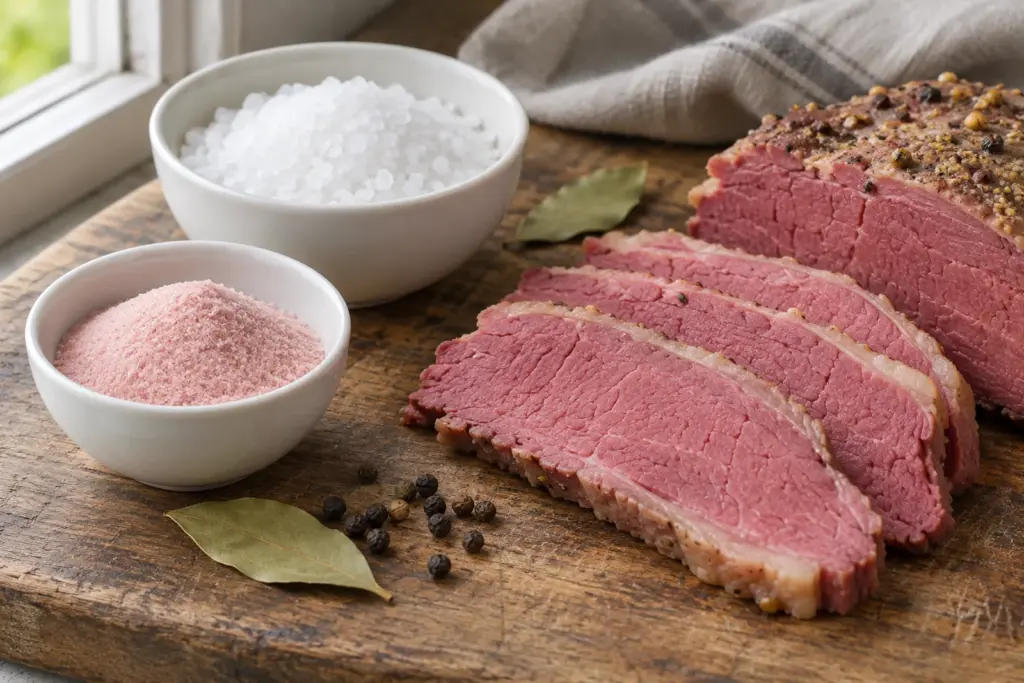
Sea salt, Himalayan salt and celery powder have no known nitrite strength, so none of them replaces saltpeter.
Saltpeter is potassium or sodium nitrate, the curing chemical in many older corned beef, ham and sausage recipes, and Oregon State University Extension notes it has gone into cured meats for centuries. Of all the kitchen ingredient substitutions you might make, this one carries real risk, because the cure is what protects your meat from botulism and too much of it is toxic.
What Does Saltpeter Do in a Cure?
Saltpeter does nothing to the meat until it changes form. Wisconsin Extension calls nitrate salt inert until bacteria convert it to nitrite, and nitrite is the part that cures. Penn State Extension uses the name saltpeter for sodium or potassium nitrate alike, so an old recipe may mean either one.
Once nitrite forms, it does two jobs your substitute has to cover:
- It blocks botulism. At the levels USDA allows, Wisconsin Extension says nitrite completely inhibits the growth of Clostridium botulinum, the bacteria behind botulism.
- It sets the pink color. Penn State explains that nitrite becomes nitric oxide, which reacts with myoglobin, the muscle pigment, to give ham and corned beef their cured color.
Penn State adds that no other single additive performs all the functions of nitrite in cured meat, so salt or spice alone cannot fill the gap.
Because saltpeter has to wait for bacteria, nitrate cures work more slowly than nitrite cures, which is why saltpeter suited long dry cures. Your substitute therefore depends on how long the meat cures and whether you cook it afterward.

5 Best Saltpeter Substitutes for Curing Meat
Pick the swap by the job your recipe gives the cure, then take the amount from a recipe written for that product. Only the first three are curing salts with a stated nitrite strength:
| Substitute | Best for | Amount |
|---|---|---|
| 1. Prague Powder #1 | Bacon, cooked or smoked meat | 1 teaspoon per 5 lb pork belly |
| 2. Prague Powder #2 | Salami, prosciutto | Tested dry-cure recipe |
| 3. Morton Tender Quick | Corned beef, summer sausage | 5 tablespoon per 4 to 6 lb brisket |
| 4. Celery-based cure | "Uncured" bacon and ham | Rate on its package |
| 5. No cure | Fresh pork roast | Salt to taste |
Each row carries its own amount, so you never move the saltpeter measurement from an old recipe into any of them.
1. Prague Powder #1 for Meat You Cook
Prague Powder #1 is 6.25% sodium nitrite and 93.75% salt, dyed pink so you can tell it from table salt, according to Oregon State. It already holds nitrite, so it protects the meat at once instead of waiting on bacteria like saltpeter.
Oregon State's home bacon recipes use 1 teaspoon of Cure #1 per 5 pounds of pork belly with 5 tablespoons of regular salt, cured in the fridge for 5 to 7 days and flipped each day. The pink cure and the plain salt do separate jobs in that bowl, and the pork is then cooked or hot smoked to 160°F inside. Those recipes stay under the 200 ppm limit for nitrite in dry-cured bacon.
Whatever brand you buy, check the label for 6.25% sodium nitrite and follow the maker's rate per 5 pounds, the same check that decides which Prague powder swaps are safe.

2. Prague Powder #2 for Long Dry Cures
Prague Powder #2 is the modern match for saltpeter's slow job. Oregon State lists it as up to 4% sodium nitrate plus 6.25% sodium nitrite, intended for cured meats that will not be cooked before eating, such as salami or prosciutto. The nitrite protects the meat from the first day, and the nitrate acts as a slower, time-release curing agent while the meat dries.
Use it only in a tested dry-cure recipe that names it, and keep it out of bacon. Oregon State does not recommend blends with nitrate for bacon because they are likely to produce more nitrosamines, and Wisconsin Extension notes that nitrate is prohibited in bacon so no extra nitrite is around to form them. That cooked-or-raw question also separates prosciutto from cooked ham.

3. Morton Tender Quick in Recipes Written for It
Tender Quick is mostly salt and sugar, and Morton's label lists 0.5% sodium nitrate and 0.5% sodium nitrite. Its recipes call for far more of it than Cure #1, and Morton warns that extra makes the meat too salty.
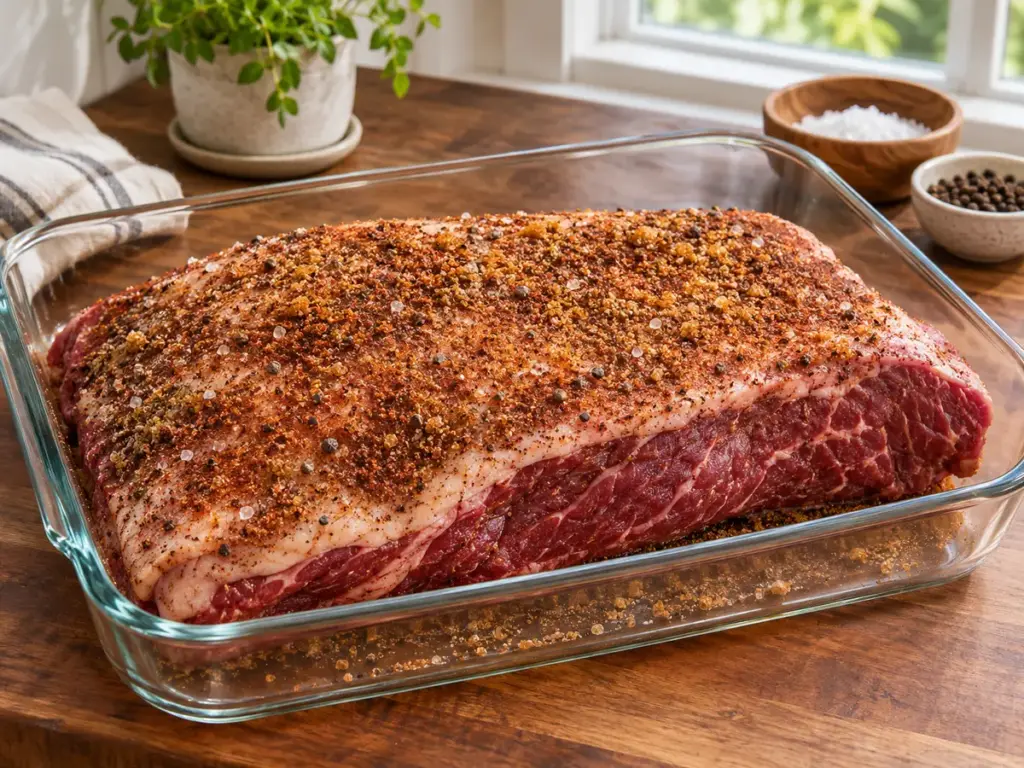
Oregon State's deli-style corned beef uses 5 tablespoons for a 4 to 6 pound brisket, cured in the fridge 5 days per inch of thickness. If your old recipe calls for saltpeter, use a tested one such as this with its own cure, amount and time, since the difference between brisket and corned beef is that cure.
Its summer sausage uses 2 tablespoons per 5 pounds of meat, and Oregon State says never to use more than an up-to-date recipe gives.

4. Celery Powder and "Natural" Cures
Celery does carry nitrate, and Oregon State says processors put celery juice powder, parsley, cherry, beet or spinach powders into bacon sold as "natural, uncured." Wisconsin Extension says there is no difference between purified and plant-based nitrite, and Oregon State rates the nitrosamine risk of that bacon as similar to traditionally cured bacon, so "natural" does not mean safer.
The trouble at home is the dose. Wisconsin Extension puts the nitrate in vegetables anywhere from 0.001% to 1.0%, so a jar of spice-aisle celery powder or celery juice gives you no way to know how much nitrate reaches the meat. None of the extension sources below gives a home recipe that cures meat with plain celery powder, so a celery-based cure sold for meat goes in only at the rate printed on its own package.
5. No Cure at All: Cook the Meat Fresh
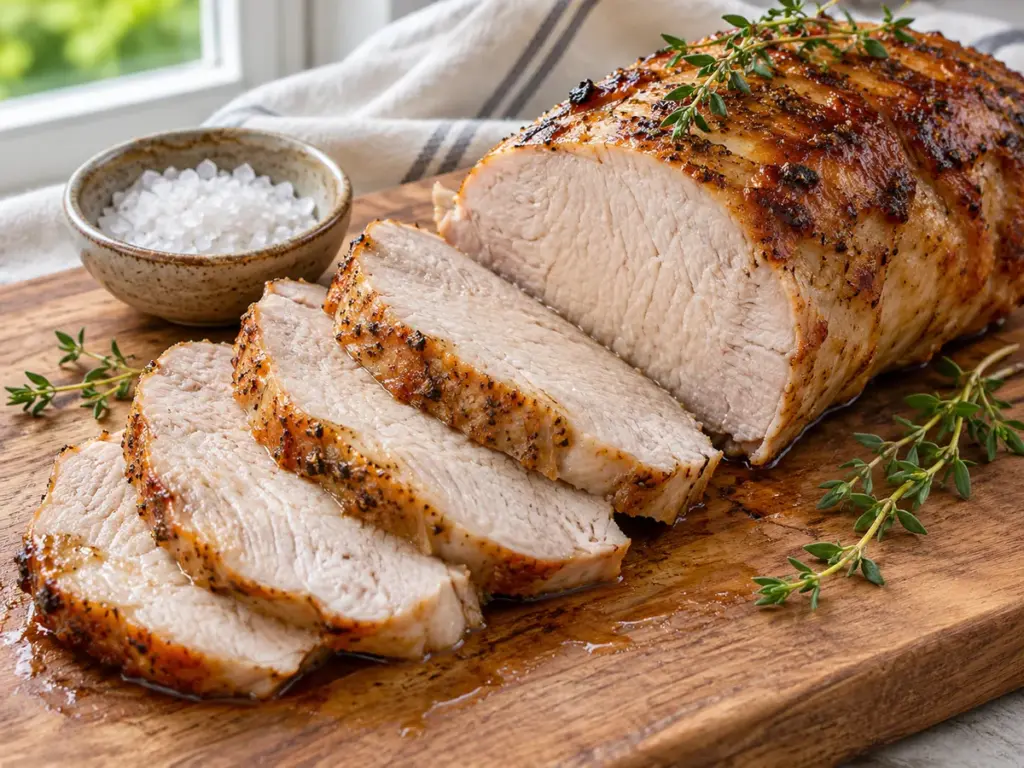
With no curing salt, treat the meat as fresh meat: season it with salt, sugar and spices in a brine or rub, cook it fully and keep it cold. Your pork loses the pink color, and it won't have the salty tang of cured ham either, so it eats like a roast.
- Check the recipe. A dry-cured ham, a salami or a low-heat smoked sausage needs real curing salt, so wait until you can buy Cure #1 or #2.
- Cook to a safe temperature. University of Minnesota Extension lists 145°F with a 3-minute rest for fresh pork roasts and chops, and 160°F for ground pork.
- Keep it cold. Oregon State says bacon made without nitrite must stay below 40°F at all times.
What If Your Recipe Lists Saltpeter?
No spoon-for-spoon ratio exists, and none of the extension sources below converts a saltpeter amount into a Prague Powder amount. For a family recipe that lists saltpeter, find a current tested version of the same dish and take its cure, amount and time from that version. The old recipe stays useful for its spices.
Country ham is a case where federal rules allow salt alone. Under 9 CFR 319.106, a salt-cured country ham gets a dry salt rub only, nitrate or nitrite is optional, and a ham made without them must reach a brine concentration of at least 10% or a water activity of 0.92 or lower. You can't check either number by taste, so a tested recipe and its cure keep you on the safe side.
Which Saltpeter Substitutes Don't Cure Meat?
Several swaps that turn up on saltpeter lists hold no nitrite or no known amount of it, so they cannot do the cure's job:
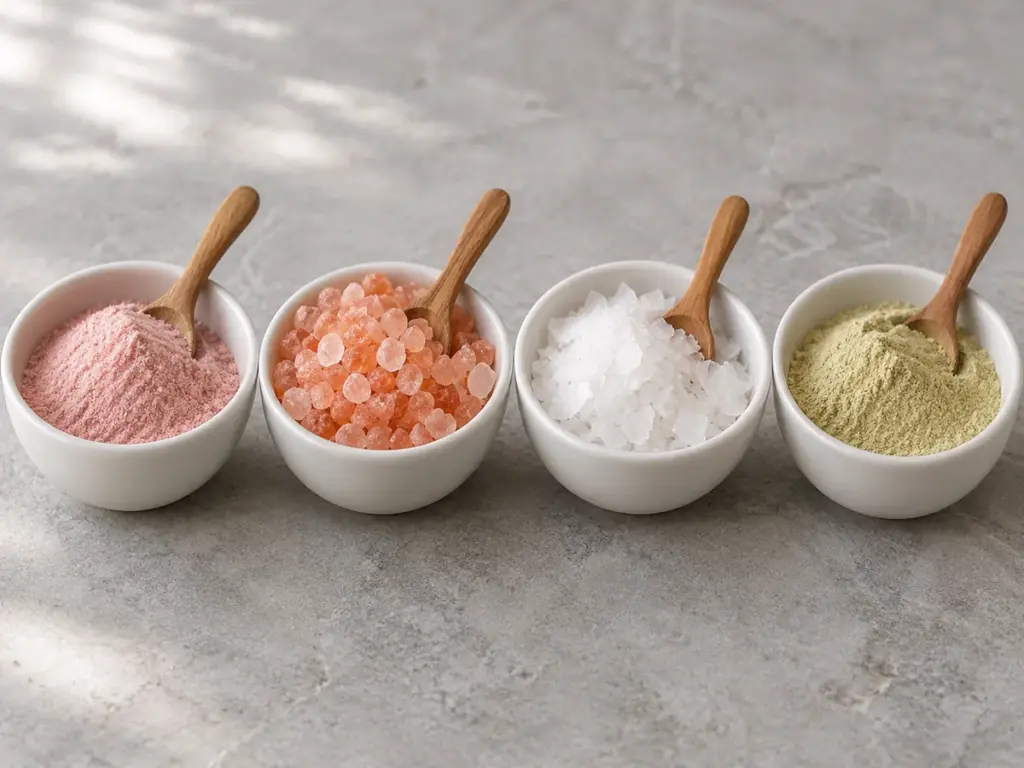
- Sea salt and non-iodized salt season the meat but add no nitrite, and rock salt adds none either.
- Himalayan pink salt is a seasoning salt without the nitrite of pink curing salt. Recipes that ask for "pink salt" mean dyed curing salt, a different product.
- Celery salt is plain salt with ground celery seed, so it seasons and cures nothing.
If you rub meat with any of these and leave it in the fridge, you get salted meat that still needs cooking and cold storage, which is the same rule as item 5.
Sources
- Oregon State University Extension, Making Cured Bacon at Home (PNW 784): Cure #1 and #2, bacon recipe amounts, 200 ppm, plant powders.
- Oregon State University Extension, Summer Sausage and Deli-Style Meats (SP 50-735): Tender Quick amounts and curing time.
- University of Wisconsin-Madison Extension, What's the Deal with Nitrates and Nitrites Used in Meat Products?: nitrate conversion, botulism, bacon, plant nitrate.
- Penn State Extension, Proper Processing of Wild Game and Fish: saltpeter, cured color, nitrite's functions.
- Morton Salt, Morton Tender Quick: label percentages and rate warning.
- USDA FSIS rule, 9 CFR 319.106: country ham definition.
- University of Minnesota Extension, Safe Food Temperatures: Heating and Cooling: fresh and ground pork temperatures.

Food writer at GustoMeadow. Writes ingredient substitutes, food comparisons, taste guides and storage guides for home cooks.
Storage and food-safety numbers follow USDA, FDA and university extension guidance.



