
Summary of key points
The primary distinction between split pea and lentil is their shape and cooking time. Split peas, which come from the seeds of Pisum sativum, split naturally along their inherent suture line when dried, requiring longer cooking times.
Lentils, on the other hand, retain their lens shape even after drying and generally cook faster. Both offer similar nutritional profiles, rich in protein, fiber, and vitamins.
Confusion reigns supreme in the pulse section.
Bought the wrong one, maybe? Our soups and salads forgivingly accept both, yet they're not the same.
Split Pea vs Lentil. Sounds like a medieval duel, right?
I remember one time I planned to impress with my epic split pea soup. Grabbed lentils by mistake.
Chaos ensued in the kitchen.
Today, we're laying it all out. Clear, simple, no culinary degree required.
What sets these two apart? Besides their knack for identity crisis in our kitchens.
It's a showdown like no other.
What are Split Peas?
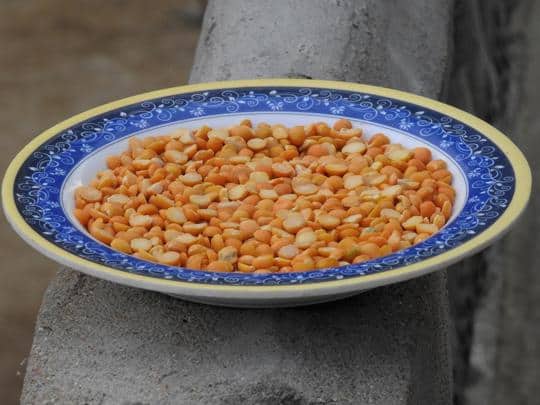
Split peas are a type of legume that come from the same plant as green peas.
They are small, round, and bright, and usually dried and split in half to show their pale yellow inside.
Plus, they have a sweet and earthy flavor.
People often use them in soups, stews, and dal recipes.
Split peas have high protein content.
This makes them a good choice for vegetarians, or anyone looking to up their protein intake.
Plus, they have dietary fiber that helps digestion and blood sugar levels.
These legumes also contain essential vitamins and minerals like iron, potassium, and vitamin B6.
They are low in fat, and cholesterol-free.
So, they are a healthy addition to any diet.
What's more, split peas are versatile when cooking.
They soften quickly when cooked, and break down into a creamy consistency when simmered.
That's why split pea soup is so popular.
Split peas are delicious and nutritious.
They offer health benefits and a unique flavor.
So, enjoy them in soups or other dishes for both nutrition and taste.
For ideas on bright citrus pairings that might inspire savory finishes, consult what goes well with lemon in desserts to adapt lemon pairings to legume dishes.
What are Lentils?
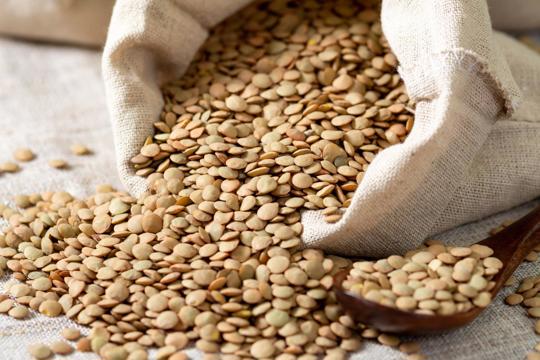
Lentils are an ancient legume that have been cultivated for thousands of years.
These small, disc-shaped seeds are a member of the pulse family, and they come in a rainbow of colors, including green, brown, yellow, and red.
Lentils are incredibly nutritious and contain high levels of protein, fiber, and essential minerals, making them a staple in many vegetarian and vegan diets.
They are also versatile and can be used in a wide variety of dishes, from soups and stews to salads and curries.
But what makes lentils unusual is their ability to fix nitrogen in the soil, making them an important part of sustainable farming practices.
Whether you're a foodie or a farmer, there's something truly fascinating about these unassuming legumes.
Differences Between Split Peas and Lentils
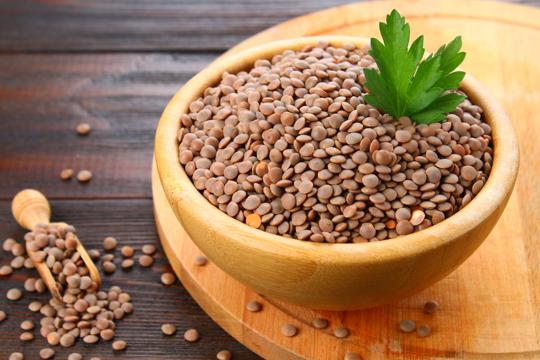
Split peas and lentils are two different legumes; for another legume comparison, see black-eyed peas vs pinto beans comparison.
1 - Appearance and Shape
Split peas and lentils look different. Split peas are round and come in green, yellow and brown.
They get soft when cooked.
Lentils are small and lens-shaped. They come in green, red, brown and black.
They have a flatter shape than split peas. It's important to note the differences.
Split peas are dried and peeled yellow peas. They're good for soups and stews.
Lentils keep their outer coating. This makes them firmer when cooked.
This makes them great for salads or side dishes.
Both split peas and lentils are legumes.
They offer health benefits like fiber and protein.
But, they have their own characteristics.
Knowing their shapes and cooking properties helps you choose the right one for your recipes.
Whether you like the roundness of split peas or the shape of lentils, both add flavor and texture to dishes.
2 - Taste and Flavor
Split peas and lentils have their own distinct flavors - for a look at flavor terminology differences, see extract vs flavor differences explained.
Split peas have a mild, earthy, sweet taste and a smooth, creamy texture.
Lentils, on the other hand, have a nuttier, peppery flavor and a firmer texture when cooked.
Plus, split peas absorb seasoning and spices better.
So, these two legumes bring different tastes to your food and make for unique cooking experiences.
3 - Cooking Time
Cooking split peas and lentils may vary due to type, age, and preference.
Split peas take 30-45 minutes, while lentils take 15-30 minutes.
The texture and recipe will affect cooking times.
Split peas are often used in soups or stews for a tender consistency.
This legume needs longer cooking due to its dense nature, so simmer on low heat for at least 30 minutes.
Lentils are popular in salads, curries, and as a side dish.
Types of lentils vary, such as brown, green, and red.
Brown and green lentils need 20-30 minutes to cook, while red lentils need 15-20 minutes.
Soaking these pulses overnight or for a few hours helps soften them and reduce cooking time.
This is useful for those who want a quicker cooking process.
When choosing cooking liquids, differences like white cooking wine vs white wine vinegar comparison can subtly change flavor and acidity during simmering.
4 - Nutritional Content
When comparing split peas and lentils, their nutritional content is key.
Both legumes are packed with essential nutrients that can benefit us.
Split peas offer dietary fiber, protein, vitamins, minerals and folate, which is important for pregnant women.
They also have iron and potassium, helping blood circulation and blood pressure.
Lentils offer similar advantages, plus they have high protein which is great for plant-based diets.
They also contain magnesium which helps bones and muscles.
Both split peas and lentils can help our hearts due to their low-fat and high-fiber.
They also help us manage weight as they are low in calories but make us feel full.
Split peas and lentils are nutritious and offer unique health benefits.
Eating them can improve overall well-being and give us essential nutrients.
For a savory, cheesy boost that complements legumes, see what nutritional yeast tastes like guide to decide if it suits split pea or lentil recipes.
Similarities Between Split Peas and Lentils

Split peas and lentils: two legumes with many similarities.
Both are high in protein and fiber, making them great for vegetarians and vegans - similar to the butter peas vs butter beans comparison.
Also, they can be used in soups, stews, and salads.
Plus, both are low in fat and cholesterol-free, which is good for your heart.
And, they are very budget-friendly. Still, these legumes differ in certain ways.
Split peas come from Pisum sativum, while lentils come from Lens culinaris.
Split peas have a mild flavor, while lentils have an earthy taste.
Split peas keep their shape when cooked, while lentils become softer.
Split peas are usually green or yellow, and lentils come in different colors like green, brown, red, and black.
Split peas and lentils provide the same health benefits and culinary uses.
It's just a matter of personal preference, which one you choose.
Whatever you pick, you're getting great nutrients for your diet.
Culinary Uses of Split Peas and Lentils
Split peas and lentils are two diverse legumes.
They offer a good source of protein, fiber and important nutrients.
Split peas are often used in soups, stews and dal.
Lentils are popular in salads, curries and side dishes - compare how they stack up against other legumes in lentils vs black beans comparison.
Both infuse dishes with flavor and texture.
Split pea soup is a classic comfort food.
Lentil soup is known for its filling and nourishing qualities.
Split peas need more time to cook than lentils, as they are bigger.
So, you can't go wrong with these nutritious legumes - split peas or lentils.
Which One Is Right for Your Dish?
Split peas or lentils? It's a decision to consider.
These legumes have unique flavors and textures that can really spice up recipes.
Split peas offer a mild taste and smooth texture - great for soups and stews.
Lentils, with their slight nutty flavor, work great in salads and side dishes.
Cooking time differs too.
Split peas need just 30 minutes of simmering, while lentils take 20-45 minutes.
Nutrition-wise, both are great sources of plant-based protein and dietary fiber.
Plus, split peas have higher amounts of dietary fiber than lentils.
Bottom line? It depends on the flavors and textures you're looking for.
Split peas for a smoother consistency; lentils for a firmer texture.
Cooking and Nutritional Differences: Split Pea vs Lentil
There is much to consider.
Ultimately, lentils tend to be more nutrient dense than split peas while the latter are denser in flavour.
Split peas can be used as a soup base or added to dishes for a stronger taste whereas lentils tend to blend better and be an ideal accompaniment.
As you can tell from all of the characteristics discussed above, if you're looking for a healthy addition to your dish that adds depth with going overboard on the flavour side-split peas are an excellent choice.
Considering both of these have numerous benefits nutritionally and can play different roles in dishes, why not try mixing them up.
After all, variety is the spice of life.
Compare closely related pea topics like pea sprouts vs pea shoots for subtle differences in use and texture. butterfly pea flower tea taste guide explains a unique floral profile that can inspire colorful beverage pairings.
Frequently Asked Questions
The primary distinction between split pea and lentil is their shape and cooking time. They share some similarities but each has qualities that make it better suited for certain recipes.
In many recipes, yes. Split Pea and Lentil fill similar roles, though each brings its own character.
Try a small test batch before committing to a full swap.
Availability varies by region. One is usually a standard grocery store item while the other may require a specialty or international market depending on where you live.
Can a beginner tell the difference by taste?
In a side-by-side tasting, yes.
The difference becomes less obvious when mixed into a recipe with other ingredients.
Most people notice the distinction more clearly on its own.