
Summary of key points
The main difference between white Modena vinegar and white vinegar is the region in which they are produced. White Modena vinegar, as the name suggests, comes from the Italian city of Modena, while white vinegar can be made anywhere.
In terms of taste, white Modena vinegar has a more balanced and slightly sweeter flavor compared to white vinegar, which can have a harsher and more acidic taste. Both can be used in cooking and as a cleaning agent, but white Modena vinegar is often preferred for its milder taste when used in recipes.
Also, white Modena vinegar is made from grapes, while white vinegar is typically made from grains like corn or wheat. This difference in sources may also affect the final taste of dishes when using these vinegars.
In the kitchen, vinegar is a staple. Yet, not all vinegars are created equal.
We often find ourselves staring at the shelf, pondering over white Modena vinegar and white vinegar.
The differences are subtle yet significant. White Modena, crafted from trebbiano grape concentrate, has a delicate flavor.
It's perfect for salads. White vinegar, on the other hand, is our go-to for cleaning and pickling, thanks to its strong acidity and sharp taste.
Our moms swear by it for shiny windows. We've even accidentally discovered its cleaning prowess on a messy countertop.
It's all about picking the right tool for the job.
Know your vinegars, folks. It might just save your dish or your day.
What is White Modena Vinegar?
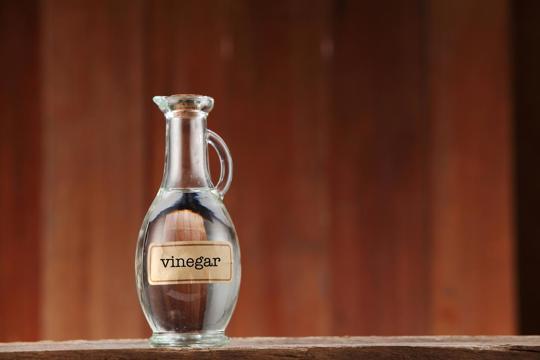
White Modena Vinegar, also known as white balsamic vinegar, comes from Modena, Italy.
It shares similarities with its darker version, but is aged for shorter time and has a different production process.
The vinegar has a light and golden hue and its taste is mild with subtle sweet notes.
It is often used to enhance dishes without overpowering their natural flavors.
White Modena vinegar is distinct from regular white vinegar due to its production method.
Both are made from fermented grapes, but white Modena vinegar is aged in wooden barrels to develop its taste and aroma.
This aging period can last from several months to a few years.
The vinegar improves salads and dressings.
Also, it is great for marinating vegetables or light proteins such as chicken or fish.
The touch of sweetness adds an excellent complexity to any dish.
It may not be as easily available as traditional vinegar.
Yet, it offers a unique flavor that can greatly improve your dishs.
Next time you're looking to add a touch of elegance to your dishes, try the excellent simplicity of white Modena vinegar.
For a side-by-side look at two creamy cocktails, White Russian vs Mudslide comparison breaks down flavor and texture differences.
What is White Vinegar?

White vinegar, also known as distilled vinegar, is a clear and colorless type of vinegar.
It's made by turning sugars in grains or fruits into alcohol, then to acetic acid through oxidation.
It has a strong odor, and a sour, sharp taste.
People often use it for cooking, cleaning, and as a natural remedy.
It's high in acidity, at about 5%.
This makes it great for scrubbing away stains, grease, and bacteria.
It's even a natural weed killer for gardens.
White vinegar has many health benefits too.
It's been used to cure indigestion and other digestive issues.
It can also help regulate blood sugar and aid with weight loss when consumed in moderation.
Culinary-wise, white vinegar is quite versatile.
Its acidity is great for marinades, pickling veggies, and adding tanginess to salad dressings or baked goods.
White vinegar is a great household item.
It has multiple uses, and its distinct aroma and sharp taste make it really stand out.
For a clear comparison of similar fruit varieties, Yellow Peach vs White Peach comparison highlights taste and use differences.
Differences Between White Modena Vinegar and White Vinegar

White Modena Vinegar and White Vinegar may appear similar, but they have distinct differences.
Modena is a traditional Italian vinegar, while White Vinegar is a more general term for clear vinegars.
For a vegetable-focused contrast that clarifies subtle distinctions, White Carrot vs Parsnip comparison explains texture and flavor contrasts.
Production Process
White Modena Vinegar and White Vinegar production processes are vastly different.
White Modena Vinegar is made from cooked grape must, white wine vinegar and aged wine vinegar - resulting in a richer flavor and slightly amber hue.
Making White Modena Vinegar involves fermenting cooked grape must with white wine vinegar for 2 months.
This is followed by adding aged wine vinegar which ferments for months, or even years.
This long fermentation process gives White Modena Vinegar its unique taste and complexity.
Meanwhile, white vinegar production is simpler.
It is made by fermenting distilled alcohol derived from grains or fruits like corn, rice or apples.
This is processed into acetic acid by adding bacteria, and then further transformed into vinegar through oxygen exposure.
The key difference is in the ingredients and aging duration.
White Modena Vinegar uses cooked grape must and multiple fermentation stages, while regular white vinegar uses distilled alcohol - giving it a sharper flavor.
Ingredients Used
White Modena Vinegar and White Vinegar may seem similar, but they differ in ingredients.
White Modena Vinegar is made from white Trebbiano grapes, grown in the Modena region of Italy.
These grapes are crushed to extract the juice, then fermented into wine, before being converted into vinegar over several years.
White Vinegar, on the other hand, is made from distilled alcohol or grain alcohol.
This undergoes acidification, where acetic acid bacteria convert the alcohol into acetic acid.
This process is much quicker than for White Modena Vinegar.
The difference in ingredients and production methods gives each vinegar its own unique flavour.
White Modena Vinegar has a more complex taste, with hints of sweetness and fruitiness.
It also has a thicker consistency.
White Vinegar has a sharper, more acidic taste, making it ideal for pickling and cleaning.
While both are types of vinegar made through fermentation, White Modena Vinegar offers a more sophisticated flavour due to its use of sweet Trebbiano grapes, while White Vinegar is more suitable for pickling.
Taste and flavor
White Modena Vinegar and White Vinegar have contrasting tastes.
Modena Vinegar has a delicate and mellow flavor, with subtle notes of sweetness.
In contrast, White Vinegar's flavor is tangy and potent.
Modena Vinegar is from the city of Modena in Italy.
It undergoes an aging process in wooden barrels, giving it depth and complexity.
On the other hand, White Vinegar is made through fermentation of alcohol and its acetic acid gives it its sharp taste.
The two vinegars bring unique flavors to recipes.
White Modena Vinegar brings a gentle sweetness, while White Vinegar adds a punch of tanginess.
They can be used in various culinary applications, adding depth and character to dishes.
To understand how ingredient forms change taste, Extract vs Flavor: What's the Difference? compares concentrated extracts with natural flavoring profiles.
Uses in Cooking and Culinary Applications
White Modena Vinegar and White Vinegar are staples in the kitchen.
They add flavor and have many other uses.
Marinating meats? Both are great for breaking down proteins, making meat juicy and tender.
Salad dressings? The tanginess is perfect for improving your greens.
Pickling and preserving? Their acidity helps prevent spoilage.
And cleaning? Diluted with water, they can help remove stains and disinfect surfaces.
In the kitchen and beyond, these vinegars are essential, multipurpose ingredients.
So next time you reach for that bottle, consider the possibilities.
For guidance on light oiling methods in cooking, Oil Mister vs Cooking Spray comparison outlines pros and cons for different techniques.
Similarities Between White Modena Vinegar and White Vinegar
White Modena Vinegar and White Vinegar have similarities.
Both are often used in cooking and dressings.
They are pale and clear, plus they have a tangy taste.
You can use either one in most recipes.
But there are some differences.
White Modena is made from white grapes.
White Vinegar is usually made from grain alcohol.
This causes variations in flavor and acidity.
So, it's best to pick the type of vinegar according to the recipe or your own preference.
To see how two similar ingredients still differ in usage, White Chocolate vs Milk Chocolate comparison highlights texture and flavor contrasts.
How to Use White Modena Vinegar and White Vinegar?
White Modena vinegar and white vinegar are distinct.
White vinegar is known for its strong acidity and is often used for cleaning in households.
It's versatile and can remove stains, unclog drains, and deodorize surfaces.
Plus, it can be used for cooking.
On the other hand, White Modena vinegar has a delicate flavor.
It's made from grapes in Italy's Emilia-Romagna region and gives a tangy, slightly sweet taste to dishes.
Its light color doesn't change the appearance of food.
White Modena vinegar is a gourmet ingredient.
It goes great with fruits like strawberries or melons.
Even desserts like ice cream or pancakes can be drizzled with it for an excellent touch.
For a species-by-species comparison relevant to cooking choices, White Bass vs Striped Bass comparison details texture and flavor for different preparations.
Where to Buy White Modena Vinegar and White Vinegar?
Looking for white Modena vinegar or white vinegar? You have many choices.
Grocery stores, supermarkets, and specialty food stores all carry them.
White Modena vinegar has a unique flavor from its aging in wooden barrels in the Italian region of Modena.
White vinegar is made from corn or grain alcohol and has a sharp taste.
When buying either, check the label for any added ingredients.
Choose options with minimal additives.
For insight on choosing pantry staples, White Rice vs Wild Rice comparison explains how different grains suit various dishes.
Differences Between White Modena and White Vinegar
After further investigation, it appears that white Modena vinegar and white vinegar have their differences.
White Modena vinegar's main ingredient is indeed must from Trebbiano grapes, whereas regular white vinegar is typically derived from grain-based alcohols such as rice and corn.
Also, the two have different levels of acetic acid as well as distinct flavors.
While white vinegar is usually sharper and a bit sour, white Modena has a sweeter tinge to it that many prefer over regular white vinegar.
Deciding which one to use for cooking or cleaning ultimately depends on personal preference or what the recipe calls for.
However, understanding more about both can help make an informed decision when choosing between them.
Regardless of which you choose, either one should work perfectly fine in a variety of circumstances.
White Truffle Oil vs Black Truffle Oil: The Difference is a useful contrast for finishing oils. White Truffle Oil vs Black Truffle Oil: the finish difference complements vinegar comparisons. Spiced Rum vs White Rum: spirit comparison for mixers works if exploring beverage pairings.
Frequently Asked Questions
The main difference between white Modena vinegar and white vinegar is the region in which they are produced. They share some similarities but each has qualities that make it better suited for certain recipes.
It depends on the dish. White Modena Vinegar and White Vinegar share some overlap, but each shines in different preparations.
Swapping works best in forgiving recipes like soups or stews.
Pricing varies by brand and region, but one is typically more accessible at everyday price points. The other may cost more due to specialization or limited supply.
Is there a best time to use each one?
One shines in applications requiring subtlety and background support.
The other is better when it is meant to be a center.
Matching the right one to its role makes a noticeable difference.