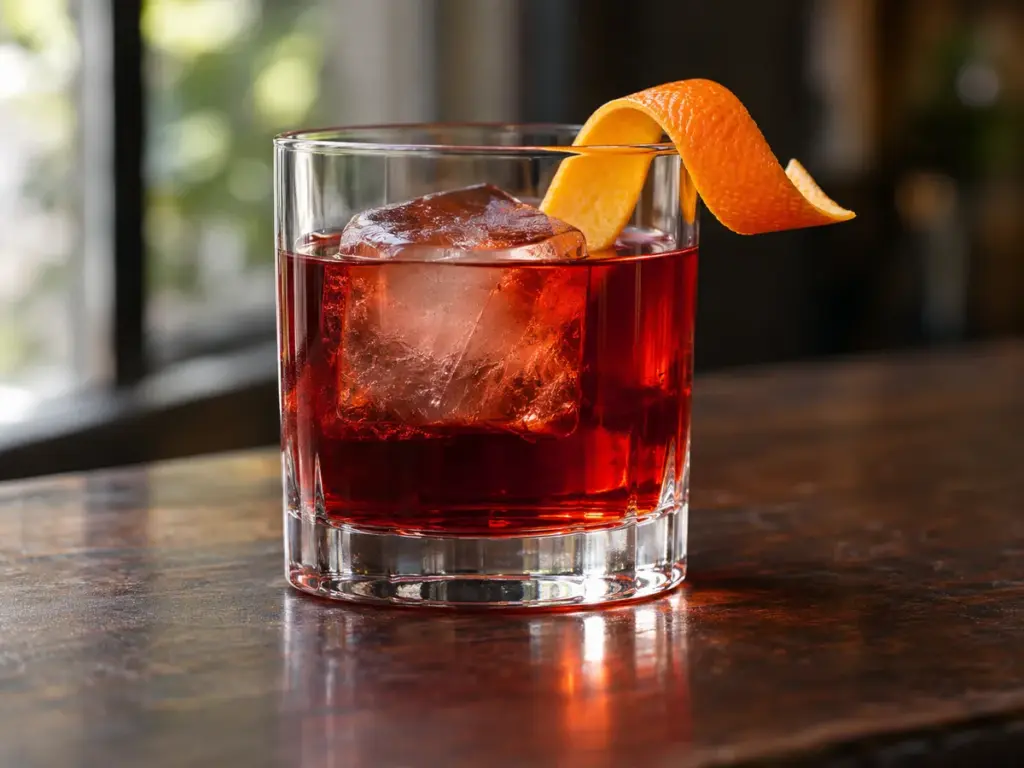
A Negroni tastes bitter first, sweet second, and boozy underneath.
- Campari adds bitter orange, sweet vermouth adds a dark herbal sweetness, and gin adds juniper and a dry kick.
- If you like black coffee or grapefruit peel, you will probably enjoy it.
- If you usually order sweet drinks, expect it to taste sharp.
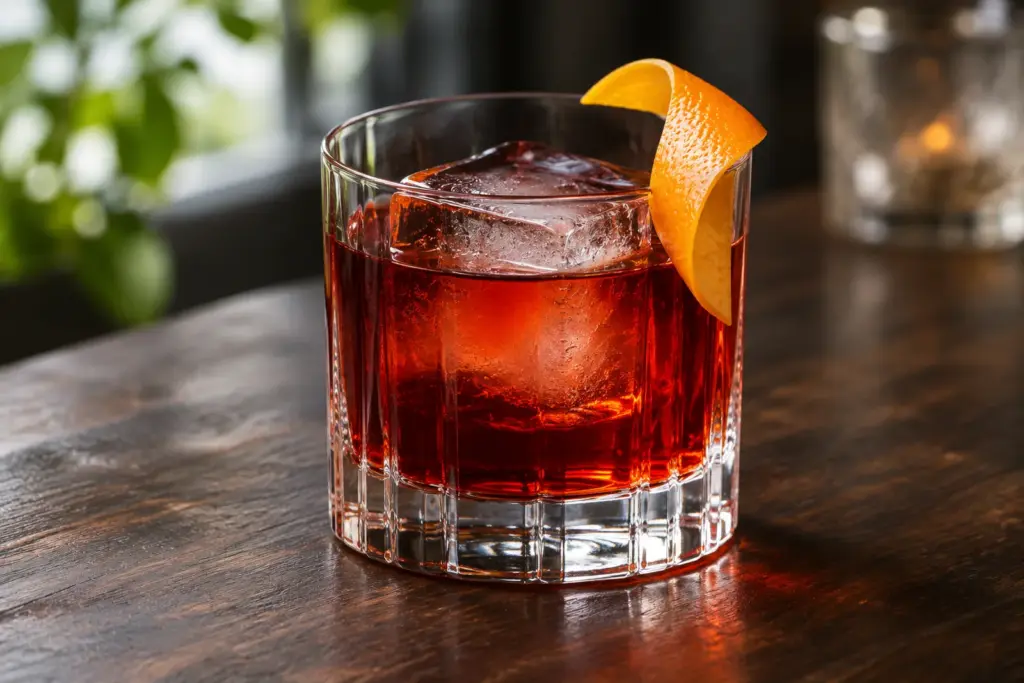
Of all the food and drink tastes people ask about, the Negroni is one of the most divisive. It has only three ingredients, but all three are strong, and none of them is softened by juice, syrup or soda. That is why one person calls it the perfect aperitif and another pushes it away after a single sip.
1. What Does a Negroni Taste Like, Sip by Sip?
Reviewers describe the drink as sweet with a dry, bitter edge, and the order of flavors on your tongue is fairly predictable:
- Aroma. The orange peel on top gives off citrus oil before you drink, so the first thing you notice is orange, then a faint pine note from the gin.
- First sip. Campari's bitter orange arrives right away, balanced by the sweetness of the vermouth, which tastes a little like spiced red wine.
- Middle. Herbs and roots from both the Campari and the vermouth show up, and the gin's juniper gives the drink a dry, resinous lift.
- Finish. The bitterness lingers after you swallow, along with a warm feeling from the alcohol, and that long finish is the part first-timers find hardest.
Difford's Guide sums up the balance this way: the vermouth adds depth, the bitter liqueur sits in the middle and the gin lifts the whole drink. Its reviewers also say the drink can be too bitter for some palates.
2. What Does Each Ingredient Add?
The classic Negroni uses equal parts of three ingredients, so each one gets a full third of the glass. That is unusual among classic cocktails, where one base spirit normally leads and the others play small parts.
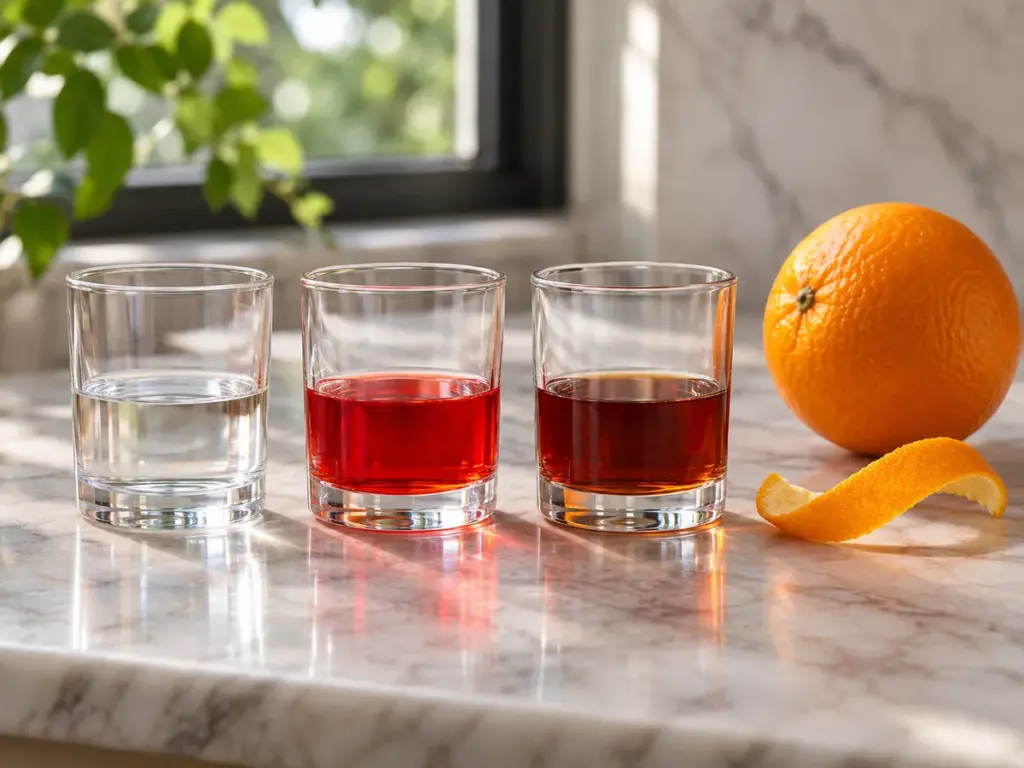
| Ingredient | What it is | What you taste |
|---|---|---|
| London dry gin | A juniper-flavored spirit, usually 80 proof (40% ABV) | Juniper, citrus peel and a dry, piney lift |
| Campari | A bright red bitter liqueur flavored with bitter orange peel and dozens of herbs, fruits and spices | Bitter orange, herbs and a sugary sweetness under the bitterness |
- Sweet (red) vermouth is wine fortified with spirit and flavored with herbs and spices, at about 17% ABV, and it tastes of dark sweetness, spice and a winey, herbal depth.
- Orange peel is a strip or slice that you squeeze over the drink, and it adds a fresh citrus aroma with no added sweetness.
If you already like a gin and tonic, the juniper in a Negroni will feel familiar, because the gin carries the same piney, dry note.
Campari's strength depends on where you buy it. Difford's Guide lists 24% alcohol in North America and 25% in most of Europe, the UK and Australia, and a few other markets sell it at 20.5% to 28.5%. One point of alcohol changes the strength of the drink a little but barely changes the taste, so the bottle you have is fine.
3. Why Does a Negroni Taste So Bitter, and How Can You Soften It?
One third of the glass is Campari, and nothing in the recipe covers it up. The only things that soften the bitterness are the vermouth's sugar and the water that melts off the ice while you stir.
If your first Negroni is too bitter, change one thing at a time:
- Use less Campari. One home-bar recipe from Noble Pig pours 1.5 ounces of gin, 1 ounce of sweet vermouth and ¾ ounce of Campari, which keeps the same flavors with a gentler bitterness.
- Add more vermouth. The vermouth is the sweetest part of the drink, so a little extra makes the whole glass taste rounder.
- Switch to Aperol. It is sweeter and lighter than Campari, with a gentle orange flavor, but the drink then stops tasting like a classic Negroni.
- Serve it over one big ice cube. A large cube melts slowly, so the drink stays cold without turning watery.
4. Will You Like a Negroni?
Bitterness is the deciding factor, so your answer usually depends on the other bitter foods and drinks you already enjoy.
- You drink black coffee, tonic or dark chocolate unsweetened.
- You enjoy bitter grapefruit or orange peel.
- You prefer stirred, spirit-heavy drinks to fruity or creamy ones.
- You like sweet, juicy cocktails such as a daiquiri or a margarita.
- You dislike bitter radicchio or endive.
- You want something lighter; try the Americano below.
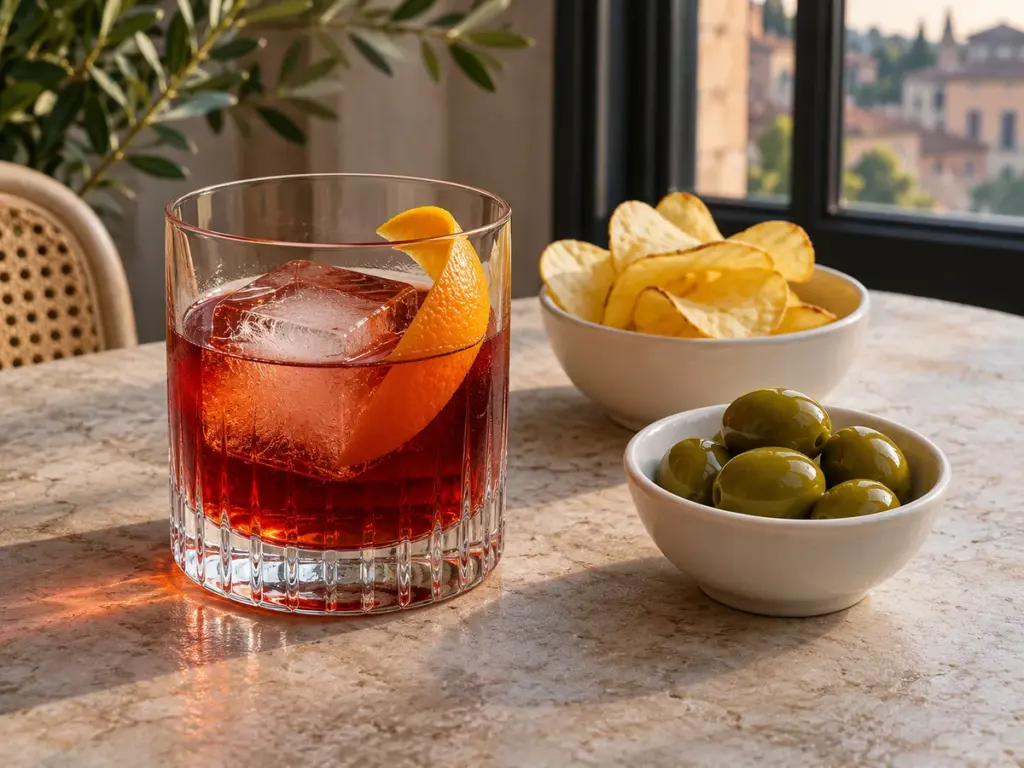
Many drinkers say the Negroni grows on them after two or three tries, because your tongue gets used to the bitterness and starts to notice the orange and herbs behind it. If you eat something salty with it, such as olives or potato chips, the bitterness is easier to enjoy.
5. How Does a Negroni Compare With Similar Drinks?
Four well-known drinks start from the Negroni and change one ingredient, so each one tastes a little different from the original.
- Soda water replaces the gin.
- It tastes lighter, fizzy and much less boozy, with the same bitter orange.
- Bourbon replaces the gin, usually in a 3:2:2 ratio.
- It tastes warmer and rounder, with whiskey's oak and caramel in place of juniper.
| Drink | What changes | How it tastes next to a Negroni |
|---|---|---|
| White Negroni | Gin with Lillet Blanc and Suze instead of Campari and red vermouth | Paler, floral and earthy, with a gentian bitterness |
| Negroni Sbagliato | Sparkling wine replaces the gin | Bubbly and softer, still bittersweet |
Gin is the easiest part to swap, while Campari is what keeps the drink recognizable. The Sbagliato's sparkling wine is usually prosecco, which brings light fruit and fizz in place of the juniper. If you want to know how the White Negroni's wine base tastes, Lillet Blanc's flavor is the main clue.
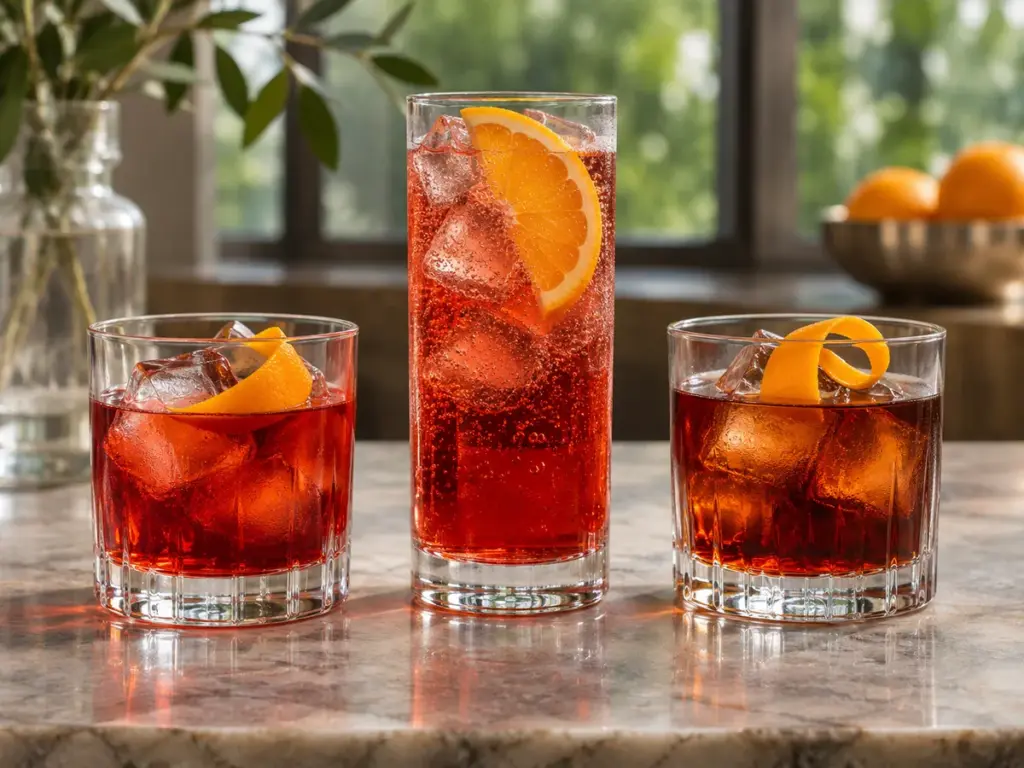
You may also wonder how it compares with whiskey cocktails. Both are stirred and spirit-heavy, but an Old Fashioned tastes of whiskey, a little sugar and aromatic bitters, so it comes across as smoother and less bitter than a Negroni.
6. How Do You Make a Classic Negroni?
Campari's own recipe calls for equal parts, 1 ounce each, of gin, Campari and sweet red vermouth, served in a rocks glass with a slice of orange. You also need ice and a fresh orange.
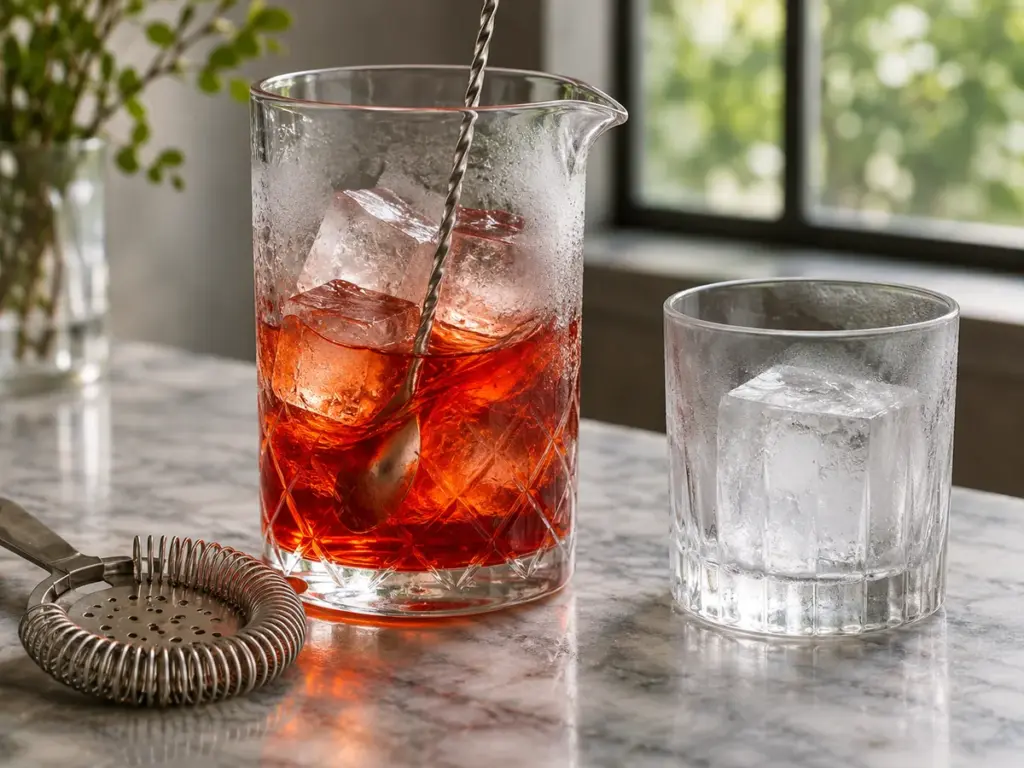
- Fill a mixing glass with ice. Add 1 ounce of gin, 1 ounce of Campari and 1 ounce of sweet vermouth.
- Stir until the outside of the glass frosts. This chills the drink and melts in the small amount of water that softens the bitterness.
- Strain into a rocks glass. Use fresh ice, ideally one large cube, so the drink does not water down quickly.
- Finish with the orange. Squeeze a strip of peel over the glass so the oils land on the surface, then drop it in.
Many bars skip the mixing glass and build the drink straight over ice, which also works. Whichever way you make it, a stale bottle will ruin the result, because sweet vermouth is wine and goes flat once opened, so a long-open bottle of sweet vermouth tastes dull next to a fresh one.
7. How Strong Is a Negroni?
A Negroni is small but strong. Difford's Guide calculates that a 3-ounce build of equal parts comes to:
- About 21.6% alcohol
- Roughly 1.4 standard drinks
- 183 calories
Those figures are for the brands it used, and they shift a little with the gin and vermouth you pour.
The National Institute on Alcohol Abuse and Alcoholism defines a US standard drink as about 0.6 fluid ounces of pure alcohol, so one Negroni counts as more than one drink. If you serve it before dinner, pour it as the first and only strong drink of the night.
8. Where Does the Negroni Come From?
The traditional story says the drink was created in Florence around 1919. Count Camillo Negroni, a regular at the Caffe Casoni, asked bartender Fosco Scarselli to strengthen his usual Americano by swapping the soda water for gin, and Scarselli added an orange slice in place of the usual lemon twist.
That tale is tradition rather than proven history. Difford's Guide notes that earlier equal-part gin, Campari and vermouth drinks appear in print, including a 1929 French book that calls one the Campari Mixte, and the first printed recipes it cites for the Negroni itself date from 1955. Rival claims also credit a French general with the idea.
Sources
- Campari: Negroni recipe and origin story
- Difford's Guide: Negroni recipe, tasting notes, strength and calories
- Difford's Guide: Campari strength by market and ingredients
- Difford's Guide: history of the Negroni
- NIAAA: what counts as a standard drink
- Wikipedia: Negroni, IBA specification and variations

Food writer at GustoMeadow. Writes ingredient substitutes, food comparisons, taste guides and storage guides for home cooks.
Storage and food-safety numbers follow USDA, FDA and university extension guidance.