Anise tastes like sweet black licorice with a warm, slightly peppery finish.
- The flavor comes from anethole, a compound that fennel and star anise share, which is why all three taste alike.
- Anise is the small seed you bake into cookies and steep in drinks, while the star-shaped pod sold as star anise is a different spice from an unrelated tree.
People who grew up on licorice candy tend to love anise, and people who did not often find it too strong. It is one of the most recognizable flavors among everyday foods and spices by taste, so it pays to know what you are getting before you stir it into a batch of dough.
1. What Does Anise Taste Like?
NC State Extension says the flavor of anise resembles licorice, and most cooks add that it is sweet before it is sharp. You smell the sweetness first, and then the licorice note follows with a mild warmth that lingers after you swallow.
What you notice depends on the form you use:
- Whole seeds give small bursts of flavor when you bite one, so a cookie with whole seeds tastes uneven, with plain bites and strong bites.
- Crushed or ground seeds spread the flavor through the whole dough, which is why most baking recipes grind them first.
- Steeped seeds turn a cup of hot water into a lightly sweet, licorice-scented tea.
- Extract or oil is far more concentrated than the seed, so it goes in by the drop or the teaspoon.
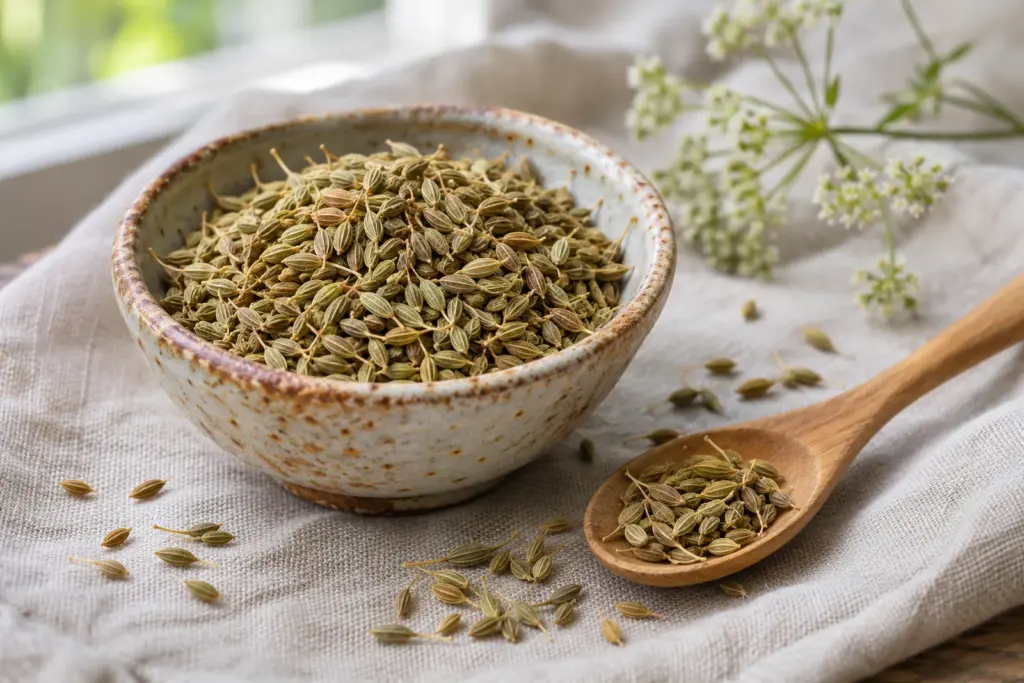
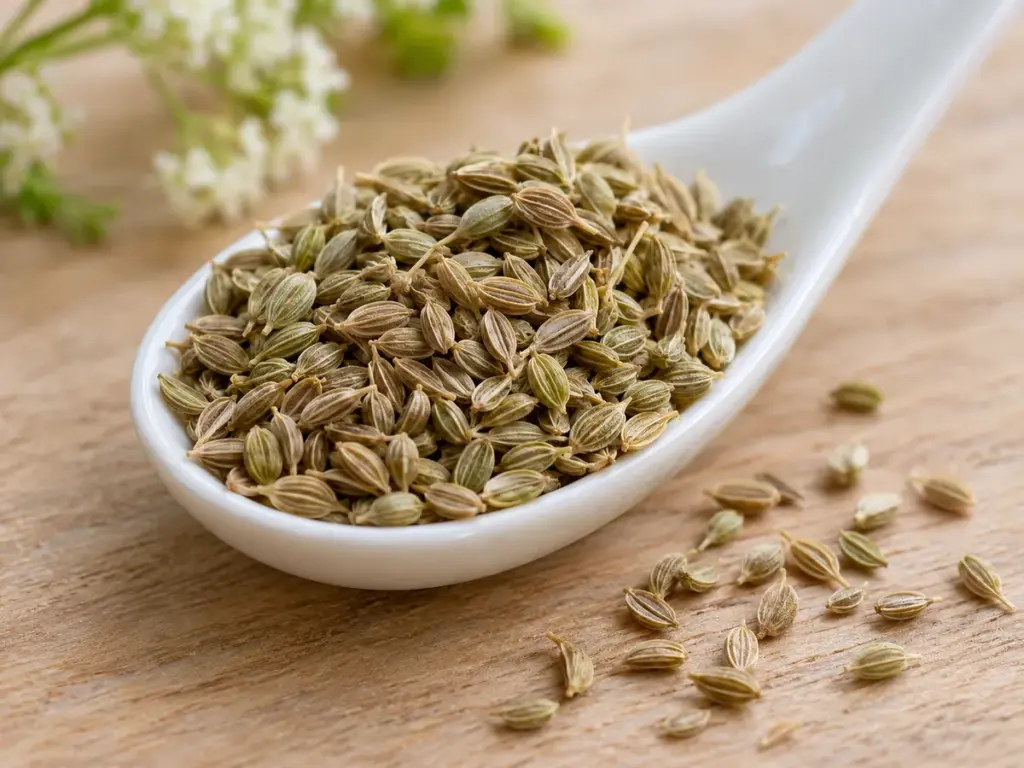
The seed itself is small, ridged and ovoid, and its color runs from green to gold to brown. Botanically it is a dried fruit, and the aroma lives in its oil, where anethole is the main compound and makes up most of what the oil holds.
2. Why Does Anise Taste Like Black Licorice?
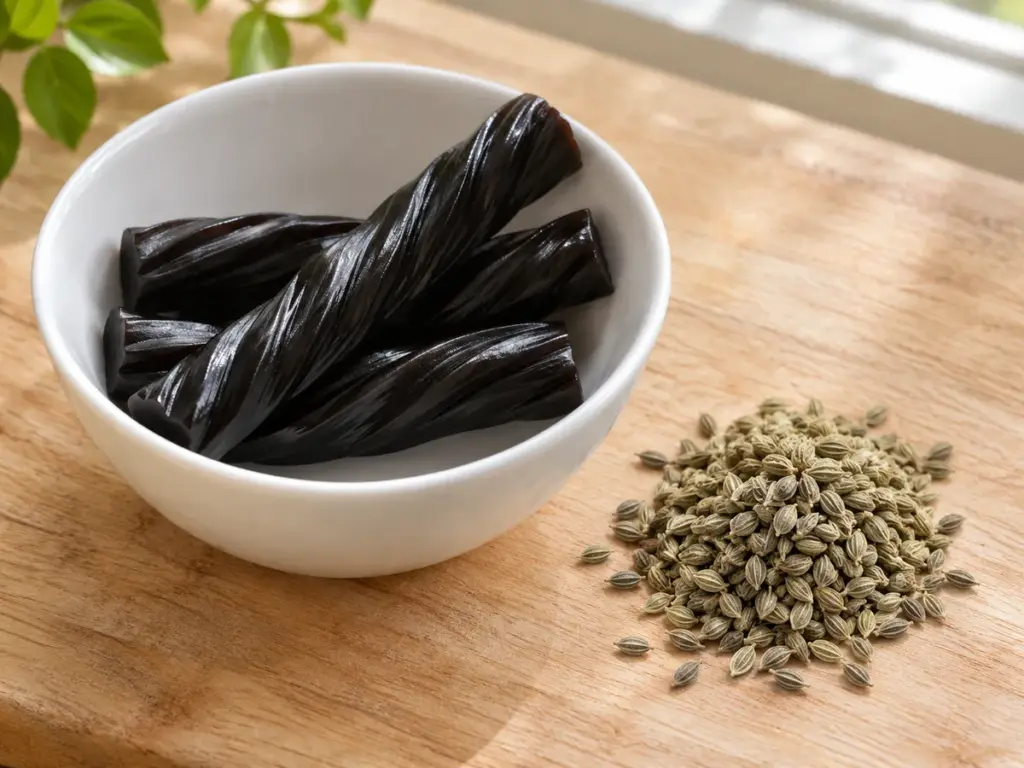
Anethole is a sweet-smelling compound that tastes like licorice at very low amounts, and anise is one of the richest natural sources of it. In the United States the link is stronger than most people expect: the FDA says that many "licorice" products made in the US contain no licorice at all and use anise oil instead, because it has the same smell and taste.
So if you already like black licorice candy, there is a good chance you already like anise. If a bag of red licorice tastes bland to you but black licorice is too much, expect anise to land on the strong side.
3. How Is Anise Different From Star Anise and Fennel?
All three taste of licorice, and recipes often name them in the same breath, but only two of them are relatives. Anise and fennel both belong to the parsley family (Apiaceae), along with carrots and cumin. Star anise is the dried fruit of a tree called Illicium verum, and Britannica says it is unrelated to anise even though anethole is its main aroma compound too.
| Spice | What you cook with | Taste in short | Where it shows up |
|---|---|---|---|
| Anise (Pimpinella anisum) | Small, ridged seeds | Sweet, clearly licorice | Cookies, pizzelle, biscotti, tea, liqueurs |
| Fennel seed (Foeniculum vulgare) | Longer, paler green seeds | Licorice-like but softer and fresher | Sausage, roasted vegetables, breads |
| Star anise (Illicium verum) | Whole hard star-shaped pods | Licorice-like, with a deeper, warmer edge | Simmered broths, braises, mulled drinks |
Here is the practical split: anise is the baking seed, fennel is the softer cousin you also eat as a vegetable, and star anise is a pod you simmer and fish out. Cooks do swap them, and a swap works best when you remember that star anise is a hard pod you fish out, while anise seed stays in the dish.
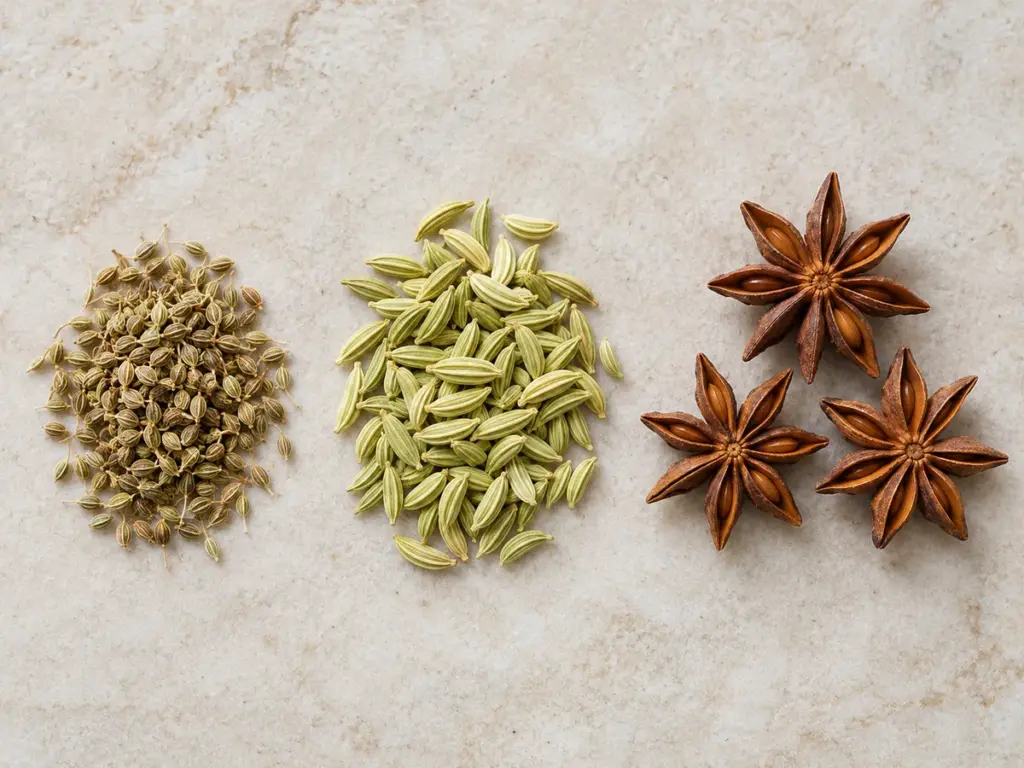
Fennel seed carries the same anethole, so if you want the licorice note with a softer edge, you can reach for fennel instead of anise. The bulb and fronds taste fresher and greener, closer to a crisp vegetable than a candy, and you can easily pick out the fresh taste of fennel in a raw salad.
4. How Do You Cook With Anise Seed?
NC State Extension lists crushed anise seeds in cakes, fruit dishes, pastries, cheeses, breads and cookies, while the leaves go into soups, sauces and salads. In practice, the seed lives mostly in sweet baking, and a typical pizzelle recipe uses 1 tablespoon of ground anise seed for 12 cookies. That is a lot of seed for a small batch, which tells you how mild anise is once it is mixed into flour and sugar.
If you toast the seeds, they smell stronger, although the same recipe says the step is optional. When you do toast them, work quickly, because the seeds are small and can scorch:
- Heat a dry pan. Put the measured seeds in a small saucepan or skillet over medium heat, with no oil.
- Stir for about a minute. Pull the pan off the heat as soon as the seeds smell sweet and fragrant.
- Let them cool, then grind. A mortar and pestle or spice grinder works, and the pizzelle recipe grinds them until fine.
- Mix them into the dough or batter. Ground seed spreads the flavor evenly, so every bite tastes the same.
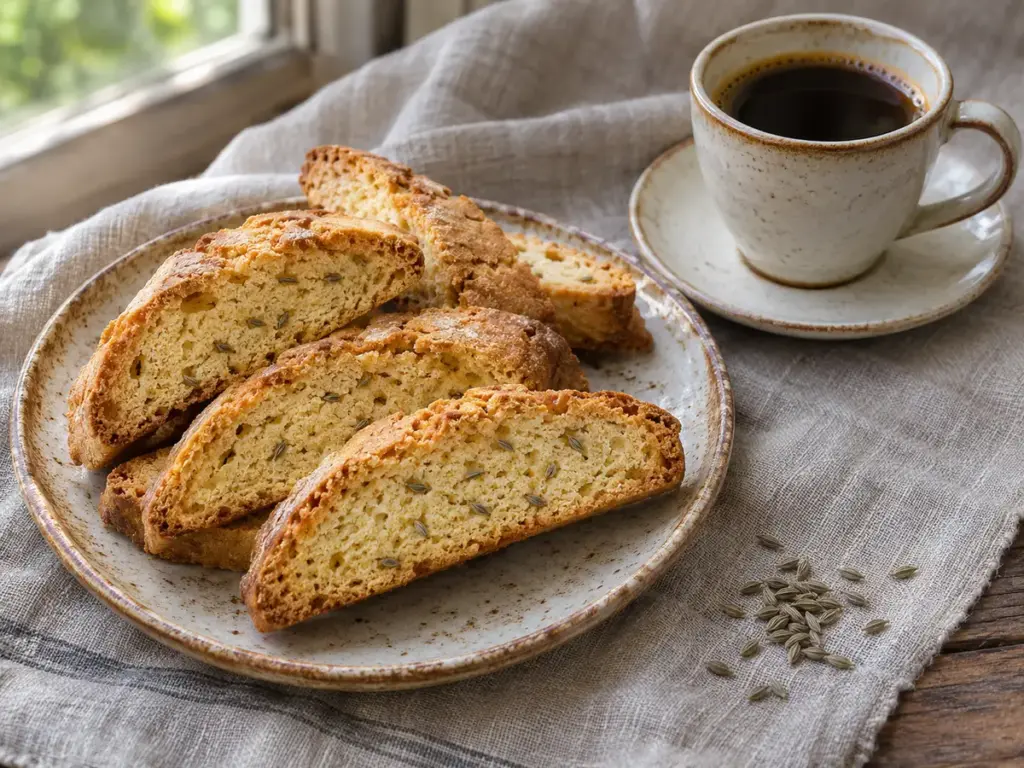
If you serve anise with coffee, the classic partner is twice-baked biscotti, where whole or lightly crushed seeds show as dark flecks. Bottled extract does the same job without the flecks, and some recipes add a teaspoon on top of the seed for a louder flavor, so you may want to compare anise seed and extract before you buy both.
Buy the seed whole when you can. USDA FoodKeeper gives whole spices 3 to 4 years of best quality and ground spices 2 to 3 years, and a seed you grind just before baking smells stronger than a jar of powder that has sat open.
5. Why Does Ouzo Turn Cloudy When You Add Water?
Anise-flavored spirits such as ouzo, raki and pastis are clear in the bottle and turn milky when water goes in. Anethole dissolves in alcohol but hardly at all in water, so diluting the drink pulls it out of solution as tiny oil droplets that scatter light, which researchers call the ouzo effect. If your glass turns cloudy, that is expected, and it does not mean the drink has gone off.
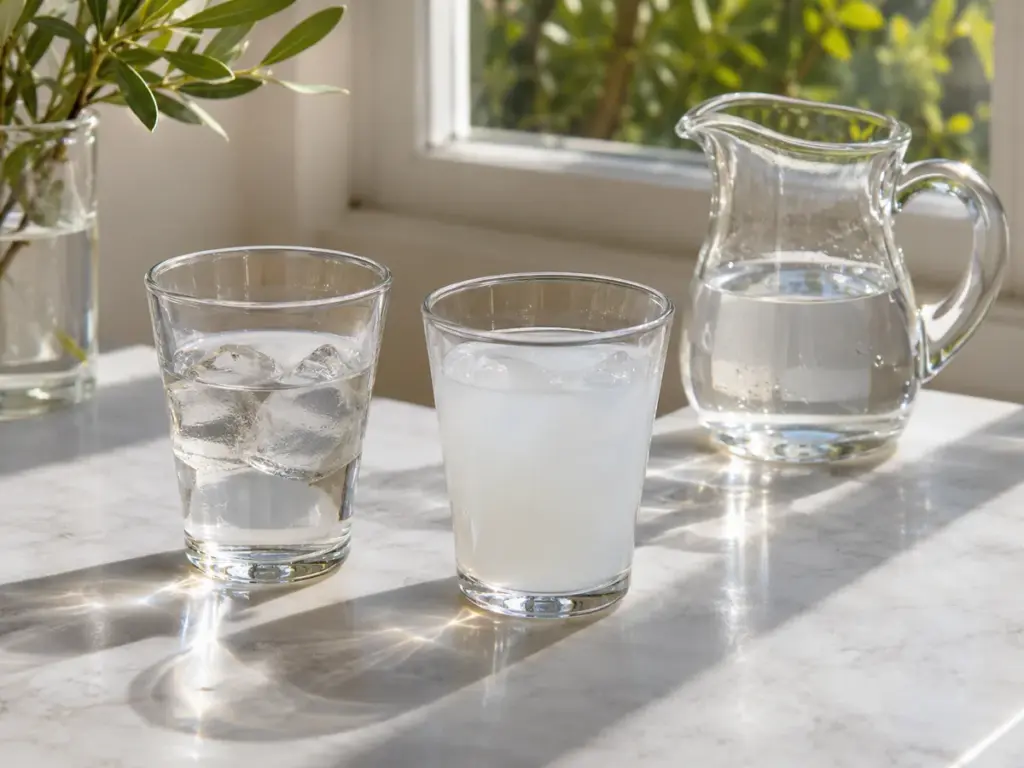
Sweeter versions follow the same pattern, and an anise-flavored liqueur such as sambuca brings the licorice note with sugar on top. The spirit's flavor is the seed's flavor in a glass, so if your drink tastes too strong, a splash more water softens it without changing what it is.
6. What Can You Use Instead of Anise?
- Fennel seed has the same anethole in a softer form, so it keeps the licorice note.
- Ground star anise tastes similar, but you must grind the hard pod fine first.
- Anise liqueur adds alcohol and sugar, so cut back other liquid.
- Crushed seed adds flavor with no liquid, but you will see flecks.
Start with less than you think you need and taste as you go, because anethole builds fast in a warm dough. If you run out of anise seed, fennel seed is the closest pantry swap, and baking recipes that call for extract work with other stand-ins for anise extract.
Ground star anise tastes stronger, so add it a pinch at a time, and if you have none, swaps for star anise such as fennel seed or Chinese five-spice cover most savory dishes.
Sources
- NC State Extension, Pimpinella anisum: parsley family, seed appearance, licorice flavor, culinary uses.
- Review of Pharmacological Properties and Chemical Constituents of Pimpinella anisum (PMC): anethole as the main compound of anise oil.
- Britannica, Star Anise: Illicium verum, unrelated to anise, anethole as main compound.
- FDA, Black Licorice: Trick or Treat?: licorice-flavored US products made with anise oil.
- ConsumerLab, FDA warns of illness from star anise teas: September 10, 2003 advisory, about 40 illnesses, about 15 infants.
- Pediatrics (Ize-Ludlow et al.), Neurotoxicities in infants seen with the consumption of star anise tea: Japanese star anise toxicity and contamination.
- Soft Matter, ouzo effect study: anethole solubility and cloudiness when water is added.
- The Slow Roasted Italian, Pizzelle recipe: 1 tablespoon anise seed for 12 pizzelle, toasting step.
- USDA FoodKeeper: whole spices 3 to 4 years, ground spices 2 to 3 years.

Food writer at GustoMeadow. Writes ingredient substitutes, food comparisons, taste guides and storage guides for home cooks.
Storage and food-safety numbers follow USDA, FDA and university extension guidance.