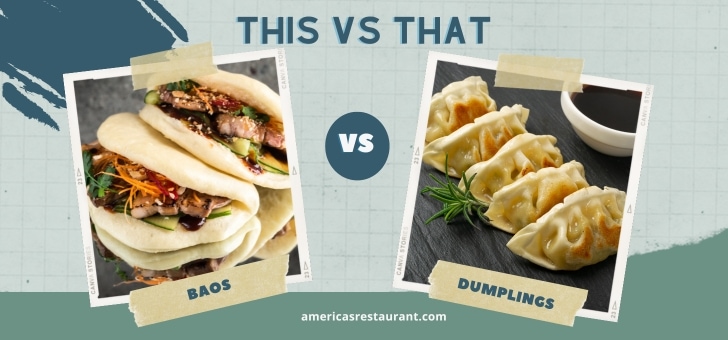
Are you confused about the differences between bao and dumplings?
You won't have to scratch your head again when deciding what to order for dinner.
What is Bao?
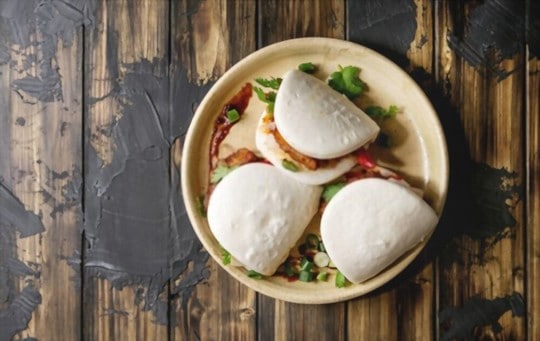
Bao is a type of Chinese steamed bun that has become increasingly popular around the world.
These buns are typically filled with savory ingredients, although sweet versions also exist.
Bao dough is made from flour, yeast, sugar, and water, and it is steamed rather than baked.
Bao are often served as a snack or street food in China, but they can also be found in upscale restaurants as part of more elaborate dishes.
Whether you're enjoying them on the go or savoring them over a leisurely meal, bao are a tasty and satisfying treat.
If enjoying bao as part of a meal that ends with something sweet, a lemon dessert pairing ideas list suggests flavors that complement citrus finishes.
What is Dumpling?
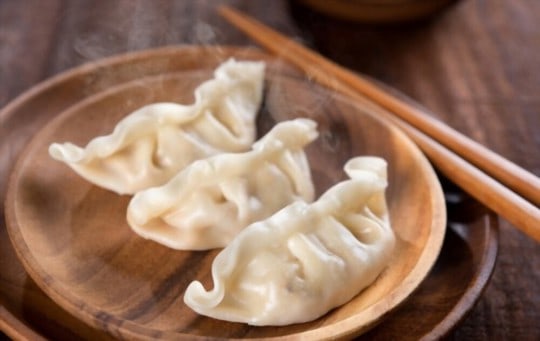
Dumplings are a type of food that is made of dough and is usually filled with meat, vegetables or other ingredients.
These small parcels of goodness can be found in almost every country in the world like China, Japan, Korea, Poland, Russia, Italy and many more.
Dumplings are a staple food in many Asian countries and are often served as a main course or as an appetizer.
As seen from the table, there are different types of dumplings available worldwide with different fillings depending on the country of origin.
Each type has its unique taste and texture which makes them special.
Dumplings can be cooked in various ways like boiling, steaming or pan-frying.
They can be enjoyed as they are or served with dipping sauces or soups.
Dumplings have become very popular around the world due to their versatility and easy-to-make nature.
In summary, dumplings are small parcels made of dough filled with meat, vegetables or other ingredients common in many cultures worldwide.
They can be cooked using different methods and enjoyed as a meal or snack with dipping sauces or soups.
When serving dumplings with dips or party spreads, guacamole pairing ideas and combos can inspire complementary snack pairings and flavors.
Differences Between Bao and Dumplings
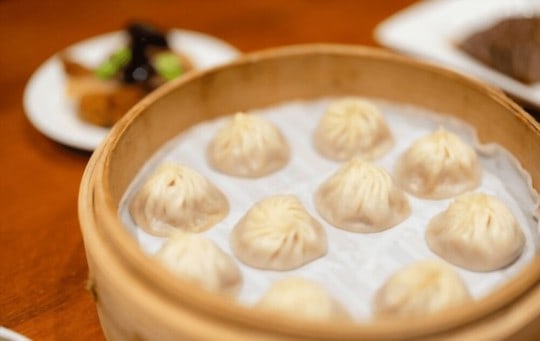
Bao and dumplings are two delicious dishes that share a lot of similarities but have some significant differences as well.
One of the main differences between bao and dumplings is their texture.
While bao has a soft and fluffy exterior with slightly chewy dough, dumplings vary based on the cooking method used.
Boiled dumplings have softer exteriors while fried ones are crispy - read a fried vs steamed dumplings comparison guide for how cooking method changes texture.
Another significant difference is their serving size - baos are typically larger than dumplings while the latter are served several at a time.
Also, while there are fewer varieties of baos available compared to dumplings traditionally speaking, they have seen increasingly creative options in recent years with colorful buns popping up on menus all over.
Overall it's clear that although there are similarities between baos and dumplings they still have distinct differences that set them apart from each other.
In keeping with our food discussion today, let's move on to exploring the origin and cultural significance of these tasty treats.
Origin and Cultural Significance
The cultural significance of food can never be overstated, and it is particularly pertinent when discussing bao and dumplings.
Both were developed in China many years ago with specific cultural origins - rich with history, legends and symbolism.
Bao and dumplings have distinct origins but share a commonality in their cultural significance - they represent more than just food on a plate.
The cultural importance of these foods extends beyond China's borders, with variations of both dishes being found throughout Asia.
Whether stuffing them with pork, beef, vegetables or sweet fillings like lotus seed paste or red bean paste - every culture has put their own spin on these dishes while still maintaining the traditions set forth by their predecessors.
While these two dishes originated from different areas within China, there is no rivalry between the two delicacies.
They are both well-loved across the country and enjoyed by millions around the world.
Dough and Filling
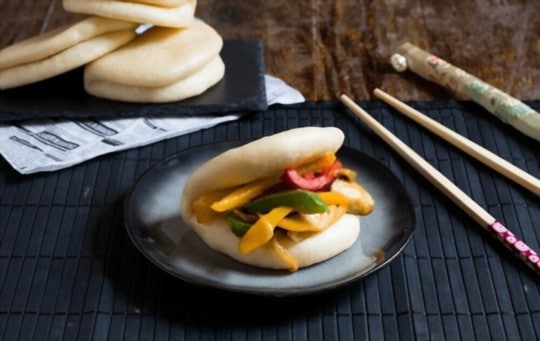
The difference between bao and dumpling lies in their dough and filling - see a dough vs batter comparison to understand how texture and mix affect results.
Bao, also known as steamed buns, have a soft and fluffy texture with a slightly sweet flavor.
The dough is made using wheat flour, yeast, sugar, water, and sometimes milk.
On the other hand, dumpling dough is made with wheat flour and water or egg.
It has a chewy texture with a slightly thicker skin.
The dough is an essential element that determines the taste and texture of both bao and dumplings.
Bao dough requires more time to rise due to the addition of yeast; it results in a light texture that can hold various sweet or savory fillings.
In contrast, dumpling dough is denser because it has no rising agent.
Its skin thickness enables them to withstand boiling water while keeping its shape intact.
Apart from the contrasting differences in taste in its filling, you might observe another deviation between them: Bao stuffing is usually finely minced compared to large chunks commonly used for dumplings' fillings.
In summary on this section, while bao focuses on balance between sweet pr savory-like elements, prepared using lighter/frothed up flour enriched by some creaminess produced in milky preparations; dumplings leans towards putting together heavy ingredients filled with flavor possibly neutralizing flavors like oily/heat-like foodstuffs within broth or stew mixture environments.
Preparation and Cooking Methods
There are some distinct differences.
Bao typically uses a dough made with yeast, which gives it a fluffy texture when steamed or baked.
The filling can be either sweet or savory, depending on preferences.
Bao can be either steamed or baked depending on the type of bao you make.
On the other hand, dumplings are often made with dough that does not contain yeast.
While they can also be filled with sweet ingredients like fruits or chocolate, they are most commonly stuffed with savory meats and vegetables.
These are usually boiled or pan-fried.
In summary, while both bao and dumplings feature dough wrapped around various fillings, they differ greatly in terms of preparation and cooking methods.
When selecting flavorful liquids for fillings or braises, a white cooking wine vs white wine vinegar comparison clarifies which option adds the intended flavor profile.
Texture and Flavor Comparison
Bao and dumplings have similar-looking outer coverings, but they differ in their texture and taste.
While both of them consist of dough wrapped around a filling, the cooking method results in a different texture.
In terms of flavor, the stuffing plays a significant role in adding an excellent taste to these Chinese delicacies - see an extract vs flavor differences primer to understand concentrated versus general flavoring.
Bao's outer covering is soft and fluffy.
Made with leavened dough, they are steamed until cooked.
This results in an airy exterior covering that melts in your mouth upon every bite.
On the contrary, dumplings' coverings are thin and chewy due to being made with unleavened dough that needs boiling or steaming to cook through.
While the outer coverings may be different from one another, the role of fillings adds mass appeal among customers.
Bao typically holds a larger portion of flavorful ingredients creating an explosion of flavors upon eating one piece.
On the other hand, dumplings often feature smaller stuffing portions mixed with vegetables or meat for added taste.
Popular Bao and Dumpling Varieties
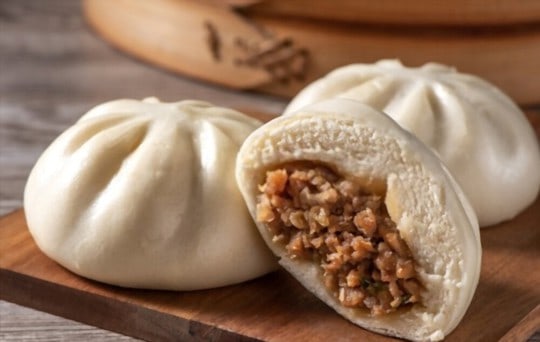
Bao and dumplings are two of the most popular delicacies that have gained a cult-like following worldwide.
These savory treats come in various shapes, sizes, and fillings that cater to different tastes and preferences.
As you can see from the table above, both bao and dumplings come in various forms.
It is fascinating to learn about their history and origin as they differ based on geography.
The ingredients used also vary vastly depending on local cuisine preferences.
Each variety has its unique flavor that caters to everyone's palate.
Some may find steamed buns (baozi) more pleasing to consume than fried potstickers (guotie).
At the same time there are diehard fans who cannot resist going for their favorite Gyoza in a Japanese restaurant.
If you happen to eat out at an Asian restaurant for the first time, it might be alarming viewing so many different variations of these dishes available over the counter.
With this list mentioned above next time, you won't deviate from the safe side while ordering.
For a closer look at wrapper choices and how they affect cooking and texture, review a wonton wrapper vs dumpling wrapper comparison that explains thickness and shape trade-offs.
How to Serve and Enjoy Bao and Dumplings?
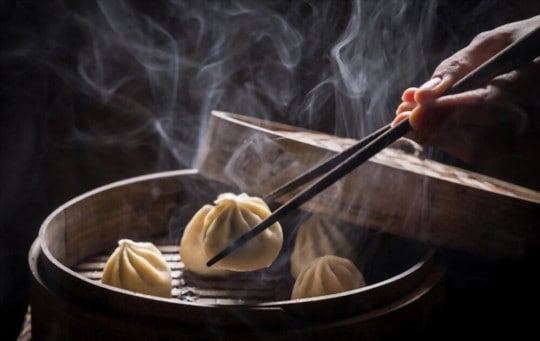
The best way to enjoy bao and dumplings is by having them hot and fresh.
Here are a few serving and enjoying ideas that might add to your cooking experience:
- Steaming: Steaming the bao or dumplings can help enhance their flavors, fragrances, textures, and overall softness.
- Dipping Sauces: You can serve bao or dumplings with different types of dipping sauces such as soy sauce, chili oil, sesame oil, vinegar, hoisin sauce, etc., depending on your taste preference.
- Accompaniments: You can pair bao or dumplings with simple sides like steamed rice, pickled vegetables or salads.
- Frying: Pan-frying baos or dumplings can give them crispy bottoms but make sure not to overdo them.
- Customizations: You can customize your baos or dumplings by stuffing them with your favorite meats or vegetarian options.
When it comes to serving and enjoying bao vs.
Dumplings, it's all about personal preferences.
While they look similar in terms of appearance, bao is slightly sweeter due to the steamed bread dough while dumpling has a thinner skin wrapping around the filling.
Still, people usually prefer eating baos for breakfast while having dumplings during lunchtime with soup.
As both of these dishes originated from China but have now become popular across the globe, you can find many regional variations of these dishes in different countries.
However, one chooses to serve and enjoy these steaming delicacies; they are truly tempting.
So go ahead; try out new traditions and pairings while delighting in this comforting Chinese street-food fare.
Now that you know how to correctly serve up delicious hot bao vs.
Rich dumplings, maybe you should try making them yourself.
Bao vs Dumplings: Dough and Filling Differences
Bao tend to be larger and fluffier than dumplings, but both dishes offer a range of flavors and textures depending on the filling used.
), there is no denying that these dishes are delicious staples of Chinese cuisine that have become increasingly popular around the world.
what dumplings taste like explained answers common flavor questions. bao buns side dish ideas lists ten complementary sides.
Frequently Asked Questions
Are you confused about the differences between bao and dumplings? They share some similarities but each has qualities that make it better suited for certain recipes.
In many recipes, yes. Bao and Dumplings fill similar roles, though each brings its own character.
Try a small test batch before committing to a full swap.
Availability varies by region. One is usually a standard grocery store item while the other may require a specialty or international market depending on where you live.
Can a beginner tell the difference by taste?
In a side-by-side tasting, yes.
The difference becomes less obvious when mixed into a recipe with other ingredients.
Most people notice the distinction more clearly on its own.