
Pork cutlets and chops sit on our dinner tables more than we might admit. Both pack a flavorful punch that can make or break a meal.
In our kitchen experiments, we've found these pork contenders bring their own game to the plate.
Cutlets, thin and tender, are the quick fix we often lean towards on busy nights. Chops, with their juicy thickness, promise a feast for anyone willing to spend a bit more time by the stove.
Our love for pork goes beyond just eating. It's about the laughs and the mess in the kitchen, the burnt fingers, and the occasional masterpiece.
Choosing between cutlets and chops isn't just about taste; it's about the stories we'll tell later.
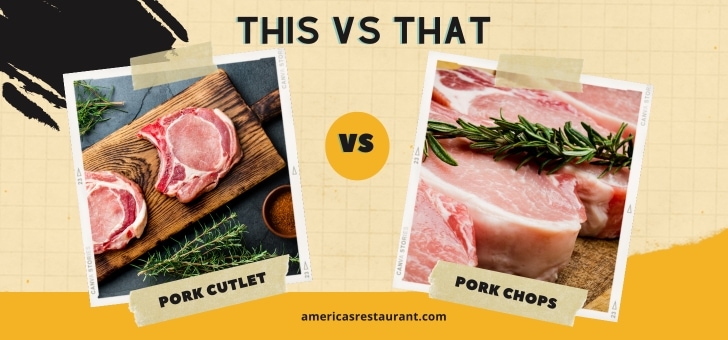
What is a Pork Cutlet?

A pork cutlet is a thin, boneless piece of pork that is usually taken from the loin or leg.
It is a versatile and delicious cut of meat that can be prepared in various ways and is becoming increasingly popular among food enthusiasts.
- Pork cutlets are similar to pork chops but are thinner and have less fat.
- They are tender, juicy and relatively quick to cook which makes them ideal for weeknight dinners.
- Cutlets can be breaded, pan-fried, grilled or baked giving them different textures and flavors.
- They can be served on their own as a main dish or used in sandwiches, salads or wraps.
- Their versatility makes them a perfect option for those who want to experiment with new pork dishes.
While pork cutlets are certainly a tasty option for meat lovers, they may not provide the same depth of flavor as a thick-cut pork chop.
Also, because they're thin, it's important not to overcook them as they can dry out easily.
Different pig breeds influence loin flavor; Duroc vs Berkshire comparison for flavor explains how breed affects taste and texture.
What is a Pork Chop?

A pork chop is a meaty cut of pork sliced perpendicular to the spine.
It is typically bone-in and has a thick layer of fat on one side, making it flavorful when cooked.
Pork chops are versatile and can be grilled, roasted, fried or baked to create a delicious meal.
They come in various sizes and thicknesses, giving cooks the freedom to choose according to their preference.
Cooking time varies based on thickness, but 145°F internal temperature is recommended for safe consumption.
When comparing to pork cutlet, which is a thin slice of boneless pork that cooks quickly, pork chops are thicker and take more time to cook.
Pork chops also have a bone that adds flavor during cooking compared to boneless cuts like pork cutlets.
The type of cut depends on the recipe and personal preference.
When selecting a pork chop, it's essential to look for ones with marbling - which makes them juicy and tender - while avoiding those with excessive fat around the edges.
To ensure even cooking throughout the chop, it should be brought down to room temperature before cooking.
For cuts with bones, consider differences in joints; pork hock vs ham hock comparison clarifies how hock types change cooking uses.
Differences Between Pork Cutlet and Pork Chop
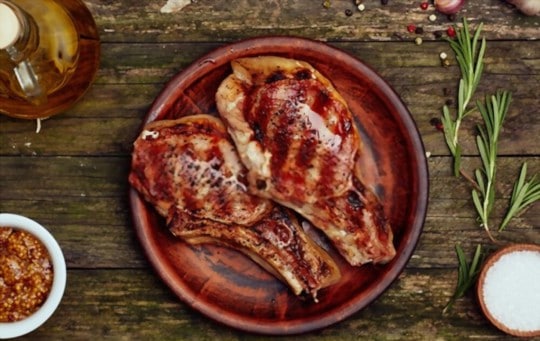
Pork cutlet and pork chop are two popular options.
Pork cutlet is a thin slice of meat that is usually taken from the leg or loin portion, while a pork chop is a thick piece of meat that includes a section of the rib bone.
Both are equally delicious but have some differences in texture, cooking techniques, and flavor.
Pork chops are thicker and have more fat content than pork cutlets, which can result in tender and juicy meat when cooked right.
Pork cutlets cook quickly due to their thinness and should be seared on high heat for optimal flavor.
On the flip side, Pork chops require a longer cooking time as the thicker meat needs to cook thoroughly without being dry.
The other significant difference is the presence or absence of bones in both cuts.
As mentioned earlier, pork chops come with bones that add flavor and moisture during cooking while also making them appealing visually on the plate.
In contrast, pork cutlets do not have bones making them less cumbersome to eat.
When choosing loin versus shoulder-origin cuts, pork loin vs butt comparison outlines how source affects texture and best cooking methods.
1 - Cut and Shape
When considering pork cutlets and chops, one major factor to consider is the cut and shape of each.
Both cuts come from different parts of the pig and have distinct shapes that can affect their cooking time and texture.
Understanding the difference between these cuts can help you choose the best option for your dishes.
Here is a guide on Cut and Shape that will assist you in choosing the right pork cut for your needs:
- Compare pork chop and pork cutlet shapes.
- Know which part of the pig was used in each cut.
- Understand how it impacts cooking time.
- Determine which type is best suited to your recipe.
- Make an informed decision by assessing both cuts.
The meat quality, thickness, and fat content also play a role in achieving desired results.
Lastly, it's always best to buy fresh meat from trusted sources.
2 - Cooking Method
The two pork options pose a dilemma when it comes to considering the better one.
One might wonder which of them is more suitable for cooking purposes.
While both can be cooked using several methods, the cooking approach will vary depending on the type chosen.
Pork cutlet and pork chop are best suited for different recipes and culinary applications based on their specific cooking requirements.
Pork chops are thicker in comparison to pork cutlets, making them an excellent choice for grilling or frying.
On the other hand, Pork cutlets require less time to cook due to their thinness, making them ideal for grilling or broiling.
It's worth mentioning that Pork chops tend to dry out quickly if overcooked, whereas Pork Cutlets remain tender even if slightly overcooked.
Also, Pork Cutlets have a higher surface area than Pork Chops; this means more crust and outer texture resulting in a unique taste sensation.
Overall both options offer an equal balance across nutrients such as protein and fat, making either a good addition to any healthy meal plan.
The important factor that makes the difference between these two choices boils down to how you like your meat cooked or what dish you intend on preparing.
Therefore, understanding the nuances between these two cuts of pork will enable you to make an informed decision about which option works best for your recipe.
It's worthwhile experimenting with both to determine which one appeals most in terms of texture and flavors without disregarding health factors.
Ingredient choices for sauces and marinades matter; white cooking wine vs white wine vinegar comparison helps pick the right acidic element for pork preparations.
3 - Texture and Tenderness
The texture and tenderness of both meats are significant factors to consider.
The meat's texture and tenderness can influence the overall dining experience, from the taste to the mouthfeel.
Both pork chop and pork cutlet are relatively tender cuts of meat because they come from the loin section and have less connective tissues than other cuts.
However, they differ in their slicing thickness, which ultimately affects their texture.
Pork chops are typically sliced thicker than pork cutlets, resulting in a meatier bite with a firmer texture.
On the other hand, pork cutlets are thinly sliced pieces of meat that cook quickly and have a more delicate texture than pork chops.
Also, considering cooking methods can also impact how tender each option is.
Pork chops work well when cooked low and slow or roasted on high heat for crispness on the outside while maintaining a juicy interior.
In contrast, pork cutlets cook fast at high temperatures, making them excellent additions to stir-fries or as fried toppings.
The choice between pork cutlet and pork chop ultimately comes down to personal preference and usage purposes.
If you want a filling meal with a satisfying bite, opt for pork chops.
But if you're looking for convenience and prefer something tender with faster cooking time, go for pork cutlets.
4 - flavor
Comparing the flavors of pork cutlet and pork chop, both offer distinct tastes that may suit personal preferences.
Pork cutlet offers a tender, juicy bite with a crispy texture due to its thinness and breading.
On the other hand, pork chop has a deeper flavor due to its thicker meat and bone-in nature, providing more savory notes in every bite.
The cooking methods also play a role in improving their flavors, which may vary depending on the recipe or cuisine.
Ultimately, choosing between these two options will depend on individual palate and dish requirements, as each has its unique advantages in flavor and texture.
When boosting pork flavor, know the difference between concentrated and natural seasonings; extract vs flavor explanation shows which adds more depth to cooked meat.
Similarities Between Pork Cutlet and Pork Chop

Pork Cutlet and Pork Chop share various similarities in their texture, taste, and cooking methods.
Both come from the pig's loin area, offering a tender and juicy meat experience.
When cooked correctly, they have a crispy exterior with a moist interior that is not only delicious but also healthy.
Also, they are flexible ingredients that work well in different recipes, including sandwiches, salads and main courses with vegetables or potatoes.
However, there are slight differences between Pork Cutlet and Pork Chop that you should keep in mind while preparing them.
A Pork Cutlet is usually thinner than a Pork Chop and has a boneless center cut-shaped pork piece.
It is ideal for quick meals as it cooks faster due to its size; it's perfect when you're running short on time.
On the other hand, a Pork Chop comes with a bone that adds flavor to the meat; however, it takes longer to cook due to its size.
Thus if you have more time at hand and want to enjoy an indulgent meal, go for a Pork Chop.
Thinking about bacon accompaniments or crossovers? beef bacon vs pork bacon comparison compares flavor profiles that pair with pork entrees.
Nutritional Comparison of Pork Cutlet and Pork Chop
When comparing Pork Cutlet and Pork Chop in terms of nutrition, it is essential to consider various factors.
The cuts differ in their preparation methods, which directly affects their calorie and fat content.
Thus, understanding the nutritional information is important when deciding which cut to incorporate into your diet.
Pork Cutlets are tenderized thin slices cut from pork loin or tenderloin.
They are a leaner cut of meat that contains lower calories, saturated fat, and cholesterol than Pork Chops.
On the other hand, Pork Chops are bone-in cuts that have higher fat levels than Pork Cutlets.
However, they contain more minerals like zinc and iron.
While both cuts contain essential amino acids such as tryptophan, leucine, and lysine, the differences in their calorie and fat contents make them suitable for different lifestyles.
For instance, athletes may benefit from incorporating leaner cuts like Pork Cutlets into their diets since they offer fewer calories per serving.
For breakfast-style pork nutrition contrasts useful in menus, pork roll vs scrapple nutrition comparison outlines calorie and fat differences in processed pork products.
Best Cooking Methods for Pork Cutlet and Pork Chop
Methods vary depending on the cut.
For pork cutlets and pork chops, each has its unique cooking method that brings out the best flavor and texture.
For savory and tasty results, it is essential to identify the best cooking approaches for each.
For pork cutlets, pan-frying or grilling works perfectly.
These methods offer a quick cook time over high heat, giving the meat a crispy crust while keeping it moist on the inside.
When pan-frying, oil should be used sparingly to prevent the meat from sticking or becoming greasy.
On the other hand, grilling adds an extra smoky flavor.
For juicy and tender pork chops, baking or broiling may provide excellent results.
Marinating before cooking helps to add more flavors to these cuts.
Baking allows even distribution of heat all around resulting in evenly cooked meat while broiling applies intense direct heat for a short period- perfect for thin sliced cuts such as chops.
Also, when using an oven, be sure to preheat at 400°F (205°C) for 10-15 minutes before putting in the meat batches; this ensures fast cooking while retaining moisture within meat fibers-results in deliciousness guaranteed.
When choosing how to coat pans and grills, oil mister vs cooking spray comparison explains which application keeps pork moist without excess oil.
Pork Cutlet vs Pork Chop: Cooking Tips
After thorough analysis, it can be stated that both pork cutlet and pork chop have their own set of benefits.
Cutlets offer a greater flavor explosion with every bite due to the presence of multiple boneless meat cuts whereas chops are comparatively larger in size and offer more meat per serving.
Considering the health perspective, Pork Chops contain more fat than Pork Cutlets that might not be ideal for people who want to keep up with a low-fat diet.
On the other hand, Pork Cutlets are a healthy protein-packed option that can help meet daily protein intake without compromising on taste.
Note that the choice between pork cutlet or chop entirely depends upon individual preferences as both of them are equally good options.
It is recommended to use these meats in moderation according to one's dietary goals.
Frequently Asked Questions
Pork cutlets are similar to pork chops but are thinner and have less fat. They share some similarities but each has qualities that make it better suited for certain recipes.
Sometimes. Pork Cutlet works where Pork Chop is called for in certain dishes, but not all.
Check whether the recipe relies on a specific quality before substituting.
Cold preparations like salads and dressings often favor the option with a sharper, more defined flavor. Heat can mellow both, so the distinction matters more in uncooked dishes.
Do professional cooks prefer one over the other?
Professional preference depends heavily on the dish and cuisine style.
Each has its context where it outperforms the other, so most experienced cooks keep both on hand.
Both crisp snacks and shredded pork complement similar sides. Pork Crackling vs Pork Rind: texture and uses compares crunchy options. Pulled Pork vs Sliced Pork: serving differences outlines how shredded or sliced pork changes plating and pairings.