
Rock salt and sea salt are not twins. They're not even cousins.
We've all stood in the grocery aisle, scratching our heads at these two.
One's mined from ancient sea beds; the other, from the ocean.
Yeah, we thought salt was salt too. Turns out, we were wrong.
Each brings its own flair to the dinner table. I once accidentally swapped them in a cookie recipe.
The results? Surprisingly salty chocolate chip cookies.
This convo is about to get salty, in the best way.
What is Rock Salt?
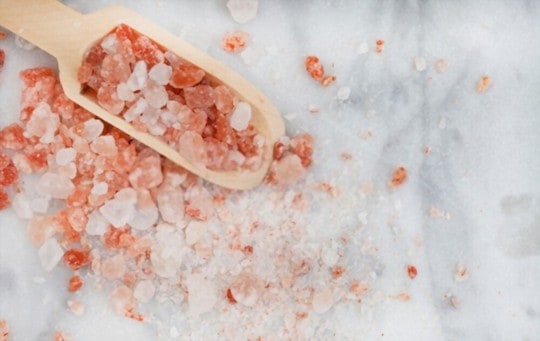
Rock salt is a type of salt that is extracted from underground rocks and is different from sea salt.
Its composition includes mostly sodium chloride, but it also contains small amounts of other minerals like calcium and magnesium.
Rock salt has a coarse texture and is usually not as refined as other types of salt.
It is often used for de-icing roads because it can lower the freezing point of water.
Rock salt is also used in cooking, usually for dishes that require long cooking times or for pickling.
Consuming excessive amounts of any type of salt can lead to health issues like high blood pressure and heart disease.
Therefore, it's recommended to consume all types of salts in moderation and avoid adding additional salt when possible.
For a seafood contrast that mirrors choosing between similar options, see Red Rock vs Dungeness comparison guide for which crab suits different dishes.
What is Sea Salt?
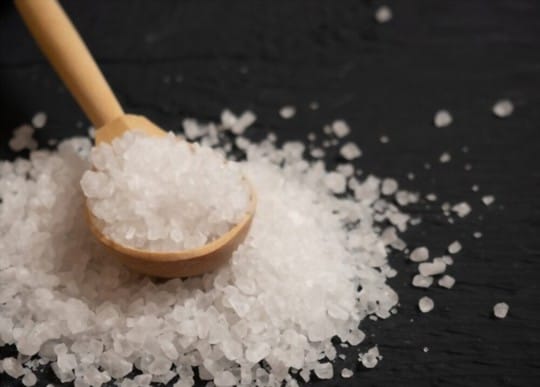
Sea salt is a type of salt that is derived from evaporated seawater.
It is known for its larger and coarser grains and distinctive taste.
The minerals and trace elements present in the seawater during the evaporation process give sea salt a unique flavor that sets it apart from other types of salt.
Its production method and texture make it a popular option for use in cooking, as well as for adding flavor to a variety of dishes.
Not all sea salts are created equal, as some may be heavily processed or contaminated with pollution.
As with any food product, it's best to read labels carefully and research brands before making a purchase.
In short, Sea Salt is an unrefined form of salt obtained from evaporated seawater that adds not only flavor but also essential minerals to one's diet due to being less processed than regular table or rock salt.
To compare two flaky white-fish options in the same way, consult Chilean Sea Bass vs Branzino comparison for texture and flavor differences.
Differences Between Rock Salt and Sea Salt
Rock salt and sea salt are two popular types of salts that have distinctive characteristics.
While they may appear similar, they differ in composition, texture, taste, and extraction process.
Rock salt is mined from underground salt deposits, while sea salt is obtained by evaporating seawater.
For another look at how two similar ingredients diverge, read Rock Candy vs Simple Syrup breakdown to see how processing changes use.
Formation and Source
Rock salt and sea salt have different formations and sources.
Rock salt is formed from mineral deposits that were left behind when ancient seas dried up, while sea salt is derived from evaporated seawater.
Both are harvested by mining or collecting them from their respective sources.
Rock salt is usually coarser and less expensive than sea salt, making it ideal for cooking or baking purposes.
Sea salt has a higher mineral content, which makes it preferred for use in skincare products or as a table salt.
Some brands of sea salt may contain pollutants due to ocean pollution, whereas rock salt is less likely to be contaminated with toxins.
Processing Methods
Different techniques are employed for processing salt.
Each method produces distinct jars of salt, with the color, taste and texture varying.
One such process is Rock Salt processing that involves excavating rock salt from mines using dynamite or drilling holes.
Sea Salt, on the other hand, is harvested by evaporating sea water using sunlight and wind.
The processing methods dictate various characteristics of the salt produced.
For instance, Rock Salt is relatively coarser and denser than finely ground Sea Salt crystals due to its extraction process.
It contains impurities of soil and mineral remnants from the location it has been mined from.
Whereas in contrast, Sea Salt can have a range of minerals like magnesium and calcium which occur naturally in sea water.
While both salts share similarities in chemical composition, their differences still surface when it comes to taste, texture and sometimes price range as well.
The distinction between these two salts can affect aspects such as cooking technique or seasoning choice for specific dishes.
Mineral Content
The differing mineral content between rock salt and sea salt can have significant implications for those who consume them.
Rock salt, as the name suggests, is mined from rocks and contains high levels of minerals like calcium, potassium, and magnesium.
Conversely, sea salt is produced by evaporating seawater and contains a much wider range of minerals, including iodine, zinc and iron.
This variation in mineral content can impact flavor, texture and nutritional value.
To understand how dissolved minerals change taste in liquids, consult mineral water taste guide for examples of flavor differences from mineral profiles.
Texture and Size
The granule size and texture of rock salt differ from sea salt.
Unlike the fine grains of sea salt, rock salt has a rougher texture with larger, irregularly shaped crystals.
The crystal sizes can range from small chunks to large boulders that require grinding for culinary use.
These differences in texture and size affect the flavor intensity and the way each type dissolves in liquids.
Rock salt is commonly used in cooking for dishes that require extended cooking times, like soups or stews, due to its slow-dissolving property.
It is also used as a de-icer for roads in colder climates because it does not dissolve quickly and can provide traction on slippery surfaces.
On the other hand, sea salt dissolves faster than rock salt and enhances the flavor of mild dishes like salads or dressings.
Interestingly, both types of salt are extracted differently.
Rock salt is mined from underground deposits while sea salt is harvested by evaporating seawater through natural sunlight or artificial heating methods.
This difference in extraction contributes to their distinct mineral compositions - rock salt mainly contains sodium chloride while sea salt contains traces of other minerals like magnesium, calcium, and potassium.
Understanding these subtle differences between rock salt and sea salt can help you choose the right type of seasoning for your dish or even improve road safety during winter weather conditions.
Similarities Between Rock Salt and Sea Salt
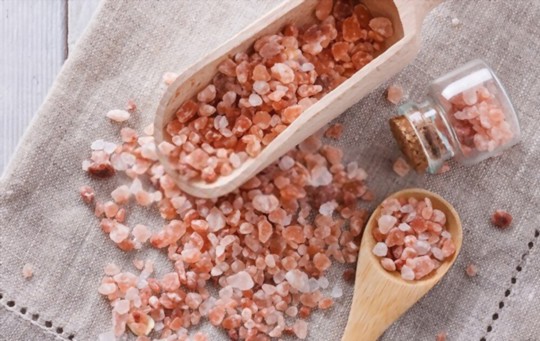
Rock salt and sea salt share various similarities despite being two distinct types of salts.
The first similarity is their chemical composition which comprises sodium chloride.
The second similarity is they both exist naturally and undergo minimal processing before being packaged for human consumption.
Also, both salts are used in cooking, preservation, and have medicinal properties.
Also, rock salt and sea salt differ in terms of their sources.
Rock Salt comes from underground mines, while the Sea Salt is harvested from the sea or ocean after evaporating seawater.
Unlike rock salt, Sea Salt contains traces of minerals such as magnesium, potassium, calcium among others which enhance its nutritional value compared to the former.
In addition to having different sources, Rock Salt has distinct sizes ranging from fine-grain to coarse-block depending on the mining method used while harvesting Sea Salt yields medium-sized crystals with a soft texture and irregular shapes.
In summary, although similar chemically and functionally, Rock salt and Sea Salt differ in their sources hence possess varying particle size distribution and nutrient concentration.
To explore a parallel case of two related seasonings, view Onion Salt vs Onion Powder comparison for when each form is preferable.
Culinary Uses and Benefits of Rock Salt and Sea Salt
Salt is a important ingredient in cooking that adds flavor and enhances the taste of dishes.
The culinary uses and benefits of rock salt and sea salt are numerous and differ in several ways.
Rock salt, also known as halite, is extracted from large underground salt mines where it has been deposited for millions of years.
It is coarse-grained and has a grayish-white hue.
Due to its high mineral content, rock salt is commonly used for preserving meat and pickling vegetables.
Also, it is an excellent exfoliant when mixed with oils.
On the other hand, sea salt, as the name suggests, comes from evaporating seawater.
This type of salt contains trace minerals such as magnesium, calcium, potassium, and iron due to its natural origin.
Sea salt crystals are smaller and more delicate than rock salt crystals and come in different colors depending on the water source.
Sea salts are preferred by many for their distinct flavor, texture, and health benefits.
Unique details about these types of salts include how they affect the texture of food during cooking or baking; rock salt absorbs moisture which makes it ideal for making tender meats, whereas sea salts dissolve faster in liquids which makes them perfect for seasoning soups or pastas.
For a focused look at preservation uses and safety, check Curing Salt vs Regular Salt comparison to understand when to use each type.
Considerations When Choosing Between Rock Salt and Sea Salt
When deciding between rock salt and sea salt, certain factors must be considered.
These include differences in origin, texture, taste, and usage.
Rock salt is mined from the earth's surface, while sea salt is extracted from the ocean.
Rock salt has larger particles and is often used in cooking for adding flavor to meats or seasoning popcorn.
On the other hand, sea salt is fine-grained and can be used as a finishing touch on salads or desserts.
The choice ultimately depends on personal preference and the desired outcome.
One unique consideration when using rock salt is its use in preserving foods such as meat or fish.
It draws out moisture from the food to prevent spoilage and enhance flavor.
However, this same property makes it inappropriate for use in baking or table salt as it can be too harsh for consumption.
Sea salt, on the other hand, contains trace minerals that give it a more complex flavor than rock salt.
Overall, both types of salts serve different purposes and have unique properties that make them suitable for specific uses.
When choosing between rock salt and sea salt, it is important to understand their differences to achieve desired results without compromising taste or quality in your dishes.
For guidance on picking a seasoned or plain salt for specific uses, see Celery Salt vs Salt comparison to weigh flavor and function.
Best Culinary Uses for Rock Salt and Sea Salt
After examining both types of salt, it is clear that they do share similarities in their chemical makeup and nutritional value.
However, the difference between rock salt and sea salt lies in their source and processing methods.
Rock salt is mined from underground salt deposits, whereas sea salt is obtained by evaporating seawater.
This difference affects not only taste but also mineral content and potential contaminants.
One thing to note is that regardless of which type of salt you choose, moderation is key.
Excessive consumption of sodium can lead to health problems like high blood pressure and heart disease.
Therefore, it's important to keep intake within recommended limits.
Sea Bream and Snapper are often chosen for similar preparations. Sea Bream vs Snapper comparison explains texture and flavor differences. Diver Scallops vs Sea Scallops comparison breaks down size and taste distinctions for scallop selections.
Frequently Asked Questions
Rock salt is a type of salt that is extracted from underground rocks and is different from sea salt. They share some similarities but each has qualities that make it better suited for certain recipes.
It depends on the dish. Rock Salt and Sea Salt share some overlap, but each shines in different preparations.
Swapping works best in forgiving recipes like soups or stews.
Pricing varies by brand and region, but one is typically more accessible at everyday price points. The other may cost more due to specialization or limited supply.
Is there a best time to use each one?
One shines in applications requiring subtlety and background support.
The other is better when it is meant to be a center.
Matching the right one to its role makes a noticeable difference.