
Summary of key points
The main difference between tapioca starch and xanthan gum is their source and purpose. Tapioca starch comes from the cassava root and is used as a thickening agent in cooking and baking, while xanthan gum is produced through fermentation and is commonly used as a stabilizer or binding agent in food products.
In terms of texture, tapioca starch creates a smooth and gel-like consistency, while xanthan gum adds thickness and helps prevent ingredients from separating. a small amount of xanthan gum goes a long way, so it should be used sparingly in recipes.
In terms of health benefits, tapioca starch is gluten-free and can be beneficial for those with celiac disease or other gluten sensitivities. Xanthan gum is also gluten-free and has been shown to have prebiotic properties that can help promote gut health.
In the kitchen, we often find ourselves facing the great thickener debate: tapioca starch versus xanthan gum.
Two powerhouses in texture transformation.
Each has unique properties that can improve a dish from good to gourmet. I remember the first time we used tapioca starch in a pie filling-it was a solid option!
Smooth, glossy, and just right.
Then there was the adventure with xanthan gum in a gluten-free cookie recipe. Who knew a pinch could be so mighty?
We've seen sauces transformed and pastries perfected. Now, we're here to share what we've learned.
Time to get thick into it!
What is Tapioca Starch?

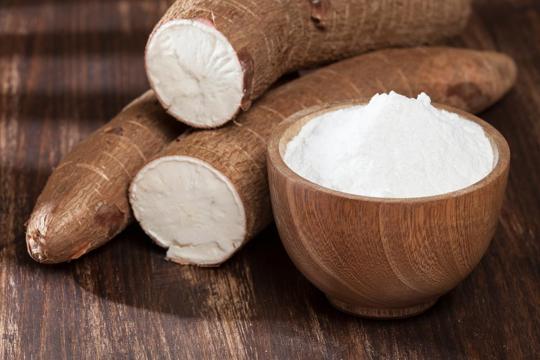
Tapioca Starch is a white powder made from the cassava root.
It has a neutral taste and smooth texture, making it an ideal thickening agent for soups, sauces, and puddings.
Plus, it helps improve the texture of baked goods, like cookies and cakes.
This flexible starch is also used in the production of pharmaceuticals, cosmetics, and paper products.
Its binding properties make it great for creating tablets or capsules.
And, it provides a smooth and silky texture for skincare and cosmetic products.
Compared to other starches, tapioca offers a few unique benefits - see tapioca vs yuca comparison guide.
It has a high tolerance for heat and acidity, so it's suitable for acidic foods or high-temperature cooking.
Also, it has good freeze-thaw stability, meaning it maintains its quality even after being frozen and thawed multiple times.
What is Xanthan Gum?

Xanthan gum is a polysaccharide made by fermenting carbs.
It has special qualities that make it useful. It thickens and stabilizes.
As a gluten substitute, it's great for gluten-free baking - find 5 best substitutes for xanthan gum when a different binder is needed.
It stops ice from forming in frozen treats and helps sauces and dressings be better.
Its versatility and uses make it a must-have ingredient.
It creates a good texture and increases the shelf life of food.
So xanthan gum is a great help to both manufacturers and consumers.
Differences Between Tapioca Starch and Xanthan Gum
Tapioca starch and xanthan gum are two common ingredients used in cooking and baking - compare them with Arrowroot vs tapioca comparison guide to see how each performs.
These two ingredients can be used together to enhance texture and performance.
The combo provides elasticity and structure while maintaining stability.
Source and Production
Tapioca starch and xanthan gum are not the same.
Tapioca starch comes from cassava root, a plant native to South America.
To get the starch, the root is washed, then ground.
The starch is dried and made into a powder.
This powder is used as a thickener in cooking.
Xanthan gum is made through fermentation.
A bacteria called Xanthomonas campestris is used.
This bacteria comes from plants like cabbage and cauliflower.
The fermentation creates a slimy substance.
This substance is purified and dried to form xanthan gum.
These ingredients serve similar purposes, but their production methods are different.
Tapioca is from a natural source.
Xanthan gum is produced with controlled bacterial fermentation.
Knowing their sources and production processes can help decide which is best for certain needs.
Texture and Thickening Properties
Tapioca starch and xanthan gum have their own specialties.
Tapioca starch is taken from the cassava root and is often used in recipes as a thickening agent - see thickening agent substitutes list for alternatives and how they behave.
It absorbs water and forms a gel-like consistency for sauces, soups, and baked goods.
Xanthan gum, however, is a flexible ingredient that adds thickness and stability to food.
It is made from fermented sugars and turned into powder.
It has great water-binding qualities, making liquids thicker without changing their taste or color.
Tapioca starch and xanthan gum are sometimes used together in gluten-free baking.
This combination helps create elasticity and structure in doughs, stopping them from crumbling or becoming too dense.
To sum it up, these ingredients are essential for texture and thickness in food products.
Knowing their unique qualities can help you experiment with recipes and get the results you want.
Applications and Uses
Tapioca starch and xanthan gum have many uses.
Tapioca starch is often used as a thickening agent in soups, sauces, and desserts.
It gives dishes a creamy and silky texture.
Xanthan gum is known for improving the texture and stability of food products.
It's a great substitute for wheat flour in gluten-free baking.
These ingredients are also used in other industries.
Tapioca starch can be used to size fabrics and make adhesives, paper products, and pharmaceuticals.
Xanthan gum is used in cosmetics, acting as a thickener and stabilizer in lotions, creams, and gels.
Due to its high amylose content, tapioca starch is employed in biodegradable plastic production.
Xanthan gum is used in oil drilling fluids as a viscosifier and friction reducer.
Tapioca starch and xanthan gum are flexible ingredients with many uses.
They are important in various fields of production, from food texture to environmentally friendly solutions.
Allergen Information
Individuals with allergies need to be aware of allergen information.
This information helps them make smart decisions about their food.
Knowing the allergens in a product keeps them safe from any bad reactions.
Similarities Between Tapioca Starch and Xanthan Gum

Tapioca starch and xanthan gum have much in common.
They are both used as thickening agents in food products and are gluten-free, making them suitable for people with gluten intolerance - see flour vs starch differences explained for more on how starches behave.
Plus, both come from natural sources.
Tapioca is taken from the cassava plant while xanthan gum is produced by fermenting glucose with a bacteria called Xanthomonas campestris.
Also, these two ingredients have similar properties when it comes to cooking.
They are capable of absorbing moisture and creating a gel-like texture, which enhances the quality and stability of food.
This makes them great substitutes for gluten in gluten-free baking.
Besides, they have no or hardly any taste, allowing them to be used in many recipes without influencing the flavor.
Nutritionally, both tapioca starch and xanthan gum are low in calories and have no fat or protein.
However, they are mainly used for their functional properties rather than their nutritional benefits.
To sum up, tapioca starch and xanthan gum offer alternatives for those with dietary restrictions while providing desirable texture and stability.
They share many similarities in terms of their function, gluten-free nature, natural origins, culinary applications, neutral taste, and minimal nutritional impact.
Benefits and Drawbacks of Tapioca Starch and Xanthan Gum
Tapioca starch and xanthan gum are two cooking/baking ingredients that have their own benefits and drawbacks.
Let's look at the pros of tapioca starch:
- Gluten-free option. Great for people allergic to or avoiding gluten. Can be used as a thickener in soups, sauces, gravies without affecting taste/texture.
- Provides a smooth texture when baking. Enhances puddings, custards, pie fillings.
- Improves crispiness of fried foods such as chicken tenders, onion rings.
Now let's look at xanthan gum:
- Excellent binder. Great for gluten-free bread/cakes, gives structure, prevents crumbling.
- Improves shelf life. is an emulsifier, stabilizes liquids.
- Imparts creaminess and viscosity. Enhances texture/mouthfeel of ice cream, dressings, dairy subs.
Also, tapioca starch is derived from cassava roots, xanthan gum from fermentation.
Both can be bought in stores or online.
Can be used as a thickener in soups, sauces, gravies without affecting taste/texture - compare thickening roles with corn starch vs baking powder comparison to pick the best option.
How to Use Tapioca Starch and Xanthan Gum in Cooking and Baking?
Tapioca starch and xanthan gum can add something special to your cooking and baking.
Here's how to make the most of them.
Measure out what you need for your recipe.
It is great for thickening sauces, gravies, and soups.
To avoid lumps, mix the starch with a bit of cold water before adding it to your dish.
Measure out the exact amount for your recipe.
This ingredient can replace gluten in gluten-free baking or add texture to breads and pastries.
Mix the xanthan gum with other dry ingredients before you add them.
In some recipes, use both tapioca starch and xanthan gum.
For example, if you're making gluten-free cookies or cakes, they will help structure and elasticity.
Follow the measurements for the best results.
O Start with a small amount of tapioca starch or xanthan gum and add more if needed - they can be too gelatinous if you use too much.
O Different brands might be stronger or weaker, so adjust accordingly.
O Keep tapioca starch and xanthan gum in cool, dry places to keep them fresh.
To sum up, tapioca starch and xanthan gum are useful ingredients that can make your cooking and baking even better.
Follow these steps and tips to get the most from them.
For sauces and dressings, consider whether a wine or vinegar base will affect texture and flavor - white cooking wine vs white wine vinegar flavor differences explains how each ingredient changes a sauce.
When to Use Tapioca Starch or Xanthan Gum
Tapioca starch creates a lighter texture while xanthan gum provides more structure.
For those with celiac disease or gluten allergies, tapioca starch is better suited for lowering the risk of cross-contamination with wheat products as it is gluten-free.
But if you're looking for a thickening agent that brings structure or rigidity to a recipe, then xanthan gum may be the best choice.
Either tapioca starch or xanthan gum can reach the same end results through different means by providing unique attributes like texture, taste and cost.
Instant tapioca alternatives can change texture and prep time - 5 best substitutes for instant tapioca outlines practical swaps. For flour-like behavior, check 5 best tapioca flour substitutes to match function in recipes.
Frequently Asked Questions
The main difference between tapioca starch and xanthan gum is their source and purpose. They share some similarities but each has qualities that make it better suited for certain recipes.
In many recipes, yes. Tapioca Starch and Xanthan Gum fill similar roles, though each brings its own character.
Try a small test batch before committing to a full swap.
Availability varies by region. One is usually a standard grocery store item while the other may require a specialty or international market depending on where you live.
Can a beginner tell the difference by taste?
In a side-by-side tasting, yes.
The difference becomes less obvious when mixed into a recipe with other ingredients.
Most people notice the distinction more clearly on its own.