
Summary of key points
The main difference between ball tip and tri tip is the location of cut on the cow. Ball tip is a cut taken from the top of the round, while tri tip comes from the bottom sirloin.
In terms of flavor and texture, ball tip is usually leaner and slightly tougher compared to tri tip. Tri tip has more marbling which results in a juicier and more tender final product.
This also means that tri tip can be cooked to various levels of doneness, while ball tip is best when cooked to medium-rare to avoid becoming too tough.
Both cuts are typically grilled or roasted but tri tip can also be cut into steaks for grilling.
In the great debate of beef cuts, ball tip and tri tip stand out.
Ball tip? It's the lean, mean grilling machine.
Tri tip? The flavorful underdog that deserves a spotlight.
We remember our first barbecue fiasco. A mix-up between these two had us scratching our heads.
Ever since, we've made it our mission to clear the confusion.
Simple, yet a solid option. That knowledge transformed our grilling game.
Now, it's your turn.
What is Ball Tip?
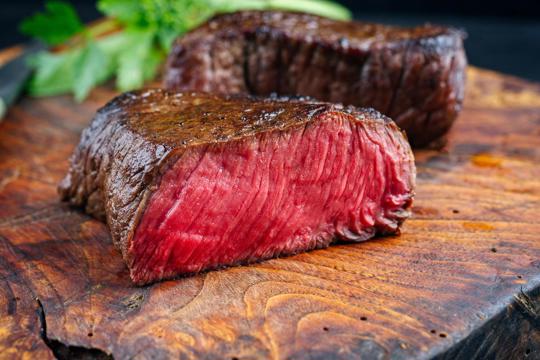
Ball Tip is a cut from beef shoulder, well-known for its tenderness and flavor.
It's triangle-shaped, near the top of round primal, under the sirloin.
Versatile for roasting, grilling, or braising.
When cooked right, Ball Tip is juicy and flavorful.
Its marbling and fat content keep it moist, resulting in tenderness.
Its shape is ideal for steaks or a whole roast.
Ball Tip's versatility is unique.
It can be spiced and grilled, slow-cooked in the oven, or on a stovetop.
Delicious for any meat lover.
Plus, Ball Tip has many nutritional benefits.
It's a great source of protein, iron, zinc, and vitamin B12.
These nutrients aid muscle development, red blood cell production, immunity, and overall health.
For a completely different flavor profile reference, a matzo ball soup taste guide describes the textures and savory notes that define that classic dish.
What is Tri Tip?
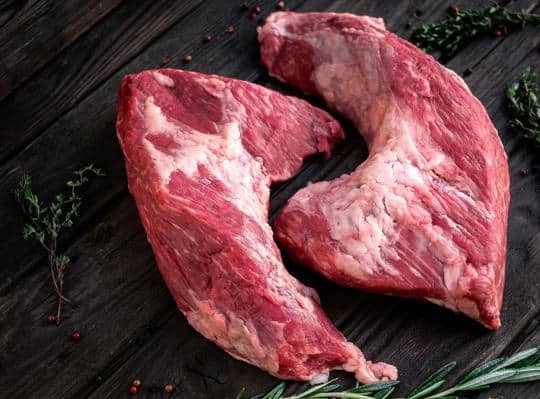
Tri tip is an awesome and adaptable cut of beef, becoming more popular in the cooking world - see tri-tip vs sirloin comparison guide for how it stacks up against sirloin.
It's a triangular muscle found at the bottom of the sirloin.
Noted for its tenderness and marbling, it's great for grilling, smoking, or roasting.
Tri tip is juicy and full of flavour.
The marbling adds richness and boosts its natural beefy taste.
Cook it rare, medium-rare, or medium, and you'll get melt-in-your-mouth goodness with every bite.
It's also versatile.
Its shape allows even heat distribution when grilled or roasted, so you get a caramelized exterior and tender interior.
Perfect for outdoor barbecues or quick weeknight dinners.
Plus, it's healthy, too.
High in protein, iron, zinc, and other essential nutrients.
Eating tri tip helps build and repair muscles, and promotes overall health.
Tri tip stands out due to its unique shape, marbling, and flavour.
Grill it to perfection or use in your favourite recipe - either way, this savoury cut won't disappoint.
Try tri tip and savour the deliciousness.
Differences Between Ball Tip and Tri Tip
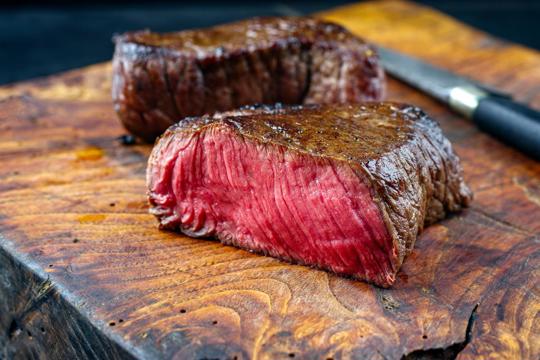
Ball tip and tri tip are two distinct cuts of beef.
Both from the sirloin, they have different shapes, textures, and cooking techniques - read a sirloin tip vs top sirloin comparison notes to see how nearby cuts differ.
1 - Location on the Cow
The spot of the cow from which a cut of meat is taken has a lot to do with its flavor and tenderness.
Knowing precisely where each cut is from is important for comprehending how to cook it right.
Ball tip and tri tip are no exception - where they are on the cow matters greatly.
Ball tip, or sirloin tip or round-tip roast, is taken from the lower portion of the sirloin primal cut.
It is versatile, tender and can be cooked in various ways - roasting, grilling or slicing into steaks.
Its nearness to the hindquarters makes it leaner than other cuts.
On the other hand, tri tip comes from the bottom sirloin subprimal cut.
It's a triangular-shaped muscle near the rear of the beef loin area.
This cut has a rich, beefy flavor and is marbled with fat, making it juicy and flavorful when cooked properly.
Tri tip is often used in barbecuing or grilling and is popular in California cuisine.
Both ball tip and tri tip come from near each other on the cow, yet their locations contribute to their individual qualities.
Knowing this allows cooks to make the most of each cut's features and make great dishes that bring out their best flavors.
So, to get the most out of cooking, it's essential to know where different cuts come from on the cow.
Ball tip and tri tip are perfect examples of how slight changes in location can result in different textures, flavors, and uses for these cuts of meat.
Understanding where a cut comes from is key - and for a completely different product comparison, Nutr vs Almond Cow comparison breakdown shows how location and design affect results.
2 - Shape and Appearance
Shape and appearance are important for distinguishing between ball tip and tri tip cuts of meat.
The ball tip, also known as sirloin ball or sirloin butt, looks like a small baseball or a rounded cone with a thick base.
The tri tip, also called bottom sirloin roast, has a triangle shape with two points at each end.
Its elongated form gives it a unique look.
These cuts have different shapes.
The ball tip's round shape is great for roasting or slow cooking.
Its compactness helps to keep moisture in.
It also has a thick base which adds flavor and tenderness.
The tri tip's triangular shape offers diverse cooking techniques.
Each point can be cooked differently to get various textures and doneness.
Chefs often sear each point separately to get different levels of tenderness and flavors in one piece of meat.
3 - Texture and Marbling
Texture and marbling are key factors for ball tip vs.
Ball tip is leaner with less fat, giving it a firmer texture.
Whereas, tri tip is known for its abundant marbling, making it tender and juicy.
Ball tip has a grainy texture due to its low fat content, making it great for those who enjoy a meatier bite.
Tri tip stands out with its fat spread through the muscle fibers, creating a melt-in-your-mouth experience.
These cuts also differ in terms of taste and juiciness.
Ball tip has a lean flavor with a slight beefy taste.
In contrast, tri tip has higher marbling, instilling each bite with a buttery richness.
4 - flavor
Ball tip has a rich, beefy flavor with a hint of sweetness.
It's great for grilling and roasting.
Tri tip has a bold, strong taste with a smoky undertone.
Marinades and rubs go well with it.
Both cuts offer flavors that add depth and complexity to any dish.
They create an explosion of tempting tastes on the palate.
Embrace the cooking experience they offer.
Enjoy the mix of flavors they bring to your table.
If distinguishing subtle taste notes matters, an extract vs flavor explainer guide helps clarify how concentrated extracts differ from natural flavoring.
Cooking Methods for Ball Tip and Tri Tip
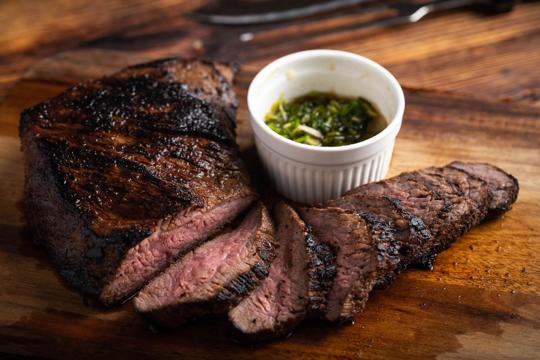
Ball tip and tri tip are two popular cuts of beef that boast different flavors and textures.
To bring out their best qualities, there are a few cooking methods to try.
Grilling is the most common way to cook these cuts.
High heat sears the outside of the meat, locking in the natural juices.
This helps create a juicy and flavorful steak.
Lower the temperature to your desired doneness.
Roasting is another option.
Place the meat in an oven at a moderate temperature until it reaches the desired internal temp.
Roasting ensures even cooking and a tender texture.
Marinate or season with herbs and spices for extra flavor.
Pan-searing is great for those who want a faster method.
Heat a skillet over high heat.
Sear both sides for a few minutes until a brown crust develops.
Finish cooking in the oven or let it rest after searing.
Lastly, braising is an option for ball tip and tri tip.
Slow-cook the meat in liquid at a low temperature until it's tender.
Braising infuses flavors and breaks down the connective tissues, resulting in a melt-in-your-mouth texture.
Some recipes call for deglazing or finishing liquids; a white cooking wine vs vinegar comparison explains when to use each for best flavor.
Popular Cuts and Recipes for Ball Tip and Tri Tip
Ball tip is from the sirloin area of the cow.
It's lean & tender, great for grilling or roasting.
Its mild flavor goes well with seasonings & marinades.
Tri tip comes from the bottom sirloin.
It's triangular-shaped & has a beefy flavor.
It's juicy due to its marbling, perfect for slow cooking or smoking.
You can use either cut interchangeably in recipes - or try vegan sandwich recipe ideas when a plant-based alternative is needed.
Ball tip & tri tip offer different flavors & cooking methods.
Get either one & start cooking.
Nutritional Comparison between Ball Tip and Tri Tip
Ball tip and tri tip offer different nutritional values.
They both provide important nutrients, but they differ in terms of calories, fat, and protein.
Ball tip is lower in calories, which makes it ideal for those counting calories or trying to maintain a healthy weight.
Whereas, tri tip has higher calories, giving you an energy boost.
Ball tip has less fat, so it's a better option for people on a low-fat diet.
It's still flavorful and tender. Both types of meat offer protein.
But tri tip has more protein, which is great for building muscle or recovering from exercise.
Think about your dietary goals when choosing between the two.
Ball tip is lower in calories, whereas tri tip has more protein.
Both offer valuable nutrients for a balanced diet.
Cooking Tips for Ball Tip and Tri Tip
With arguably two of the most popular cuts of beef, it's clear that ball tip and tri tip have their differences.
Both cuts offer something unique for those grilling or cooking up a delicious steak.
The ball tip is leaner while the tri tip has more fat content which makes it more desirable to some palates as it can get much juicier than the ball tip.
No matter if you prefer one cut over the other, they both have their place in any cookout and offer delicious meals fit for any palate.
If you're debating between the two - be sure to test both and see which one wins out.
What to Serve with a Santa Maria Tri-Tip? 7 BEST Side Dishes - Santa Maria tri-tip side pairings lists complementary options. What to Serve with Smoked Tri Tip? 7 BEST Side Dishes - smoked tri-tip side suggestions fits menus centered on smoky beef.
Frequently Asked Questions
The main difference between ball tip and tri tip is the location of cut on the cow. They share some similarities but each has qualities that make it better suited for certain recipes.
It depends on the dish. Ball Tip and Tri Tip share some overlap, but each shines in different preparations.
Swapping works best in forgiving recipes like soups or stews.
Pricing varies by brand and region, but one is typically more accessible at everyday price points. The other may cost more due to specialization or limited supply.
Is there a best time to use each one?
One shines in applications requiring subtlety and background support.
The other is better when it is meant to be a center.
Matching the right one to its role makes a noticeable difference.