
Summary of key points
While both Irish whiskey and Scotch whisky are made from grains, there are some key differences in their production process that result in distinct flavors. Irish whiskey is usually triple distilled, resulting in a smoother taste, while Scotch whisky is typically double distilled.
Also, Irish whiskey is often aged for at least 3 years in oak barrels, while Scotch whisky must be aged for at least 3 years in oak casks. This difference in aging process can also contribute to taste variations.
Ultimately, it comes down to personal preference and which flavor appeals to you more - for food pairing inspiration beyond desserts, see Mediterranean vegan bowl recipes list.
Ah, the age-old battle between Irish Whiskey and Scotch Whisky. First off, notice the extra 'e'?
That's clue number one in our detective game.
Each type hails from a different country. Irish Whiskey from Ireland, Scotch Whisky from Scotland.
New, we know.
Our personal journeys through countless tastings (tough job) led to some interesting discoveries. Irish Whiskey often embraces a smoother, fruitier touch.
Pot still magic!
Meanwhile, Scotch brings that famous peaty punch. Smoke and earth wrapped in a glass.
We've stood in distilleries, sipping, learning. That's how we've come to love their distinct stories.
Two spirits, two countries, infinite possibilities for happy hour.
What is Irish Whiskey?

Irish Whiskey is iconic. It's different from Scotch whisky.
It's made in Ireland and is known for its smoothness and light flavor.
It's usually triple distilled, which makes it purer and cleaner than other whiskies.
Unmalted or malted barley is a key part of Irish whiskey, giving it a sweet taste and grainy texture.
It must be aged for at least three years in wood casks to improve its smoothness and complexity.
People everywhere love Irish whiskey for its history and craftsmanship - see Michael's vs Baileys comparison for flavor for a look at related Irish cream profiles.
What is Scotch Whisky?

Scotch whisky is well-known and cherished - and for a different kind of Scotch comparison, read Scotch Ale vs Scottish Ale comparison to explore beer-side differences.
This golden elixir is distilled from malted barley and aged for three years in oak barrels, giving it a rich flavor and smooth texture.
To produce Scotch whisky, malted barley is first ground into grist.
It is mixed with hot water to extract fermentable sugars, then cooled and fermented with yeast.
The result is a potent liquid, known as wash, with alcohol content.
The "heart" of the distillate is then separated from the "heads" and "tails.
" This heart is aged in oak casks, infusing it with flavors from the wood.
Scotland is divided into five regions for whiskey production: Highlands, Lowlands, Islay, Campbeltown, and Speyside.
Each region has its own unique characteristics.
Some produce smoky, peaty scotches, while others have fruity and floral notes.
Differences Between Irish Whiskey and Scotch Whisky

Irish whiskey and Scotch whisky may appear alike, but they have some clear distinctions - for a cocktail-focused contrast, see Spanish Coffee vs Irish Coffee comparison.
Ingredients and Distillation Process
Irish whiskey and Scotch whisky are different due to the ingredients and distillation process.
Irish whiskey combines malted and unmalted barley, and may also include other grains such as corn or wheat.
Scotch whisky only uses malted barley, giving it a bold, rich taste.
Irish whiskey undergoes triple distillation in copper pot stills, creating a smooth, sweet spirit.
In contrast, Scotch whisky goes through double distillation in pot stills, resulting in a full-bodied flavor.
These distinctions give each style its own unique characteristics.
Geographical Distinction
Whiskey is more than just a drink. It's steeped in history and culture.
Regional distinctions affect its production, taste and character.
Irish whiskey and Scotch whisky have unique qualities due to their geographical origins.
Irish whiskey is known for its smoothness and lightness. This is thanks to its triple distillation.
It's made from malted and unmalted barley and aged in oak casks.
Irish whiskey can be made anywhere on the island of Ireland.
Scotch whisky has a peaty flavor, achieved by drying malted barley over peat fires.
Scotland's climate also contributes, with cooler temperatures allowing for longer aging.
To be classified as Scotch, it must be aged in oak barrels for at least 3 years.
Irish whiskey is mainly produced using single pot stills.
This uses both malted and unmalted barley in copper pots, creating a creamy texture with hints of spice and fruitiness.
Scotch whisky has a variety of styles, including single malt, single grain, blended malt and blended grain.
Peat Usage
Peat is a major factor in whisky production.
It determines the difference between Irish whiskey and Scotch whisky.
In Ireland, peat is rarely used for malting.
This leads to a milder flavor with hints of fruit and vanilla.
Scotch whisky, however, relies heavily on peat.
The smoke from burning peat gives Scotch whisky its unique character.
This peat is usually sourced from local bogs and burned under the malted barley.
The amount of peat used can also differ from region to region.
Islay whiskies, for instance, are well-known for their smoky and medicinal flavors due to the high levels of peat used.
In contrast, Speyside whiskies may have a light touch of peat or not use it at all.
Irish whiskey and Scotch whisky both possess unique characteristics due to their use of peat.
Whether one prefers the smoothness of Irish whiskey or the smokiness of Scotch whisky comes down to personal preference.
flavors
Irish whiskey and Scotch whisky have distinct differences.
Irish whiskey is smooth and light, featuring notes of vanilla, honey and fruitiness.
It's triple distilled, making it cleaner and delicate.
On the other hand, Scotch whisky has a wider range of flavors due to its various regions and production methods.
Plus, each distillery has its own signature style.
For example, Speyside whiskies are sweet and floral, while Highland whiskies are strong.
Ultimately, choosing between Irish whiskey and Scotch whisky depends on your taste.
Similarities Between Irish Whiskey and Scotch Whisky
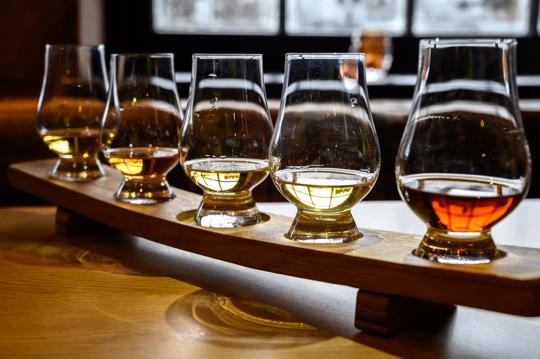
Irish whiskey and Scotch whisky have many similarities - for another side-by-side look at American styles, read Tennessee Whiskey vs Kentucky Bourbon comparison.
They use barley and oak barrels in their production.
Both also have a long history and tradition. However, there are some differences.
Irish whiskey is triple distilled, giving it a smoother flavor.
Peat is used in Scotch whisky production, but not usually in Irish whiskey, giving it a fruitier taste.
Geography also affects these drinks.
Scotland's climate and water sources create more variety than Ireland's.
This contributes to the character of their whiskies.
Aging and Maturation Practices
Aging and maturation are key factors that make Irish whiskey and Scotch whisky different.
Both spirits age in oak casks, but for different times.
Irish needs at least three years, while Scotch must have three years minimum.
Oak types also vary - American for Irish and European for Scotch.
The aging impacts the flavor.
Irish whiskey is smoother and light-tasting - due to its shorter aging and American oak.
Meanwhile, Scotch whisky has a longer maturation and European oak, making its character richer and more complex - often with smoky, fruity, or malty notes.
Climate also plays a role.
Ireland's milder climate causes less evaporation when aging, compared to Scotland's colder climate.
Plus, the blending or bottling processes differ between Irish whiskey and Scotch whisky.
Both styles can be single malts, but with different blending practices.
In summary, these various elements shape Irish whiskey and Scotch whisky's unique profiles.
When you enjoy either spirit, remember how their journeys of maturation created the flavors you're savoring.
Cultural Significance and Traditions
Whiskey has a strong cultural significance in Ireland and Scotland.
The Irish take great pride in their whiskey-making process, which involves triple distillation and malted and unmalted barley.
It's known for its smooth and light flavor.
Scotch whisky also has centuries of tradition and history.
Its production is regulated by strict laws.
Distilleries use peat smoke during malting, which gives a smoky flavor.
It must be aged in oak barrels for at least three years.
Irish whiskey and Scotch whisky are celebrated worldwide for their craftsmanship and quality.
They are symbols of national pride and enjoyed neat or in cocktails like the Old Fashioned or Manhattan.
They continue to charm whiskey enthusiasts with their unique flavors and histories.
Pairing and Enjoying Irish Whiskey and Scotch Whisky
Pairing and savoring Irish whiskey and Scotch whisky can be pleasant.
Each has unique notes that go well with different foods.
Irish whiskey's smooth, light sweetness is great with creamy desserts or rich cheeses.
On the other hand, Scotch whisky's smoky, strong flavors go best with grilled meats or smoked salmon.
These spirits have different production methods that influence their flavors - learn the basics in Whiskey vs Liquor comparison guide to better match pairings.
Irish whiskey undergoes triple distillation for a smoother, lighter taste, while Scotch whisky is usually double distilled.
Also, Scotch whisky can develop more woody hints due to longer aging.
Where the spirits are made also contributes to their profiles.
Irish whiskey has various styles from around Ireland.
Meanwhile, Scotch whisky comes from five main regions with distinct flavors due to local ingredients and traditional techniques.
Distinguishing Irish Whiskey from Scotch Whisky
From careful research, it can be seen that Irish whiskey and Scotch whisky offer different flavors and nuances.
The two types of whiskys also differ in production processes, geographical origin, and even the spelling of the words.
In other words, these factors be used to differentiate between the two.
Also, when it comes to taste preference - it all boils down to personal choice.
Therefore, regardless of which one you choose - be certain that your unique blend will enthuse anyone with its flavor explosion.
Consequently, don't limit yourself to thinking about only one type of whisky - go ahead and explore both if you're feeling adventurous.
With a wide range of flavors available within each variety for you to savor alongside different dishes for an unforgettable drinking experience - what are you waiting for?
Go on and experience a truly epic liquid adventure with Irish whiskey or Scotch whisky.
Both pepper heat and Irish soda bread play roles in flavor-focused comparisons. Ghost Pepper vs Scotch Bonnet flavor contrast explores spice differences. Irish soda bread taste profiles explains texture and flavor notes that pair with whiskies.
Frequently Asked Questions
Irish whiskey is usually triple distilled, resulting in a smoother taste, while Scotch whisky is typically double distilled. They share some similarities but each has qualities that make it better suited for certain recipes.
It depends on the dish. Irish Whiskey and Scotch Whisky share some overlap, but each shines in different preparations.
Swapping works best in forgiving recipes like soups or stews.
Pricing varies by brand and region, but one is typically more accessible at everyday price points. The other may cost more due to specialization or limited supply.
Is there a best time to use each one?
One shines in applications requiring subtlety and background support.
The other is better when it is meant to be a center.
Matching the right one to its role makes a noticeable difference.