
Summary of key points
The primary difference between Fruit Fresh and Citric Acid is their source. Fruit Fresh is a commercial product made from dextrose, ascorbic acid, citric acid, silicon dioxide, and artificial flavors to preserve fruits' color and flavor.
Citric Acid is an organic compound naturally found in citrus fruits like lemons, limes, and oranges. It has a tart flavor and is often used as a natural preservative and flavor enhancer.
While both can be used to preserve fruits, Fruit Fresh also adds flavor, while Citric Acid primarily is a preservative. The choice between the two depends on personal preference and the desired outcome for the preserved fruit.
Also, Fruit Fresh may not be suitable for individuals with certain dietary restrictions due to its artificial ingredients. Citric Acid, being a natural compound, may be a better option for those looking for a more organic and clean alternative.
Ultimately, the choice between Fruit Fresh and Citric Acid comes down to personal preference and dietary needs. Both are effective options for preserving fruits and improving their flavor.
Ever bitten into an apple and found it browner than your grandma's antique furniture? We all have, and it's not a fun time.
What's the secret to keeping fruits fresh as a morning breeze? Fruit Fresh and citric acid.
Sure, they both sound like they belong in a science lab, rather than your kitchen.
Yet here we are, figuring it out together. Fruit Fresh could be your fruit's new BFF, dousing them in what's a youth serum.
On the flip side, citric acid plays it cool, keeping things zesty. T4Both have the same mission: no more sad, brown apples.
Our kitchen experiments might not make us scientists, but they sure make snack time more interesting. Got lemons, apples, or avocados?
We're about to deep-get into what makes Fruit Fresh and citric acid tick.
What is Fruit Fresh?
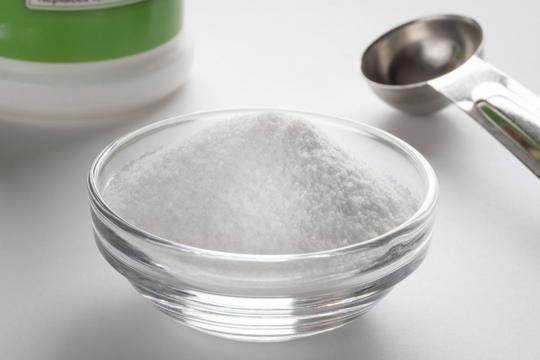
Fruit Fresh is a substance used to keep fruits fresh.
It has ascorbic acid, a form of vitamin C.
Add it to fruit salads or cut fruits, to make them look appetizing and bright for longer.
Both that, but it also maintains their nutritional value.
Ascorbic acid is an antioxidant, protecting vitamin C levels.
So, you can keep fruits fresh without compromising health benefits.
Plus, it's easy to use.
Sprinkle a bit over cut fruits, or mix it with water for dipping.
This makes it a popular choice for those who want to enjoy fresh fruits any time of year - compare guava vs passion fruit comparison to pick fruits that hold up best.
Fruit Fresh is great for anyone who wants to retain freshness and quality of cut fruits.
It prevents browning and maintains nutritional value.
Plus, it makes fruits taste and look great.
Whether making fruit salads, or snacks, Fruit Fresh is the perfect solution.
What is Citric Acid?
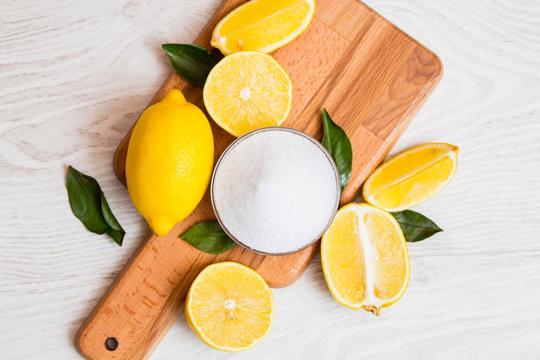
Citric acid is a natural compound found in citrus fruits such as lemons, oranges, and grapefruits.
Yet, it can also be made in a lab.
This tart substance is often employed as a food additive, adding flavor and increasing shelf life - consider citric acid substitute options when a milder alternative is needed.
Its sour taste makes it a popular ingredient in drinks, sweets, and even cleaning products.
What sets it apart is its usefulness and extensive list of uses.
Besides its culinary applications, it also has many industrial and medicinal roles.
In the food industry, it works as a preservative, blocking the growth of bacteria and molds.
Also, citric acid is used to produce certain medications and cosmetics.
Also, citric acid has several benefits for our health.
It helps digestion by activating digestive juices and enzymes.
It also prevents kidney stones by upping urine volume and acidity.
Further, this compound is an antioxidant, shielding our cells from harm caused by free radicals.
Differences Between Fruit Fresh and Citric Acid

Fruit Fresh and citric acid have unique features - much like the contrasts laid out in freeze dried vs dried fruit comparison.
Source and Composition
The source and make-up of Fruit Fresh and Citric Acid are essential to know their variations.
Fruit Fresh is from natural fruits, whereas Citric Acid is synthetic.
Both contain citric acid, but in different amounts.
Plus, Fruit Fresh has other components from fruits, which give it an exclusive composition.
These distinctions influence not only their taste and aroma, but also their uses in various foodstuffs.
The source and composition of these two ingredients are key factors to consider when deciding which one to use for culinary or upkeep goals.
Taste and Flavor
Taste and flavor are key when it comes to picking food.
Comparing Fruit Fresh and Citric Acid? extract vs flavor comparison helps clarify taste terminology and expectations.
Fruit Fresh has a natural, fruity taste - it enhances fruit flavors without overpowering them.
Citric Acid has a more tangy, acidic taste. It adds a zing to dishes and drinks.
Both options give unique flavors. Choose what suits your preference.
Applications in Food Preservation
Fruit Fresh and citric acid both have their part in food preservation.
Fruit Fresh is a commercial product, containing citric acid and other natural ingredients.
It stops browning in fruits and veg by preventing enzyme activity.
Pure citric acid is a white powder, taken from citrus fruits.
It works as a preservative and flavoring agent.
Both have uses in food preservation, but Fruit Fresh offers more - a contrast similar to choosing tools in a food mill vs ricer comparison.
It can improve the flavor and texture of preserved food.
Plus, it can keep canned fruits fresh for a longer time.
So, decide if Fruit Fresh or pure citric acid is the best for preserving your favorite fruits and veggies.
Similarities Between Fruit Fresh and Citric Acid

Fruit Fresh and citric acid have similar features and purposes.
Both are acidic and can improve the flavor of food - see dragon fruit vs passion fruit comparison for examples of how acidity shapes fruit flavor.
They are frequently used as preservatives, keeping fruits and veggies fresh for longer.
Also, they both can be used as a natural cleaner because of their strong acidic properties.
You'll find them in household cleaners used to remove marks and mineral deposits.
Plus, both have antimicrobial qualities which stop bacteria and mold from growing.
This makes them great for preserving food and keeping areas like kitchens and bathrooms clean.
However, Fruit Fresh is a commercial product specifically designed to maintain the color, texture, and vitamins of fresh fruits.
While citric acid is a naturally occurring compound found in citrus fruits like lemons and oranges.
So, depending on your needs, each substance is suitable for different purposes.
How to Use Fruit Fresh and Citric Acid in Cooking
Fruit Fresh and Citric Acid make delicious dishes. Here's a guide to using them.
Step 1: Fruit Fresh.
- Sprinkle on fruits to stop browning.
- Natural preservative for homemade juices or jams.
- Add a pinch to salads for extra freshness.
Step 2: Citric Acid.
- Dissolve in water for a citrus marinade.
- Enhance tangy taste of lemon bars or cheese cakes.
- Use as a sub for lemon juice.
- Use sparingly; too much can be sour.
- Store in a cool, dry place.
- Check expiration date before using.
In short, Fruit Fresh and Citric Acid add zing to your cooking.
Experiment to find the right balance for the flavors you want.
Natural preservative for homemade juices or jams - compare jam jelly preserves comparison to decide how preservative choice affects finished spreads.
Health Considerations and Safety
Health and safety are must-haves when looking at Fruit Fresh and Citric Acid.
Whilst both used for food preservation, they have differences.
Fruit Fresh contains citric acid, along with other ingredients like sugar and ascorbic acid.
It's commonly used to stop fruits and veg from browning.
On the other hand, Citric Acid is from citrus fruits, like lemons and oranges.
Some may choose Citric Acid over Fruit Fresh, because it's natural. The FDA say it's safe in moderate amounts.
But too much can cause tooth erosion and digestive issues.
Fruit Fresh has additives like sugar and ascorbic acid.
People with dietary restrictions or allergies might not want to use it.
For safety, store both Fruit Fresh and pure citric acid away from sunlight in a cool, dry place.
Follow the labels for proper use.
Preserving Fruit: Fruit Fresh vs Citric Acid
Fresh fruits offer natural flavors but can be expensive and less shelf stable.
Citric acid gives food an acidic twist without as much cost or spoilage issues, but it's not as natural as fruit.
It really depends on what you are looking for in terms of flavor to determine which one is right for you.
By understanding the differences between fruits and citric acid, you will be able to make informed decisions about how to use them in your cooking.
Plus, when done correctly, both can be very tasty.
With all of that in mind, why not try something new - use something from each category to have the best of both flavors.
Fresh herb distinctions are useful when matching flavors. fresh dill vs dill weed differences explains when to choose each. Dinnerly vs Hello Fresh comparison outlines how meal kit choices affect ingredient variety.
Frequently Asked Questions
The primary difference between Fruit Fresh and Citric Acid is their source. They share some similarities but each has qualities that make it better suited for certain recipes.
In many recipes, yes. Fruit Fresh and Citric Acid fill similar roles, though each brings its own character.
Try a small test batch before committing to a full swap.
Availability varies by region. One is usually a standard grocery store item while the other may require a specialty or international market depending on where you live.
Can a beginner tell the difference by taste?
In a side-by-side tasting, yes.
The difference becomes less obvious when mixed into a recipe with other ingredients.
Most people notice the distinction more clearly on its own.