Vegemite tastes intensely salty and savory, with a malty, slightly bitter edge, much like concentrated beef bouillon or dark soy sauce.
- It is a vegan yeast extract, so its meaty flavor comes from glutamate and salt, not from meat.
- You eat it in a very thin scrape on buttered toast, because a thick layer is what makes most first-timers hate it.
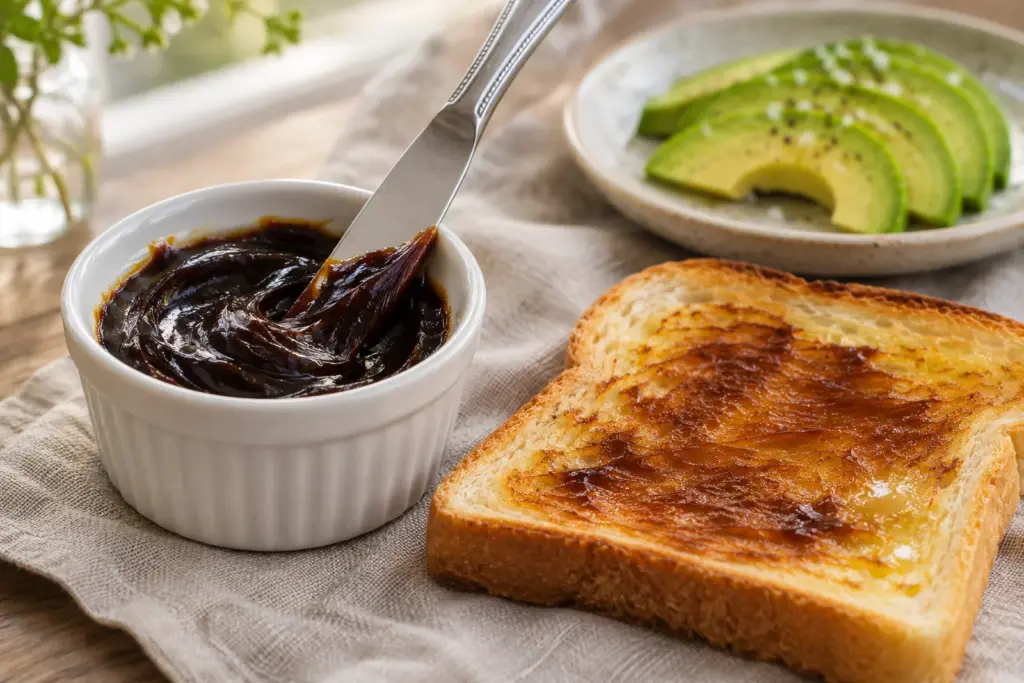
Vegemite is a dark, sticky Australian spread that sits among the strongest flavors in our food taste guides. Fans eat it every morning, while people who try a big spoonful for the first time often never go back, and the difference usually comes down to how much goes on the bread.
1. What Does Vegemite Taste Like?
The first thing you notice is salt, then a deep, brothy savoriness that umami describes best, and last a malty, slightly bitter finish that lingers after you swallow. The bitterness is why a thick layer feels harsh: the more you spread, the more of that finish you get.
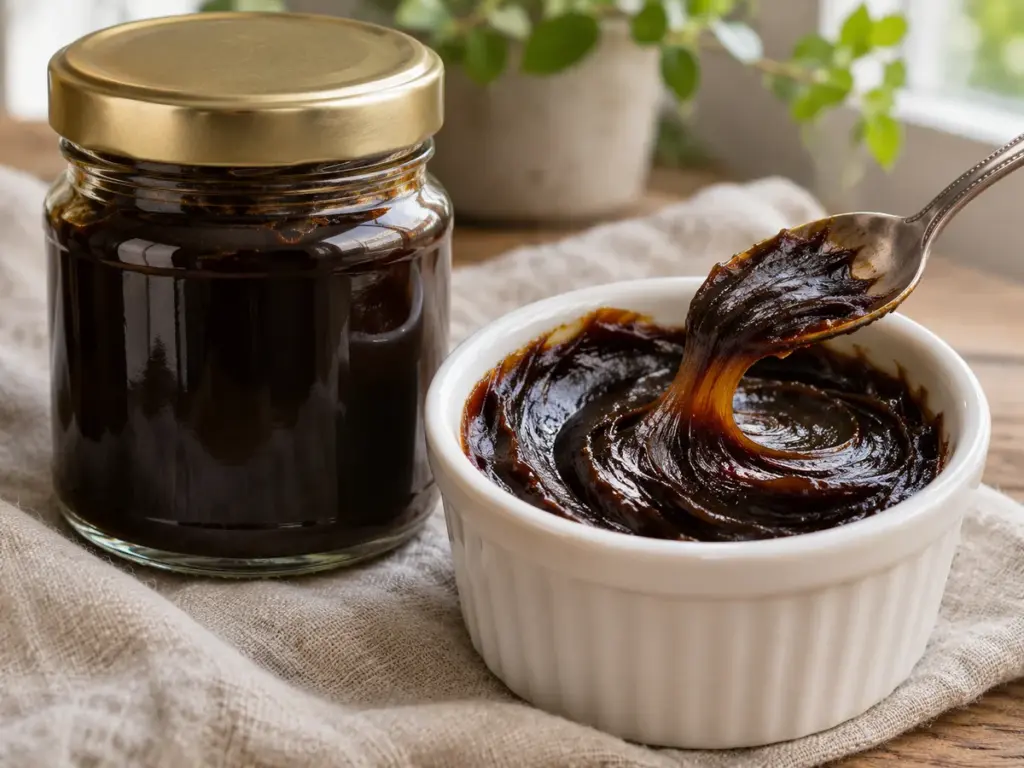
Because there is nothing else quite like it, people reach for foods they already know. This table shows which comparisons hold up and where they break down:
| Compared with | What matches | What is different |
|---|---|---|
| Beef bouillon | Salty, brothy and meaty, which is the comparison most people make first | Vegemite is thicker, darker and more bitter |
| Dark soy sauce or tamari | Concentrated salt and fermented savoriness | Vegemite has a malty note and no liquid sharpness |
- Oyster sauce matches Vegemite with a dark, savory smell and deep umami, but it is sweeter, glossier and made with shellfish.
- Blue cheese matches it with a pungent, fermented savoriness that divides people, but Vegemite has no creaminess and no tang.
None of these is a perfect match. Wikipedia's entry on Vegemite lists the flavor as salty, slightly bitter and malty, with umami close to beef bouillon, and Food Network compares it to a very concentrated tamari or soy sauce.
2. What Is Vegemite Made of, and Why Is It So Strong?
Vegemite is made from brewer's yeast, the leftover yeast from beer making. The yeast cells are broken down so they release their contents, the liquid is concentrated, and it is blended with salt, malt extract and vegetable extracts. The makers say the ingredient list has not changed since the first batch, and the exact recipe is a closely guarded secret.
Two things make it so strong. Yeast extract is rich in glutamic acid, the compound behind the meaty umami taste, and the spread is also very salty: the official nutrition panel lists 165 mg of sodium in a 5 g serve, which works out to 3,300 mg per 100 g. That is why a small scrape seasons a whole slice of toast.

A few other facts from the jar:
- It is vegan. Vegemite carries a Vegan Australia certification, so the meaty taste comes entirely from yeast.
- It is high in B vitamins. A 5 g serve gives about 100 micrograms of folate (50% of the daily value on the Australian panel), plus thiamine, riboflavin and niacin.
- It has almost no fat or sugar. A 5 g serve has 36 kilojoules (about 9 calories), under 1 g of fat and under 1 g of sugar.
- It is a spread, not a supplement. At 1.3 g of protein per serve, it adds flavor and vitamins, not much else.
It also is not the same product as nutritional yeast, the cheesy flakes people sprinkle on popcorn. Those flakes are mild and nutty, while Vegemite is a concentrated, salty paste.
3. How Do You Eat Vegemite for the First Time?
Follow the way Australians do it, which is built to keep the salt and bitterness under control:
- Toast the bread. Hot toast softens the butter and spreads the Vegemite evenly.
- Butter it generously. The fat rounds off the salt and bitterness, which is why buttered toast turns many skeptics around.
- Scrape on a thin layer. Food Network suggests about ¼ teaspoon on a slice for a first taste, and the spread should look nearly see-through, not dark and thick.
- Add a mild topping if you like. Sliced avocado, a slice of cheese, tomato or a soft-boiled egg all calm the saltiness.
- Taste before adding more. You can always add another scrape, but you cannot take one off.
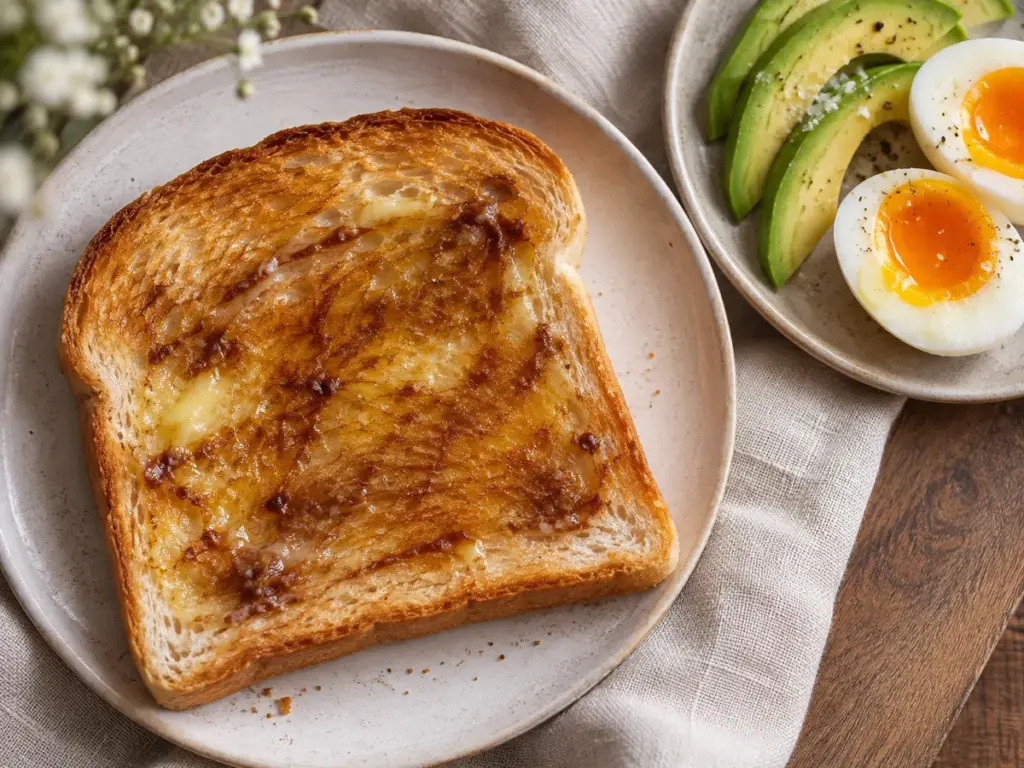
The amount matters more than it looks, because salt rises with every extra layer. Spread three times as thick and you eat about 500 mg of sodium instead of 165 mg from the spread alone, plus three times the bitterness.
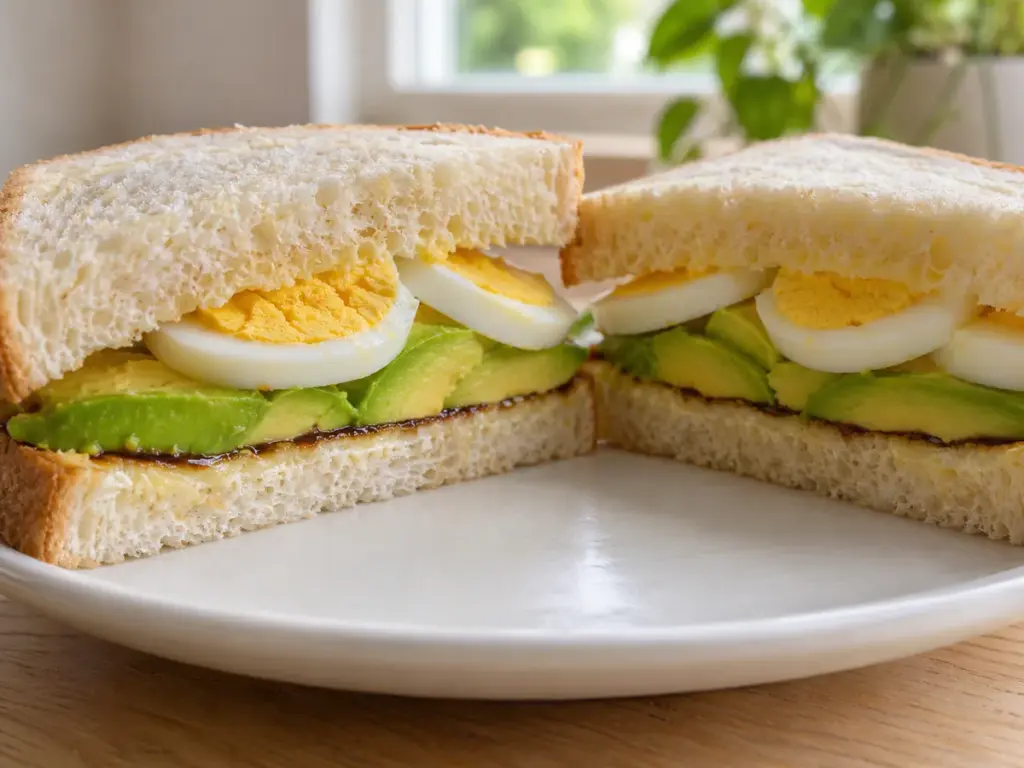
Toast is not the only use. Mental Floss notes that Australians also eat it on crackers and in sandwiches, often paired with fatty foods such as butter, cheese, avocado or eggs. A sandwich of buttered bread, Vegemite, sliced avocado and boiled egg is a good one to try next.
You can also cook with it, which is the easiest way to enjoy the flavor without tasting it straight:
Stews, gravies and soups. A small spoonful stirred in adds a beefy depth, in the same way a bouillon cube would. Start with ¼ teaspoon, taste, and add more only if the pot needs it.
- Chili and shepherd's pie. Food Network suggests adding a little to both for extra savory depth.
- Vegan burgers and meatballs. The glutamate stands in for the meaty taste, but go lightly because the salt adds up fast.
Because Vegemite is already very salty, taste the dish before you add any more salt to it.
4. How Is Vegemite Different from Marmite?
Both are yeast extract spreads, and Vegemite was created in the 1920s partly because wartime shipping cut off supplies of the British Marmite. They look alike on a shelf, but the differences between Marmite and Vegemite come down to color, thickness and how much bitterness each one carries.
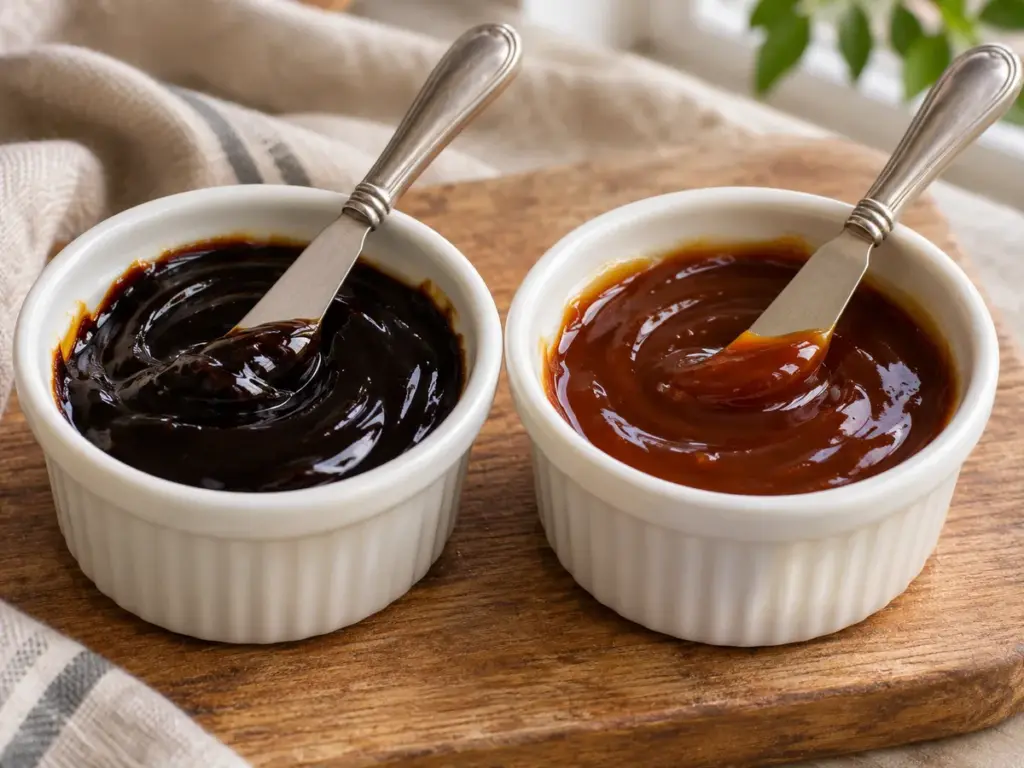
- Darker, almost black in the jar
- Thicker and stickier, so it needs a thin scrape
- More savory, with a bitter, malty finish
- Made with malt extract plus onion and celery extracts
- Lighter brown
- Runnier, so it spreads more easily
- A little sweeter and less bitter
- Easier for a first-timer to enjoy
Food Network describes Vegemite as darker, thicker and more savory, and Marmite as lighter, a little sweeter and runnier, so Marmite is the gentler place to start if you are nervous.
5. Where Can You Buy Vegemite in the US?
Only about 2% of Vegemite is sold overseas, so you will not find it in every US supermarket. Most buyers order it online or look in grocery stores with an imported-food aisle.
Online retailers. Walmart's website and Amazon both list the 220 g jar, and the listings we found ranged from about $8 to $14. Check the live price, because third-party sellers set their own.
- Imported-food aisles. Some larger supermarkets and specialty import shops stock it near the British and Australian foods, though stock changes from store to store.
- Seller and date. Pick a seller that ships from inside the US, and look at the best-before date on arrival, so you are not paying extra for an old jar.
You may have heard that Vegemite is banned in the US. That started with a 2006 news report about its natural folate, and the FDA later said it had no plans to ban the spread, while US Customs said there is no known prohibition on importing it.
If you cannot find a jar, Marmite is the closest swap, and other yeast-based spreads that stand in for it work on toast or in stews. Use less than you would of Vegemite, since the flavors differ.
Sources
- Vegemite (official), product page: nutrition panel per 5 g serve, including sodium, folate, thiamine, riboflavin and niacin.
- Wikipedia, Vegemite: taste description, production method, vegan certification, history, the 2006 US ban report and the FDA response.
- Food Network, What Is Vegemite?: taste comparison, ¼ teaspoon first taste, cooking uses, differences from Marmite.
- Mental Floss, What Is Vegemite?: ingredients, how Australians eat it, 2% exported.

Food writer at GustoMeadow. Writes ingredient substitutes, food comparisons, taste guides and storage guides for home cooks.
Storage and food-safety numbers follow USDA, FDA and university extension guidance.