
Did you know that since ancient times lemon balm before it was used as a tea, was the best herb choice for various medicinal uses, and centuries later, it is still used in medicine today?
With immense health benefits, this small mint is added to various dishes, and it was none other than the Greeks that pioneered this great herb in their cooking experiences.
In recent times, not only is this herb used in great cooking art, but lemon balm tea is a great example of why good things exist.
We will look closer into what it is, what lemon balm tastes like, and how to cook and serve this action-packed tea.
What Is Lemon Balm Tea?
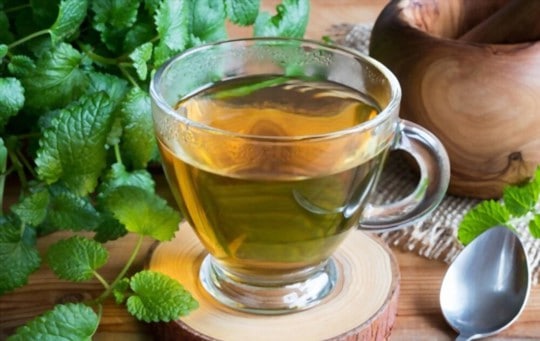
A traditional form of medicinal tea that was and is used for various health benefits like reducing stress, improving people's mood, lowering anxiety levels, etc.
It is a herb native to Iran, Central Asia, and Europe and has always been successful in its powerful healing abilities.
This makes it one of the most sought-after drinks globally - and for a sharper citrus comparison, see zesty lemon juice taste guide.
There are various types of lemon balm, and ancient civilizations used it for multiple purposes, such as curing scorpion stings and bites, headaches caused by nervousness, sickness during pregnancy, preventing loss of hair, toothaches, and more.
Lemon balm teas are also used in curing Insomnia, aid in gastrointestinal health, and are a great antioxidant.
It is not only marketed with all these benefits as promises, since you can easily brew yourself a fresh lemon balm tea with herbs grown in your own home.
With all these natural benefits and proof over the years, lemon balm has become a sensational herb that people incorporate in various ways to use all its natural given health enhancement gifts.
Distinctive Flavors in Lemon Balm Tea
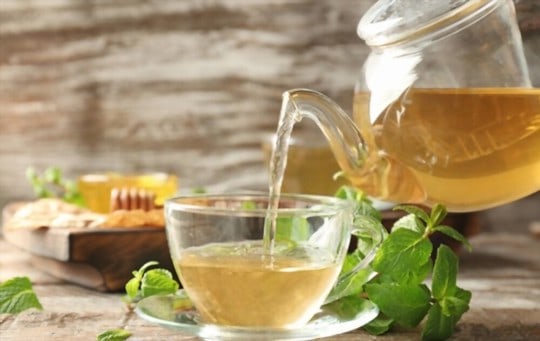
Now that we clearly understand what this tea is, let's take a deeper get into its taste profile.
The most popular lemon balm tea, made from the plant Melissa Officinalis L.
Is a herb that is native to Africa and Europe.
With its amazing and refreshing aroma and taste profile, a lemon-scented tea that offers a unique mild and pleasant taste with a touch of tanginess offers some of the best health benefits in a medicinal tea.
But the whole taste profile doesn't end there; tea also offers a touch of mint when you take a sip, and the combined flavors together promote that jolt of freshness.
No wonder this lemon balm tea offers energy-boosting properties most people crave.
The mintiness also cools off any tension looming over you and lowers down any levels of anxiety.
While this tea is usually drunk alone, most people tend to spice it up by adding more health-beneficial ingredients to it.
For a savory example of lemon-forward seasoning on a different food, lemon pepper wings flavor breakdown explores how lemon brightness plays with peppery heat.
How to Best Serve Lemon Balm Tea?
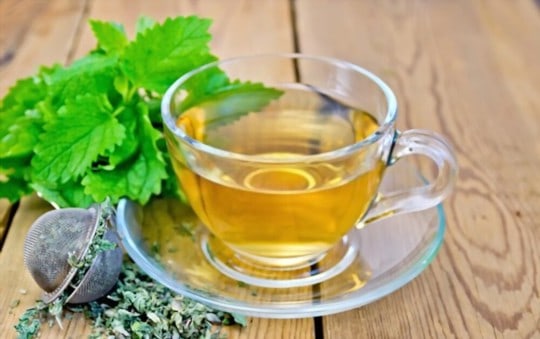
The tea naturally offers that lemony aroma, with a mixture of mild, tangy, and pleasant tastes with a minty finish that does well in curing most of your health issues.
If you have a lemon balm tree in the comfort of your own home, you can easily pluck out the flowers and give them a soft rinse to remove any excess dirt.
Put the leaves into the water after it is boiled, and leave it for at least four to eleven minutes.
Carefully strain the tea in a cup, and you're ready.
Or you can put a filter in a cup, cover it with the leaves and pour the boiled water.
Let the lemon balm leaves soak for the same number of minutes, then remove the filter.
Making the perfect lemon balm is simple, but drinking it alone may not be for everyone - try lemon cucumbers as a fresh pairing option to lighten the palate.
If the flavors are too bland for you, add some health-beneficial ingredients to them, like ginger or honey.
This will give you that health boost while improving the lemon balm tea's whole taste and flavor.
It is always better to take a leap and be creative when you set goals for your overall health.
However, if you do not have a personal garden, lemon balm is available in most medicinal, herbal, and various other stores.
You can easily buy it from one of these places or order online.
Brewing Tips for Lemon Balm Tea
The medicinal Lemon balm tea is all the herbal goodness you need to maintain overall well-being.
It is a fact that since the start of civilization, this herb is known for curing illnesses with its powerful healing abilities.
But not only that, the leaves from this plant were used centuries ago for various aromatics and the skills have been passed down and are still continued today.
We are lucky enough for this plant to still exist and drink it in the form of tea.
Chai latte brings warm spices that complement many teas. Unveil the Chai Latte flavor guide details that profile. Oolong presents delicate complexity across brews; a Sip of Oolong tea tasting notes explains what to expect.
Frequently Asked Questions
If you've never tried a sip and you're wondering, "what does lemon balm tea taste like" don't worry. We will look closer into what it is, what lemon balm tastes like, and how to cook and serve this action-packed tea.
Now that we clearly understand what this tea is, let's take a deeper get into its taste profile.
Brand and preparation can shift the taste of Lemon Balm Tea noticeably. Ingredients, sweetness levels, and carbonation all vary, so trying a few versions gives a fuller picture.
Does ripeness or age change the taste?
Significantly.
Younger or less ripe versions are often sharper, more astringent, or more bitter.
As it matures, flavors typically mellow and deepen into something more complex and approachable.
Texture and taste are inseparable. A pleasant texture encourages slower eating and better flavor perception.
Off-putting textures - too mushy, too fibrous, or unexpectedly gritty - can make even good flavors less enjoyable.