
Lavash and Pita sit at the big table of breads. We're talking two staples in many diets across the globe.
Lavash, the soft, thin flatbread, stretches back to ancient times. Pita?
That pocket-holding wonder.
We've all faced the bakery aisle dilemma: "Which one do I pick?" We get it.
Our kitchens have seen more than a few Lavash wraps and Pita pockets. Both have their perks.
Here's the lowdown.

What is Lavash?
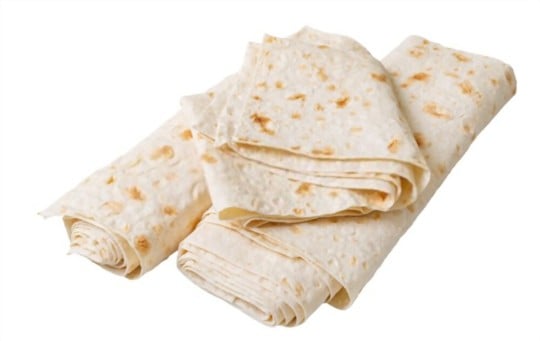
Lavash is a traditional Middle Eastern flatbread that has gained popularity across the globe.
- Lavash originated in Armenia and is made from flour, water, and salt.
- The dough is rolled thin and then baked in a clay oven.
- It is enjoyed with dips, spreads, or used as wrap for sandwiches.
Interestingly, Lavash is often prepared in large sheets which allows it to be cut into various shapes or sizes depending on the dish or occasion.
Lavash's neutral flavor works with bright accompaniments; what goes with lemon in desserts shows complementary flavor pairings that inspire sweet-savory uses.
What is Pita?
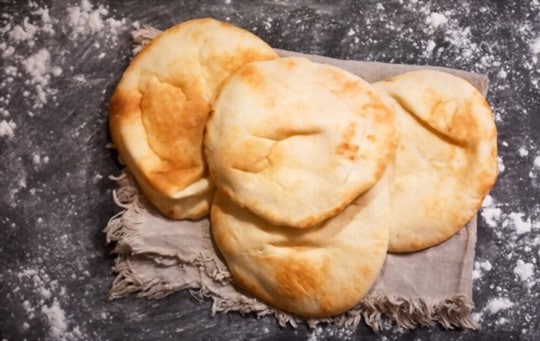
Pita bread is a Middle Eastern flatbread made of wheat flour and yeast.
It has a round shape and is generally used for sandwiches or filled with various toppings.
The dough is made from basic ingredients and then baked at high heat, resulting in its signature pocket-like structure.
Pita has been around for centuries and is a staple food in many countries across the globe.
Pita holds fillings well and pairs with dips; what to eat with guacamole combos offers ideas for tasty dip-and-bread pairings.
Differences Between Lavash and Pita
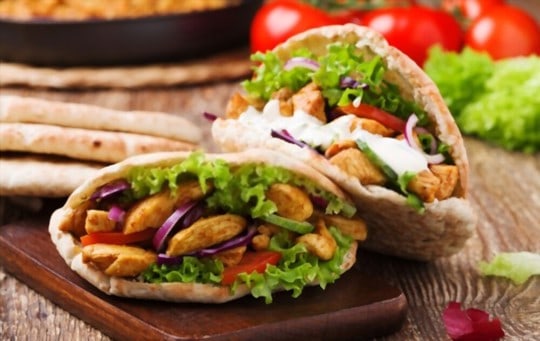
Lavash and pita are two popular flatbreads that have subtle differences in texture, taste, and preparation process.
Lavash is thinner and has a softer texture than pita, whereas pita is thicker and has a tougher crust.
Lavash is commonly used as a wrap or pizza crust while pita is commonly used for sandwiches or as a pocket bread.
Both lavash and pita are versatile options suitable for different dishes, but the choice ultimately depends on personal preference and the dish's need - see pita vs flatbread comparison for differences.
Origin and Cultural Background
Lavash and Pita are ancient flatbreads, widely prevalent in the Middle-Eastern regions.
They form a significant part of traditional cuisine with their historical and cultural significance.
Lavash derives its name from the Armenian word 'lavashak', meaning "gently warmed bread".
On the other hand, Pita is believed to have originated in Ancient Greece and then evolved across various Mediterranean countries over time.
Both delicacies continue to be relevant to different cultures worldwide due to their diverse preparations and serving styles.
Ingredients and Dough Preparation
The preparation of the dough is an essential aspect in creating delicious bread.
When comparing Lavash and Pita, the ingredients and dough preparation differ in some ways - review the dough vs batter comparison explained for how consistency affects final texture.
The key ingredients for both breads remain somewhat consistent, with Lavash typically made from flour, water, and salt while Pita bread often includes additional ingredients like yeast or sugar.
In terms of preparation, Lavash requires a simple mixing process that results in a thin and crispy texture when baked.
Whereas Pita requires extra kneading and rolling to ensure adequate expansion when baking, resulting in a thicker and fluffier final product.
Texture and Thickness
The unique texture and thickness of Lavash and Pita play a important role in determining their suitability across a range of cuisines.
Lavash is thinner and has a delicate, crispy texture, whereas the Pita has a thicker texture with some elasticity.
Both bread options have their own set of benefits, which ultimately depend on the dish they are being used for.
Pita's thicker texture holds the fillings better without tearing apart.
In contrast, Lavash is great for dishes that require rolling without falling apart, such as sushi rolls or shawarma wraps.
The crispiness and delicate nature of lavash add an extra layer of flavor to these dishes.
Another difference between the two bread options lies in their versatility in cooking methods.
While both can be baked, grilled, or fried, lavash works well when toasted or even microwaved to retain its crunchiness.
At the same time, Pita can be easily carved into shapes and sizes while retaining its form through grilling too.
Thin or thick breads pair differently with spreads; vegan hummus recipes for texture shows spreads that complement each bread type.
Shape and Size
Lavash and pita bread both belong to the flatbread family, but they differ in terms of their shape and size.
Lavash is a thin, unleavened bread that is usually rectangular or oval in shape.
It is typically larger in size compared to pita bread, which is round and smaller in diameter.
In addition to being larger, lavash can be rolled up or folded into different shapes without breaking apart due to its flexibility.
This makes it ideal for use as a wrap or sandwich bread.
Pita bread, on the other hand, has a pocket in its center that can be filled with various ingredients like meat, vegetables, and spreads.
While lavash is traditionally made by rolling the dough out until it's paper-thin before baking it on a hot surface, some modern varieties have added yeast to the dough.
Pita bread is usually leavened with yeast before being baked at high temperatures.
Overall, both lavash and pita bread have unique characteristics that make them suitable for different culinary applications.
Understanding their shape and size differences can help home chefs decide which one to use for specific recipes.
Taste and Flavor
Lavash and pita bread are two distinct types of flatbreads that differ in their flavor.
Lavash, the thin and pliable flatbread, has a subtle sourdough tang with a delicate crispness due to its light texture.
On the other hand, pita bread has a slightly doughy texture with a mild flavor.
Lavash offers a unique sensory experience due to its crispy and airy texture.
It imparts an elevated flavor to food owing to its subtle sourness - explore extract vs flavor differences explained to understand how subtle notes influence recipes.
Meanwhile, pita bread is less flavorful which makes it an excellent option for sandwiches or gyros where the filling is primarily responsible for the taste.
Lastly, lavash's thin nature allows flavors like smoked salmon or cheese toppings to be appreciated without gracing them out.
As opposed to pita bread whose doughiness could mask these flavors altogether.
Similarities Between Lavash and Pita
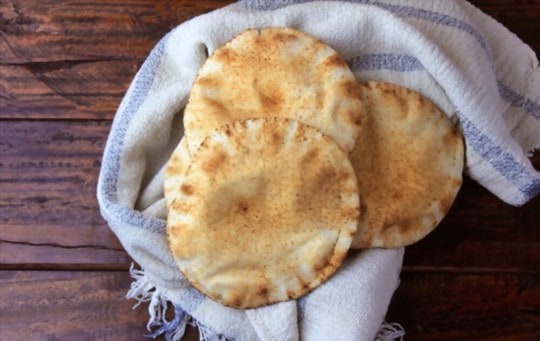
Both Lavash and Pita are Middle Eastern flatbreads with a porous texture that makes them ideal for sandwiches.
Their similarity is in their form, which is round and flat.
They are traditionally cooked in a wood-fired oven and served warm.
In terms of ingredients, the two breads share some similarities, such as being made from wheat flour, water, salt, and yeast or sourdough starter.
Both are also low in fat and high in fiber.
Lavash and Pita can be considered interchangeable when it comes to making wraps or sandwich pockets.
However, Lavash is thinner than Pita, making it more pliable.
Pita has a distinctive pocket that's perfect for filling your sandwich with various fillings.
To sum up, both types of bread have their own unique qualities depending on what you're looking for in your meal.
Ultimately choosing between Lavash and Pita will depend on your personal preference and what you plan to eat them with.
For sandwiches and wraps, consider related flatbreads; Laffa vs pita comparison for interchangeability explains when one makes a better swap.
Versatility in Culinary Uses
Lavash and pita are highly versatile in culinary practices, providing diverse options for cooking enthusiasts worldwide.
Pita bread is best known for its use in Middle Eastern cuisine, while lavash is a staple in Armenian and Iranian dishes.
Both can be used for sandwiches, toasts, wraps, or even as a substitute for pizza crusts.
Also, they improve the flavor of hummus and dips due to their superior quality.
Ultimately, the choice between the two depends on personal preferences and cultural preferences.
Bread Texture and Uses: Lavash vs Pita
Comparing lavash and pita, both have their unique qualities and benefits.
Lavash is thinner, lighter and can be used as a wrap or flatbread for sandwiches or dipping.
Pita bread is thicker and puffier, which makes it ideal for stuffing.
Both are great options, depending on personal preference and specific dish requirements.
It's important to choose the right bread based on what you are serving it with or stuffing it with.
Always remember that both lavash and pita have been around for centuries, so there's really no "better" option - only a "better" fit for each situation.
Frequently Asked Questions
Lavash is thinner and has a softer texture than pita, whereas pita is thicker and has a tougher crust. They share some similarities but each has qualities that make it better suited for certain recipes.
Sometimes. Lavash works where Pita is called for in certain dishes, but not all.
Check whether the recipe relies on a specific quality before substituting.
Cold preparations like salads and dressings often favor the option with a sharper, more defined flavor. Heat can mellow both, so the distinction matters more in uncooked dishes.
Do professional cooks prefer one over the other?
Professional preference depends heavily on the dish and cuisine style.
Each has its context where it outperforms the other, so most experienced cooks keep both on hand.
Pita chips go well with many sides. pita chips side dishes lists top pairings. pita bread side dish ideas works when serving warm pockets.