
Summary of key points
The main difference between frangipane and marzipan is in their ingredients and intended use. Frangipane is a filling or topping made from almonds, eggs, sugar, and butter, while marzipan is a confection made primarily of ground almonds and sugar.
In terms of taste, both have a sweet almond flavor but with different textures. Frangipane has a creamy and slightly nutty taste, while marzipan has a denser and more chewy consistency.
Frangipane is often used as a filling for pastries and tarts, while marzipan is commonly used in confections and decorations for desserts.
Frangipane and Marzipan both pack a punch in flavor. Boldly, they're not the same.
Frangipane whispers sweet almond tunes in pastries. Marzipan?
It's the sweet, sculptable cousin.
Standing in the kitchen, deciding between these two. It's like picking a favorite child.
Frangipane equals cozy. Think warm, golden tarts.
Marzipan, though, is the artist of desserts. Shaped into fruits and figures, it's pretty versatile.
. Both deserve a spot in our kitchens. And our hearts.
Get ready. We're about to deep-dive. No holds barred.
What is Frangipane?

Frangipane is beloved worldwide. It's a creamy almond-based filling used in French and Italian desserts.
It's made of ground almonds, sugar, butter, and eggs.
It adds richness and depth to pastries with its smooth texture and nutty flavor.
It stands out due to its versatility.
Tarts, galettes, cakes, croissants - frangipane enhances the flavor of many treats.
Amateur and pro bakers love it. Frangipane has an interesting history.
It's named after an Italian nobleman from the 16th century. It was originally used as a perfume.
Pastry chefs started using it in their recipes instead of just adding its scent.
It's often confused with marzipan. They both have almonds but differ in texture and usage.
Frangipane has a creamy consistency after baking and adds moisture and richness.
Marzipan has more sugar and a firmer texture to shape into designs.
Frangipane pairs well with bright citrus notes; lemon dessert pairings list highlights complementary flavors to try.
What is Marzipan?
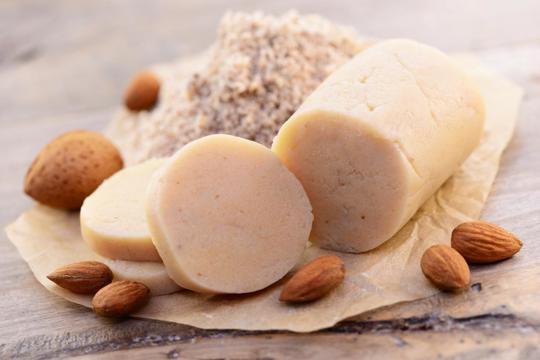
Marzipan is a beloved confection in many cultures.
It's an almond paste made from ground almonds & sugar or honey.
Its origins go back to the Middle Ages, when it was popular in Europe.
Marzipan is dough-like and pliable.
It can be shaped into detailed designs or molded into figures.
This makes it great for cake decorations & holiday treats.
It has a distinctive sweet taste and creamy consistency.
So, it's perfect for pastries, chocolates and ice creams.
Bakers love it for adding elegance.
And if you have a sweet tooth, marzipan is sure to satisfy.
Marzipan is sweet rather than savory; for contrasting savory pairings, guacamole pairing ideas and combos shows how savory matches differ from sweet confections.
Differences Between Frangipane and Marzipan
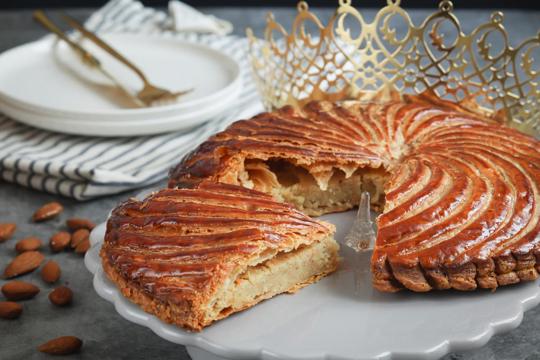
Frangipane and marzipan look alike, but they have their own unique characteristics - see mazapan vs marzipan comparison for how naming and recipes differ.
Frangipane is a creamy almond flavored mix used to fill pastries.
Marzipan is a sweet almond confection. Both are delicious and useful in cooking, but for different things.
Ingredients Used
Frangipane and marzipan are both great for baking.
But they have different features that make them perfect for different treats.
Frangipane is a creamy almond-based mixture with butter, sugar, eggs, and sometimes flavoring.
It's great for tarts and pastries.
Marzipan is a sweet almond, sugar, and egg white mix.
Its pliable texture makes it great for decorating cakes and candy.
Both add a nice almond taste to treats. But their special characteristics fit different baking needs.
Texture and Consistency
Texture & consistency are important for a yummy pastry or dessert.
Frangipane has a smooth & creamy texture, great for fillings in tarts, pies & cakes.
It's rich & velvety, melting in your mouth - similar creamy mouthfeel appears in vegan hummus creamy texture recipes that aim for silky results.
Marzipan has a denser texture, perfect for shaping into detailed designs.
Frangipane provides luscious creaminess, marzipan a chewy bite.
Frangipane's texture is amazing - ground almonds, buttery smoothness & subtle sweetness.
It melts on the palate with a buttery finish.
Marzipan is rolled out or molded, offering a chewy sweet almond taste.
Its slightly dense composition allows for artistic decorating without compromising taste.
Choose wisely - frangipane or marzipan - for your great dish.
Both will improve it to tasty heights. Enjoy the tempting journey.
Flavor and Taste
Frangipane and marzipan: two popular baking ingredients with distinct tastes.
Frangipane has an aromatic blend of almond and buttery notes, giving it a rich, creamy flavor.
Marzipan, though, captures with its sweetness and smooth texture.
Frangipane's flavor is more complex, while marzipan is ideal for a bit of indulgence.
Both bring something special, making the pastry experience even better.
For clarity on terms used when describing these profiles, extract vs flavor breakdown explains how extracts influence taste versus inherent flavor.
Culinary Uses
Frangipane and marzipan are both incredibly useful in the kitchen.
Frangipane is a creamy, nutty almond-based filling. It's often used in tarts and galettes.
Marzipan, on the other hand, is great for decorating desserts. It can be molded into any shape.
Frangipane is perfect for adding richness to pies, tarts, and cookies.
It goes well with fruits like peaches, pears, and raspberries.
Meanwhile, marzipan is ideal for creating decorations for cakes and pastries.
Its pliable nature allows it to be easily rolled out and shaped.
Its subtle sweetness adds the perfect amount of sweetness to cakes.
Also, both frangipane and marzipan can be used together to create delicious desserts.
For example, combining the two makes a decadent tart filling that combines almonds with marzipan's delicate sweetness.
Similarities Between Frangipane and Marzipan
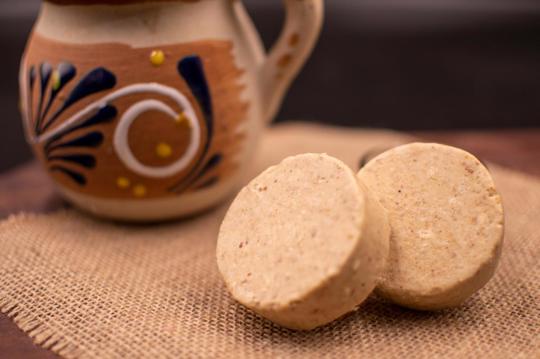
Frangipane and marzipan differ in flavor and texture. Yet, they are both sweet fillings used in desserts.
And, almonds and sugar are key ingredients in each. This combo gives an amazing taste.
Frangipane has eggs and butter, making it creamy when baked. Marzipan is denser and chewier.
Plus, it doesn't need eggs, which is great for those with dietary restrictions.
Marzipan has a more intense almond taste, while frangipane has a subtler flavor - and marzipan substitute ideas for sweets shows alternatives when marzipan isn't available.
Vanilla or other extracts can also be added to frangipane for added aroma.
Where to Buy Frangipane and Marzipan?
There are various ways to buy them.
You can check out specialty baking stores, online retailers, or even grocery store aisles.
Or for convenience, order them with delivery services like Amazon.
Don't forget to read reviews and check the quality before getting one.
Artisanal shops also specialize in handmade frangipane and marzipan.
This gives you the opportunity to support local businesses, as well as tasting unique flavors and textures.
Those with dietary restrictions or preferences (e.g, gluten-free or vegan diets) should look into specialty stores that have alternative ingredients and substitutes.
Choose carefully when purchasing frangipane or marzipan, taking into account factors such as product quality, customer reviews, convenience, and personal preferences.
Enjoy the pleasant flavors of these treats by exploring the different options available.
For guidance on finding specialty pastes from other cuisines at stores, where to buy red miso paste explains typical grocery locations and labels to look for.
Selecting Between Frangipane and Marzipan
Frangipane and marzipan both have their pros and cons.
Frangipane is known for its richer flavor, while marzipan has a softer texture.
Marzipan also does not require the same amount of ingredients as frangipane.
However, if you are looking for a delicate yet strong flavor, then frangipane may be your best bet.
Ultimately, choosing between these two options will mostly come down to personal preference.
Whether you decide to go with Marzipan for a subtler flavor or frangipane for that decadent treat, either will make a good addition to your kitchen confections.
Ultimately, the decision is yours; no matter which one you choose it's sure to satisfy you and your guests in any setting.
Frequently Asked Questions
The main difference between frangipane and marzipan is in their ingredients and intended use. They share some similarities but each has qualities that make it better suited for certain recipes.
Frangipane excels at bringing out depth and richness. Marzipan is better for preserving delicate qualities.
Pick based on what the final dish needs.
Cold preparations like salads and dressings often favor the option with a sharper, more defined flavor. Heat can mellow both, so the distinction matters more in uncooked dishes.
Do professional cooks prefer one over the other?
Professional preference depends heavily on the dish and cuisine style.
Each has its context where it outperforms the other, so most experienced cooks keep both on hand.
Frangipane and marzipan comparisons connect to related reads. mazapan vs marzipan comparison clarifies naming and regional differences. marzipan substitute ideas for sweets lists workable alternatives when a recipe calls for a different texture.